
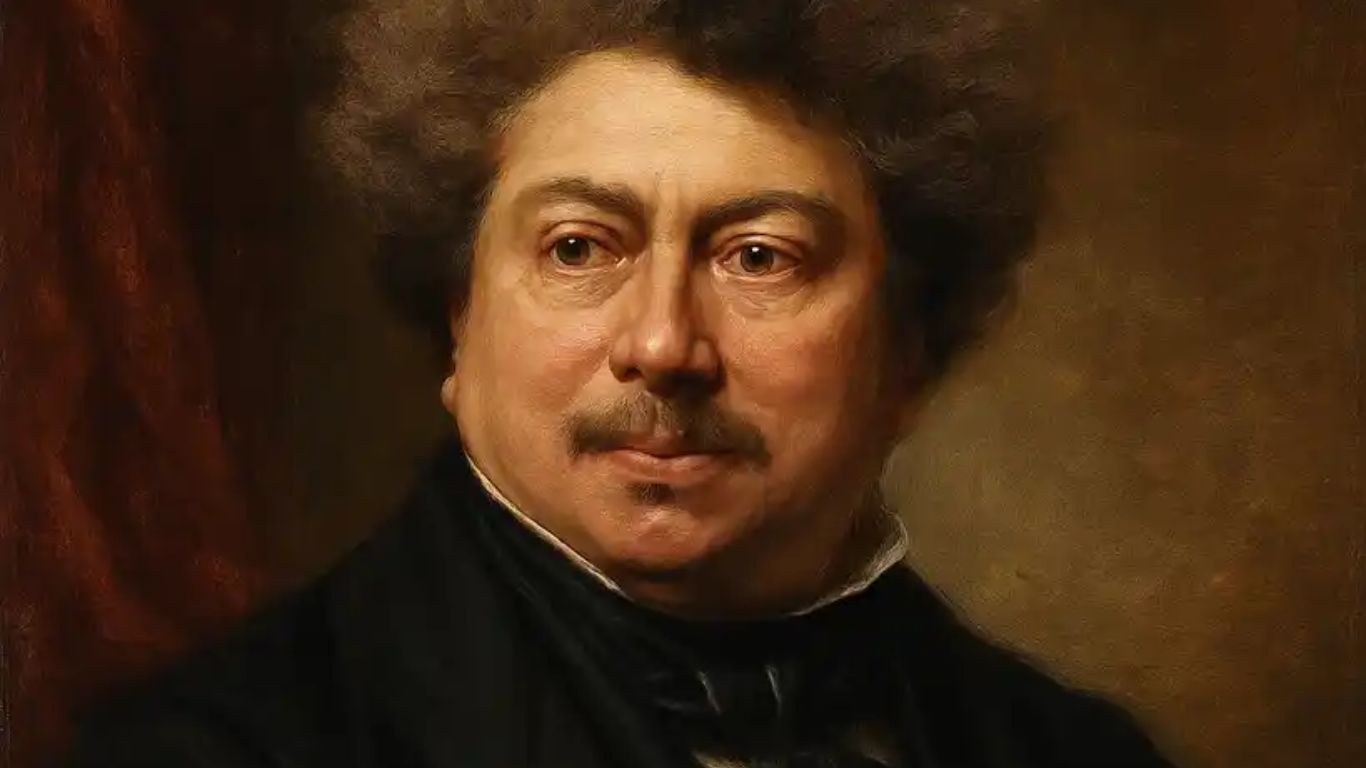
Alexandre Dumas produced hundreds of volumes and tens of thousands of pages of literature during his lifetime. Navigating the sprawling catalog of Alexandre Dumas books requires knowing exactly where to start. Readers often feel overwhelmed by his massive output and interconnected historical epics. He built his career on serialized cliffhangers, keeping nineteenth-century newspaper readers desperate for the next chapter. Today, understanding his publication methods and chronological timelines makes tackling his massive bibliography much easier.
The scale of his literary output
Dumas wrote at an industrial pace. His overall literary output reached hundreds of volumes, encompassing novels, plays, travel journals, and essays. Researchers analyzing his texts have noted that the word frequencies across his collected works align perfectly with Zipf’s law, a statistical pattern common in large linguistic datasets, as detailed in a computational analysis of his texts. Today, his popularity is still high. Data from PangoBooks pricing and sales analytics shows dozens of distinct titles and editions still in heavy circulation among second-hand buyers. In France, Edistat sales statistics track hundreds of active listings for his works. He is a fixture on lists of the most successful authors in literary history. His ability to produce so much content stemmed from his serialized publication method. He wrote chapters for daily newspapers, keeping readers hooked with constant cliffhangers. This relentless schedule forced him to maintain a rapid pace, resulting in a bibliography that dwarfs most modern authors. Understanding this scale helps explain why his most famous characters span across multiple volumes.
The d’Artagnan Romances reading order explained
Many readers pick up a copy of his most famous swashbuckling tale without realizing it is just the first part of a six-part saga. The d’Artagnan Romances follow the same core group of characters (Athos, Porthos, Aramis, and d’Artagnan) over several decades of French history. Reading them out of order causes confusion, particularly because publishers often split the later, longer volumes into multiple separate books. Here is the exact chronological reading order for the series:
- The Three Musketeers (covers events from 1625 to 1628)
- Twenty Years After (covers events from 1648 to 1649)
- The Vicomte de Bragelonne (covers events in 1660)
- Ten Years Later (covers events from 1660 to 1661)
- Louise de la Valliere (covers events in 1661)
- The Man in the Iron Mask (covers events from 1661 to 1673)
The final four books in that list actually make up a single continuous novel called The Vicomte de Bragelonne. Because the original manuscript was too long for standard printing presses, English publishers split it into four parts. The Man in the Iron Mask is the final section of this mega-novel. You must read the preceding five books to understand the political alliances and character motivations that drive the finale. Skipping straight to the end ruins the emotional payoff of seeing these characters age, change, and face the consequences of their youthful adventures over fifty years. This sprawling approach to storytelling influenced many later writers, much like the detailed world-building seen in modern gothic historical fiction. Once you finish the musketeer saga, you can move on to his most famous standalone novel.
The Count of Monte Cristo and standalone masterpieces
While the musketeer saga defines his series work, his standalone novels dominate public interest. Project Gutenberg data shows The Count of Monte Cristo has tens of thousands of downloads, significantly outpacing The Three Musketeers. This story of adventure, conviction, and revenge follows an innocent man who escapes prison to destroy the people who framed him. It easily earns its place among the classics everyone should read once in their lifetime.
The protagonist, Edmond Dantes, is one of the most memorable characters in classic literature. Wrongfully incarcerated in the grim Chateau d’If on the eve of his wedding, he spends years in isolation before meeting the Abbe Faria. This fellow prisoner educates Dantes and reveals the location of a hidden treasure. After a daring escape, Dantes evolves into the enigmatic Count, driven by a cold desire for justice against the men who stole his life. The novel is a staple in discussions of the Romantic period, often cited alongside the best books from the Romantic movement. Its pacing and structure set the template for modern revenge thrillers. Readers looking for a deep, complex narrative will find that this single book offers more character development than many modern trilogies. It is also frequently mentioned in lists of novels that improve vocabulary due to its rich, descriptive language. The cinematic quality of the plot makes it a prime candidate for adaptation, frequently appearing on lists of books that should be TV shows instead of movies. Creating such a dense, historically accurate masterpiece required more than just one man’s imagination.
The role of Auguste Maquet in Alexandre Dumas books
Dumas did not write his massive bibliography entirely alone. He worked closely with several collaborators, the most important being Auguste Maquet. Maquet was a history teacher and writer who played a significant role in shaping the most famous Alexandre Dumas books. He is a major reason why Dumas is considered a must-read author today.
Maquet handled the historical research and drafted the initial narrative outlines. He would map out the plot points, character arcs, and historical events. Dumas would then take these outlines and write the actual prose, adding his signature dialogue, pacing, and dramatic flair. Maquet co-authored The Three Musketeers, The Count of Monte Cristo, and Twenty Years After. A tabular analysis of Dumas’s writing shows just how heavily he relied on historical facts provided by his collaborators.
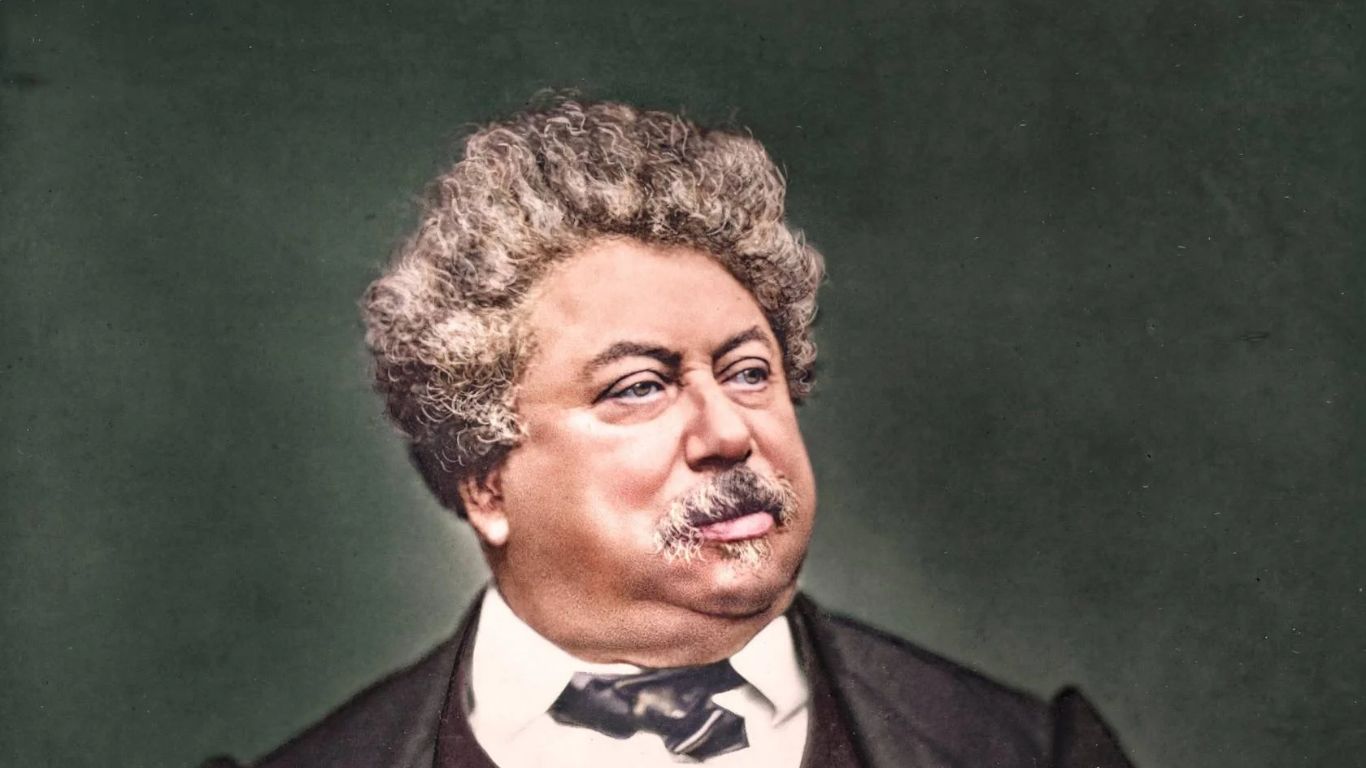
Despite his contributions, Maquet rarely received cover credit. Dumas was the established brand, and publishers paid top dollar for his name. Maquet eventually sued for co-authorship rights and royalties. The courts awarded him financial compensation but ruled that Dumas’s name would remain alone on the covers. Understanding this partnership provides a clearer picture of how these historical epics came together so quickly. Knowing the history behind the text helps you appreciate the final product, but you still need to choose the right version to read.
Comparing editions of Alexandre Dumas books
Because these texts are in the public domain, thousands of different editions exist. Choosing the right version of Alexandre Dumas books depends on your budget, reading preferences, and tolerance for older translations.
Project Gutenberg offers free digital copies of almost all his works. These are perfect for readers who prefer reading on a screen or want to save money. However, the free versions often use older, Victorian-era translations that censor some of the more mature themes and tone down the language.
Penguin Random House sells the Vintage Classics paperback edition of The Count of Monte Cristo. This massive edition usually features the Robin Buss translation, which modernizes the language and restores the original, uncensored text. For physical book collectors, this is widely considered the best accessible version.
Thriftbooks and other used retailers offer a middle ground. You can find older hardcover editions or mass-market paperbacks for a few dollars. Just check the translator’s name before buying, as older mass-market copies often use the same censored Victorian translations found online.
| Edition Type | Price Range | Pros | Cons |
|---|---|---|---|
| Project Gutenberg (Digital) | Free | Instant access, highly portable | Older, often censored translations |
| Penguin Vintage Classics | Standard Retail | Modern, uncensored translation (Robin Buss) | Heavy physical book |
| Used Paperbacks (Thriftbooks) | Discounted | Cheap physical copies | Translation quality varies wildly |
Selecting the right edition ensures you get the full emotional impact of the story, which is crucial for understanding his influence on later writers.
The lasting impact on modern fiction
Alexandre Dumas structured his novels around serialized cliffhangers and complex political plots, techniques that modern authors still use today. His publication method forced him to end chapters at moments of high tension to ensure readers bought the next newspaper issue. You can see this exact pacing strategy in modern suspense novels, such as Along Came a Spider by James Patterson, where short chapters keep the reader turning pages late into the night. His ambitious scope also appears in modern complex narrative structures. The way he interconnected stories across decades mirrors the ambition seen in Cloud Atlas, where multiple timelines weave together to form a larger picture. Similarly, the time-bending historical elements in The Kingdoms by Natasha Pulley draw from the sprawling historical fiction genre that Dumas helped legitimize. The political maneuvering and morally gray characters found in his historical epics also appear in modern grimdark fantasy. For example, the scope of The Devils by Joe Abercrombie shares a similar focus on shifting alliances and brutal consequences. Even contemporary French literature draws heavily from his popularization of the historical novel, much like how the literary career of Victor Hugo shaped the Romantic movement. For more updates on how classic literature continues to influence modern releases, you can follow our latest news coverage or read insights from our lead author Hardik Dhamija.
Frequently asked questions about Alexandre Dumas books
Readers approaching these classics usually have a few common questions before they commit to a massive historical novel.
How many books did Alexandre Dumas write?
He wrote or co-authored hundreds of volumes during his lifetime. This output includes novels, plays, travel journals, and essays. His collaborative process with writers like Auguste Maquet allowed him to produce multiple full-length novels in a single year.
What is the best book to start with?
The Count of Monte Cristo is the best starting point for modern readers. It is a standalone novel, meaning you do not have to worry about reading orders or sequels. The pacing is faster than his other works, and the themes of betrayal and revenge translate perfectly to modern sensibilities.
Are his books difficult to read?
The difficulty depends entirely on the translation you choose. Older Victorian translations can feel stiff and overly formal. Modern translations, like the Robin Buss version of The Count of Monte Cristo, flow beautifully and read much like a contemporary historical thriller. The main challenge is usually the length, not the vocabulary.
To start reading Alexandre Dumas books today, skip the older public domain translations and pick up the Robin Buss translation of The Count of Monte Cristo. It restores the original pacing and mature themes that made the novel a sensation in 1844.






















Leave a comment