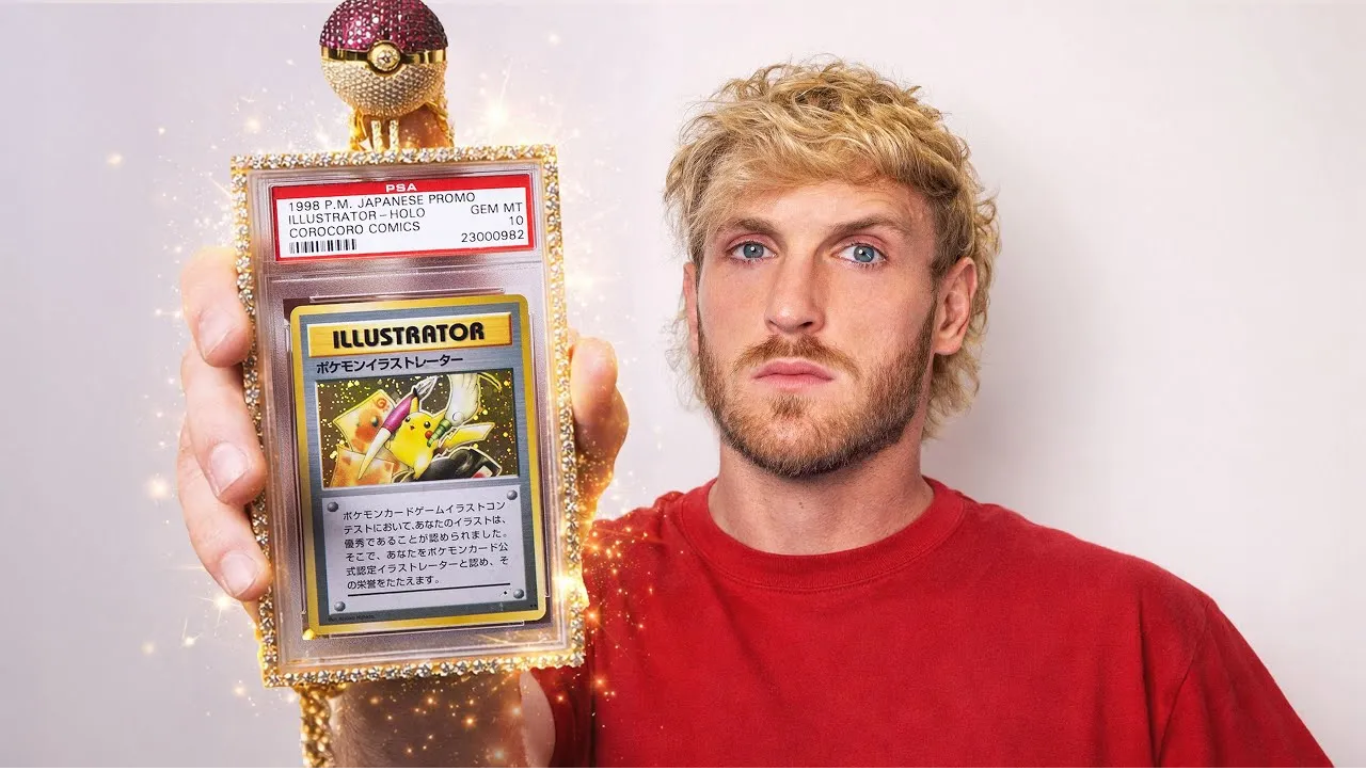
A single piece of cardboard just rewrote trading card history. On February 16, 2026, a PSA 10 Pikachu Illustrator sold for $16,492,000 at Goldin Auctions, cementing its status as the most expensive Pokemon card ever sold. The buyer, AJ Scaramucci of Solari Capital, acquired the card from internet personality Logan Paul. This transaction shattered previous records and brought mainstream attention to the high-end collectible market. Understanding how a promotional item from 1998 reached an eight-figure valuation requires looking at its origin, its perfect condition, and the explosive growth of the trading card hobby.
The history behind the most expensive Pokemon card
The story of the Pikachu Illustrator begins in Japan in 1998. The Japanese magazine CoroCoro Comic held a series of illustration contests for its readers. Instead of standard booster packs, the winners received a custom promotional card featuring artwork by Atsuko Nishida, the original character designer for Pikachu. The card features a unique pen icon in the bottom right corner and the word “Illustrator” at the top, replacing the standard “Trainer” text.
Only 39 to 41 copies were distributed to the contest winners. For comparison, The Japan Times reports that more than 75 billion Pokemon cards were printed in 2025 alone. This extreme scarcity makes the Pikachu Illustrator one of the rarest items in the franchise. Many of the original copies were lost, damaged, or kept in private collections, meaning very few ever surface on the open market. The combination of low print run, historical significance, and exclusive artwork creates the foundation for its massive valuation.
The scarcity factor here mirrors trends seen in other collectible markets, similar to what drives the high prices of limited-run designer toys. For example, collectors often wonder what makes Labubu so expensive, and the answer usually comes down to strict production limits and blind-box distribution. The Pikachu Illustrator takes this scarcity to an extreme level, as it was never available for retail purchase.
Logan Paul and the $16.49 million Pikachu Illustrator auction
Before the 2026 auction, the card already had a highly publicized history. Logan Paul originally purchased this specific PSA 10 copy for $5.275 million in a private sale in Dubai in July 2021. He famously wore the card to a professional wrestling event, housing it in a custom case attached to a $75,000 necklace featuring 35 carats of diamonds and a 10-karat gold chain.
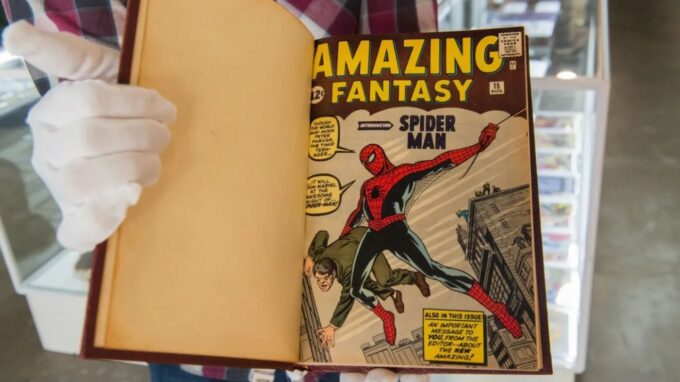
The card changed hands again on February 16, 2026, through Goldin Auctions. Ken Goldin, the founder of the auction house, facilitated the sale to AJ Scaramucci. The final price of $16,492,000 earned recognition from the Guinness World Record organization as the highest price ever paid for a trading card at a private sale or auction. This event eclipsed other major sales in the pop culture sphere, including the $6 million Action Comics #1 sale that shattered auction records for comic books. The sheer scale of the transaction highlights how vintage trading cards now compete with fine art and rare comic books for investor capital.
How PSA grading determines the most expensive Pokemon card values
Condition dictates value in the trading card market. The Professional Sports Authenticator (PSA) evaluates cards on a scale from 1 to 10. A PSA 10 grade, known as Gem Mint, means the card has perfect centering, sharp corners, no surface scratches, and flawless edges. Logan Paul’s former copy is the only known Pikachu Illustrator to receive a PSA 10 grade. Every other surviving copy has minor flaws that drop the grade to a 9 or lower.
The grading process itself is rigorous. Evaluators use magnification to check the printing dots, measure the borders to ensure they are perfectly centered, and inspect the foil for any print lines. A single microscopic scratch on the holographic foil will drop a card from a 10 to a 9, wiping out millions of dollars in potential value in the case of the Pikachu Illustrator.
The premium for a perfect grade is massive. Market data from a 2026 analysis of 50,000 listings by joinmassive.com shows that the median PSA 10 multiplier versus a raw Near Mint card is 3.4 times the price. For some modern chase cards, that multiplier reaches up to 6.3 times. However, the same data indicates that buyers do not pay a meaningful premium for a PSA 9 over a raw Near Mint copy. The value is entirely concentrated at the absolute top of the grading scale.
This dynamic explains why the single PSA 10 Pikachu Illustrator commands an eight-figure price tag while lower-graded copies sell for a fraction of that amount. The intense focus on perfect condition is a hallmark of high-end collecting, whether buyers are hunting for flawless trading cards or tracking down the most expensive Marvel toys in pristine packaging.

Other record-breaking Pokemon trading card sales
While the Pikachu Illustrator holds the top spot, several other cards and sealed products regularly command six-figure prices. During the same Goldin Auctions event that saw the $16.49 million sale, a PSA 10 First Edition Holo #4 Charizard sold for $954,800. The First Edition Charizard from the 1999 English Base Set is widely considered the holy grail of standard release cards. Its aggressive artwork and status as the most powerful creature in the original game make it a cultural icon.
The Base Set Charizard is particularly notable because it was a standard retail release. Unlike the Pikachu Illustrator, which was a contest prize, the Charizard could be pulled from a $3.99 booster pack in 1999. Finding one in perfect condition today is incredibly difficult because most children played with their cards, shuffling them without protective sleeves and damaging the fragile foil surfaces.
Sealed products also generate massive auction results. A factory-sealed Base Set Booster Box from 1999 sold for $496,000. These boxes contain 36 unopened packs, offering the theoretical chance to pull a Gem Mint Charizard. The broader market has seen unprecedented growth over the last two decades. According to an index compiled by Collectors, Pokemon card prices rose 282 percent between 2004 and 2020. Since 2020, prices have surged by 1,350 percent. This massive influx of capital has transformed childhood collections into serious investment portfolios.
The financial mechanics of this boom share similarities with digital assets, where high entry costs and transaction fees shape the market, much like how blockchain technology is revolutionizing the comic book industry. Investors are looking for tangible assets with proven historical returns, and vintage trading cards fit that criteria perfectly.
Comparing the Pokemon card market to other pop culture collectibles
The eight-figure sale of the Pikachu Illustrator places Pokemon at the absolute pinnacle of pop culture collecting. To understand the magnitude of this market, it helps to look at other major franchises. For instance, the comic book market has seen massive sales, but even the most expensive comics ever sold at auction top out around the $6 million mark. A single piece of Pokemon cardboard has now sold for nearly three times that amount.
Other trading card games are also seeing crossover appeal and premium pricing, though they rarely reach the heights of vintage Pokemon. Magic: The Gathering recently released crossover sets, such as when Sonic the Hedgehog speeds into Magic: The Gathering with premium foil editions priced at $49.99. While these modern premium products generate revenue, they do not carry the historical weight or extreme scarcity of a 1998 contest prize.
The toy market shows a similar disparity. Even the most expensive toys by DC Entertainment rarely cross the six-figure threshold. The Pokemon franchise has achieved a unique status where its earliest artifacts are treated with the same reverence as historical documents or fine art.
The cultural impact of high-value trading cards
The record-breaking sales figures reflect a broader shift in how society values nostalgia and pop culture artifacts. The generation that grew up trading cards on the playground now has disposable income and investment capital. They are directing those funds toward the items that defined their childhoods. The franchise itself continues to thrive, releasing new games that evolve into real-time greatness and keeping the brand relevant for younger audiences.
This multi-generational appeal ensures a steady stream of new collectors entering the market. As new fans discover the franchise, they learn about the history of the early sets and the legendary status of cards like the Pikachu Illustrator. The lore surrounding these rare items is just as compelling as the in-game mechanics, similar to how players obsess over the lore and hunting methods for rare shiny variants in the video games. The trading card market has effectively gamified the act of collecting, with grading companies acting as the final judges of a card’s worth.
Frequently asked questions about high-value Pokemon cards
What makes a Pokemon card valuable?
Value is determined by a combination of rarity, condition, and historical significance. Promotional cards with extremely low print runs, like the Pikachu Illustrator, have a baseline rarity that standard set cards cannot match. Condition is the second major factor. A card must receive a high grade from a reputable authentication company like PSA to reach its maximum potential value. Finally, the character featured on the card matters. Popular characters like Charizard and Pikachu consistently command higher prices than lesser-known creatures, regardless of their status among the smartest Pokemon in the world.
Who bought the $16.49 million Pikachu Illustrator?
AJ Scaramucci, the founder of Solari Capital, purchased the card at a Goldin Auctions event on February 16, 2026. He acquired the card from Logan Paul, who had previously purchased it in a private sale in Dubai for $5.275 million.
How many Pikachu Illustrator cards exist?
Records indicate that CoroCoro Comic distributed between 39 and 41 copies of the card to contest winners in 1998. However, the exact number of surviving copies is unknown. Many were likely lost or damaged over the past two decades. The copy sold for $16.49 million is the only known example to receive a perfect PSA 10 grade.
The future of the trading card market
The $16.49 million sale of the Pikachu Illustrator establishes a new ceiling for the trading card market. This transaction proves that rare pop culture artifacts can attract the same level of institutional capital as traditional fine art and vintage comic books. As grading standards remain strict and the supply of perfect vintage cards stays fixed, the market for the most expensive pokemon card will continue to be defined by extreme scarcity and aggressive collector demand.