Ann Patchett has built a reputation for writing novels that aren’t driven by shocking twists or high-stakes suspense, but by the quiet complexities of human relationships. With Whistler, she once again proves that some of the most powerful stories come from ordinary lives and long-buried emotions. The novel follows Daphne Fuller, a middle-aged English teacher whose chance reunion with her former stepfather, Eddie Triplett, forces her to confront memories she thought were long settled. What unfolds is a moving exploration of family, grief, forgiveness, and the lasting impact of childhood bonds.
A Story Built on Reconnection
The novel begins with what seems like an ordinary visit to New York’s Metropolitan Museum of Art. There, Daphne unexpectedly encounters Eddie, the stepfather she adored as a child but has not seen in more than four decades. Their reunion immediately opens old wounds and forgotten questions about why he disappeared from her life after a devastating childhood tragedy.
Rather than treating this encounter as a dramatic mystery, Patchett uses it as a doorway into memory. Through conversations, recollections, and emotional reflection, Daphne begins reexamining the story she has always told herself about her family. The result is a deeply personal journey that feels both intimate and universal.

Patchett’s Greatest Strength: Her Characters
What has always separated Ann Patchett from many contemporary literary writers is her ability to create characters who feel entirely real. In Whistler, nobody is a villain and nobody is perfect. People make mistakes, misunderstand one another, and carry regrets for decades.
Daphne is a particularly compelling protagonist because she isn’t searching for adventure or reinvention. She’s simply trying to understand her own life more clearly. Eddie, meanwhile, emerges as one of Patchett’s most touching creations—a man whose influence on Daphne’s childhood was profound, even though he was only part of her life for a relatively short period.
Their relationship forms the emotional heart of the novel. Patchett carefully illustrates how a single supportive adult can shape a child’s future, and how those connections continue to matter long after childhood ends.
Themes That Linger Long After the Final Page
Family Beyond Blood
One of the novel’s most fascinating ideas is that family isn’t always defined by biology. Eddie isn’t Daphne’s father, yet his impact on her life proves just as significant as any blood relation. Patchett explores the complicated realities of blended families with remarkable sensitivity.
The Unreliability of Memory
Throughout the story, Daphne gradually realizes that memory is not a perfect record of events. People remember differently, fill in gaps unconsciously, and sometimes protect themselves by rewriting painful experiences. This theme gives the novel much of its emotional depth.
Grief and Forgiveness
The novel is also about loss—not only the loss caused by death but the quieter losses that come from separation, divorce, misunderstanding, and time itself. Patchett examines how people carry those losses into adulthood and whether forgiveness can arrive decades later.
The Writing: Elegant Without Showing Off
Patchett’s prose remains one of her greatest assets. She writes with clarity and warmth, avoiding flashy literary tricks while still producing sentences that feel thoughtful and precise. Readers looking for explosive drama may find the pace slow, but those willing to settle into the story will discover a novel rich with emotional insight.
There is also a lovely affection for books throughout the novel. Daphne’s career as an English teacher and her shared literary interests with Eddie create a subtle celebration of reading itself. For book lovers, these moments add an extra layer of charm.
Not Without Its Criticisms
While many reviewers have praised the novel’s warmth and emotional intelligence, some have argued that Whistler is almost too gentle. The conflicts are understated, and the story often chooses compassion over confrontation. Readers who prefer sharper tension or darker emotional territory may find parts of the novel overly comforting.
However, whether this feels like a flaw largely depends on what you’re looking for. Patchett is clearly more interested in understanding people than judging them, and Whistler fully embraces that philosophy.
Final Verdict
Whistler is not a novel designed to shock or overwhelm. Instead, it quietly works its way into your heart. It’s a story about the people who help shape us, the memories we carry, and the surprising ways the past continues to influence the present.
Ann Patchett reminds readers that life’s most important relationships are not always the longest-lasting ones. Sometimes a person enters your life briefly, leaves an indelible mark, and remains part of your story forever.
For readers who loved Patchett’s Tom Lake or The Dutch House, Whistler offers the same emotional generosity, nuanced characterization, and profound understanding of human connection. It is a thoughtful, compassionate novel that rewards patience and reflection, leaving behind a lingering sense of warmth long after the final chapter.
Rating: 4.5/5 ⭐⭐⭐⭐½
Quiet, wise, and deeply moving, Whistler is a beautiful meditation on memory, family, and the enduring power of being truly seen by another person.
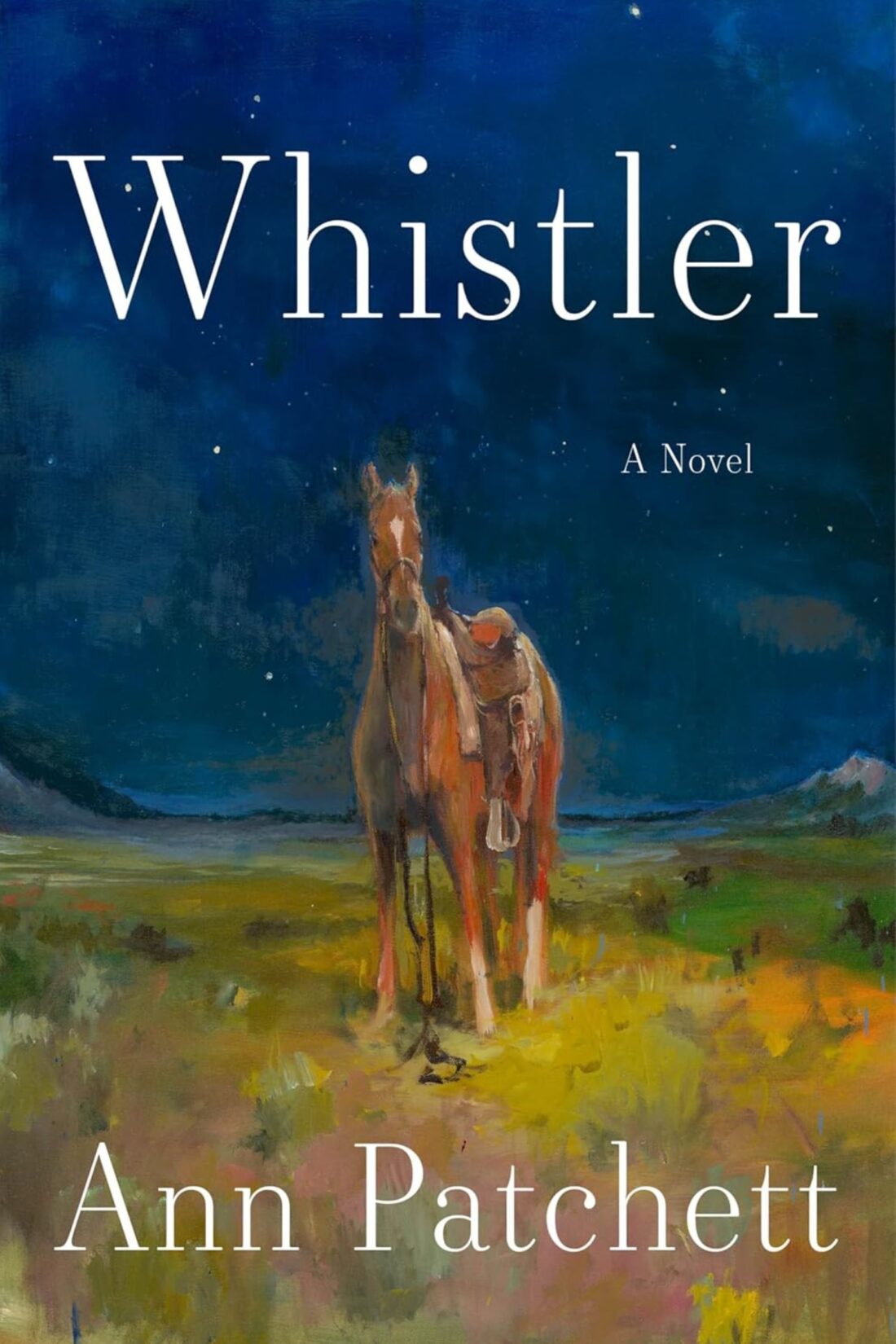
Whistler by Ann Patchett Review
Summary
Whistler is a beautifully written literary novel that explores memory, family, grief, and forgiveness through the unexpected reunion of a woman and her long-lost stepfather. Ann Patchett delivers a moving and emotionally resonant story filled with nuanced characters, thoughtful themes, and elegant prose. While the novel unfolds at a gentle pace, its emotional depth and heartfelt exploration of human relationships make it a rewarding read.