

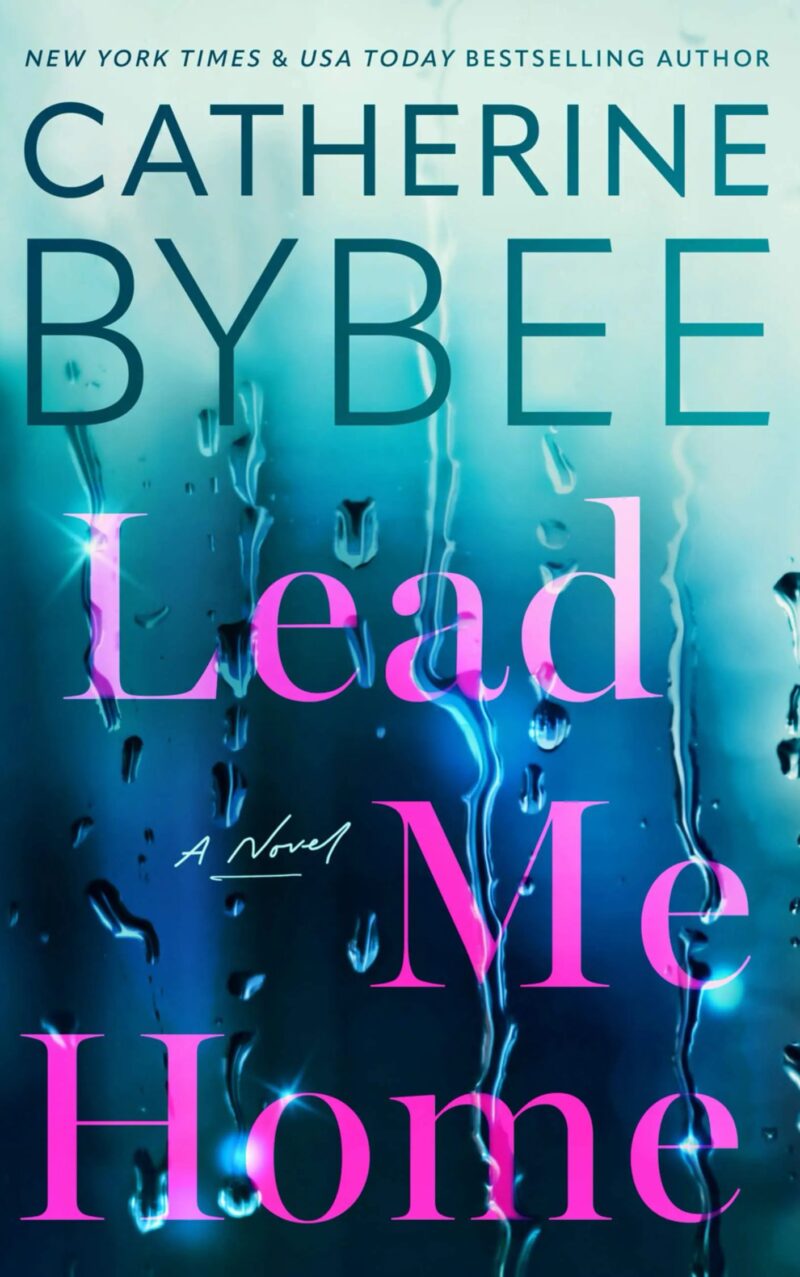
Catherine Bybee returns with a story where spreadsheets are safer than people, and falling in love becomes the ultimate risk. In this complete Lead Me Home: by Catherine Bybee (Book Review), we examine how a stolen car in an airport parking lot sets off a complex romantic suspense novel. Published on June 9, 2026, by Montlake, this 351-page book kicks off the Queen Anne Hill series. It blends forensic accounting, white-collar crime, and deep family trauma into a slow-burn romance.
Readers looking for the latest book and novel news coverage will find that Bybee takes a grounded approach to romantic suspense. The story uses a dual point-of-view narrative structure. This allows readers to see the unfolding mystery and the developing relationship through the eyes of both main characters. The pacing requires patience, much like the suspense found in It Could Have Been Her: By Lisa Jewell, as the protagonists navigate their personal baggage before they can fully trust each other.
The inciting incident is deceptively simple. Luna Canning returns from a trip to find her car stolen from the airport. This event forces her to cross paths with Nate Warren, a former FBI agent who now works as a private investigator. Their initial meeting sparks a connection that quickly moves from a professional alliance to a deep personal bond. This transition sets the stage for the larger conflicts they must face together.
The white-collar fraud case in Lead Me Home: by Catherine Bybee (Book Review)
Luna is a forensic accountant. She spends her days tracking hidden assets and uncovering financial discrepancies. Nate brings his investigative experience from the FBI to the table. Together, they begin working on a complex white-collar fraud case. The combination of her financial expertise and his tactical background creates a highly competent partnership.
Many romantic suspense novels rely on violent crimes or serial killers to drive the plot. Bybee chooses a different path by focusing on financial crimes. This choice grounds the story in a realistic setting where the stakes are high but the danger is often hidden behind corporate doors. The investigation requires them to follow paper trails and decode financial statements.
Their professional collaboration forces them to spend long hours together. They must establish ironclad rules about mixing business with pleasure. However, their chemistry ignites as they dig deeper into the fraud. The pursuit of justice in this novel mirrors the dedication seen in All the Missing Pieces: By Catherine Cowles, highlighting the importance of seeking the truth to prevent future tragedies. The financial investigation serves as the engine that drives their relationship forward.
As they uncover more evidence, the danger escalates. The people behind the fraud realize that Luna and Nate are closing in. This external threat forces the couple to rely on each other for safety. The tension between their growing romantic feelings and the need to stay focused on the case provides a strong narrative pull. The transition from colleagues to partners happens naturally, built on mutual respect and shared competence.
Character dynamics and family trauma
The emotional core of the novel revolves around family dynamics. Luna deals with a highly toxic and manipulative mother named Karen. Karen’s constant interference and emotional abuse have left Luna with deep scars. This family breakdown forces Luna to build her own support system. Readers who appreciate stories about navigating difficult family relationships, similar to the themes in Lost Lambs: By Madeline Cash, will find Luna’s struggle highly relatable.
Luna does not face this trauma alone. She relies heavily on her found family and supportive siblings. Her roommate and best friend, Miley, provides a safe space and unconditional support. Her married sister, Harper, offers a different perspective on surviving their mother’s manipulation. Her brother, Ash, is a protective police officer who constantly watches out for his sisters. These secondary characters add depth to the story and show how different people cope with the same toxic upbringing.
Nate also carries his own baggage from his time in the FBI. He understands the toll that high-stress situations take on a person. His background makes him naturally protective of Luna, fitting perfectly into the protective hero trope. He recognizes the damage Karen inflicts and helps Luna establish healthy boundaries. The healing process is a major theme, echoing the emotional journeys found in Seven Perfect Things By Catherine Ryan Hyde, where characters must find the courage to move past abusive relationships.
The dual POV structure is essential for understanding these character dynamics. Bybee allows the reader to hear Nate’s internal thoughts as he watches Luna deal with her mother. We also hear Luna’s internal monologue as she learns to trust Nate’s protective instincts. This narrative choice, much like the dual perspectives used in Look in the Mirror: By Catherine Steadman, builds tension and allows for a deeper emotional connection with the protagonists. The shifting viewpoints keep the pacing steady as the characters navigate their personal hurdles.
A Victorian house with a paranormal twist
Setting plays a crucial role in the atmosphere of the book. Luna lives in a Victorian home that she inherited from her grandmother. The house is full of character, featuring leaky roofs, drafty hallways, and a cranky cat that rules the premises. Returning to an old, inherited property often brings up unresolved past issues, a trope effectively used in You Belong Here: By Megan Miranda.
The Victorian house is not just a backdrop. It actively contributes to the mood of the story. Luna frequently experiences strange occurrences that suggest the house might be haunted. These potential ghost sightings add a slight paranormal vibe to the otherwise grounded romantic suspense plot. The creaking floorboards and unexplained drafts create a sense of unease that mirrors the tension of the fraud investigation.
While many readers notice the ghostly elements, the exact mechanics of how these paranormal hints affect the main plot remain subtle. The house serves as a sanctuary for Luna, but it also isolates her. The physical repairs needed for the leaky roof parallel the emotional repairs Luna must make in her own life. The setting reinforces the theme of rebuilding and restoring what is broken.
Nate’s presence in the house changes its dynamic. He helps with the physical repairs and provides a sense of security against both the external threats of the fraud case and the internal anxieties caused by the spooky atmosphere. The house becomes a central hub for their relationship to develop away from the prying eyes of her mother and the dangers of their investigation. This focus on a specific, atmospheric location is reminiscent of the isolated settings found in The Lake of Lost Girls: By Katherine Greene, where the environment itself holds secrets.
Tropes and romantic suspense elements
Bybee expertly weaves several popular romance tropes into the narrative. The slow-burn romance is the most prominent. Luna and Nate do not rush into a physical relationship. They spend time building trust, learning about each other’s pasts, and establishing a solid friendship first. This slow build makes their eventual romantic connection feel earned and realistic.
The protective hero trope is also central to Nate’s character. As a former FBI agent, he is trained to assess threats and neutralize them. When Luna’s safety is compromised by the financial criminals they are investigating, Nate steps up to shield her. However, Bybee avoids making Luna a helpless damsel. Luna’s intelligence as a forensic accountant makes her an equal partner in solving the case. Nate protects her physical safety, while she unravels the financial puzzle.
Healing romance and found family are the emotional pillars of the book. Luna’s journey involves recovering from the emotional damage inflicted by her mother, Karen. The support she receives from Miley, Harper, Ash, and eventually Nate, demonstrates that family is not always defined by blood. The characters must navigate the emotional toll of choices made under duress, a theme explored deeply in Homeseeking: By Karissa Chen. The romance is as much about finding a safe place to heal as it is about physical attraction.
The blend of these tropes creates a well-rounded reading experience. Fans of romantic suspense will appreciate the balance between the external plot (the fraud case) and the internal plot (the emotional healing). The pacing allows both storylines to develop simultaneously without one overshadowing the other. The tension from the investigation fuels the need for comfort, driving the characters closer together.
Audiobook review and narration quality
For readers who prefer listening, the audiobook version of the novel offers a fantastic experience. Published by Brilliance Audio, the recording runs for 9 hours and 37 minutes. The production quality is high, with clear audio and excellent pacing that matches the slow-burn nature of the story.
The audiobook utilizes two narrators to handle the dual POV structure. Laura Jennings provides the voice for Luna’s chapters. She captures Luna’s intelligence and her underlying vulnerability perfectly. Jennings manages to convey the frustration Luna feels toward her mother, Karen, while also highlighting the warmth she shares with her siblings and her best friend, Miley. Her performance makes Luna’s emotional journey highly engaging.
Alex Knox narrates Nate’s perspective. Knox brings a grounded, authoritative tone to the former FBI agent. His voice work emphasizes Nate’s protective instincts and his analytical mind. When Nate and Luna interact, Knox effectively portrays the growing affection and respect Nate has for her. The contrast between Jennings’ and Knox’s vocal styles helps distinguish the two perspectives clearly, making it easy for the listener to follow the shifting narrative.
Listening to the story adds an extra layer of tension during the suspenseful scenes. The narrators excel at building the atmosphere, especially during the scenes set in the drafty Victorian house. The audio format enhances the slight paranormal vibe, making the creaks and groans of the old house feel more immediate. Fans of audiobooks will find this production to be a strong addition to their library.
The author’s note and final takeaways for Lead Me Home: by Catherine Bybee (Book Review)
One of the most impactful parts of the book actually comes after the story ends. Catherine Bybee includes an inspiring author’s note that provides context for the emotional weight of the novel. Many reviews overlook this section, but it offers valuable insight into why Bybee chose to tackle themes of toxic family dynamics and emotional healing.
The note connects the fictional struggles of Luna and Nate to real-world issues of trauma and recovery. It shows Bybee’s dedication to writing characters who survive difficult circumstances and come out stronger on the other side. This personal touch elevates the book from a standard romantic suspense novel to a more meaningful exploration of resilience. Readers who appreciate author insights, often highlighted by reviewers like Hardik Dhamija, will find this note particularly moving.
The start of the Queen Anne Hill series sets a high bar for the books that will follow. By establishing a strong supporting cast in Miley, Harper, and Ash, Bybee has created a world ripe for future installments. The blend of forensic accounting, a spooky Victorian setting, and a slow-burn romance offers something different for fans of the genre. The focus on financial crimes rather than violent murders provides a refreshing change of pace.
If you are looking for a story that balances a complex mystery with deep emotional healing, this book delivers. The partnership between a forensic accountant and a private investigator creates a unique dynamic that drives the plot forward. Our Lead Me Home: by Catherine Bybee (Book Review) concludes that the novel succeeds because it treats its characters’ emotional scars with the same seriousness as its central crime plot. You will walk away invested in Luna and Nate’s future, and eager to see who takes the spotlight in the next Queen Anne Hill novel.
Review Overview
Summary
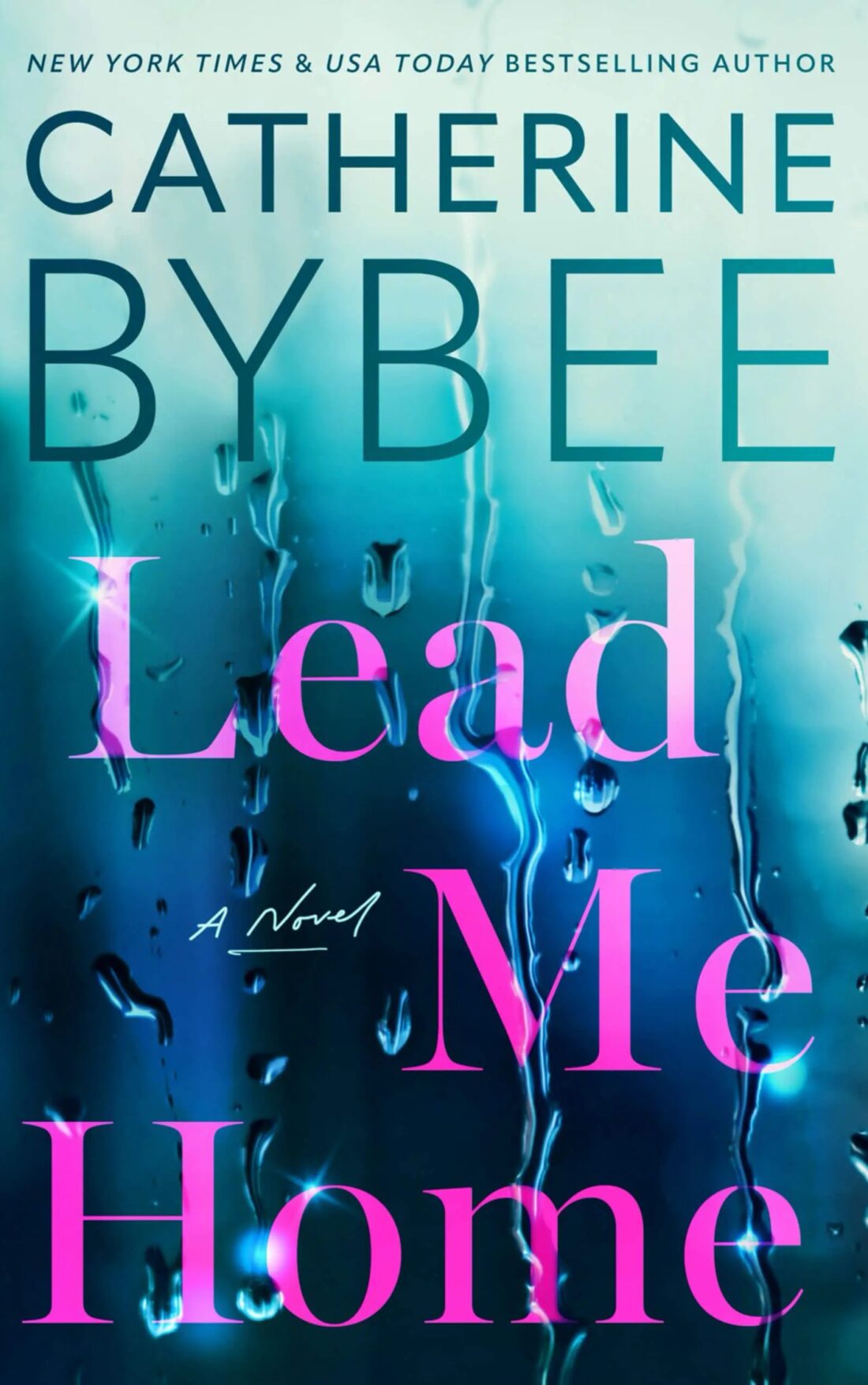
Lead Me Home is a compelling romantic suspense novel that combines forensic accounting, financial crime, emotional healing, and a slow-burn romance. Catherine Bybee delivers engaging characters, a unique mystery, and heartfelt family dynamics while balancing suspense with meaningful character development. The Victorian house setting and subtle paranormal atmosphere add extra charm to an already immersive story.




























Leave a comment