
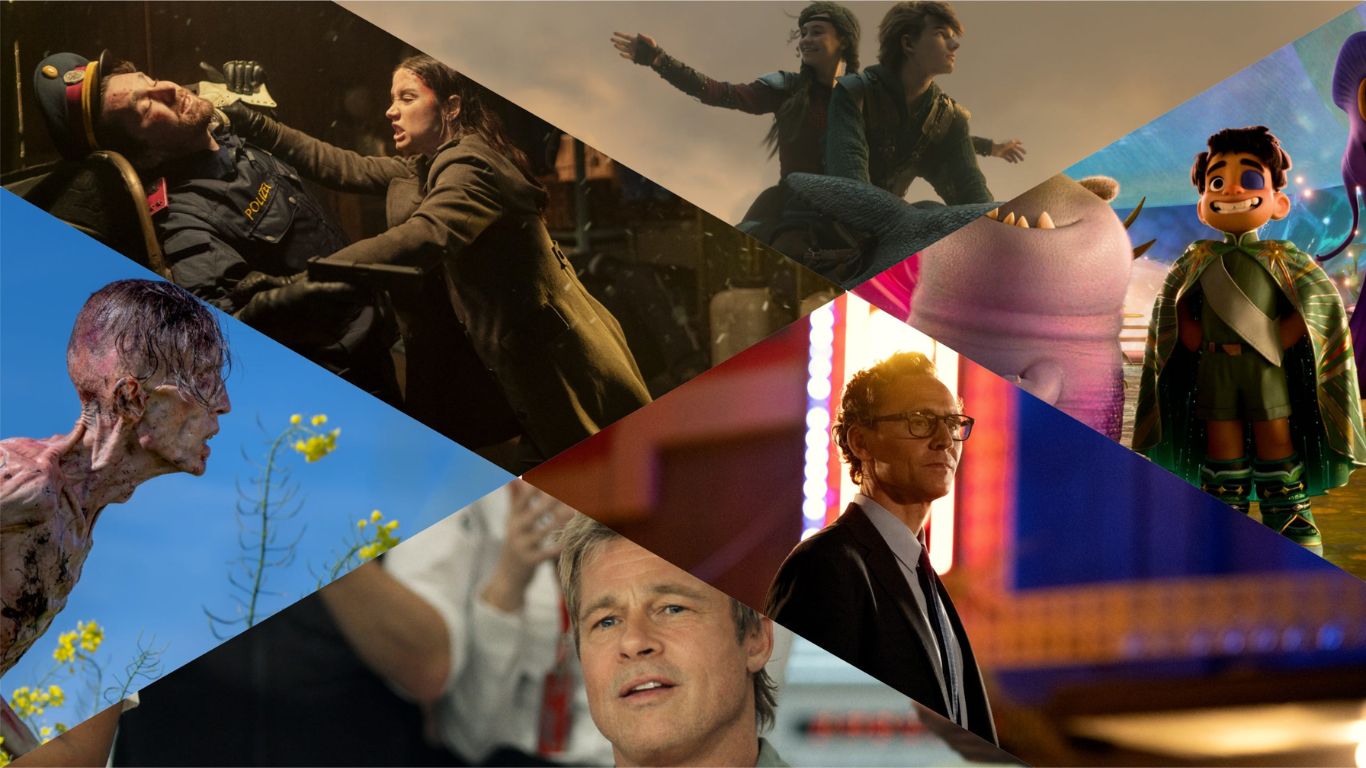
A film genre is a stylistic or thematic category for motion pictures based on similarities in narrative elements, aesthetic approach, or the emotional response it creates. When you explore a different genre of movies, you are looking at how filmmakers group stories to manage audience expectations and market their projects effectively.
Many viewers confuse a film genre with a film style. A style refers to how a movie is shot, such as using handheld cameras or black-and-white film, while a genre dictates the actual content and narrative structure. Film theorist Alan Williams distinguishes three main genre categories: narrative, avant-garde, and documentary. Most commercial cinema falls into the narrative category, which then splits into the specific types of stories audiences pay to see. Understanding these categories helps you navigate the vast landscape of cinema and find exactly what you want to watch next.
The major movie genres and their sub-genres
The film industry relies on established categories to organize productions. These broad classifications break down into highly specific sub-genres that cater to niche audiences. You can see this variety when looking at the 15 types of movies that are common in modern theaters.
Action and its high-octane sub-genres
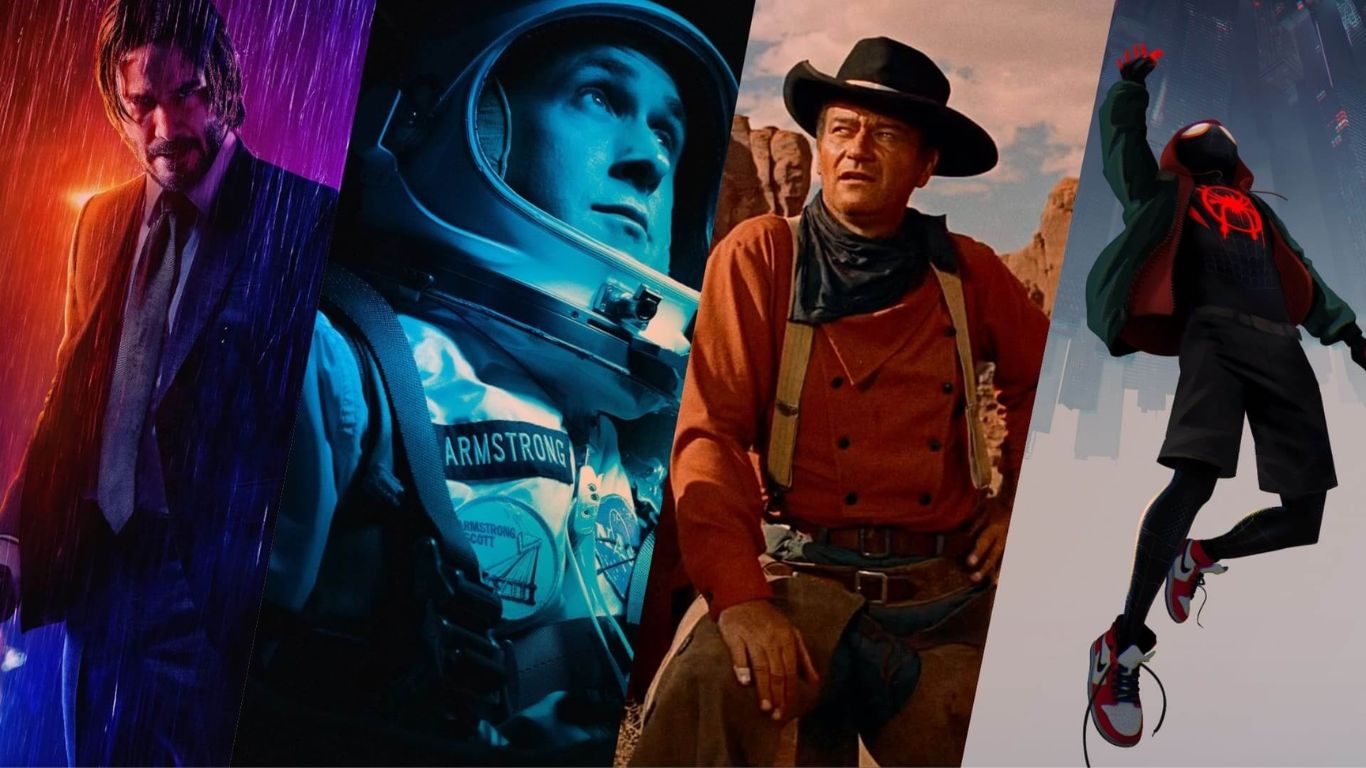
Action films prioritize physical stunts, chases, rescues, and battles over deep character development. The core appeal is adrenaline. Within this category, you will find sub-genres like Military Action, Blaxploitation, Buddy cop, Car chase, and Conspiracy thrillers. One highly specific sub-genre is Heroic Bloodshed, popularized by Hong Kong cinema, which focuses on stylized gunplay and themes of brotherhood. Another distinct category is the Die Hard movie, where a lone hero fights terrorists in an isolated location. Modern action cinema often relies on precise choreography, as seen in the John Wick franchise, which redefined close-quarters combat on screen. These films often overlap with other categories, which you can explore in our list of the top 10 best movie genres.
Comedy branches and audience appeal
Comedy aims to make the audience laugh through exaggeration, timing, and absurd situations. Branches of comedy include slapstick comedies, romantic comedies (rom-coms), action comedies, dark comedies, buddy movies, and parodies. Slapstick relies on physical humor, while dark comedies find humor in taboo subjects. Recent massive hits like Barbie show how comedies can blend social commentary with bright, accessible humor to dominate the box office. Comedies often share narrative DNA with other formats, much like the overlap seen when comparing literary fiction and genre fiction.
Drama and emotional storytelling
Drama films focus on realistic characters dealing with emotional themes, societal issues, or intense personal conflicts. Unlike action or comedy, dramas rely heavily on dialogue and character development. Sub-genres include legal dramas, historical dramas, and melodramas. These films often explore the human condition, tackling subjects like addiction, poverty, or family strife. The emotional weight of these stories is a major factor in what drives the popularity of mass entertainment movies.
Horror and the mechanics of fear
Horror movies exist to elicit fear, disgust, and terror. Filmmakers use jump scares, unsettling atmospheres, and psychological tension to keep viewers on edge. Sub-genres include slasher films, supernatural horror, body horror, and found footage. Slasher films typically feature a masked killer hunting teenagers, while supernatural horror deals with ghosts and demons. For viewers who prefer tension over gore, the psychological thriller movie offers a similar sense of dread by focusing on mental instability and paranoia.
Science fiction and fantasy
Science fiction explores speculative concepts like futuristic technology, space exploration, time travel, and extraterrestrial life. If you want to know which was the first movie ever made in the science fiction genre, historians point to Georges Melies and his 1902 film A Trip to the Moon. Today, the genre includes massive blockbusters. You can find excellent examples in our guide to the best science fiction movies. Fantasy, on the other hand, relies on magic, mythical creatures, and imaginary worlds. Understanding the boundary between these two is easier when exploring the key differences between science fiction and fantasy. Both genres frequently draw on ancient stories, as seen in movies based on mythology.
Westerns and the American frontier
The Western is one of the oldest film genres, focusing on the American Old West. These films typically feature cowboys, outlaws, and sheriffs navigating a lawless frontier. Sub-genres include the Epic Western and the Spaghetti Western. Clint Eastwood became a global icon through Spaghetti Westerns like A Fistful of Dollars, which were produced by Italian studios and featured morally ambiguous protagonists. While traditional Westerns are less common today, their themes of justice and isolation continue to influence modern cinema. This influence is a perfect example of how categories shift and merge over decades.
How movie genres evolve over time
Genres are not static. They evolve constantly as filmmakers subvert expectations and audiences demand new experiences. A genre that starts with strict rules will eventually face parody, deconstruction, and revival. For example, early spy films were straightforward tales of espionage. Over the decades, they transformed significantly. You can track this shift by looking at the evolution of spy movies from James Bond to Jason Bourne, where the focus moved from gadgets and glamour to gritty realism and physical combat.
Evolution also happens when filmmakers apply the tone of one genre to the setting of another. The Dark Knight is technically a superhero movie, but its structure and pacing mirror a Michael Mann crime thriller. This cross-pollination keeps older formats feeling fresh. As audiences become familiar with tropes, directors must twist those conventions to maintain suspense and engagement. This constant need for innovation drives studios to experiment with hybrid formats.
The business of genre mixing
Screenwriters and studios love mixing genres to attract as many viewers as possible and increase box office revenue. A pure horror film might only attract horror fans, but a horror-comedy can draw in two distinct demographics. This strategy is essential for maximizing profits in an industry where production costs frequently exceed hundreds of millions of dollars.
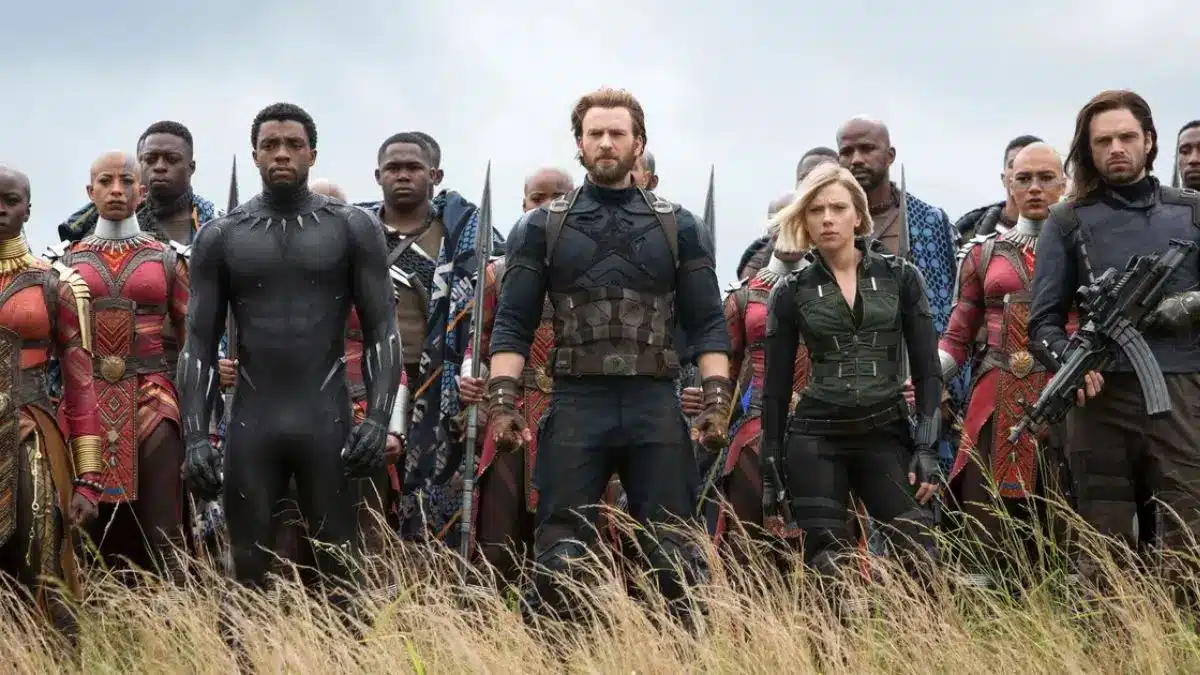
Genre mixing also helps build sustainable brands. Many of the top ten movie franchises rely on blending action, comedy, and science fiction to maintain broad appeal across multiple sequels. However, different studios handle this blending differently. If you look at why Marvel and DC films look so different, you will see that Marvel often leans into action-comedy hybrids, while DC has historically favored darker, drama-heavy action hybrids. The financial success of these hybrid models ensures that pure, single-genre blockbusters will remain rare.
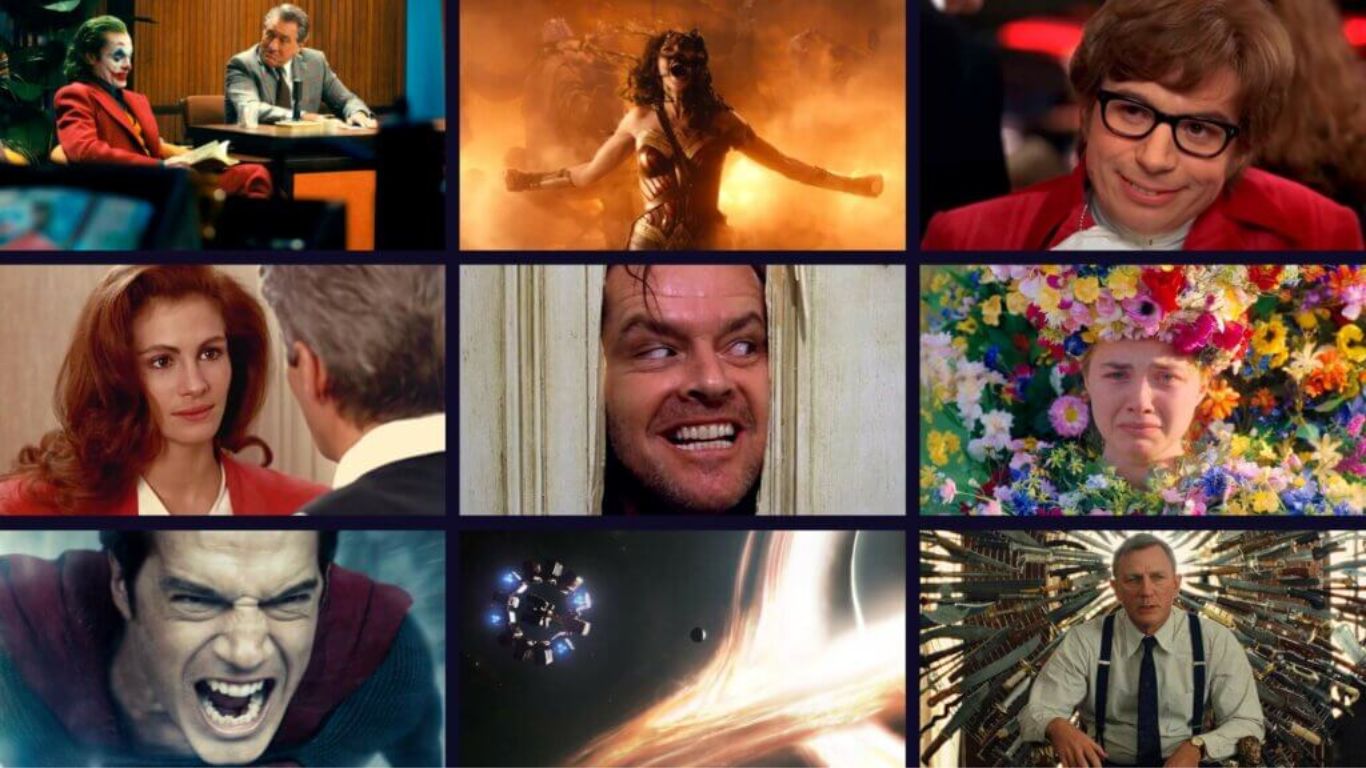
Frequently asked questions
What is the most popular movie genre? Action and adventure films consistently generate the highest global box office revenue, largely due to their visual nature which translates easily across different languages and cultures.
Can a movie belong to more than two genres? Yes. Many modern films blend three or more categories. A film like Everything Everywhere All at Once operates as a science fiction film, a family drama, a martial arts action movie, and an absurd comedy simultaneously.
Why do some genres disappear? Genres fade when they no longer reflect the cultural anxieties or interests of the audience. However, they rarely disappear entirely. They usually go dormant for a few years before a visionary director revives them with a modern twist.
Understanding every different genre of movies gives you a deeper appreciation for how stories are constructed and sold. Whether a studio is producing a rigid slasher film or a sprawling sci-fi comedy hybrid, they are using established frameworks to connect with you. The next time you sit down in a theater, pay attention to the specific tropes on screen. You will quickly see how filmmakers use these historical categories to manipulate your expectations and deliver a satisfying experience.





















Leave a comment