Novels like The Things We Never Say move almost invisibly — sentence by sentence, silence by silence — until suddenly you realize the book has crawled under your skin. Elizabeth Strout has built her literary reputation on understanding the hidden emotional lives of ordinary people, and this novel may be one of her most intimate works yet.
At first glance, the story appears deceptively simple. Artie Dam is a respected high school history teacher in coastal Massachusetts. He has a wife, grown children, colleagues who admire him, and a life that looks stable from the outside. But beneath that carefully arranged surface sits a man overwhelmed by isolation, regret, grief, and the terrifying realization that he no longer understands the people closest to him — or even himself.
What follows is not a conventional plot-driven novel. Instead, Strout builds an emotional excavation of a human being quietly unraveling.
A Story About the Things People Hide
The title The Things We Never Say perfectly captures the novel’s emotional core. Nearly every character in the book is carrying something unspoken — fears, resentment, shame, loneliness, buried memories, or private despair. Strout explores how entire lives can be shaped by conversations that never happened and truths that stayed trapped inside people for decades.
Artie himself becomes the embodiment of this silence. He spends his days helping students navigate adolescence while privately struggling with emotional exhaustion and a creeping sense of hopelessness. Strout never turns him into a melodramatic figure. That restraint is exactly what makes the novel hit so hard. His pain feels frighteningly believable because it arrives in quiet moments: awkward conversations, lingering memories, unfinished thoughts, and emotional distance inside long relationships.
The book constantly asks a difficult question: how well do we really know the people we love?

Elizabeth Strout’s Greatest Strength: Human Observation
Few contemporary writers capture ordinary human behavior the way Elizabeth Strout does. She notices tiny emotional shifts most novels ignore — the hesitation before someone answers a question, the guilt hidden inside a joke, the strange loneliness that can exist inside marriage.
Her prose remains remarkably restrained throughout the novel. She does not overexplain emotions or drown scenes in heavy symbolism. Instead, she trusts readers to sit with uncomfortable silences. That subtlety gives the novel enormous emotional weight.
Strout’s writing often feels less like reading fiction and more like overhearing real people think.
Even side characters feel deeply lived-in. Students, neighbors, family members, and casual acquaintances all carry emotional histories that briefly surface before disappearing again. The novel creates the feeling that every person in the world is silently fighting a battle nobody else fully sees.
Artie Dam Is One of Strout’s Most Tragic Characters
Artie is not tragic in a grand literary sense. He is tragic in a painfully modern sense.
He is kind. Functional. Respected. Helpful. And deeply unhappy.
That contradiction becomes the emotional engine of the book. Strout examines what happens when someone spends decades performing stability while internally collapsing. The novel also explores male vulnerability in a way fiction rarely does — especially middle-aged male loneliness and emotional repression.
Artie’s relationship with his son Rob becomes one of the novel’s most affecting elements. Their conversations carry emotional honesty that contrasts sharply with the guardedness present elsewhere in the story. Through them, Strout explores generational trauma, emotional inheritance, and the terrifying possibility that despair can pass silently from parent to child.
There is a tenderness in these sections that feels almost unbearable.
The Political Atmosphere Lingers in the Background
One of the novel’s more interesting dimensions is how subtly it reflects modern American anxiety. The story unfolds against the backdrop of political division, social exhaustion, and cultural instability. Strout never allows politics to dominate the narrative, but it hangs over the characters like distant thunder.
The atmosphere of uncertainty amplifies Artie’s emotional state. The world around him feels fractured, and so does he.
What makes this effective is that Strout avoids turning the novel into commentary. Instead, politics becomes part of the emotional climate — another source of exhaustion people carry while trying to survive ordinary life.
A Novel Filled With Sadness — But Also Compassion
Despite its heavy themes, The Things We Never Say is not emotionally cruel. In fact, the novel’s greatest achievement may be its compassion.
Strout writes damaged people without mocking them or simplifying them. Even when characters fail one another, the novel tries to understand why. There are moments of kindness scattered throughout the story that feel almost redemptive precisely because they are so small.
A teacher encouraging a student.
A father listening carefully.
A stranger showing unexpected grace.
These moments matter because Strout understands that human connection is often fragile, awkward, and incomplete — yet still essential.
The Pacing Won’t Work for Everyone
Readers expecting a fast-moving narrative may struggle with this book. The plot unfolds gradually, and much of the tension is emotional rather than external. There are no explosive revelations designed purely for shock value.
Instead, the novel relies on atmosphere, internal conflict, and emotional accumulation.
For some readers, that slow pace will feel immersive and deeply rewarding. Others may find it too quiet. But fans of literary fiction that prioritizes psychology over plot will likely find themselves completely absorbed.
Final Verdict
The Things We Never Say is a deeply reflective novel about loneliness, emotional secrecy, grief, and the desperate human need to be understood. Elizabeth Strout once again proves she is one of the finest observers of ordinary life writing today.
This is not a flashy novel. It does not demand attention through spectacle. Instead, it works slowly and patiently, uncovering the fragile emotional architecture hidden inside everyday lives.
By the final pages, the book leaves behind a lingering ache — not because of dramatic tragedy, but because it feels so emotionally true.
For readers who appreciate introspective literary fiction driven by character, silence, and emotional realism, The Things We Never Say is unforgettable.
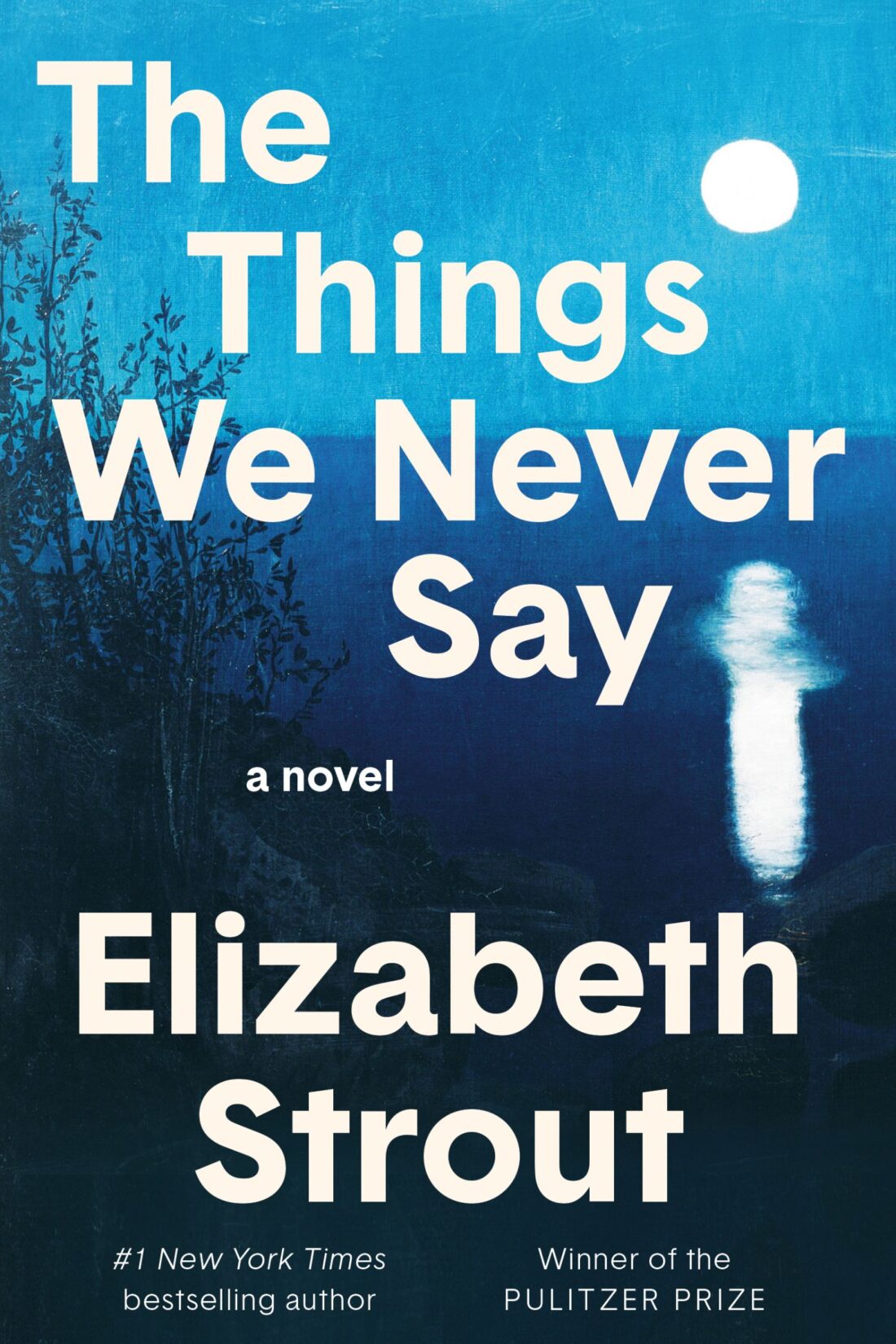
The Things We Never Say - Review
Summary
Elizabeth Strout delivers a quietly powerful and emotionally layered novel with The Things We Never Say. Through the life of Artie Dam, the book explores loneliness, emotional repression, grief, and the silence that often exists inside families and relationships. Strout’s subtle prose and deeply human observations create a story that feels intimate, heartbreaking, and profoundly real. While the pacing is deliberately slow, the emotional payoff is deeply rewarding for readers who appreciate thoughtful literary fiction.