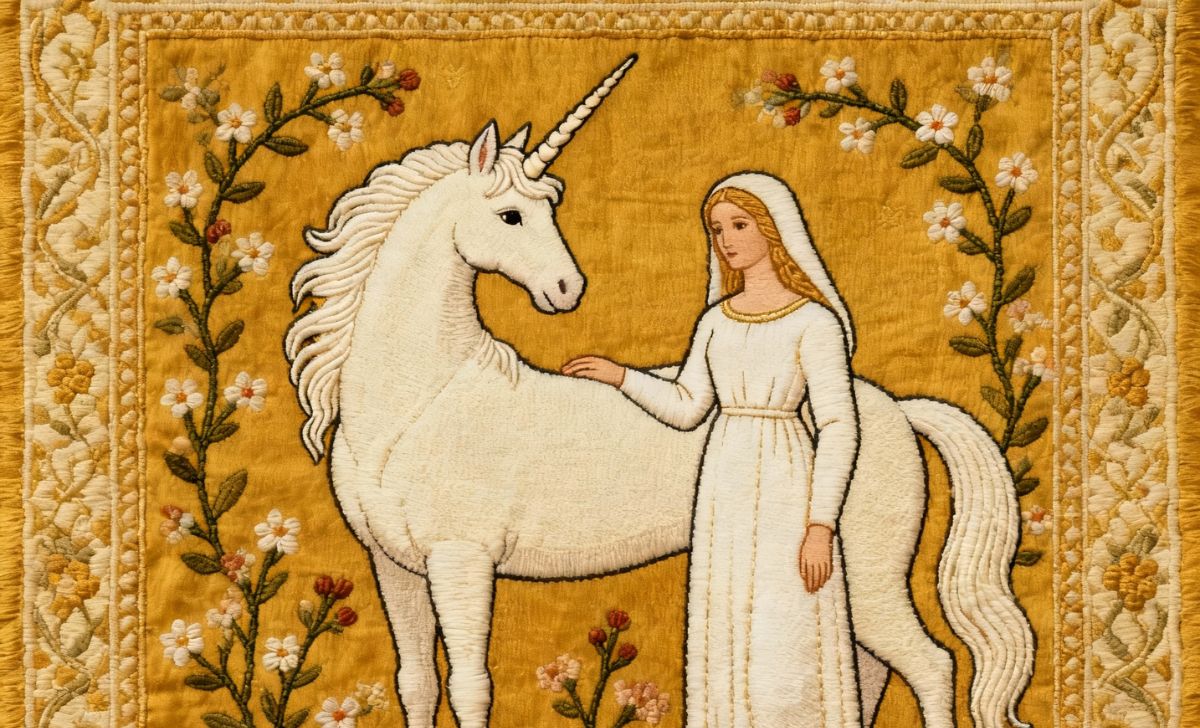
The unicorn, a mythical creature often depicted as a majestic white horse with a spiraling horn, has woven itself deeply into human imagination and culture across millennia. Its origins stretch far back into ancient civilizations, evolving with layers of meaning, symbolism, and cultural adaptations that continue to captivate us today. This blog explores the origins of the unicorn myth from its earliest representations in ancient times to its enduring presence in modern culture.
Ancient Beginnings: Early Representations
The earliest known depictions and references to unicorn-like creatures date back nearly 5,000 years to the Indus Valley Civilization (around 3300 to 1300 BCE) in South Asia. Archaeologists have uncovered multiple seals portraying an animal resembling a unicorn—often a single-horned, bull-like creature. This early image forms part of the myth’s deep roots in human culture and iconography across ancient Mesopotamia, Egypt, and South Asia.
The first written accounts of a unicorn-like animal originate with Greek historian and physician Ctesias around 400 BCE. Although he never traveled to India himself, Ctesias compiled travelers’ stories about India’s wilderness, describing a fierce, horse-sized wild ass with a single horn, white body, red head, and blue eyes. He described the horn as multicolored and about one and a half feet long. While likely based on sightings of multiple animals such as the Indian rhinoceros and antelopes, his accounts mark the first significant record of the unicorn myth in Western literature.
Other ancient Greek and Roman writers like Aristotle and Pliny the Elder later referenced similar creatures. Aristotle noted an Indian wild ass with a single horn, while Pliny described a fearsome “monocerous” or one-horned animal with the body of a horse, feet of an elephant, and tail of a boar. Pliny’s detailed description helped solidify the unicorn’s mythical image as elusive, powerful, and untamable; a creature capable of swift movement and rumored healing powers attributed to its horn.

The Unicorn in Religious and Medieval Symbolism
The unicorn gradually gained new layers of symbolic meaning, especially in religious contexts during the Middle Ages. Biblical translations played a key role in popularizing the unicorn myth. The Hebrew word “re’em,” likely denoting a wild ox, was mistranslated into the Greek “monokeros” meaning “one horn,” which later became “unicornus” in Latin versions and “unicorn” in English Bibles. From this linguistic transformation, the unicorn came to be associated with purity, innocence, and even Christ himself as a symbol of virginity and divine power.
Medieval bestiaries and art imbued the unicorn with allegorical significance. It was depicted as a beautiful, pure creature that could only be captured by a virgin maiden, reflecting themes of chastity and virtue. The unicorn horn was believed to have magical properties such as purifying poisoned water and curing disease. These beliefs made the unicorn a popular figure in medieval tapestries and religious art, with one famous example being the “Unicorn Tapestries” housed at the Metropolitan Museum of Art’s Cloisters in New York City.
Mythical Evolution and Cultural Spread
During the Renaissance, the unicorn continued to be a subject of fascination, depicted in art and royal emblems such as the Scottish Royal Coat of Arms, where it symbolizes strength, purity, and honor. Its portrayal became more standardized as a graceful, horse-like animal with a long spiraling horn.
As exploration and trade spread knowledge of exotic fauna, naturalists attempted to reconcile myths with reality. Some scholars hypothesized origins for the unicorn myth in animals like the Indian rhinoceros or narwhal, whose single horn could have inspired tales passed through storytelling and trade. The narwhal’s long, spiraled tusk traded as “unicorn horns” in medieval Europe further fueled fantastical beliefs about unicorns and their powers.

Modern Adaptations and Cultural Impact
In modern times, the unicorn myth has undergone a remarkable transformation from a mysterious and revered beast to a beloved figure of fantasy and popular culture. Literature, film, and media have embraced the unicorn’s magical qualities with stories that emphasize wonder, individuality, and freedom.
Peter S. Beagle’s novel The Last Unicorn and its Disney film adaptation rekindled cultural fascination with unicorns as gentle and mystical creatures. Unicorns have since become widely popular in children’s books, cartoons, toys, and fashion, often depicted as colorful, whimsical creatures evoking innocence and creativity.
Beyond entertainment, the unicorn symbol has taken on new meanings in contemporary culture. It now represents uniqueness, self-expression, and the pursuit of dreams—themes resonating strongly in today’s diverse and inclusive cultural landscape. Social media trends celebrate unicorn imagery as a badge of embracing one’s differences and standing out. Meanwhile, the term “unicorn” has even entered business slang, describing start-ups valued at over a billion dollars, symbolizing something rare and extraordinary.