There are some books that entertain you for a weekend, and then there are books that quietly follow you around afterward. The Midnight Train belongs firmly in the second category. Matt Haig has always had a gift for wrapping heavy existential questions inside accessible, emotionally warm storytelling, but this novel feels even more personal than usual. It reads like a conversation with regret itself — tender, painful, hopeful, and deeply human.
Set in the same spiritual universe as The Midnight Library, the novel follows Wilbur Budd, an elderly bookseller who dies lonely and full of unresolved memories. Instead of simply moving on, he finds himself aboard the mysterious Midnight Train, a surreal passage through the defining moments of his life. What begins as reflection slowly becomes something more dangerous: the temptation to rewrite the past.
A Story About Regret Without Becoming Miserable
One of the hardest things for a novel like this is balancing melancholy with hope. Too much sadness and it becomes emotionally exhausting. Too much optimism and the emotional stakes disappear. Haig somehow manages to sit right in the uncomfortable middle.
Wilbur is not presented as a tragic saint. He is flawed in recognizable ways. He made selfish choices. He let ambition pull him away from love. He convinced himself there would always be more time. That honesty is what makes the story land emotionally. Readers are not just watching a fictional old man revisit his mistakes — they are quietly measuring their own lives against his.
The novel repeatedly asks a frightening question: What moments would define your life if you had to look back on it forever?
That question hangs over every chapter like fog outside a train window.

The Midnight Train Itself Is a Brilliant Metaphor
Haig has always excelled at high-concept emotional fantasy. The library in The Midnight Library worked because it transformed abstract regret into something physical and explorable. The train here works the same way, but perhaps even more elegantly.
Trains naturally carry emotional symbolism. They move forward whether you’re ready or not. People board them, leave them, miss them. Life itself often feels like a series of departures we barely notice until years later.
The Midnight Train becomes a liminal space between memory and mortality. It is eerie without becoming horror. Magical without becoming childish. The atmosphere feels dreamlike in the best possible way.
Some of the novel’s strongest scenes are simply Wilbur revisiting ordinary moments — conversations, missed opportunities, small acts of kindness — and realizing those moments mattered far more than the milestones he once obsessed over.
That emotional re-prioritization is where the book becomes genuinely powerful.
Matt Haig’s Writing Style Will Either Work Completely for You or Not at All
This is probably the most divisive part of the novel.
Haig writes in a very direct, emotionally transparent style. He is not interested in dense literary ambiguity or elaborate prose gymnastics. Instead, he writes with clarity and sincerity, almost like someone trying to reach readers emotionally before intellectually.
For some readers, that openness will feel comforting and profound. For others, parts of the book may feel overly sentimental or philosophically obvious. Even critics of the novel have acknowledged how quotable and reflective it is.
Personally, I think the simplicity works because the emotional core is honest. The novel never feels like it is trying to sound wise. It feels like it is genuinely wrestling with fear, aging, loneliness, and the desperate human wish to know that our lives mattered.
There are passages here that feel less like fiction and more like thoughts people carry privately but rarely say aloud.
The Love Story Hits Harder Than Expected
At the center of the novel is Maggie, the great love of Wilbur’s life. Their relationship gives the story its heartbeat.
What makes it effective is that Haig avoids idealizing romance into fantasy perfection. Their relationship contains mistakes, selfishness, distance, and emotional timing issues that feel painfully believable. Wilbur’s grief is not just about losing Maggie. It is about understanding too late how much of himself he sacrificed chasing the wrong things.
That emotional realization becomes devastating because it feels so common.
Many books romanticize second chances. The Midnight Train is more interested in the tragedy of realizing what mattered after you already let it slip away.
Fans of The Midnight Library Will Feel Right at Home
The comparisons are unavoidable, and Haig himself has described the books as companions rather than direct sequels.
If you loved The Midnight Library, this book will likely resonate with you immediately. It shares the same fascination with alternate possibilities, emotional healing, and existential reflection. There are even subtle connections and Easter eggs that longtime readers will appreciate.
That said, The Midnight Train feels slightly sadder and more mature. The Midnight Library focused heavily on possibility and self-acceptance. This novel feels more concerned with accountability, memory, and emotional legacy.
It asks not only “What if?” but also “Why did we become who we became?”
That distinction gives this novel its own identity.
Final Thoughts
The Midnight Train is not a fast-paced thriller or a twist-heavy fantasy adventure. It is a reflective, emotionally intimate novel about memory, love, regret, and the frightening speed at which life disappears behind us.
Some readers may find it overly sentimental. Others will absolutely adore it. But even when the novel occasionally leans too heavily into its philosophical observations, its sincerity keeps it grounded.
Matt Haig understands something many writers miss: people are not always searching for answers from books. Sometimes they are searching for recognition. They want a story that understands the quiet panic of getting older, the fear of wasted time, and the hope that maybe life can still mean something despite all our mistakes.
The Midnight Train understands that fear completely.
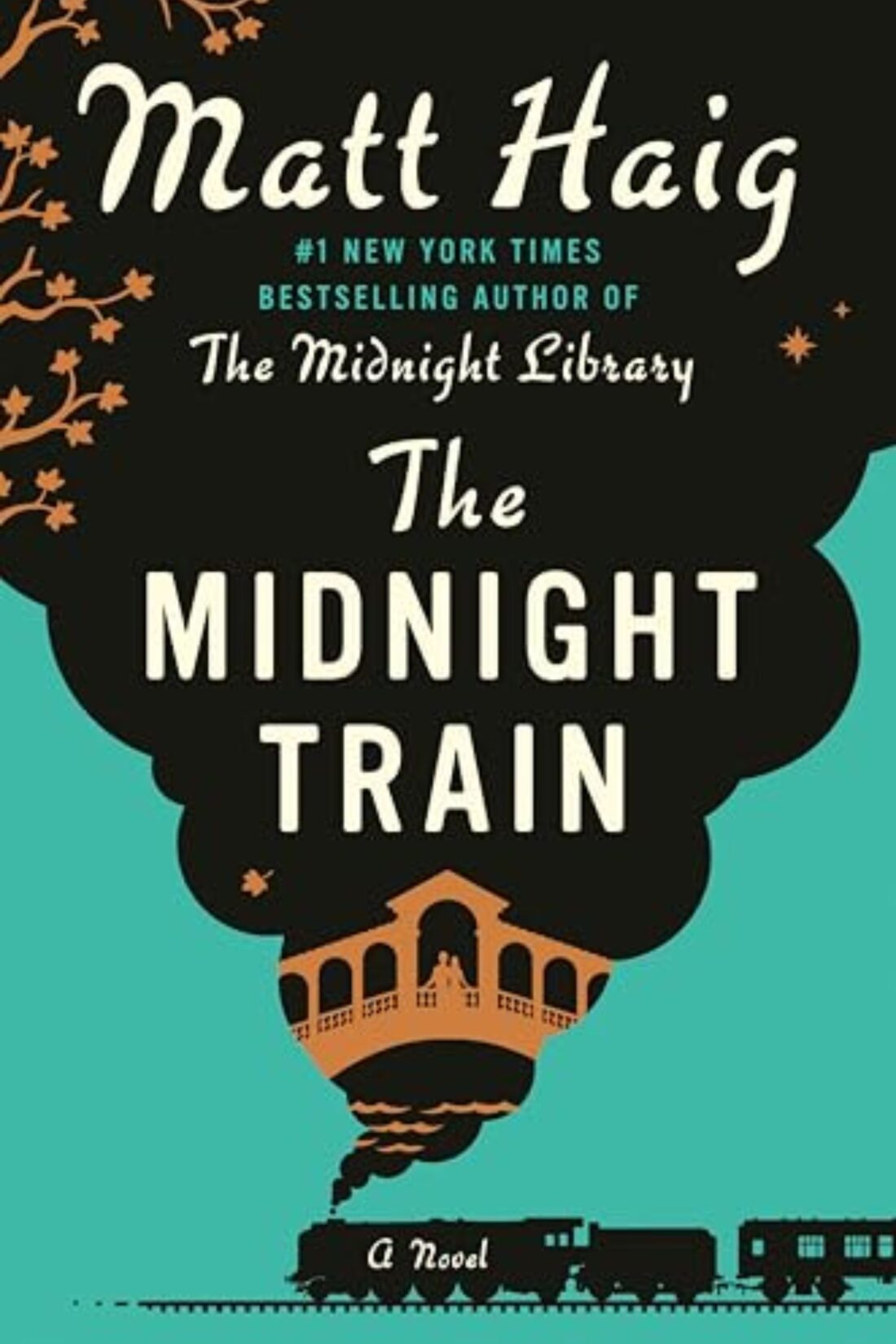
The Midnight Train: Review
Summary
The Midnight Train is a reflective and emotionally charged novel that explores regret, memory, aging, and second chances through Matt Haig’s signature blend of magical realism and heartfelt storytelling. Centered around Wilbur Budd’s surreal journey aboard a mysterious train through the defining moments of his life, the novel balances melancholy with hope while asking deeply personal questions about the choices that shape us. Thoughtful, intimate, and quietly haunting, it is a book that lingers long after the final page.