
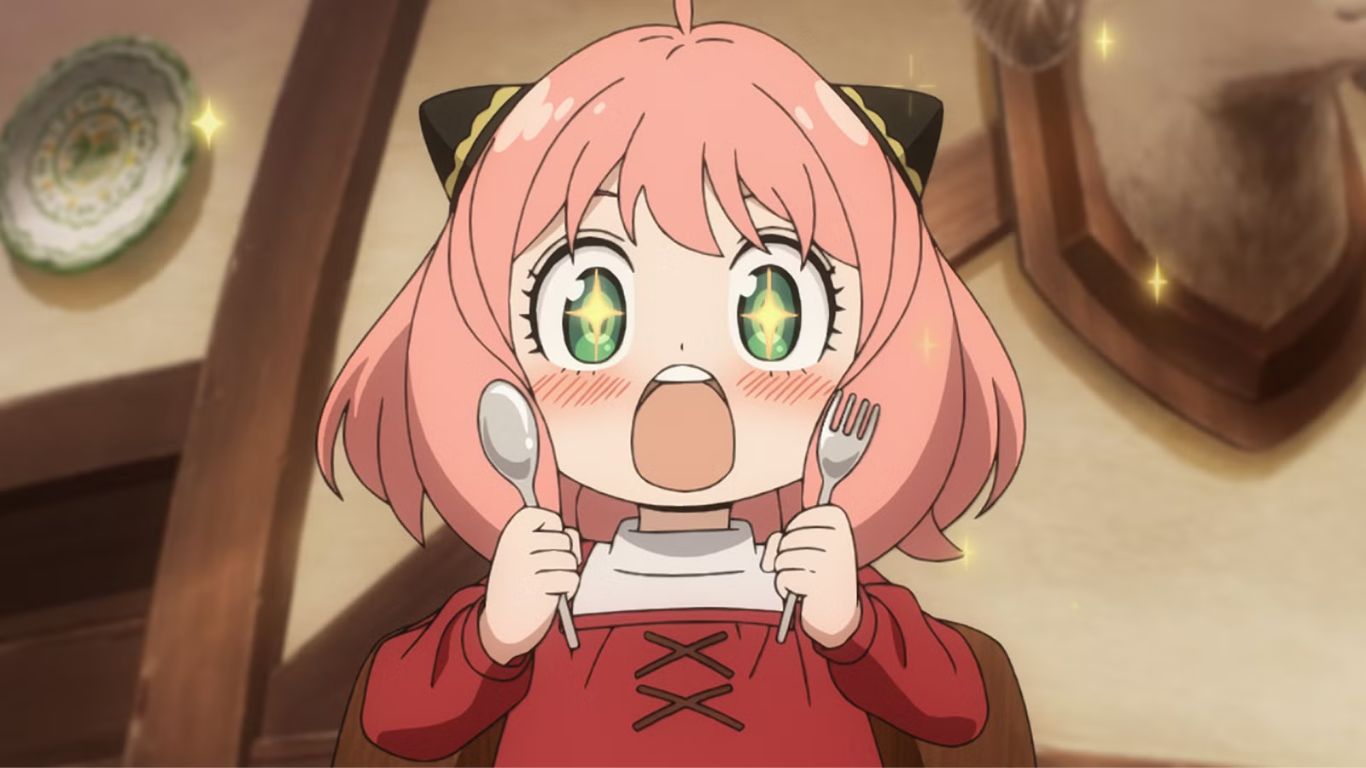
When fans search for a cute anime chick, they are usually looking for one of two very different things. They either want high-resolution images of popular female characters, or they are hunting for literal yellow bird mascots from Japanese media. Gobookmart tracks character designs and media trends across the global reading community, providing detailed breakdowns of the figures that shape contemporary culture. This guide breaks down the most searched character profiles, explains the specific tropes that drive these designs, and details where to find high-quality reference images.
The dual meaning of the search term
The phrase carries a split search intent that confuses many image databases. On one side, fans use the term as slang to find female protagonists from romance and slice-of-life series. These searches usually target specific personality types or visual aesthetics, such as pink hair, school uniforms, or exaggerated expressions. On the other side, a significant portion of users are looking for literal baby birds drawn in a Japanese animation style.
For example, Clipart Library hosts a highly specific and frequently downloaded illustration under reference number 1714521. This image features a schoolgirl holding a Heisei 21 (2009) 500-yen coin right next to a hatching yellow chick. This literal interpretation appears constantly in search results alongside human characters. Understanding this split helps fans filter out irrelevant results when building reference boards or looking for specific series information. The next section covers the human characters that dominate the other half of these search results.
Top character profiles matching the aesthetic
Fans looking for human characters usually gravitate toward a few specific protagonists who dominate current discussions. These characters stand out because their creators pair distinct visual designs with detailed background trivia, giving the audience concrete facts to memorize and share.
Miyako Shikimori is the main heroine of the April 2022 series Shikimori’s Not Just a Cutie. She is 17 years old, stands 162cm tall, and was born on October 25, making her a Scorpio. She is left-handed and voiced by Saori Oonishi. Her design relies on a sharp contrast between a soft, approachable appearance and sudden moments of intense coolness.
Mai Sakurajima from Seishun Buta Yarou offers a different take on the archetype. She is 165cm tall, has blood type AB, and celebrates her birthday on December 2. Mai balances her life as a high school student with a demanding career as an actress and model. Her polished exterior hides a deep vulnerability that makes her narrative compelling.
Shizuka Yoshimoto from 100-nin no Kanojo represents a quieter character model. She is 16 years old and was born on November 1, which coincides with Book Day in Japan. As a mute library committee member, she communicates entirely through a text-to-speech app. Grouping these characters by their specific narrative roles makes it easier to see why they remain popular.
Categorizing characters by popular anime tropes
Character designers rarely build a protagonist from scratch without referencing established industry tropes. Fans actively search for these specific categories when looking for new shows to watch or characters to draw.
The pink-haired chibi
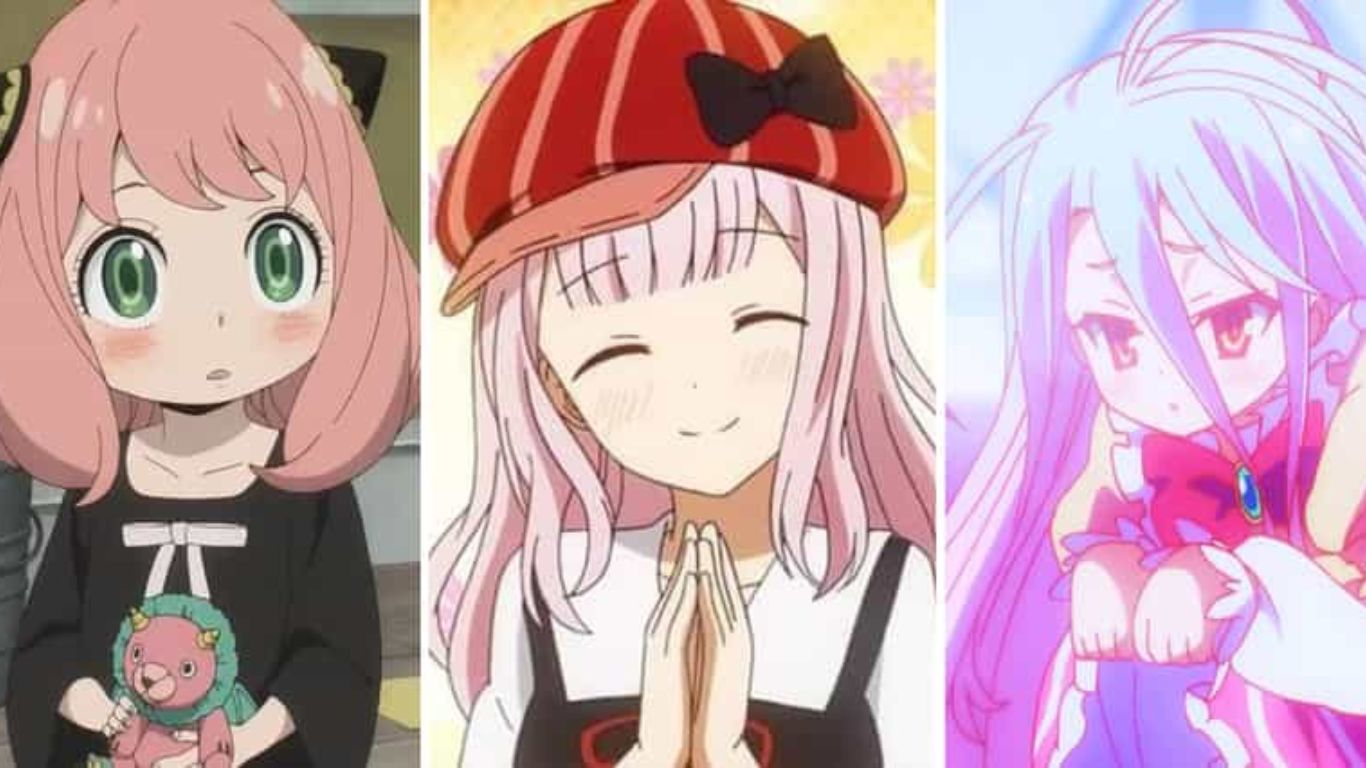
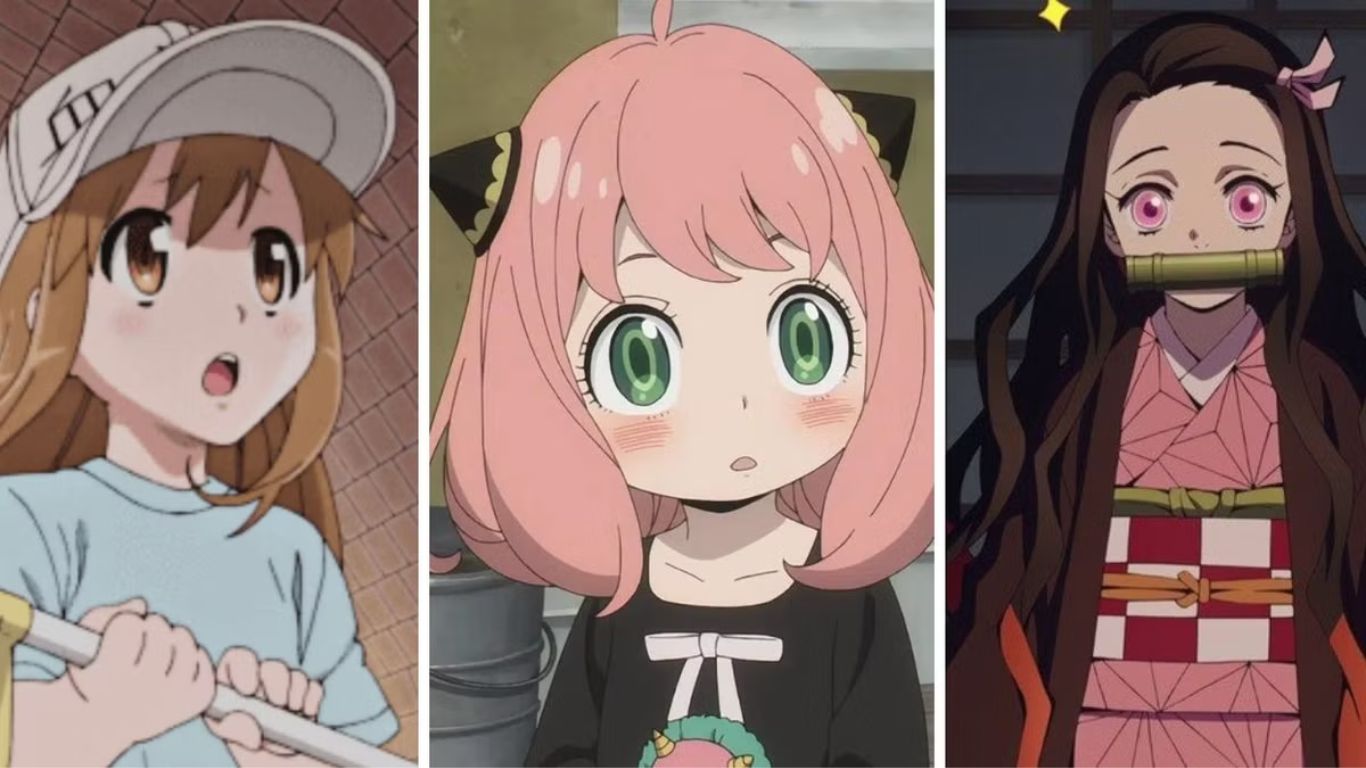
The chibi art style shrinks characters down to exaggerated, rounded proportions. Pink-haired characters frequently appear in these searches. Yuno Gasai from Future Diary is a common result, despite her dark storyline, because fans redraw her in this harmless, rounded style. Anya from Spy x Family also fits the broader appeal of small, expressive characters. Her telepathic antics and the charming interplay between the characters make her a staple in fan art communities.
The cool beauty
This trope features characters who appear distant or highly professional before revealing a softer side. Mai Sakurajima fits this category perfectly. Her background as a model gives her a polished exterior that contrasts with her actual vulnerability. This dynamic is common across different genres. For instance, Robin in One Piece uses her calm demeanor and ability to read Poneglyphs to mask her early isolation, eventually fostering a harmonious and effective team.
The shy bookworm
Quiet characters who avoid the spotlight form the third major category. Shizuka Yoshimoto is the modern standard for this trope. Her reliance on a text-to-speech app updates the traditional quiet librarian archetype for a modern audience. This character type often experiences significant personal growth. Similar development happens in classic films, where a timid girl with slumped shoulders gradually becomes more confident as the story progresses. Knowing these categories helps fans locate exactly the type of character art they want.
High-resolution image sourcing and specifications
Finding clean, high-quality images of these characters requires knowing where to look and what specifications to expect. General search engines often return compressed JPEGs with messy backgrounds. Dedicated PNG databases provide much better resources for fans and creators.
Sites like KISSPNG host massive files specifically formatted for digital editing. A standard high-quality chibi character file on these platforms often reaches resolutions up to 3716×3992 pixels. These files are heavy, frequently hitting 7.17 MB, but they offer the transparent backgrounds necessary for graphic design.
Searchers must use highly descriptive terms to find these files. Using exact alt-text phrases like “chibi pink-haired anime girl” or “schoolgirl with 500-yen coin” yields much better results than generic searches. This level of specificity filters out the literal bird clipart and isolates the exact character tropes needed. The visual design of a character is only half the equation, as their personality traits often drive their initial popularity.
How personality traits elevate character design
A visually appealing design will catch a reader’s attention, but the character’s personality keeps them engaged. Creators use specific quirks to make their characters memorable. This applies to both slice-of-life romances and action-heavy series.
In romantic comedies, physical reactions often sell the character’s appeal. For example, Ibarada Ena from Science Fell in Love, So I Tried to Prove It suggests measuring a character’s heart rate around multiple colleagues. She notes that a spiking heart rate is not exclusive to love, but can result from various stressors. This kind of analytical breakdown of cute reactions is a staple of modern character writing.
Action series use similar contrasting traits to make their heroines stand out. Starfire in DC Comics pairs radiant energy blasts with a genuinely kind heart. In the manga world, Orihime Inoue wields unique powers that take the form of fairies, making her a highly valuable team member in Bleach. Even characters with darker origins, like Raven from the Teen Titans, use a calm demeanor to balance their shadowy abilities. These distinct personality traits ensure that characters remain relevant long after their initial debut.
Expanding the search to different genres
The appeal of these character designs extends far beyond traditional romance anime. Video games and superhero adaptations frequently borrow these visual cues to attract fans. Genshin Impact relies heavily on this aesthetic, with characters like Ganyu and Faruzan dominating image search results. Their designs incorporate the same large eyes, distinct hair colors, and detailed outfits seen in seasonal anime broadcasts.
Western comics also adapt these visual styles when targeting new demographics. The upcoming Suicide Squad anime adaptation brings characters like Harley Quinn into this visual space. Harley’s chaotic energy and colorful outfits translate perfectly into the exaggerated animation style. Similarly, Squirrel Girl made her debut as an unlikely hero who proves you do not need flashy powers to save the day, a concept that mirrors many slice-of-life anime protagonists.
Even stories focused on younger characters use these design principles. Shows suitable for children often feature a protagonist who gets separated from their family and must navigate a new world. The visual design of these characters must be instantly appealing to keep younger viewers engaged. The final section of this guide answers the most common questions fans have about this topic.
Frequently asked questions
Fans researching this topic usually have specific questions about character origins and image sourcing. Here are direct answers to the most common queries.
What defines this character archetype?
The archetype relies on a mix of visual appeal and specific personality quirks. Characters usually feature distinct hair colors, exaggerated expressions, and a core personality trait like extreme shyness or hidden coolness. The contrast between their appearance and their actions is the main draw.
Where can I find high-quality PNGs?
Dedicated transparent image databases like KISSPNG are the best sources. You should look for files with resolutions above 3000 pixels and file sizes around 7 MB to ensure you get clean edges for editing. Always use specific descriptive tags rather than broad search terms.
Who are the most popular examples right now?
Miyako Shikimori and Mai Sakurajima remain highly searched due to their detailed character profiles and recent anime adaptations. Shizuka Yoshimoto is also gaining traction as a modern update to the quiet bookworm trope.
Finding the right cute anime chick requires knowing exactly what you want before you start searching. If you need reference art for a design project, bypass general search engines and use specific alt-text phrases on dedicated PNG databases to find high-resolution files. If you are looking for new series to read or watch, search by established tropes like the cool beauty or the shy bookworm to find characters with detailed profiles and engaging storylines.

















Leave a comment