Greek and Roman mythologies are some of the oldest and most interesting ones in the world. Even as people delve into the roots of their mythologies in classical studies, these mythologies are ever present in pop culture, like in Percy Jackson. However, the mythologies are so similar that people often tend to confuse the two. Here is a list of differences between Greek and Roman Mythology for laymen.
Differences Between Greek And Roman Mythology
Dates and Times of Existence
The fundamental difference between Greek and Roman mythology is that Geeks predated the Romans by about a millennium. Although we don’t know exactly when, but the Iliad by Homer came about seven hundred years before Ovid’s Metamorphosis, and these are both rich sources of myths. There are quite a lot of similarities between Greek and Roman gods, since Romans took inspiration from the Greeks. But due to culture, differences existed too.
Human characteristics
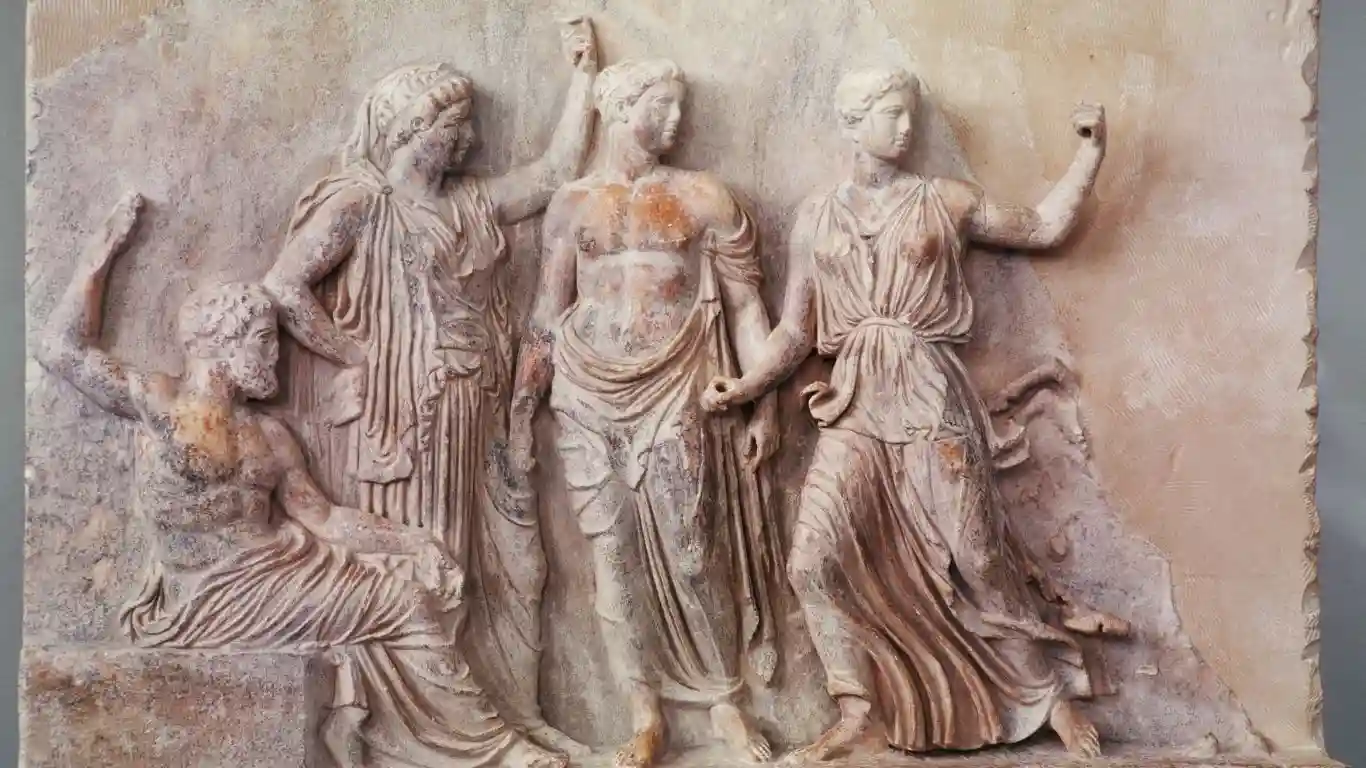
An interesting characteristic of Greek and Roman gods is that Greek gods had human characteristics, both physical and mental. Greek gods and goddesses thus had a gender, an attractive form, and human personality traits. Indeed, they even had human failings. Roman gods were more abstract entities, based on idea rather than form, and had no gender or qualities. They were more objective and collective, without individual specificities.

Afterlife
The basic difference between Greeks and Romans is that the Greeks did not believe in an afterlife while the Romans did. Among the Greeks, human life was the most important destination and all mortal duties had to be fulfilled within it, nothing could be relegated for later. But for the Romans, they viewed human life as an opportunity to commit good deeds that would get them rewards later. The afterlife was a kind of retroactive justice system.
Deification of Humans
Among the Greeks, there was an inherent stratification between humans and gods. Thus, humans could never obtain the status and level of gods, and had to worship them during their lifetime itself. There was no scope for deification of humans. For Romans, on the other hand, deities were like role models to aspire to be. They believed that in their afterlife, they could be granted deity status and hence worked towards it in their human life.
Status of Mortal Heroes
Because the Greeks focussed heavily on the importance of earthly life in creating a legacy rather than relegating it to afterlife, mortal heroes were important. Thus, heroes who showed bravery and courage were almost revered, even though they could not achieve godly status. On the other hand, Romans did not believe in the deification of heroes because that would happen only post death, in the afterlife.

Actions vs Words
Another important value system difference among the Greeks and Romans which had a significance to their mythology was actions vs words. The Greeks believed in words and their significance, and hence valued poetry. With poetry came metaphors and adulations, hence Greek Gods tend to be beautiful in every way. On the other hand, with Romans, who did not believe in words but rather actions, the warrior form was more important. Hence weapons, instruments etc. tend to have value.
Unification of Pantheons
Another minute difference between the way Romans and Greeks conducted their worship was that the pantheon of the Romans had more unification. Because the gods did not have individual characteristics or personality traits to make them agreeable or disagreeable, they were worshipped as a unity, in a collective way. Greeks had more preferences, there were also wars among the gods, and hence there was more stratification.
Rituals and Worshipping (Romans did more)
The next difference among Greeks and Romans in terms of mythology is their method of worship. Because Romans elevated their gods to an unattainable status and made them a little more inaccessible, Romans also engaged in more ritualistic worship. They had elaborate rites, passages and traditions. On the other hand, Greeks had little to do in way of ritualistic worship and spent more time on poetry and narrative.

Names of the Planets
The final difference among the Greeks and Romans in terms of their mythology is one that sticks around even today. The names of our planets in the Solar System, like Mars, Venus, Mercury, Jupiter, Saturn, Uranus, Neptune, etc. are all names of Roman Gods. There is no reference to Greek gods whatsoever. This is because Romans, with their astronomy skills, named the five planets they could see with names of their Gods. Thus, Jupiter, being the largest is size, was named after the king of the gods. On the other hand, Mars, due to its reddish colour, was named after the God of War. The names still stick around.
Clothes and Appearance
Another difference between Greeks and Romans is the way they thought of their gods. Greek gods are extremely beautiful in form, very attractive and even very well dressed. SO much so that ‘Greek god’ has become a metaphor for an extremely attractive man. Romans, on the other hand, did not pay too much attention to form, and hence their gods are not that attractive in form.
Frequently Asked Questions (FAQs)
1. What is the main difference between Greek and Roman mythology?
The main difference is that Greek mythology originated first and focuses on gods with distinct personalities, emotions, and human flaws. Roman mythology developed later, borrowing many Greek myths while emphasizing duty, order, and the state’s religious traditions. The Romans also renamed many of the Greek gods, such as Zeus becoming Jupiter and Ares becoming Mars.
2. Are the Greek and Roman gods the same?
Not exactly. Many Roman gods were adapted from Greek deities and share similar roles, but they are not identical. Roman gods often reflect Roman cultural values, politics, and religion, giving them different characteristics and significance despite their similarities.
3. Why do Greek and Roman gods have different names?
The Romans adopted many Greek myths but gave the gods Latin names. For example, Zeus became Jupiter, Hera became Juno, Poseidon became Neptune, Aphrodite became Venus, and Hermes became Mercury. These Roman names are still widely used today, especially in astronomy.
4. Which mythology came first, Greek or Roman?
Greek mythology came first, developing centuries before Roman mythology. Roman religion and mythology were heavily influenced by Greek traditions, literature, and art, although the Romans adapted these stories to reflect their own culture and beliefs.
5. Why are the planets named after Roman gods instead of Greek gods?
Most of the planets in our Solar System were named by Roman astronomers, who used the names of their own deities. As a result, we have planets like Mars, Jupiter, Venus, Mercury, Neptune, and Saturn rather than their Greek equivalents such as Ares, Zeus, Aphrodite, Hermes, Poseidon, and Cronus.