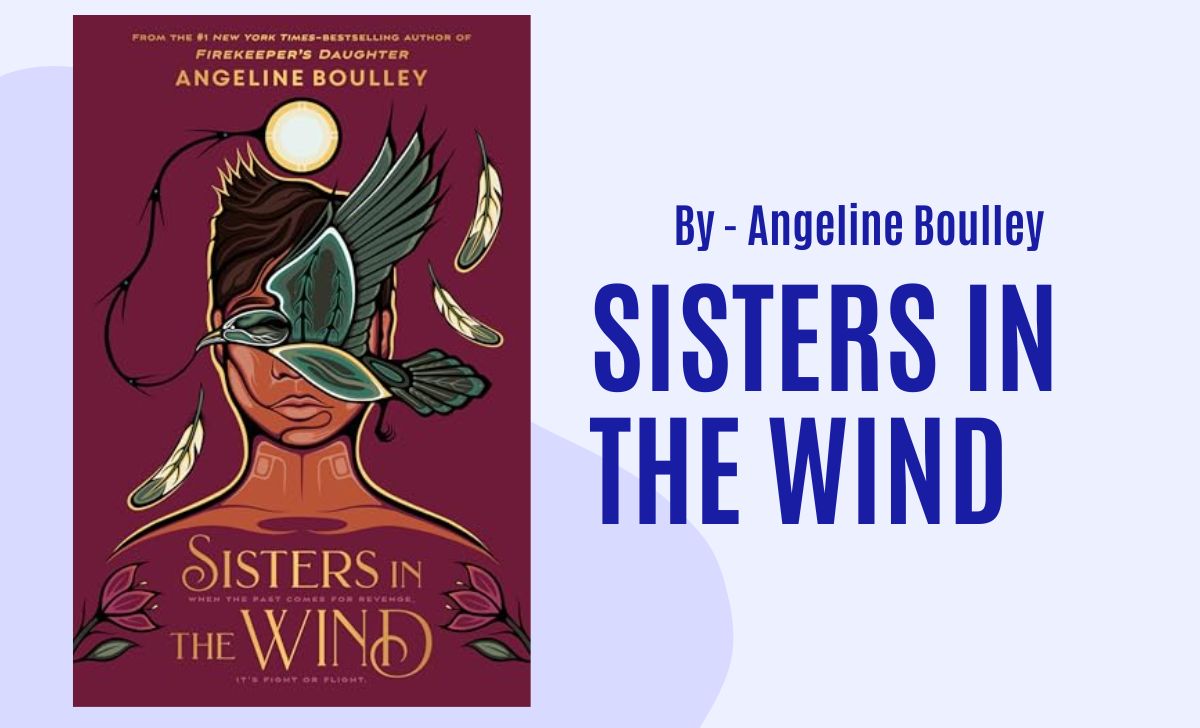
Angeline Boulley’s Sisters in the Wind arrives as a novel that balances pulse-driving suspense with a quietly fierce search for belonging. Centered on Lucy Smith, a young woman who has lived much of her life in foster care, the story moves between present danger and past scars, revealing how identity and trauma can both fracture and form a person. Boulley — already widely read for Firekeeper’s Daughter and Warrior Girl Unearthed — uses a lean thriller engine to examine complicated systems (foster care, adoption, and the historic removal of Indigenous children) while still giving readers a fully human protagonist whose choices and loyalties feel earned.
What the book is about (plot summary)
At its core, Sisters in the Wind follows 18-year-old Lucy Smith, who’s been on the move since her father died. She’s learned to stay wary, to trust very few people, and to survive on her own terms. When a compassionate caseworker named Mr. Jameson — and a guarded, fierce woman who may be a friend but could also be something else — reappear with the suggestion that Lucy might have family and an Ojibwe heritage, Lucy is forced to decide whether to accept the possibility of roots or continue running.
As she tentatively pursues the truth about her birth family, she becomes the target of people who want to control her past and her future. The plot alternates between Lucy’s present-day attempts to keep herself safe and flashbacks that reveal the fractures of her childhood in the foster system, building toward an explosive and violent climax that ties past harm to present peril.
Characters and voice
Lucy is the novel’s anchor: tough, blunt, wry, and wary in a way that rings true for anyone who’s had to fend for themselves young. Boulley writes Lucy’s interior with a careful economy — we feel her defenses, her hunger for connection, and the small, private rebellions that keep her human.
Supporting characters are drawn with immediacy and texture: Mr. Jameson’s steady persistence, the fierce woman who offers both threat and protection, and family figures who embody both warmth and the complicated truth of heritage. In contrast to some YA protagonists who speak in a voice that never changes, Lucy’s voice grows and shifts as she learns more about herself — which is one of the book’s quiet pleasures.

Themes — identity, foster care, and the cost of secrecy
Boulley threads several themes through the fast-moving plot. Identity — especially the recovery or discovery of Indigenous identity erased by systems and adoption — is central. The novel also engages with the failures and cruelties of the foster-care system and how state and social systems can sever cultural continuity.
Importantly, Boulley treats these topics with empathy and nuance: they are part of Lucy’s life, not reduced to a single “issue of the book.” The novel asks what home really means, whether blood is mandatory for belonging, and how trauma shapes the ways people choose to live. Many critics and readers have praised how the book handles this balance of urgency and care.
Pacing, structure, and tension
If you like novels that alternate timelines and layer mysteries, Boulley’s structure will satisfy. Short, sharp scenes in the present intercut with revealing flashbacks keep the forward momentum high while letting emotional beats land with real force.
Boulley escalates tension deliberately: what starts as the quiet possibility of reunion steadily turns into a race to survive when secrets from Lucy’s past create immediate danger. The payoff is a climactic sequence that many readers will find visceral and hard to forget — and which also forces the moral questions raised earlier in the novel to become action points rather than mere reflection. Some readers note the climactic violence is extended and graphic; that intensity will be rewarding to some and challenging to others.
What works especially well
- Character grounding: Lucy’s emotions and choices feel lived-in rather than plotted to fit a twist.
- Cultural authenticity: Boulley’s care for Indigenous cultural detail and the historical context around removed Native children gives the novel a weight and urgency that enrich the thriller elements.
- Emotional payoff: When the book slows for family conversations or personal reckonings, those moments feel earned because we’ve already seen Lucy fight to survive.
Who might not love it
If you prefer lighter mysteries, the book’s darker moments and exploration of institutional cruelty can be heavy. The extended climactic sequences may also feel more graphic than readers expect from YA-leaning thrillers. A few reviewers felt some secondary threads could have been more fully developed, but most agree that Lucy’s arc holds the novel together.
Final thoughts — impact and takeaway
Sisters in the Wind is a tense, emotionally resonant novel that showcases Boulley’s strength at blending page-turning plotting with cultural and personal stakes. It’s a story about what it takes to claim a self when the world keeps trying to define you differently — and about the fierce choices people make to protect those they love.
For readers who want a thriller that also leaves space for tenderness and questions about heritage, belonging, and survival, this is a book that delivers.