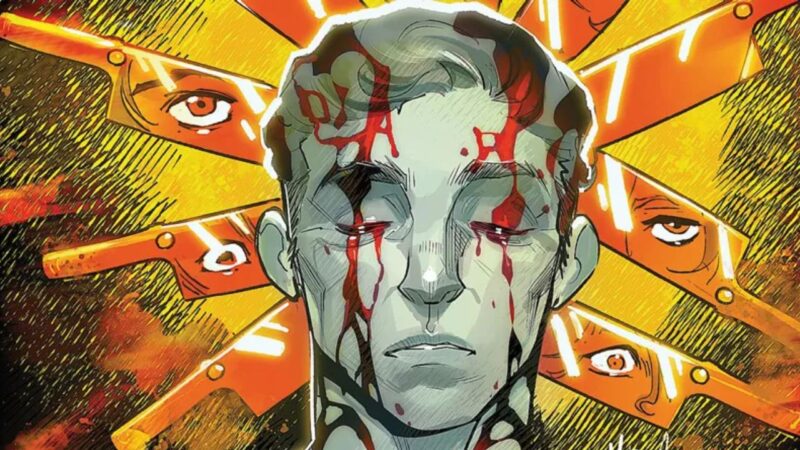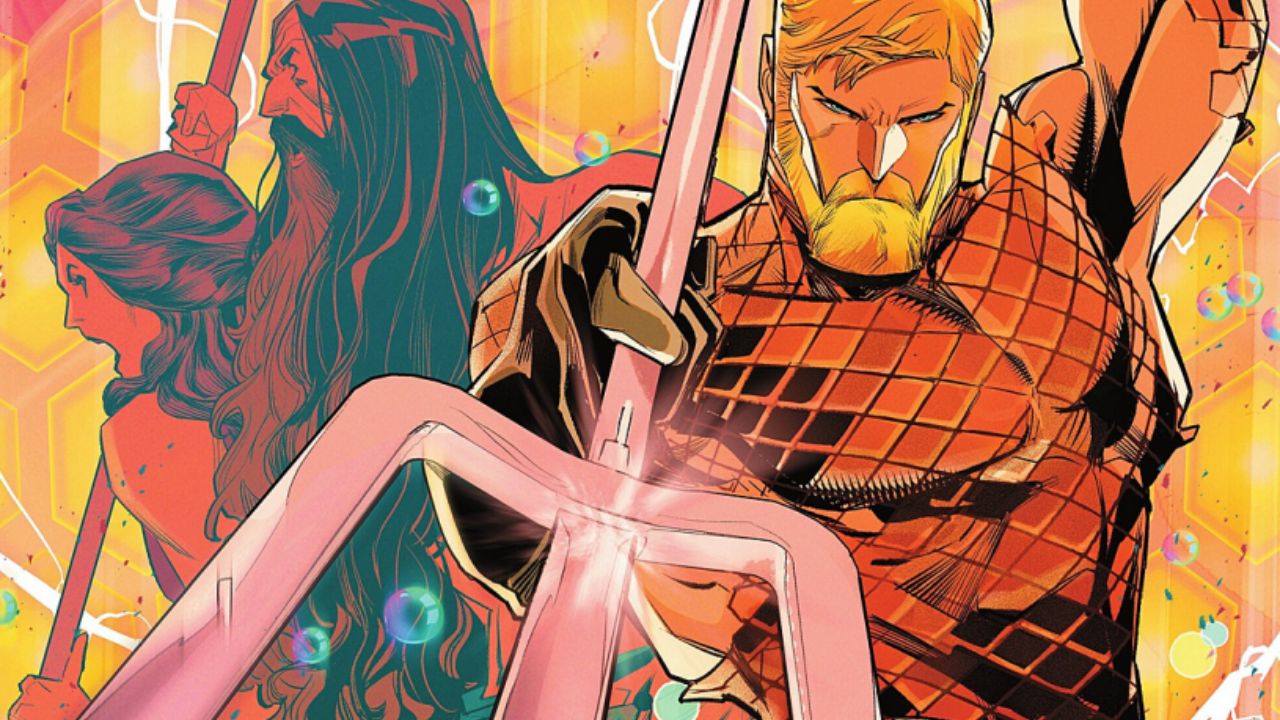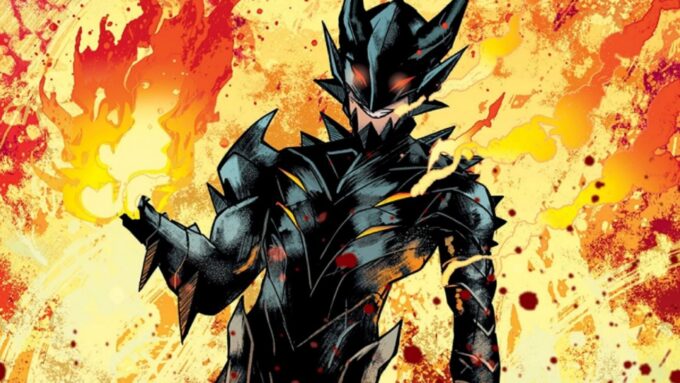

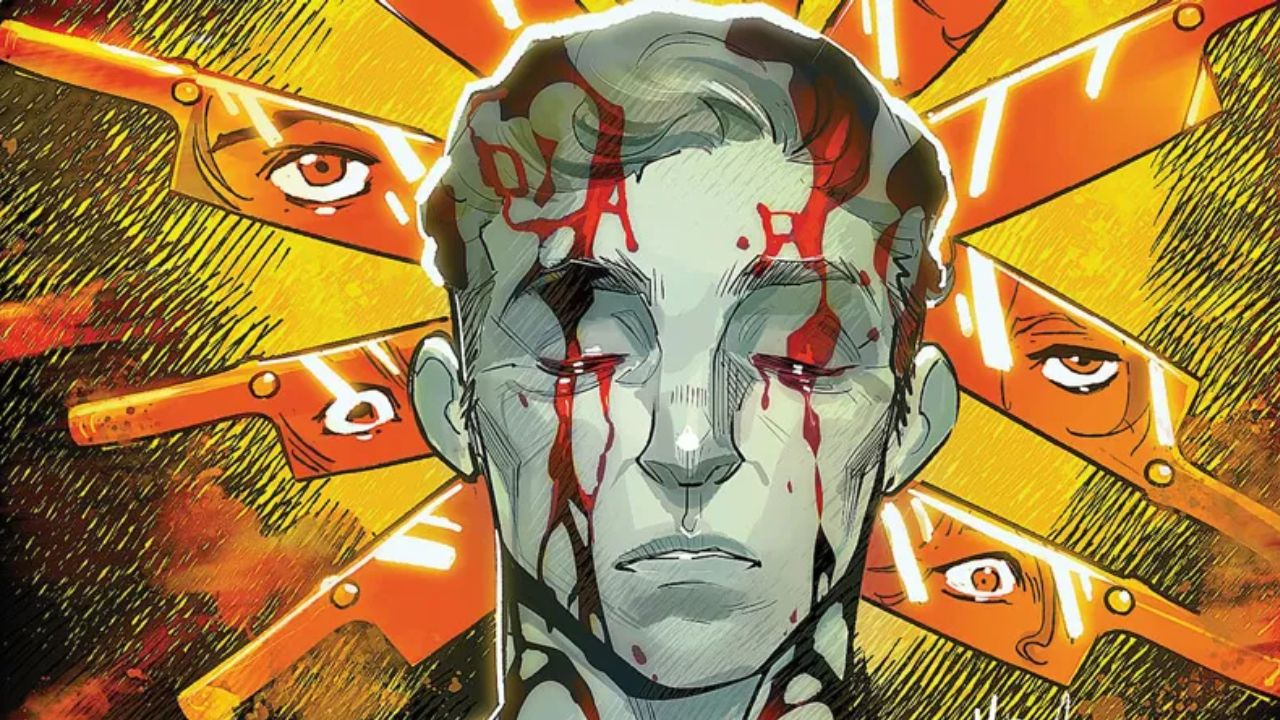
There’s a version of this story that ends badly. A beloved independent comic book publisher — one that gave the world Locke & Key, 30 Days of Night, and decades of licensed adaptations — gets gutted by financial misfortune, stripped of its biggest licenses, and quietly fades into irrelevance. For IDW Publishing, that version of the story still lurks in the rearview mirror. But instead of fading out, IDW has done something few publishers manage when the walls close in: it found its identity again. The evidence? Two bold, genre-focused imprints — IDW Dark, a horror imprint launched in 2025 that partnered with Paramount Consumer Products to adapt beloved horror franchises, and IDW Crime, a brand new imprint announced in January 2026, following the success of IDW Dark, focusing on one of the oldest genres in comics — crime fiction. Together, they aren’t just new product lines. They are a publishing philosophy. A declaration of intent. And increasingly, they look like the thing that might actually save IDW.
How IDW Got Here
To understand why these imprints matter, you have to understand just how bad things got. In January 2022, IDW lost the comic book licenses for Hasbro’s Transformers and G.I. Joe. Then, on April 27, 2023, IDW cut 39% of its staff and became privately held by delisting from the New York Stock Exchange — the company experienced an almost 50% drop in its share price. Those weren’t just business headlines. They were existential warnings.
For years, IDW had built its business on the strength of licensed properties. Transformers. G.I. Joe. Star Trek. Teenage Mutant Ninja Turtles. Doctor Who. When those licenses were the engine, the machine hummed. But licensing is a precarious foundation — you’re renting someone else’s IP, and the day they decide to take it somewhere else, your revenue disappears overnight. IDW had been living that reality in slow motion, watching major properties walk out the door.
IDW CEO Davidi Jonas announced a shift in publishing focus, saying the company would launch a new horror imprint and partner “with one of the largest licensors to be able to exploit their largest horror titles.” The strategy was clear: stop chasing every license that knocked at the door, and start owning a lane. Pick genres with deeply committed fanbases, build imprints with clear creative identities, and do the work that makes readers loyal rather than merely interested.
That strategy is now bearing fruit.
IDW Dark: Proving the Model
When IDW Dark launched in 2025, the comics press treated it with cautious optimism. Another genre imprint, another marketing initiative — the industry had seen plenty of those flame out. But IDW Dark had something many imprints lack: a genuine home-court advantage.
As IDW Group Editor Maggie Howell put it, “Horror is in our blood. This imprint is our way of doubling down on the work IDW has been doing throughout our 25-year history as a premier publisher of horror comics.” This wasn’t manufactured positioning. IDW published 30 Days of Night, one of the most iconic horror comics of the 21st century. It shepherded Patrick Horvath’s Beneath the Trees Where Nobody Sees to critical acclaim. Horror wasn’t a pivot — it was a homecoming.
IDW Dark’s ambitious lineup included terrifying tales from beloved horror movie and TV franchises including A Quiet Place, Smile, The Twilight Zone, Sleepy Hollow, and Event Horizon, plus sequels to IDW originals like 30 Days of Night and Beneath the Trees Where Nobody Sees, alongside new creator-owned titles. The blend was smart: recognizable IP to draw in new readers, beloved IDW originals to reward the faithful, and fresh creator-owned work to keep the imprint from feeling like a mere franchise machine.
The results have been striking. Event Horizon: Dark Descent sold out its first issue not once but three times, prompting artist Tristian Jones to admit, “I actually still can’t quite believe it, in all honesty. I’d been away from comics for a good while and become pretty cynical, so if you’d told me this thing would sell out even the first issue once, let alone three times, I would’ve scoffed.”
That kind of response doesn’t happen by accident. It happens when a publisher has correctly read what readers actually want, assembled the right creative teams to deliver it, and built a brand umbrella that makes those readers trust what they’re picking up.
By the time IDW Dark celebrated its one-year anniversary, it was already announcing four new horror series for the first half of 2026, including a Smile spinoff, a new A Quiet Place story, and the already-buzzing Operation: Iron Coffin — Dracula vs. Nazis on a train, from writer Kenny Porter. The imprint wasn’t contracting or consolidating. It was accelerating.
Why IDW Crime Is the Logical Next Step
Success with IDW Dark didn’t make IDW complacent. It made them bold. Senior Group Editor Heather Antos explained the thinking simply: “Following the success of IDW Dark, we’re super proud to announce IDW Crime, a brand new imprint focusing on one of the oldest genres in comics — crime comics.”
The strategic logic is elegant. IDW Dark proved that genre-focused imprints with strong editorial identity can break through the noise. Crime fiction, like horror, has a passionate and loyal readership. True crime podcasts dominate download charts. Crime dramas rule streaming platforms. Crime fiction sits comfortably as one of the best-selling categories in publishing. And yet in comics — a medium that once thrived on crime, from the pulp-era EC Comics to the gritty neo-noir work of Ed Brubaker — the genre has been criminally underserved by mainstream publishers.
Antos articulated the imprint’s mission in the launch press release: “Crime has a deep, often under-celebrated history in comics, from hard-boiled noir to social thrillers that pushed the medium to be bolder, sharper, and more adult. With the IDW Crime imprint, we’re honoring that legacy while giving it a modern spotlight — elevating creator-driven stories that feel urgent, character-forward, and unapologetically human.”
Co-editor Jake Thomas added his own vision for what makes crime comics uniquely powerful: “No other genre explores the warring impulses of humanity like crime, but it’s also a genre built on tension, pacing, character work, and crackerjack storytelling, all elements that are elemental to comics and build truly rip-roaring yarns.”
These aren’t boilerplate marketing quotes. They reflect a genuine editorial philosophy — one that sees crime not just as a setting, but as a lens through which to examine human nature at its most complicated and compelling.
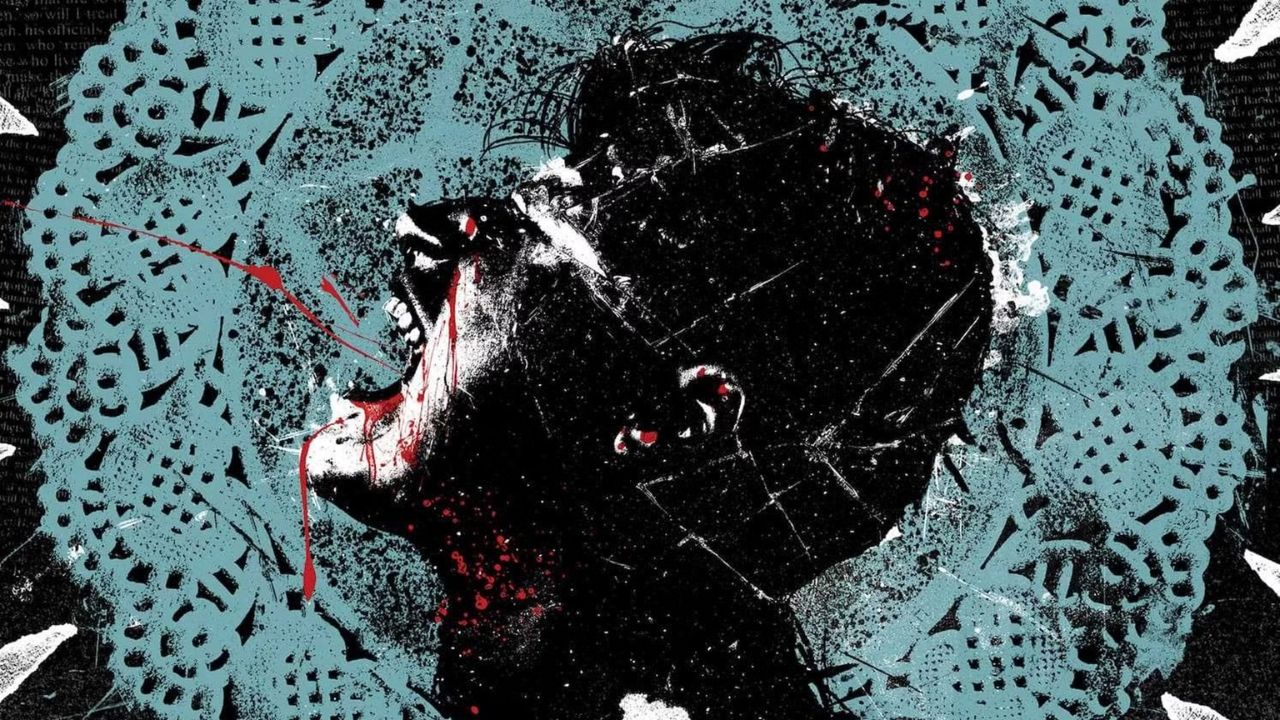
The Launch Titles: A Swing-for-the-Fences Debut
A new imprint is only as good as its first wave of books, and IDW Crime has not played it safe.
Seven Wives — written by Zoe Tunnell with art by V Gagnon and Tesslyn Bergin-Dicoi — launches the imprint in May. Set inside a Fundamentalist Church of Jesus Christ of Latter-Day Saints compound in remote Arizona, it’s a locked-room murder mystery: 49 witnesses, seven wives, one dead husband. As two detectives investigate, they must unravel the horrors of brainwashing to solve the whodunit. Writer Zoe Tunnell has described the story as being about the corruption of power and the abuse of authority — themes that hit with uncomfortable timeliness.
In July, Eisner Award-nominated writer Joey Esposito and artist Valeria Burzo arrive with Killer Influences, a dark satire about Melvin, a serial killer so methodical and efficient that no one has connected his crimes — until Kylie, an aspiring true crime influencer, spots the pattern and reaches out to him, hoping his story can make her famous. The premise is pitch-black and clever: a story about obsession, infamy, and the grotesque ways modern media incentivizes our worst impulses.
Rounding out the launch is Fixation, arriving in September from writer Amy Chase and artist Savanna Mayer. When two superfans win a contest to stay at the filming location of their favorite vampire franchise, a dead body and a killer still on the premises turn their dream into a nightmare. It’s a commentary on fandom, toxic obsession, and the fine line between passion and danger — and it sounds like exactly the kind of book that could explode across social media.
All three titles share a common structural decision that’s worth noting: they are three-issue limited series, each over 40 pages for $4.99. This is smart publishing. Limited series are low-risk entry points for new readers, easier to complete-collect, and manageable investments for shops to carry. By pricing them accessibly and keeping the format tight, IDW Crime is removing every friction point that might stop a curious reader from taking a chance.
The Bigger Picture: What This Means for Independent Comics
IDW’s current strategy matters beyond the walls of one publisher, because it offers a blueprint that other independent comics publishers would be wise to study.
The mid-tier comics market — the space between the Big Two (Marvel and DC) and the purely self-published — has been under pressure for years. Rising print costs, shifting distribution models, the collapse of the old Diamond monopoly, and reader attention increasingly fractured across platforms have made the economics brutal. Many publishers have responded by chasing licenses, emulating Marvel’s continuity-heavy style, or simply hoping that a big crossover event would juice their numbers. Most of those strategies have had limited shelf life.
What IDW is doing with IDW Dark and IDW Crime is different. Rather than trying to be a smaller version of Marvel or DC, IDW is doing what independent publishers have always done best: taking creative risks, backing talented creators, and trusting that there’s an audience for stories that the Big Two would never publish. Horror that leans genuinely dark. Crime that interrogates society without flinching. Stories told in three issues, not thirty.
This is what the independent market is for. Not to compete with superheroes on their own terms, but to offer something superheroes structurally cannot: moral ambiguity, adult themes, and the freedom to tell a story that ends.
The imprint model also gives IDW something precious in a crowded marketplace — brand recognition within a genre. When a reader sees the IDW Dark banner, they know what they’re getting. When a horror-obsessed fan walks into their local comic shop, IDW Dark becomes a section of the store rather than a random title to stumble upon. That kind of brand equity is built slowly, but it compounds. IDW Crime is now building the same thing in a different genre lane.
The Road Ahead
IDW is not out of the woods. As recently as June 2025, IDW stated it would continue operations for at least one more year — the kind of statement that doesn’t get made by a company operating from a position of strength. The financial pressures that led to the 2023 restructuring haven’t vanished.
But IDW Dark and IDW Crime represent something genuinely encouraging: a publisher that has looked at its circumstances honestly, played to its actual strengths, and committed to a creative vision with discipline and conviction. The early results — sell-outs, critical enthusiasm, a growing imprint roster, and the credibility that comes from betting on talented creators — suggest the strategy is working.
There’s a version of this story that ends well. A scrappy independent publisher, bruised by years of financial turbulence and licensing upheaval, rediscovers what made it great in the first place. It stops trying to be everything to everyone and starts being the absolute best version of itself within the genres it genuinely loves. It earns back reader trust one great book at a time. And slowly, issue by issue, imprint by imprint, it starts to matter again.
With IDW Dark and IDW Crime, that version of the story is being written right now. And so far, it’s a hell of a read.