
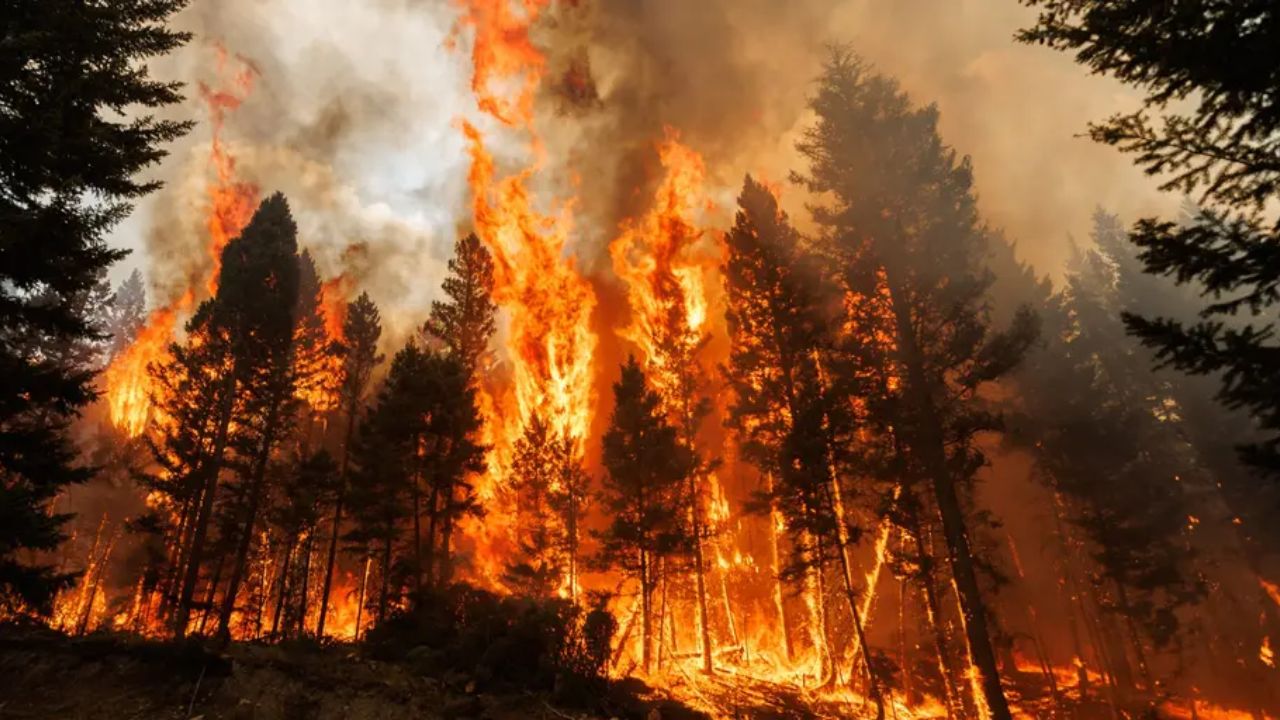
In early spring, satellite images sometimes reveal something unsettling: smoke rising from snow-covered ground. At first glance, it looks impossible. Fires shouldn’t burn in frozen landscapes. Yet in parts of the Arctic, Canada, Alaska, and Siberia, they do. These are known as zombie fires—wildfires that appear to die out in winter, only to survive underground and return when the snow melts.
The name sounds dramatic, but the reality is even more troubling. Zombie fires don’t rage with towering flames. Instead, they smolder quietly beneath the surface, hidden in soil and peat, consuming ancient organic matter and waiting patiently for warmer days.
What Exactly Are Zombie Fires?
A zombie fire is a wildfire that never fully goes out. After an intense fire season, especially late in the year, embers can sink deep into the ground rather than burning out completely. When winter arrives, snow blankets the land, temperatures plunge, and visible flames disappear. To the naked eye, the fire is gone.
But underground, it’s still alive.
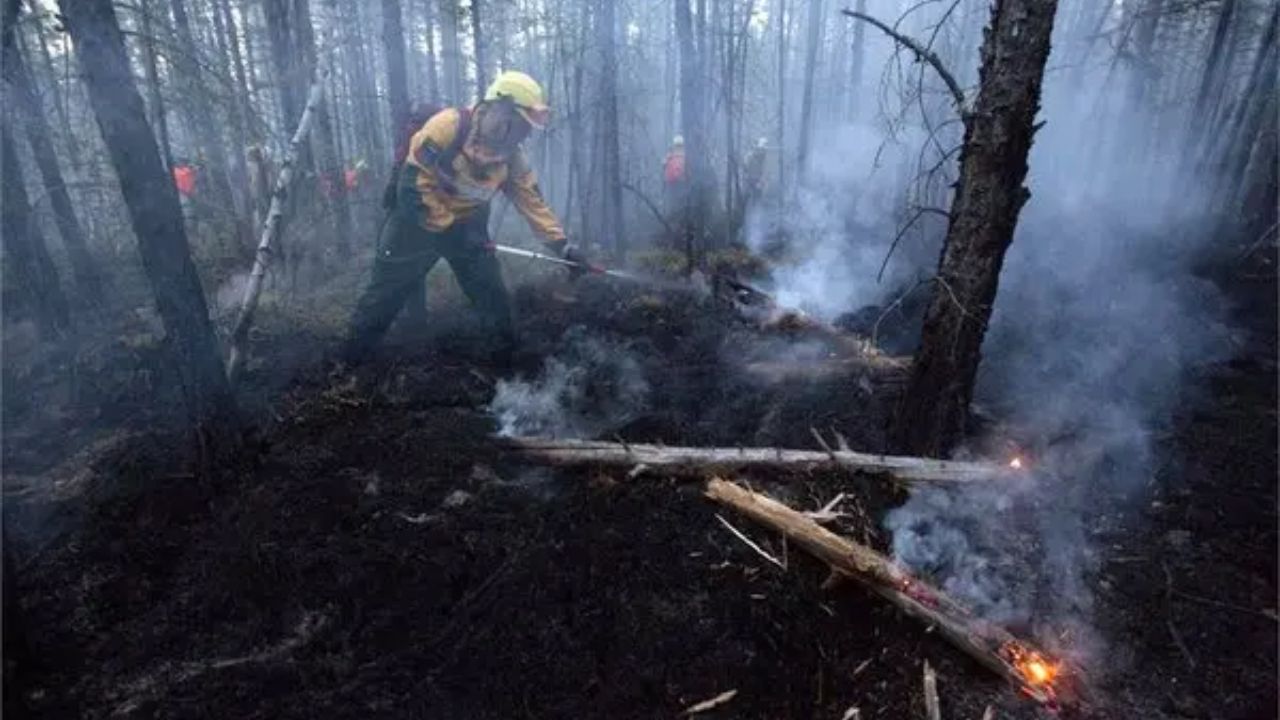
These fires burn slowly in layers of peat—thick, carbon-rich soil formed from thousands of years of decomposed plants. Peat acts like a natural fuel reserve. Once ignited, it can burn at low temperatures for months, even without oxygen-rich air. Snow and frozen ground actually help by insulating the heat, allowing embers to persist all winter long.
When spring arrives and conditions dry out, the fire resurfaces, often in the same location where it started the previous year—or nearby, as underground burn paths shift.
Why Peat Makes Zombie Fires So Dangerous
Peatlands are common across boreal forests and Arctic regions. They store enormous amounts of carbon—far more than most forests. When peat burns, it releases that stored carbon directly into the atmosphere.
Unlike fast-moving surface fires, peat fires are slow and deep. They don’t just scorch trees; they consume the soil itself. This makes them extremely hard to detect and even harder to extinguish. Firefighters can’t simply spray water on visible flames because the real fire is buried feet below the surface.
Even worse, peat fires produce thick, toxic smoke. Because the combustion is incomplete, they release high levels of fine particulate matter, which is especially harmful to human lungs.
Real-World Examples: Fires That Refused to Die
Zombie fires are no longer rare. In recent years, they’ve been documented across the northern hemisphere.
In western Canada, a massive wildfire that ignited during a dry summer continued burning underground well into winter. Snowfall covered the area, but the fire smoldered beneath the surface. When spring arrived, it flared back up and eventually became one of the largest fires the region had ever seen, burning hundreds of thousands of hectares.
In Siberia, researchers studying Arctic peatlands have discovered fires that survived not just one winter, but multiple winters in a row. In some of the coldest inhabited places on Earth, smoke has been seen rising from frozen ground during early thaws.
Alaska and northern Canada have also experienced overwintering fires near communities. In some cases, residents noticed smoke during winter months—an unthinkable scenario just a decade ago. These fires forced evacuations in spring, catching communities off guard because fire season was assumed to be months away.
The idea that winter automatically ends wildfire risk no longer holds true.
Climate Change: The Perfect Conditions for Zombie Fires
Climate change is the single biggest reason zombie fires are becoming more common.
The Arctic is warming faster than the rest of the planet. Winters are shorter and milder, snow melts earlier, and soils dry out sooner. This creates ideal conditions for underground fires to survive and spread.
Another critical factor is thawing permafrost. Permafrost has locked away frozen plant matter for thousands of years. As it thaws, that organic material becomes exposed and vulnerable to burning. What was once permanently frozen fuel is now available to feed underground fires.
Climate change is also increasing lightning activity in northern regions. Lightning strikes are a major cause of wildfires, and areas that rarely experienced them in the past are now seeing more frequent strikes. Each one is a potential ignition point for a future zombie fire.
The most alarming part is the feedback loop. Zombie fires release massive amounts of carbon dioxide into the atmosphere. That added greenhouse gas accelerates warming, which in turn creates even better conditions for more fires. It’s a cycle that reinforces itself.
The Hidden Damage Beneath the Surface
Zombie fires don’t just burn longer—they burn deeper. And that has long-term consequences.
When peat and organic soil layers are destroyed, forests struggle to regenerate. Seeds that would normally survive a surface fire are wiped out. What’s left behind is often bare mineral soil, which is poor at supporting new plant growth.
This changes entire ecosystems. Tree species may fail to return, wetlands can dry out, and wildlife habitats are permanently altered. In some burned areas, recovery could take decades—or may never fully happen.
The smoke is another major concern. Because peat fires smolder instead of flaming, they produce dense, lingering smoke that can travel thousands of kilometers. Even people living far from the fire zone can experience poor air quality, respiratory problems, and increased health risks.
For northern communities, the emotional toll is just as severe. Fires used to be seasonal. Now, the threat lingers year-round. Winter no longer feels like a safe pause—it’s just a quieter phase of the same danger.
Why Zombie Fires Are So Hard to Stop
Extinguishing a zombie fire is not like putting out a typical wildfire. Fire crews may need to dig deep into the ground, remove burning soil, or flood large areas with water. In remote Arctic regions, this is often impractical or impossible.
Detection is another challenge. These fires don’t always produce visible flames or thick smoke until spring. By the time they’re noticed, they’ve already gained strength.
Scientists are turning to satellite monitoring and advanced thermal imaging to spot underground heat during winter months. Some teams are also using machine learning to predict where zombie fires are most likely to occur based on soil type, past fire history, and climate conditions.
But most experts agree that technology alone won’t solve the problem.
What Can Be Done?
Preventing zombie fires ultimately comes down to slowing climate change. Cooler, wetter conditions reduce the likelihood of deep-burning fires and make it harder for embers to survive winter.
On a local level, protecting peatlands is crucial. Keeping wetlands intact and preventing drainage helps maintain moisture levels that resist burning. Fire management strategies are also evolving to account for the possibility of overwintering fires rather than assuming winter is a reset button.
Communities in fire-prone regions are adapting too—improving early warning systems, planning evacuations year-round, and upgrading buildings to handle prolonged smoke exposure.
A Warning From Beneath Our Feet
Zombie fires are more than a strange natural phenomenon. They are a warning sign.
They show how deeply climate change is altering natural systems, even those we once believed were protected by ice and snow. Fires that refuse to die challenge long-held assumptions about seasons, safety, and stability.
What burns beneath the surface doesn’t stay hidden forever. Eventually, it resurfaces—stronger, hotter, and harder to control.
Zombie fires remind us that the impacts of climate change aren’t always immediate or visible. Sometimes, they smolder quietly, waiting for the right moment to return.