
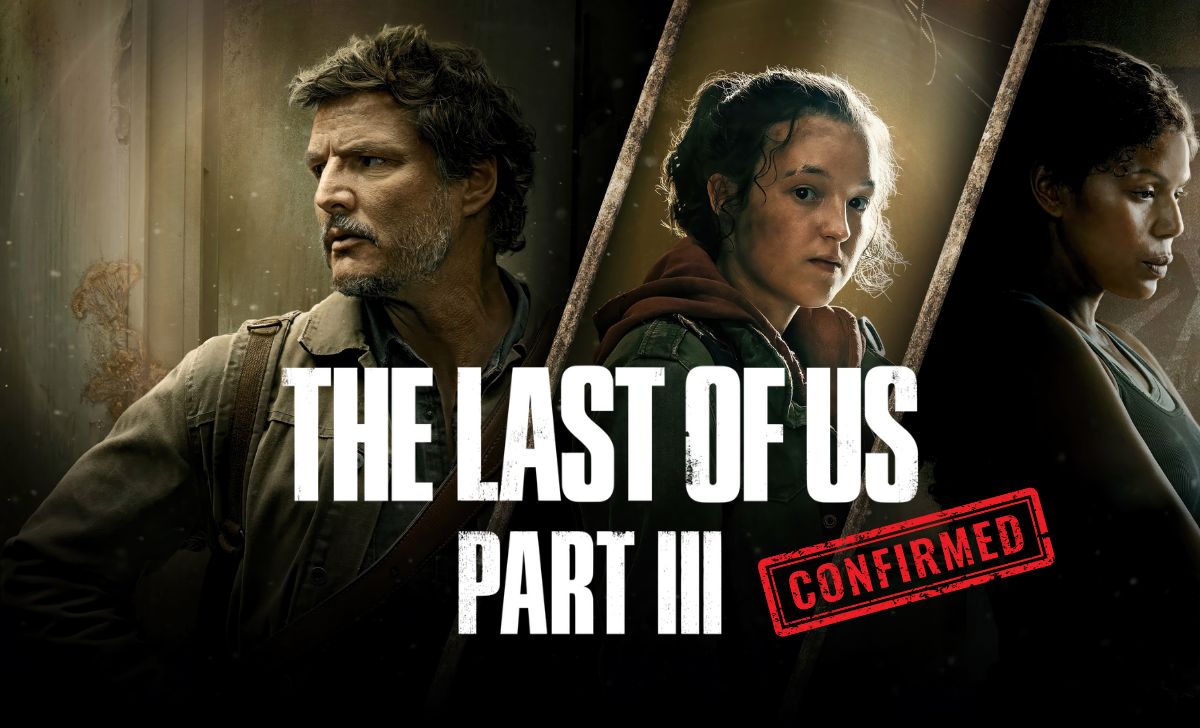
After delivering a stellar first season and a divisive second, HBO’s The Last of Us is officially returning with Season 3 in 2027. While the renewal brings relief to fans still processing the intense events of Season 2, it also raises major questions about the show’s structure, future plans, and the departure of key creative forces behind the adaptation. Here’s everything we know so far about The Last of Us Season 3—and why fans are both excited and concerned.
Season 3 Confirmed, But the Timeline Is Long
HBO’s head of drama, Casey Bloys, recently confirmed that The Last of Us Season 3 is set for a 2027 release. That means fans will once again endure a long wait, with at least two—and possibly up to three—years between seasons. This gap mirrors the two-and-a-half-year delay between Season 1 and 2, which already tested fan patience.
Speaking to Variety, Bloys stated:
“The series is definitely planned for 2027. Craig [Mazin] is still working it out whether it will be two more seasons or one more long season. It hasn’t been decided yet, and I’m following Craig’s lead on that.”
This leaves the structure of the final chapters of The Last of Us uncertain. While earlier conversations hinted the series could run for up to five seasons, HBO and Mazin now seem to be weighing whether to wrap things up with a lengthy Season 3 or stretch it out to four.
Major Creative Shake-Ups Behind the Scenes
One of the biggest changes moving into Season 3 is the departure of co-creator Neil Druckmann. A major figure behind the original video games and a guiding force in the show’s adaptation, Druckmann has stepped back from the series to focus on his role at Naughty Dog.
Bloys acknowledged the loss in an interview:
“It was fantastic to have Neil involved. A lot of people don’t realize that Neil has a full-time job creating video games and running Naughty Dog.”
With Druckmann gone, the creative reins are now solely in the hands of Craig Mazin. While Mazin played a critical role in Season 1’s success, his decisions in Season 2 have drawn heavy criticism, leading many fans to question the future direction of the show.
Cast Departures and Controversial Decisions
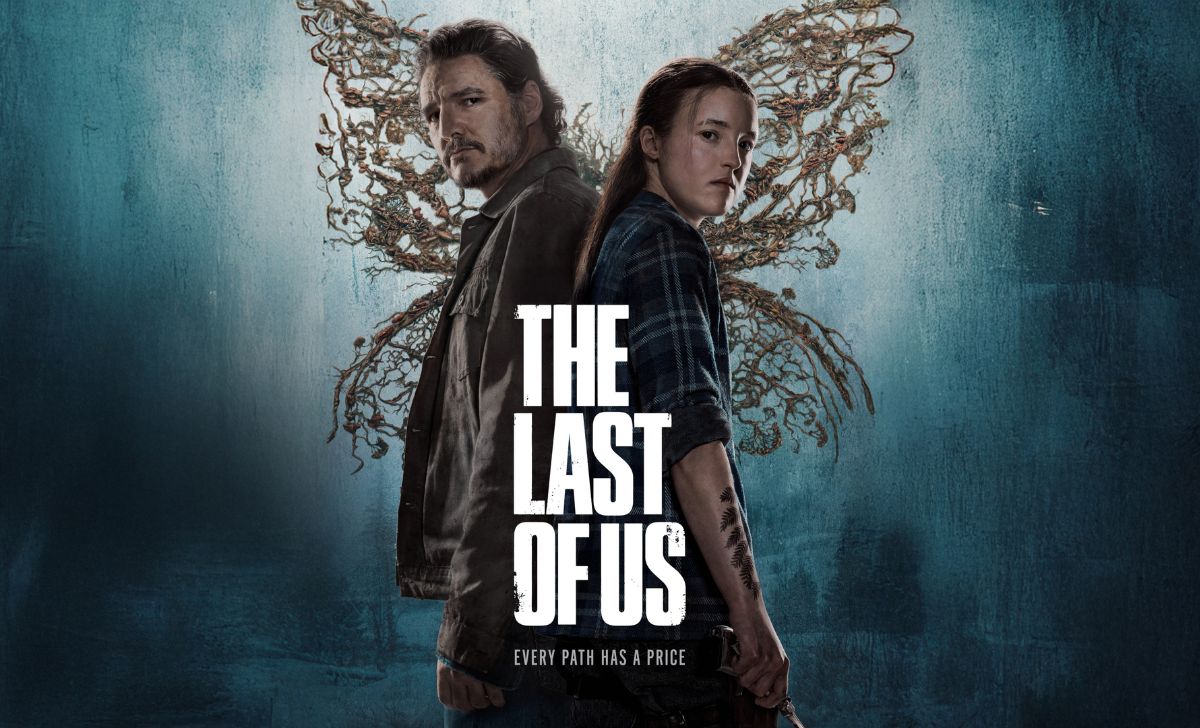
Season 3 is expected to look very different in terms of cast as well. Most notably, Pedro Pascal—who played Joel—will not return. The story will now focus on characters who were only briefly introduced in Season 2, such as Abby, played by Kaitlyn Dever. Bella Ramsey will return as Ellie, but reports suggest her screen time may be heavily reduced depending on how the narrative is split.
This shift has already stirred up fan frustration. Many were surprised by the 2024 Emmy nominations, which overlooked key performers like Isabela Merced, who carried much of Season 2. Meanwhile, Pedro Pascal earned a “Lead Actor” nomination despite having limited screen time, and critics pointed out the weak script material given to Bella Ramsey.
The narrative for Season 3 is expected to mirror the second game’s controversial structure, where the story switches between Ellie and Abby. But unlike the game—where players could immediately transition between perspectives—the series forces audiences to wait years to continue one storyline, a choice many view as narratively risky.
Mazin’s Plan: One Long Season or Two More?
Originally, Craig Mazin had indicated that The Last of Us would require four seasons to fully adapt the second game’s story. However, Bloys’ comments suggest that plan might be changing. Either Mazin is reworking the structure into a single, extended third season or stretching it across two final seasons. Both options come with challenges.
If Mazin opts for two more seasons, the wait could drag out to 2030 before the story concludes. This raises concerns about momentum, fan retention, and actor availability. On the other hand, a super-sized Season 3 could require more time in development, pushing the release beyond 2027.
Fan Reaction: Mixed Emotions and Growing Concern
While the confirmation of a third season is welcome news, the reaction to the announcements has been far from enthusiastic. Many fans and critics are expressing skepticism about the creative direction under Mazin’s solo leadership. Season 2 was widely seen as a step down from the first, criticized for its pacing, inconsistent character arcs, and controversial storytelling choices.
Some fear Season 3 could double down on those missteps, especially without Druckmann’s influence. The long delays and fragmented structure only add to the tension. A large portion of the original cast will be absent, and with new characters taking the spotlight, there’s concern the emotional core of the show might be lost.