

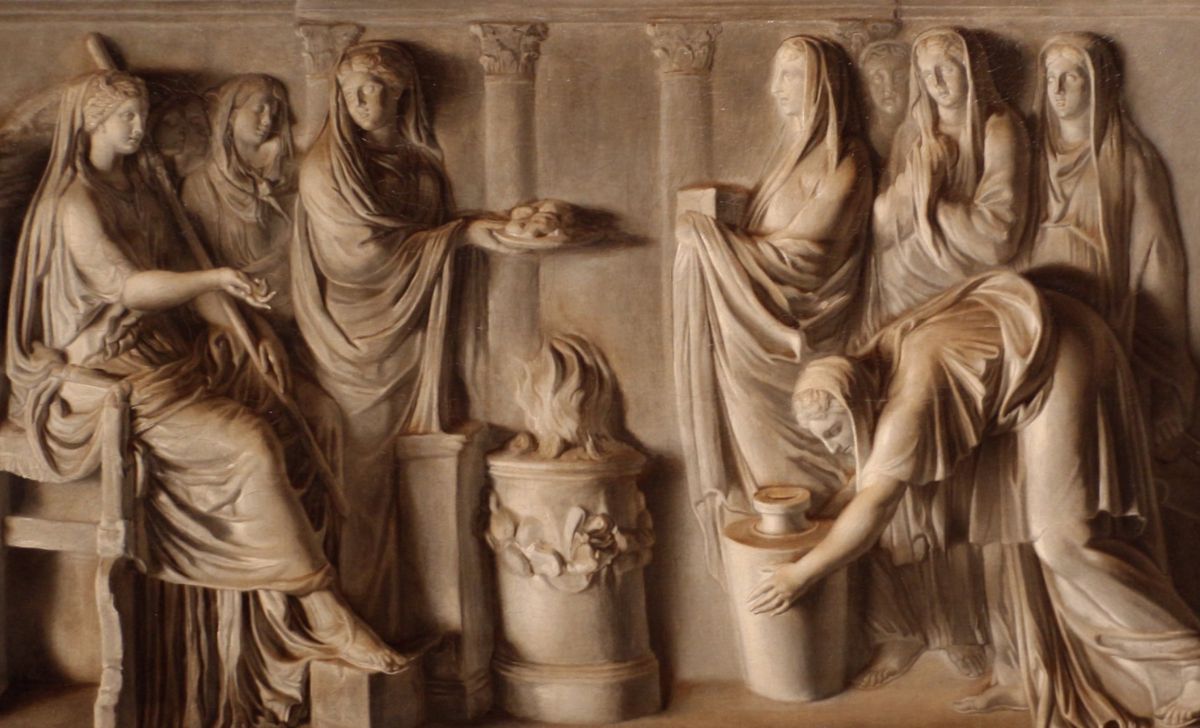
The Vestal Virgins of Rome lived lives both honored and haunted. Chosen as children, they were revered for their purity and dedication to the goddess Vesta, yet their existence was filled with strict rules, immense responsibility, and the looming threat of death. Among them was Licinia, a young girl who became a priestess after witnessing a horrifying ritual that would shape her destiny.
The Grim Spectacle of a Vestal’s Punishment
Crowds gathered along the streets of Rome to watch a solemn procession. At its center walked a Vestal Virgin, her white robes trailing as she moved toward an underground chamber. Though she proclaimed her innocence, her words carried no weight. She had already been judged guilty of breaking her sacred vow.
The sentence was terrifying—live burial.
The chamber was designed not for life but for a slow death. Inside, there was just enough to delay the inevitable: bread, water, milk, oil, a lamp, a bed, and a blanket. At the threshold, the priestess cried out one final claim of innocence before stepping inside. The stone door closed, and she was lost forever to the Roman people.
Her death left only five Vestal Virgins. Rome would soon need another to take her place.
Licinia’s Selection as a Vestal Virgin
Among the crowd watching this execution was six-year-old Licinia. She had no idea that within days, she would be chosen as the next Vestal Virgin.
Her patrician family background, her young age, and her health made her the perfect candidate. Her parents felt immense pride that their daughter had been selected for such an honor, but for Licinia, fear quickly settled in. At only six years old, her childhood was over. She was bound to serve the goddess Vesta for the next thirty years.
Training in Service of the Goddess
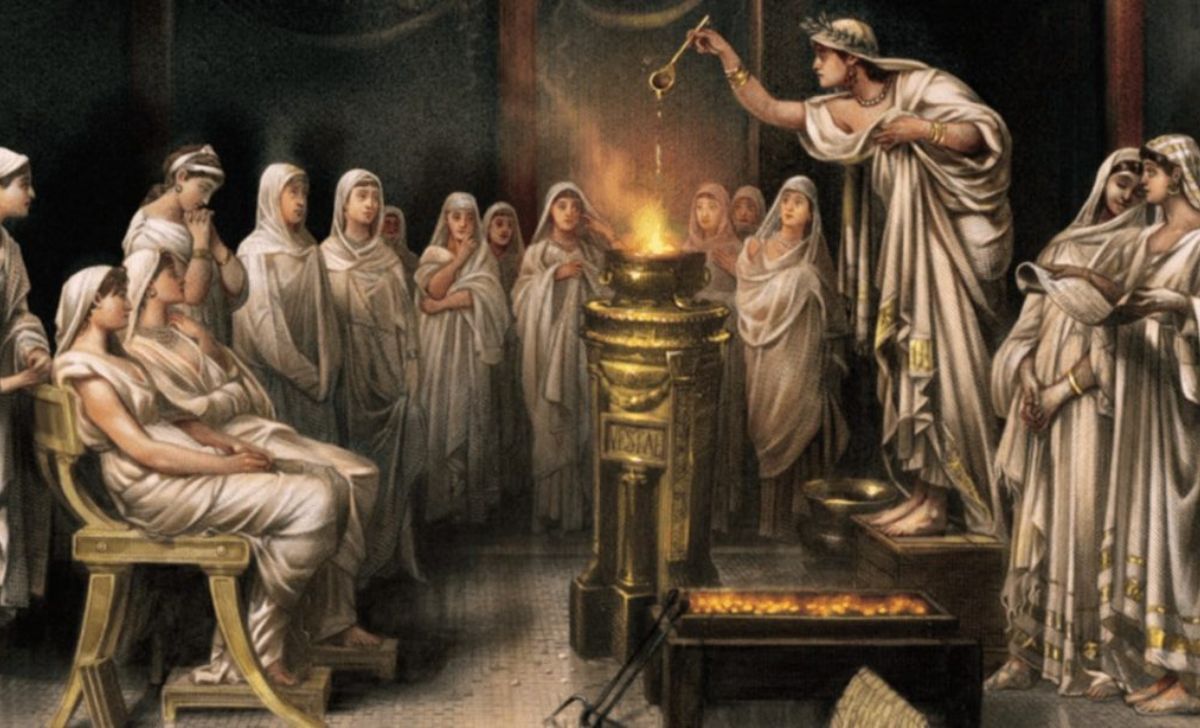
The first decade of Licinia’s life in the temple was spent in training. She learned the sacred rituals, observed sacrifices, and absorbed every detail of her duties.
At the heart of her responsibilities lay the most important task of all: tending to the eternal flame of Vesta. Unlike other deities, Vesta had no statue to represent her. Instead, her divine presence lived in the flame burning day and night inside her temple near the Forum.
For the Romans, this flame was more than symbolic.
- It represented the survival and strength of Rome as a city and as a power in the world.
- It embodied the purity and virginity of the Vestal priestesses themselves.
If the flame went out, it was seen as a sign that Rome’s fate was in jeopardy.
Life in the Temple
Each day, Licinia carried water from a nearby fountain to cleanse the temple. She memorized the Fasti, the sacred calendar of rituals, and assisted the elder priestesses during sacrifices.
By the time she turned sixteen, Licinia had completed her training and stepped fully into her role. Every action reflected her devotion:
- When she collected water, she kept her eyes lowered, showing humility.
- During sacrifices, she worked with precise focus, leaving no room for error.
- She carried herself as a living embodiment of purity, knowing the weight of her example.
The Constant Shadow of Fear
Despite the prestige of her position, Licinia lived with constant fear. Every Vestal knew the risk of being accused of incestum, or unchastity. The accusation alone could condemn a priestess, regardless of her guilt or innocence. The punishment was always the same—burial alive.
Licinia finally understood why her predecessor had faced that fate.
A decade earlier, the sacred flame had gone out. The priestesses could not hide such a disaster, as the entire city’s future seemed to hang on its survival. The chief priest opened an investigation, and someone accused one of the Vestals of impurity. Whether true or false, the verdict was already decided.
The Vestal pleaded for her innocence, but it didn’t matter. She was executed to protect the city.
Licinia’s Burden and Legacy
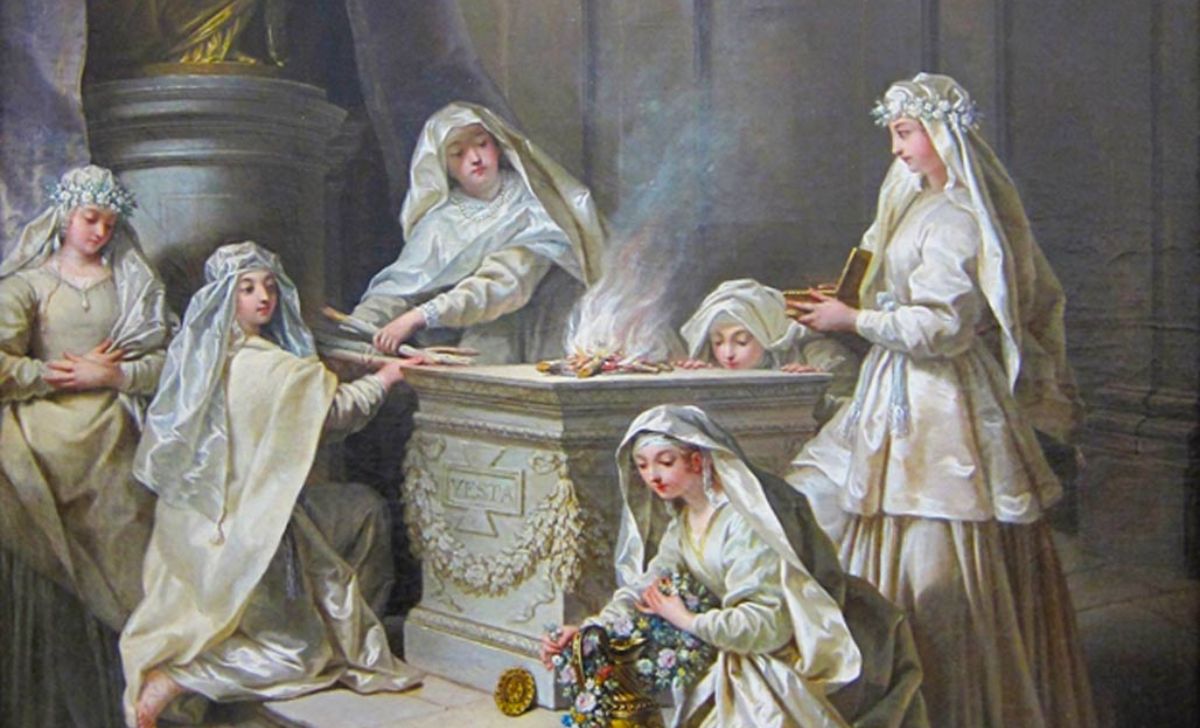
As Licinia reflected on her years of service, she carried a heavy sorrow. She mourned the death of the priestess who had been sacrificed, knowing that her own place as a Vestal existed only because of that tragedy.
The path she walked was paved with another woman’s death. Worse still, her own fate could mirror it. If the sacred flame faltered under her watch or if someone whispered a false accusation, she could just as easily face the same punishment.
Her devotion kept her focused, yet she lived each day with the awareness that her life was not truly her own. She belonged to Vesta, to Rome, and to a destiny that could end in silence beneath the earth.
Conclusion: A Sacred Honor Bound by Fear
The story of Licinia reveals the paradox of Rome’s Vestal Virgins. They were exalted as protectors of the city, entrusted with the sacred flame that symbolized Rome’s survival. Yet the very power they held came at a crushing cost.
Licinia’s service shows how reverence and fear were inseparably woven into the life of a Vestal Virgin. Chosen in childhood, honored yet powerless, her existence was both a privilege and a prison. Her story reflects not just the devotion of one young girl but the immense weight of an entire empire’s beliefs resting on the shoulders of six priestesses—and the flame they guarded.