

In 1988, Warner Bros. received tens of thousands of angry letters from comic book fans demanding an immediate recast. The studio had just announced Michael Keaton as Batman, a casting choice that ignited a massive public outcry long before the internet existed. Fans expected a gritty adaptation matching the dark tone of Frank Miller’s graphic novels, not the star of comedies like Mr. Mom. Yet, this controversial decision resulted in a cinematic portrayal that redefined the superhero genre. Today, Gobookmart explores how a comedic actor transformed into Gotham’s darkest protector and changed comic book movies forever.
The 1988 casting backlash and fan outrage
When director Tim Burton took on the 1989 Batman film, he faced immense pressure to deliver a serious take on the Caped Crusader. Fans wanted a dark, brooding hero. Instead, Burton cast Michael Keaton, an actor best known for his manic comedic energy in films like Beetlejuice and Night Shift. The announcement caused immediate panic among comic book readers. They feared the new movie would repeat the campy, colorful tone of the 1960s Adam West television series.
Warner Bros. offices were flooded with mail. Tens of thousands of letters arrived from fans who felt Keaton lacked the physical presence and dramatic weight required for the role. Comic book conventions became hotbeds of debate, with attendees circulating petitions to have Keaton removed. Despite the overwhelming negativity, Tim Burton stood by his choice. Burton believed that a man who dresses up as a bat to fight crime must have a deeply unsettled psychological state. He saw a specific manic energy in Keaton that perfectly fit this vision of Bruce Wayne.
This casting controversy remains one of the most famous in Hollywood history. It set a precedent for future comic book movie castings, proving that initial fan reactions do not always predict the final cinematic result. Fans who follow comic book news know that similar backlashes happen today, but the 1988 outrage remains the original standard for fan pushback.
Production budget and Jack Nicholson’s historic contract
The production of the 1989 film was a massive undertaking that tested the limits of Warner Bros. resources. The initial budget was set at 30 million dollars, but the ambitious set designs and complex special effects quickly pushed costs higher. The final production budget escalated to 48 million dollars, a staggering sum for a superhero movie at the time. According to The Numbers, the official production budget is listed at 35 million dollars, but the total costs of bringing Gotham City to life were much higher.
A significant portion of the budget went toward securing top talent. To ensure the film’s success, the studio pursued Jack Nicholson for the role of the Joker. Nicholson knew his value and negotiated one of the most lucrative contracts in Hollywood history. He demanded top billing over Michael Keaton, a strict shooting schedule that accommodated his personal life, and a percentage of the film’s total earnings. This included a cut of the merchandise sales, which proved to be a brilliant financial move.
The dynamic between the two lead actors became a central focus of the film. The pair of Batman and Joker in this movie set the standard for superhero rivalries. Nicholson’s theatrical performance contrasted sharply with Keaton’s restrained, quiet intensity. This dynamic helped the film become a massive financial success, earning over 400 million dollars at the global box office and justifying the studio’s massive investment.
Mastering physical acting in the heavy rubber Batsuit
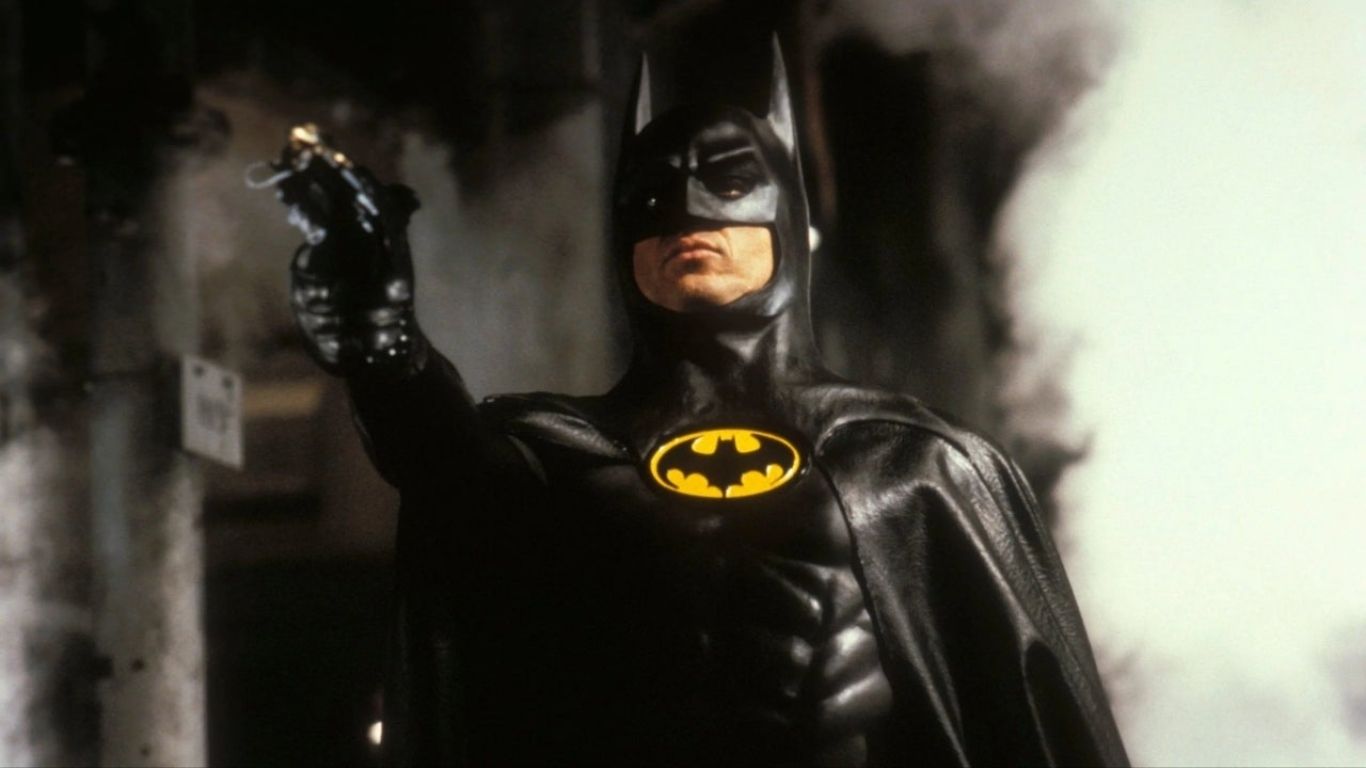
One of the most overlooked aspects of this performance is how Michael Keaton as Batman adapted his physical acting to accommodate the restrictive costume. The 1989 Batsuit was constructed from thick, heavy rubber that weighed nearly 40 pounds. It was incredibly hot, claustrophobic, and severely limited the actor’s mobility. The cowl was attached directly to the cape and shoulders, meaning Keaton could not turn his head independently.
Instead of letting the suit ruin his performance, Keaton used the restriction to his advantage. He developed a specific movement that fans now call the Bat-turn. When he needed to look to the side, he had to rotate his entire upper body. This stiff, deliberate motion gave the character an unnatural, intimidating presence. It made Batman look less like a man in a suit and more like a rigid, unstoppable creature of the night.
The suit also forced Keaton to rely heavily on his eyes and voice. Because the thick rubber muffled his hearing and restricted his facial expressions, he dropped his voice to a harsh whisper. This vocal choice became a defining characteristic of the hero for decades to come. Fans looking back at the top suits of Batman from movies often cite the 1989 design as the most influential, despite its practical flaws. The moment Keaton first appears on screen remains one of the best suit-ups in DC movies.
Exploring Bruce Wayne’s psychological trauma
While previous adaptations focused on the hero’s gadgets and adventures, the 1989 film took a deep dive into Bruce Wayne’s psychological trauma. Keaton played Wayne not as a suave, confident billionaire, but as a deeply distracted and haunted man. His Bruce Wayne is socially awkward, often appearing lost in his own massive manor. He struggles to connect with normal people, highlighting the isolating nature of his childhood trauma.
This interpretation laid the groundwork for future actors. When comparing the actors who played the role of Batman, Keaton’s quiet instability contrasts with Christian Bale’s aggressive anger and Robert Pattinson’s grunge-inspired depression. Keaton’s Wayne feels like a man who genuinely might be losing his mind, making his decision to dress as a bat feel like a logical extension of his broken psyche.
The film also explores the duality of the character. The Joker is loud, colorful, and chaotic, while Batman is silent, dark, and rigid. This psychological mirroring elevates the movie beyond a simple action film. It asks the audience to consider whether the hero is just as crazy as the villains he fights. This thematic depth is a major reason why Tim Burton is often listed among the top comic book directors of all time.
The evolution of the Gotham universe and The Flash
Michael Keaton reprised his role in the 1992 sequel Batman Returns, diving even deeper into the weird and gothic elements of Burton’s Gotham. After that film, Keaton walked away from the franchise, refusing to participate in the lighter, more commercial direction the studio wanted to take. For thirty years, fans wondered what happened to his version of the character. The answer finally arrived in the 2023 DC Extended Universe film The Flash.
The Flash introduced a multiverse storyline that allowed Keaton to return to his most famous role. The film reveals a Gotham City that evolved significantly during the 30-year gap. [COVERAGE GAP: Specific details on how the Burtonverse Gotham rebuilt itself politically and economically off-screen remain largely unexplored in the film’s exposition]. However, the movie does show an older, retired Bruce Wayne who has successfully cleaned up his city, rendering Batman obsolete.
Seeing the classic character back in action was a major draw for audiences. The film updated his technology while keeping the retro-futuristic aesthetic of the original movies. This included a return to the classic vehicle designs. Many fans still consider the 1989 vehicle to be the standard, often ranking it highly among the best Batmobiles of all time. The evolution of the Batmobile over the years owes a massive debt to the sleek, jet-powered design introduced in Keaton’s first film.
Box office impact and critical reception
Despite the initial fan backlash, the 1989 film was a monumental critical and commercial success. It holds a 77 percent Tomatometer score on Rotten Tomatoes based on 143 reviews. Critics praised the dark atmosphere and the stunning production design, though some noted that Jack Nicholson’s Joker occasionally overshadowed the title character. The movie dominated the summer box office, proving that dark, serious comic book adaptations could be highly profitable.
The financial success of the film changed Hollywood. It sparked a wave of superhero movies and demonstrated the massive earning potential of movie merchandise. The bat logo became ubiquitous, appearing on everything from t-shirts to cereal boxes. This success paved the way for future adaptations and cemented the character’s status as a global pop culture icon. The visible changes in Batman over the years all trace back to the aesthetic choices made in 1989.
Decades later, the public’s appreciation for this portrayal has only grown. A 2022 poll by Morning Consult revealed that Michael Keaton is America’s favorite Batman. He earned the highest net favorability rating among all actors who have played the role, beating out both Adam West and Christian Bale. This data proves that the controversial casting choice of 1988 ultimately produced the most beloved version of the character in American pop culture.

Frequently Asked Questions
Why did fans object to Michael Keaton playing Batman?
In 1988, fans objected to the casting because Michael Keaton was primarily known for starring in comedy films like Mr. Mom and Night Shift. Comic book readers wanted a serious, physically imposing actor to match the dark tone of the recent graphic novels. They feared the studio was making a comedy.
How much money did the 1989 Batman movie make?
The 1989 film was a massive financial success. It earned over 400 million dollars at the worldwide box office against a production budget that escalated to nearly 48 million dollars. It was the highest-grossing film based on a DC comic book until The Dark Knight was released in 2008.
Did Michael Keaton play any other comic book characters?
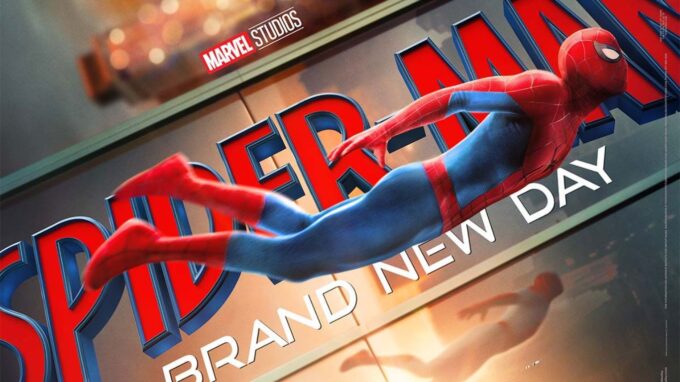
Yes. In addition to his DC roles, he crossed over to the Marvel Cinematic Universe. He played Adrian Toomes, also known as the Vulture, in Spider-Man: Homecoming. This makes him one of the notable actors who appeared in both Marvel and DC movies.
The legacy of Michael Keaton as Batman proves that bold creative choices often yield the best results. By transforming from a controversial comedy star into a definitive pop culture icon, he set the gold standard for superhero performances. His unique physical acting, psychological depth, and enduring popularity ensure that his version of Gotham’s protector will never be forgotten.



















Leave a comment