
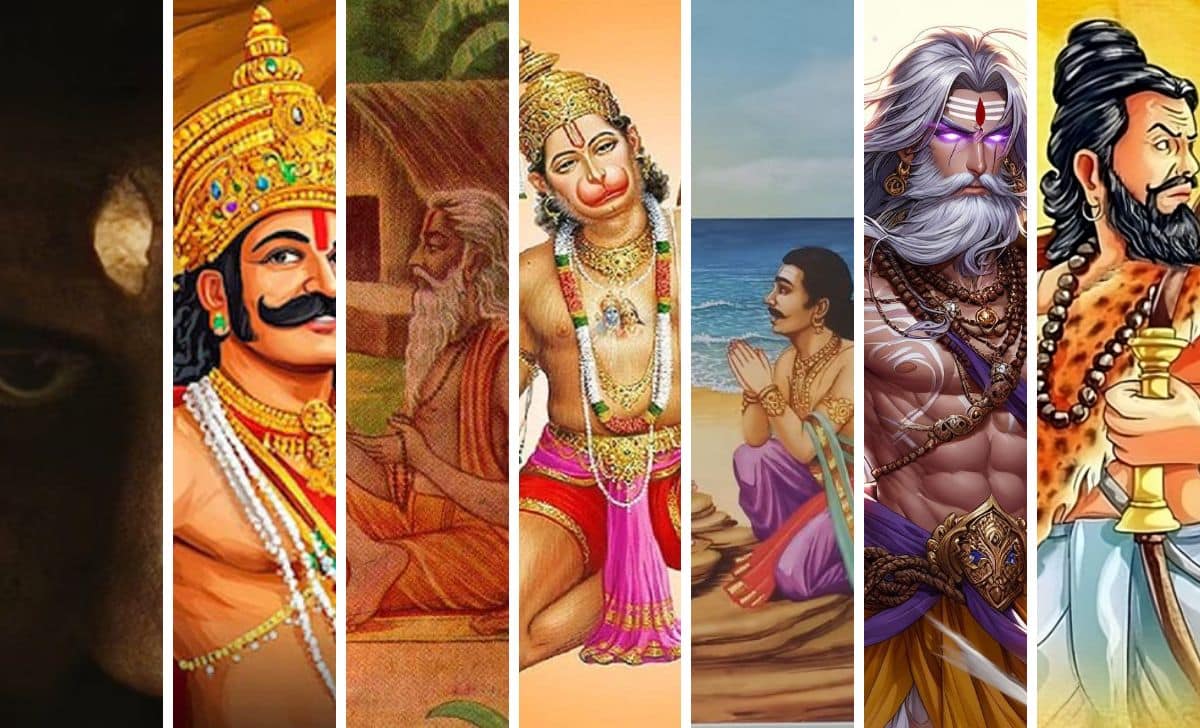
In the vast universe of Hindu mythology, tales of gods, demons, and humans often blur the lines between the divine and the mortal. But among all these characters, there are a select few—seven to be exact—who were granted immortality. Known as the Chiranjivis, these beings were blessed (or in some cases, cursed) to roam the Earth until the end of this current age, Kali Yuga. But who are these immortals? Why were they chosen to defy death itself? Let’s travel through time and stories as we uncover the legends of the 7 immortals of Hindu mythology.
The 7 Immortals of Hindu Mythology
Ashwatthama
Ashwatthama’s tale begins in the Mahabharata. He was the son of Dronacharya, the royal guru to both the Pandavas and Kauravas. From birth, Ashwatthama was different—he was born with a jewel on his forehead, symbolizing his divine strength and protection.
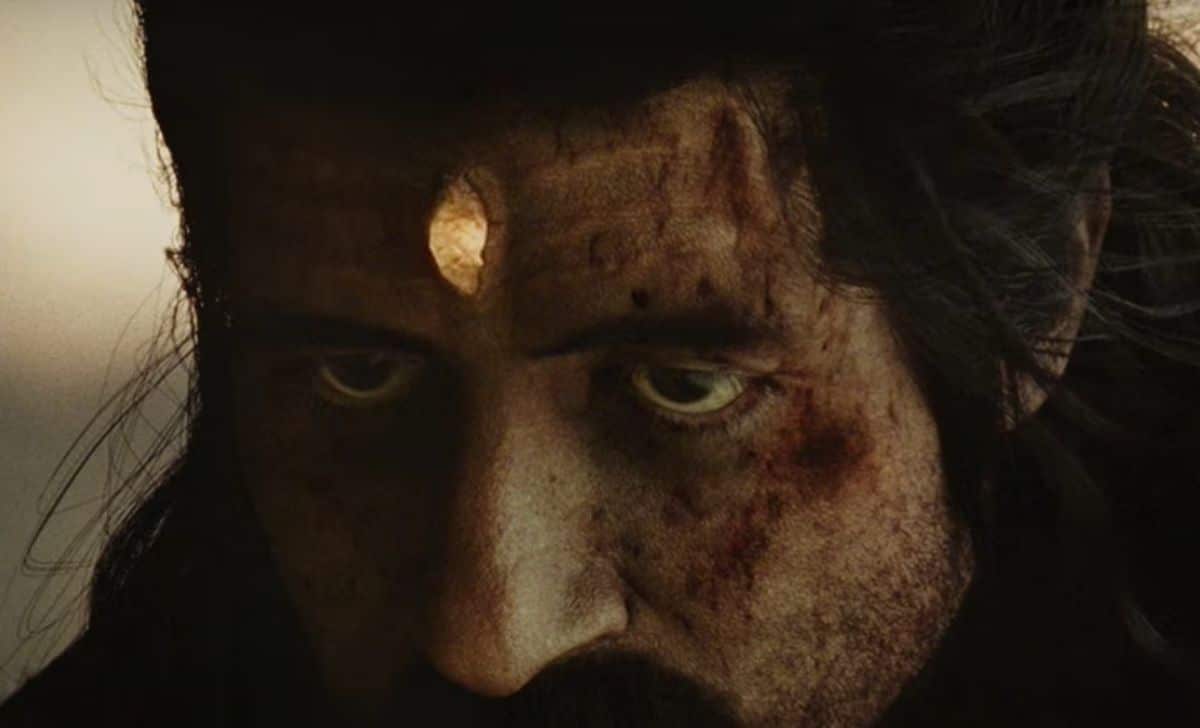
During the Kurukshetra war, after his father was deceitfully killed by the Pandavas, Ashwatthama’s rage consumed him. One night, driven by vengeance, he sneaked into the Pandava camp and slaughtered the sons of the Pandavas, mistaking them for the heroes themselves. This act was considered adharma—a violation of cosmic order.
As punishment, Lord Krishna cursed Ashwatthama to live forever, suffering from wounds that would never heal, hated and avoided by all humanity. Stripped of his jewel and dignity, he now wanders the Earth in pain and isolation—not blessed with immortality, but burdened by it.
Bali
Bali, also known as Mahabali, is remembered as a generous and just king—despite being an asura (demon). His reign was so righteous that people longed for his rule even after he was dethroned.
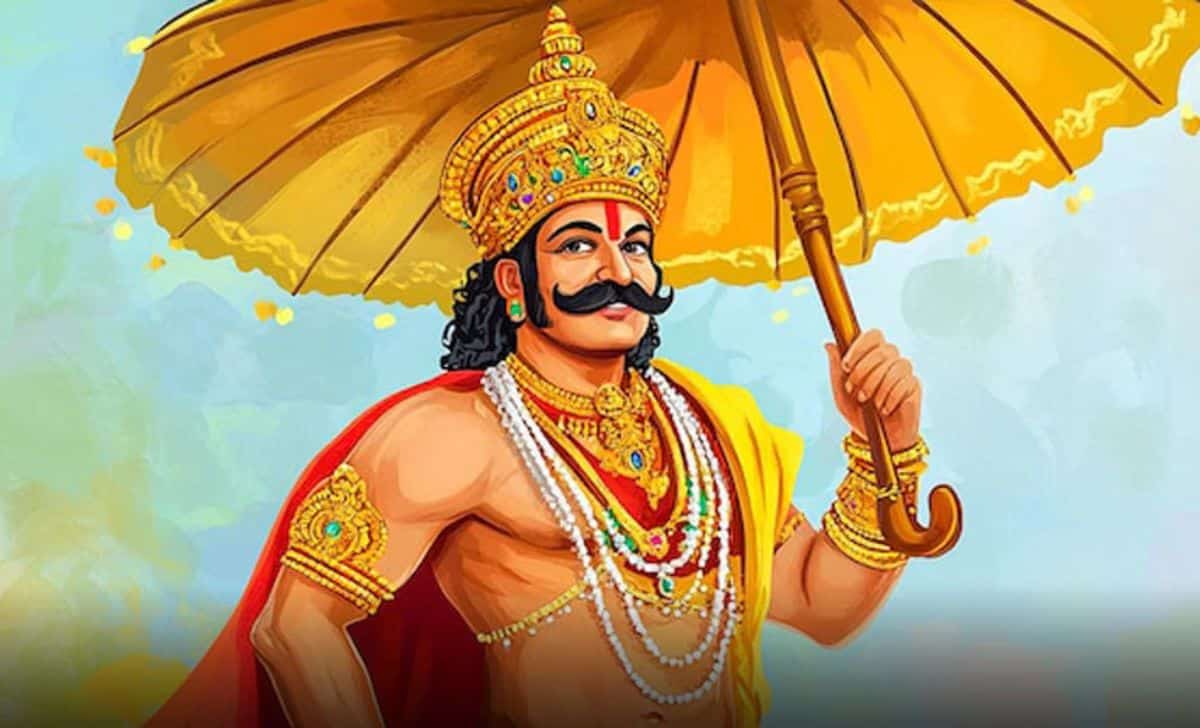
But his story took a divine twist when Vishnu incarnated as Vamana, a humble dwarf Brahmin. Seeking to curb Bali’s growing power, Vamana asked for a simple boon—three paces of land. Once granted, Vamana grew to cosmic proportions, covering heaven and Earth in two steps. For the third step, Bali offered his own head, symbolizing ultimate humility.
Impressed by his devotion and integrity, Vishnu granted him immortality and promised Bali he would rule again in the future era—Satya Yuga. Even today, the festival of Onam in Kerala celebrates his return to visit his people once every year.
Vyasa
Next, we meet Ved Vyasa, the sage who compiled the Vedas, wrote the Mahabharata, and shaped countless spiritual texts. His role in Hinduism is unparalleled—his name literally means “divider,” as he split the original Veda into four parts to make it more accessible to humanity.
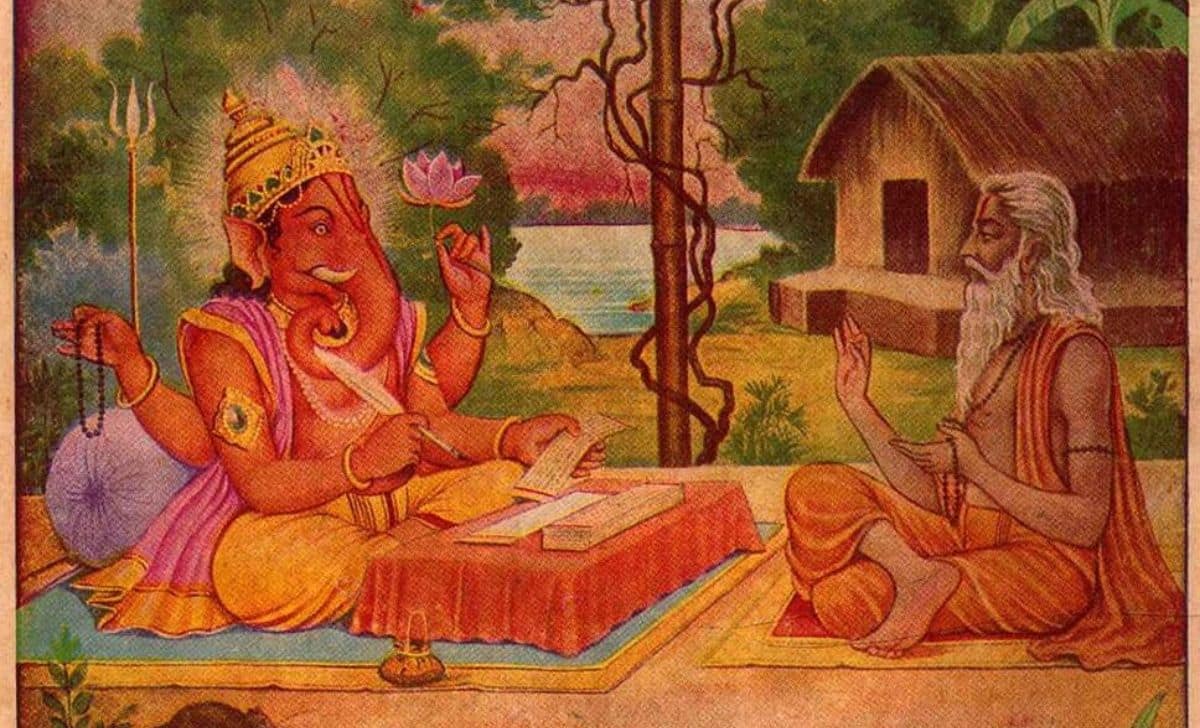
But Vyasa’s story isn’t just about scholarship. He was born to sage Parashara and Satyavati and lived through multiple generations of kings and warriors, often stepping in as a spiritual guide or even as a catalyst in royal affairs.
Vyasa’s immortality is tied to his divine purpose—to preserve dharma through knowledge. It is said that he continues to live in the Himalayas, quietly watching humanity and recording events that will form the next Mahabharata.
Hanuman
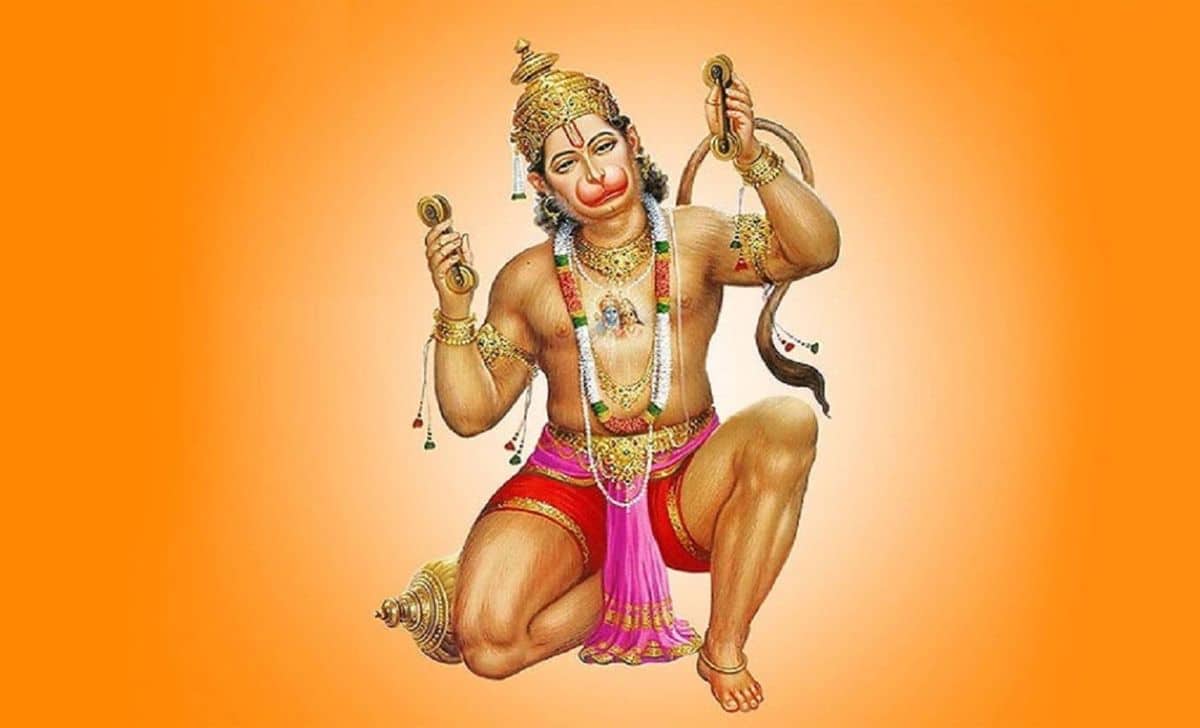
Hanuman, the mighty monkey god and devotee of Lord Rama, is probably the most loved immortal in Hinduism. His strength, wit, loyalty, and humility made him a hero in the Ramayana, where he played a vital role in defeating Ravana and rescuing Sita.
But what made him immortal?
After the war, Lord Rama blessed Hanuman with a divine boon: to live as long as people continued to chant Rama’s name—which essentially meant forever. Hanuman also chose to remain on Earth to serve and protect devotees, especially those who call upon him with a sincere heart.
Even today, people believe that Hanuman appears in times of great crisis, invisible but ever-present, helping those who need strength and faith the most.
Vibhishana
Vibhishana was the brother of the demon king Ravana, but unlike his kin, he chose righteousness over family loyalty. He repeatedly advised Ravana to release Sita and make peace with Rama. When Ravana refused, Vibhishana joined Rama’s side in the Ramayana.
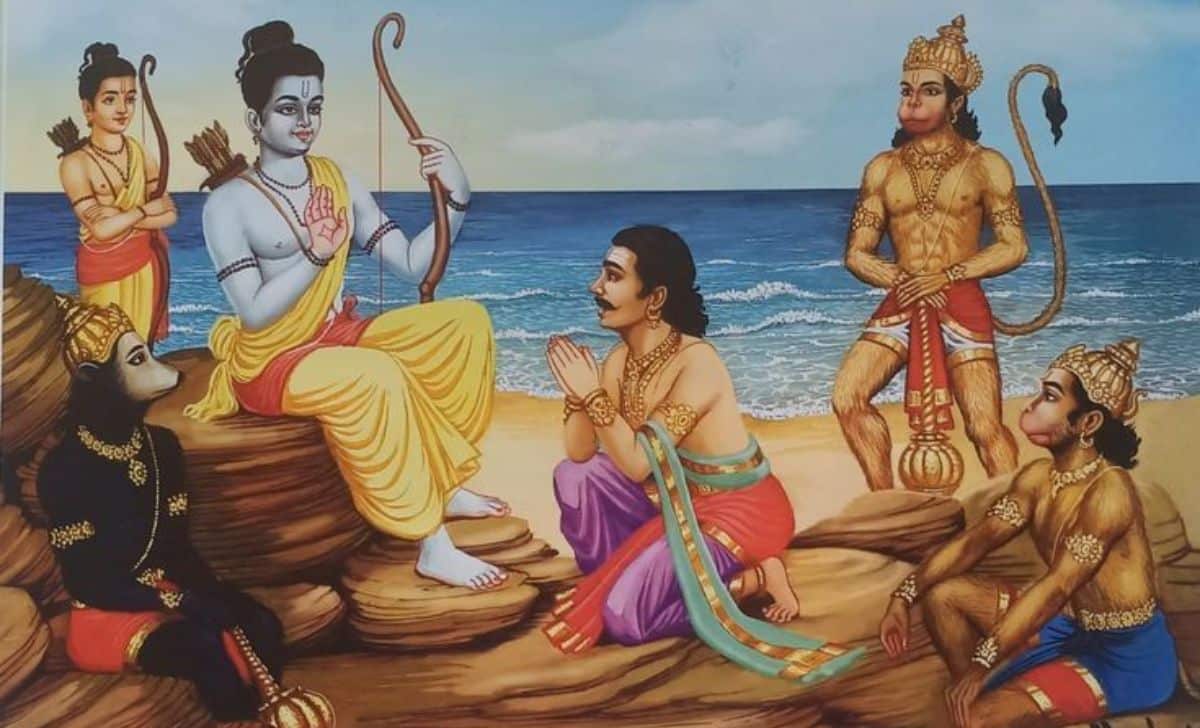
After the war, Rama rewarded Vibhishana with the throne of Lanka and granted him immortality. But his immortality came with a purpose—to guide and protect dharma in Lanka for all time.
Unlike his brother Ravana, Vibhishana is seen as a symbol of moral strength—proof that birth does not define one’s values. His tale reminds us that even in the darkest places, righteousness can shine.
Kripacharya
Kripacharya, also known as Kripa, was one of the few warriors who survived the devastating Kurukshetra war. He served as the royal guru of the Kuru dynasty and was known for his mastery of warfare, as well as his wisdom and neutrality.
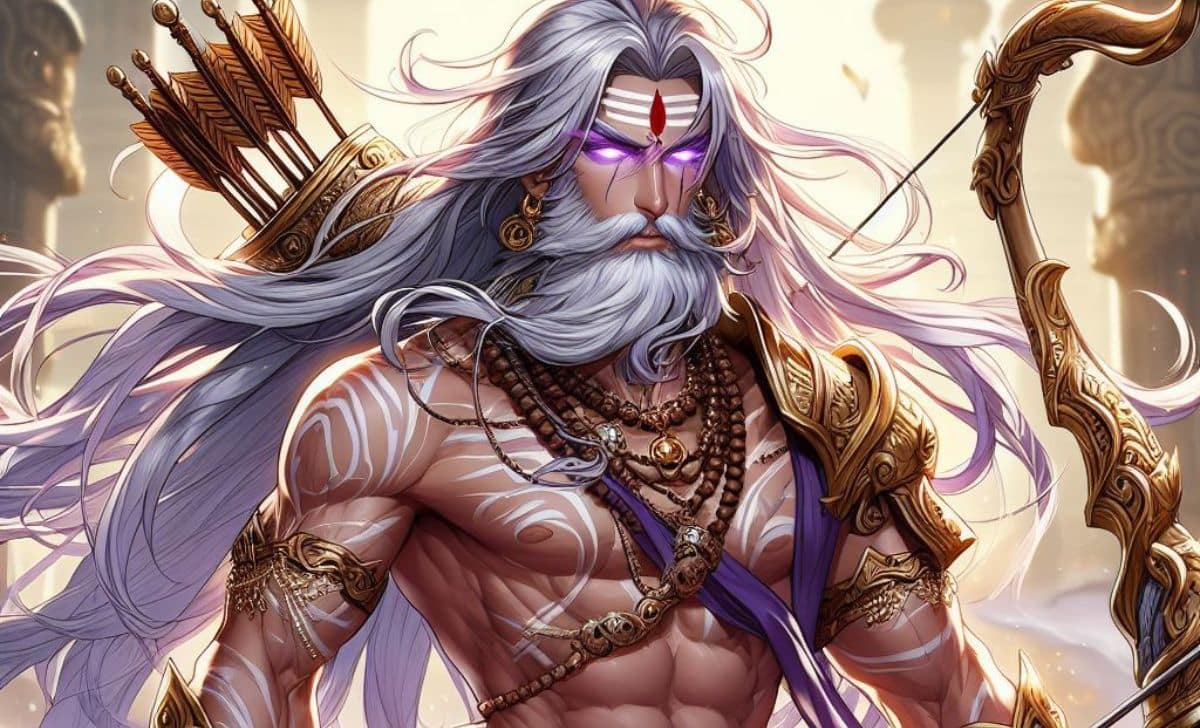
What sets Kripa apart is his incredible ability to adapt and survive, despite being involved in one of the bloodiest wars in mythology. He wasn’t cursed or blessed like the others—but was granted immortality because of his virtue, devotion, and wisdom.
In the end, Kripa becomes the guru of Parikshit, the grandson of Arjuna, ensuring that knowledge and dharma continued after the war’s destruction. He’s believed to live on, silently passing on knowledge to worthy warriors.
Parashurama
Last but not least is Parashurama, the sixth avatar of Vishnu. Unlike the peaceful sages we often imagine, Parashurama was a fierce warrior with an axe and an unshakable sense of justice. When the Kshatriya class abused its power, Parashurama wiped them out—not once, but 21 times.
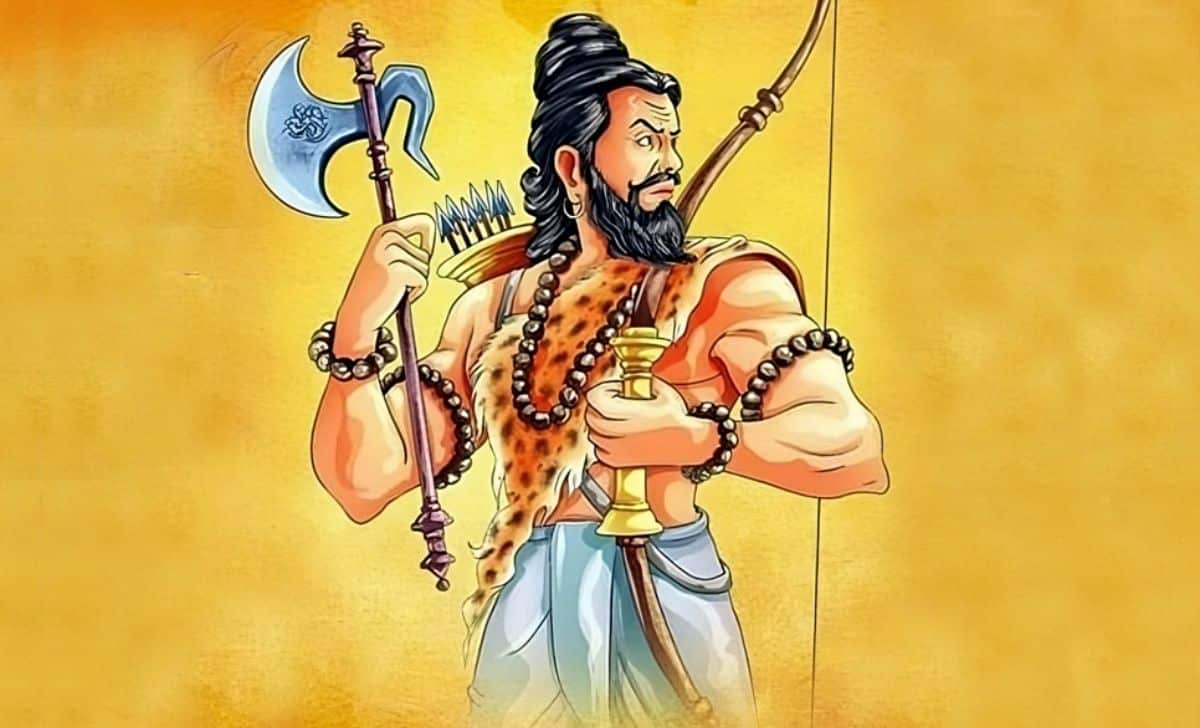
Yet he wasn’t evil—he was enforcing cosmic balance. After fulfilling his purpose, Parashurama retired to the mountains, continuing to meditate and live in secrecy. But here’s the twist—he will return.
Scriptures say that when Kalki, the final avatar of Vishnu, appears at the end of Kali Yuga, Parashurama will emerge as his guru, teaching him the martial arts and guiding him in the final battle between good and evil.