

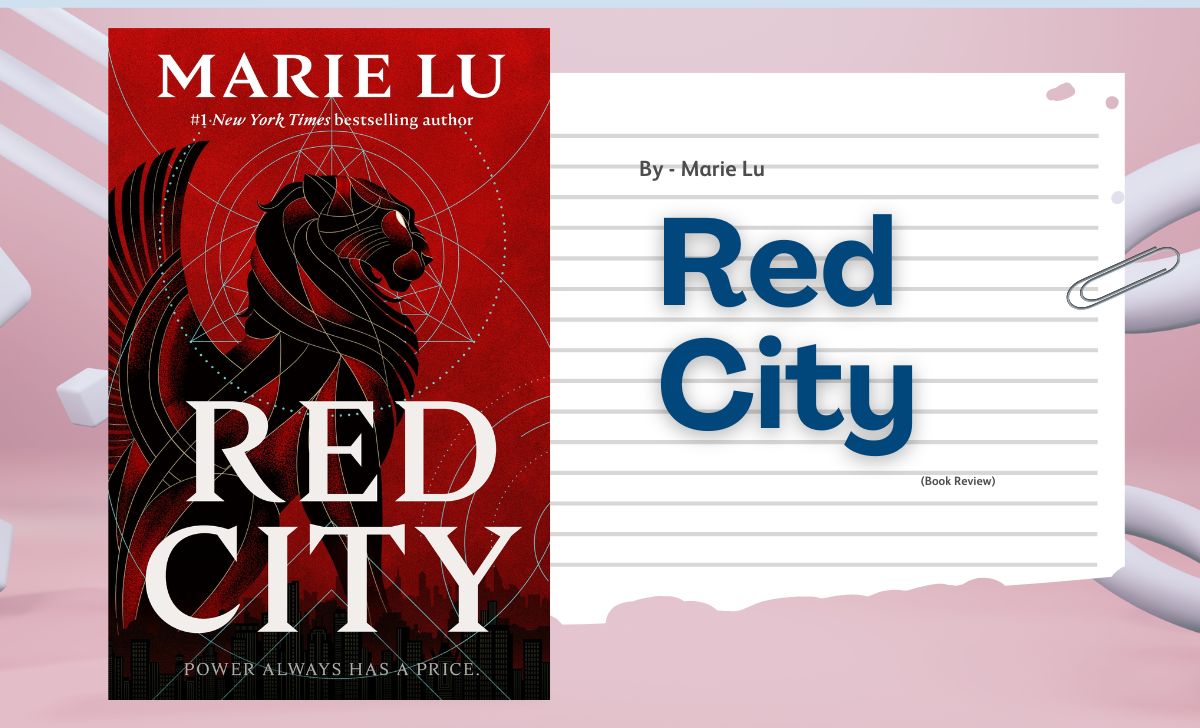
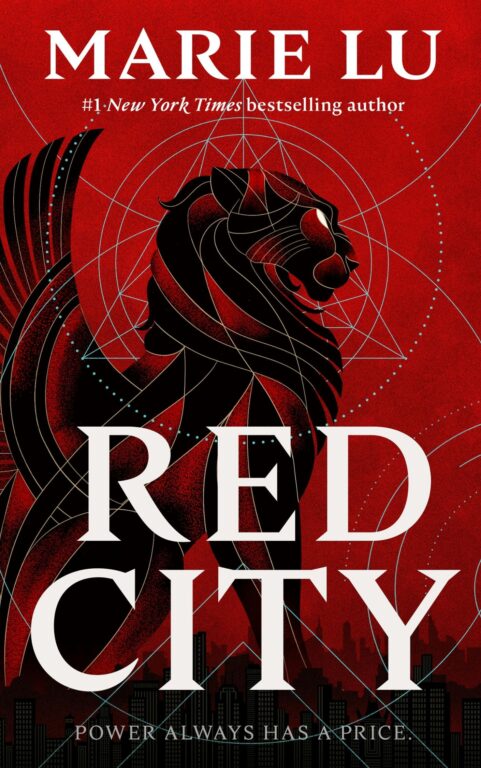
Marie Lu’s Red City arrives as a thunderclap: an adult-leaning urban fantasy that pairs high-stakes family drama with a violent, intoxicating magic system. If you know Lu from her YA work, expect her signature emotional clarity and propulsive plotting, but steeled for darker choices, more blood on the streets, and moral compromises that don’t cleanly resolve. What follows is a review that lays out the book’s plot, examines its strengths and faults, and explains why this one is already generating conversation among fantasy readers.
What the Book Is (Quick Plot Overview)
Red City is set in an alternate, noir-tinged Los Angeles—often simply called Red City—where alchemy has been weaponized, commercialized, and woven into family power structures. Two children are taken from different corners of the city and groomed by opposing magical syndicates: one trained in the formal schools of alchemical craft and the other raised in the violent, street-level networks that traffic in philosopher’s-stone-derived drugs.
Their loyalties, ambitions, and hearts collide as both rise in rank within institutions that demand ruthless choices. The novel plays like a collision of crime-family drama and urban fantasy: think family loyalty and betrayals against a backdrop of illicit magic and the intoxicating pursuit of perfection.
Worldbuilding: A City That Tastes of Smoke and Chemistry
Lu builds a city that feels lived-in and lived-on—the neon grit of an alt-LA where laboratories rub shoulders with club basements and family-owned empires run entire neighborhoods. The magic system (alchemy, built on a version of the philosopher’s stone) feels procedural: it has rules, costs, and a clear social infrastructure that makes it plausible as both technology and commodity.
That plausibility is essential, because much of the novel’s tension springs from how the city itself—its markets, its schools, its underworld—shifts when magic becomes product. The city often reads as a character in its own right, pulsing with greed, ambition, and desperation.
Characters and Relationships: Empathy Amid Cruelty
At the center are two protagonists (and several critical supporting players) whose arcs are less about tropes and more about the trade-offs they’re willing to accept. Lu excels at rendering interior life—ambitions, small humiliations, the private bargains people strike—so when a character commits an act that shocks, the reader often understands how they arrived there.
The heart of the novel is those human choices: power, protection, vengeance, and how the cost of each is paid. The emotional stakes land hard; Lu doesn’t shy from heartbreak. Where the book occasionally wobbles is in moments where secondary characters could have been given more space to fully complicate the moral landscape, but overall, the character work is compelling and memorable.
Pacing and Structure: Long Climbs and Sudden Falls
The novel takes its time establishing the rules of the world and the origins of its players—readers who want non-stop action from page one may find the early sections measured. That deliberate setup, however, pays dividends: once the factions begin to collide, the speed accelerates and the stakes ratchet upward.
Some readers reported a slow first half before the narrative hooks fully engage; others found the steady build exactly what made the later violence and heartbreak hit with more force. In short: patience early is rewarded later.
Themes: Addiction, Legacy, and What We Call Progress
At its thematic core, Red City is interested in how societies harness and monetize wonder. When alchemy becomes a marketable product, who benefits? Who is dispossessed? The book explores legacy—familial, institutional—and how ambition can calcify into systems that require sacrifice to survive.
It also interrogates addiction in both literal and metaphorical registers: characters literally chase the high of alchemical substances, and figuratively chase power in ways that erode their moral clarity. Lu doesn’t offer easy moral lessons; instead, she places characters inside consequences and asks readers to decide where blame—and pity—belongs.
Writing Style and Tone
Lu’s prose is lean and cinematic. She can turn an action sequence into a breathing, aching scene and fold quieter emotional beats into the same sentence structure that propels fight scenes. Dialogue is sharp, and world details are delivered with confidence rather than info-dumps.
The book’s tone skews adult—gritty, at times grim—but Lu balances brutality with tenderness so that the narrative avoids becoming numb or cynical. The novel marks a successful migration from YA to adult fiction while keeping Lu’s clear narrative voice intact.
What Didn’t Fully Land
While the strength of Red City is its atmosphere and emotional punch, there are moments where the plot leans heavily on genre conventions—the rival-families setup, the “chosen” potential of young talents—which may feel familiar to seasoned readers of crime fantasy.
A few side characters could use more development, and the moral ambiguity occasionally tips into narrative cruelty that some readers will find exhausting rather than illuminating. Still, those are not fatal flaws; they’re texture choices that will land differently depending on what each reader values most.
Final Verdict
Red City is a bold, confident book: an adult urban fantasy that marries the intimacy of family drama to the scale of organized, magical systems. It’s not gentle, and it doesn’t want to be. If you like your fantasy with moral grit, political maneuvering, and a setting that smells like gasoline and alchemical smoke, this is one to prioritize.
For readers hoping for a clean hero’s arc or a warm resolution, be warned: Lu prefers complexity and consequence to tidy endings. Overall, Red City stands as one of her most mature and daring works to date—highly recommended for fans of Fonda Lee, V.E. Schwab, and anyone who enjoys a city that demands you pay attention to what it asks for in return.