
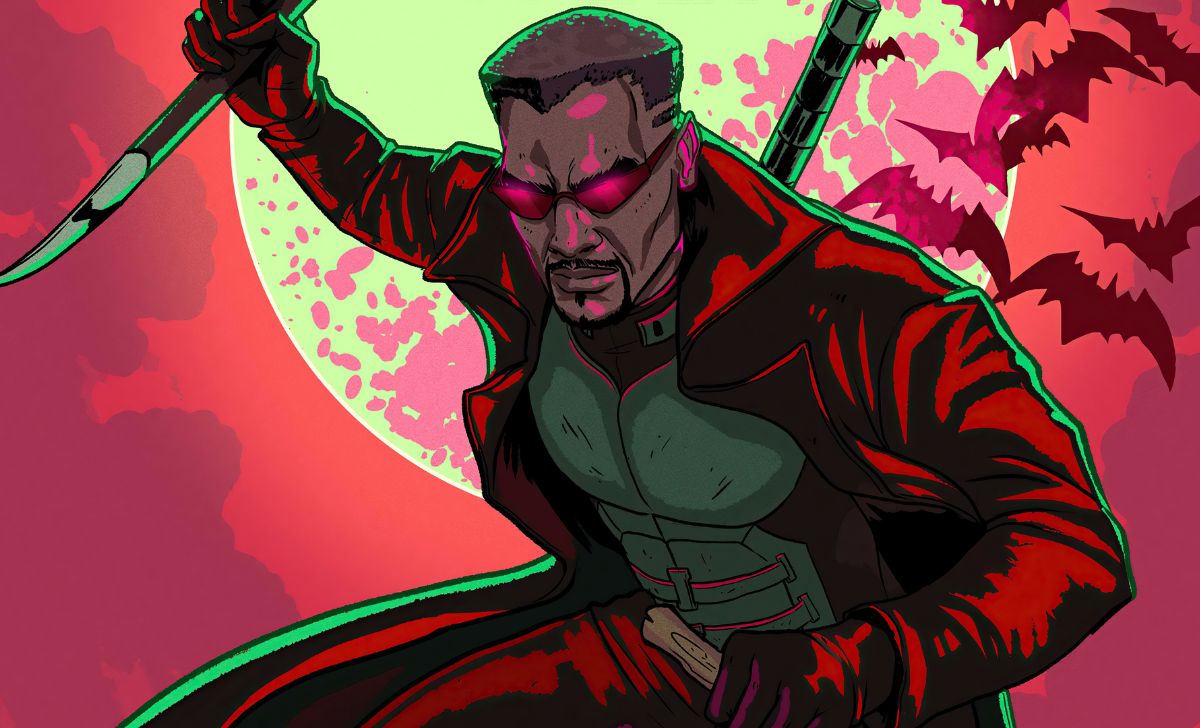
When you think of vampire hunters, few names resonate as strongly as Blade, Marvel’s half-human, half-vampire warrior who walks the line between two worlds. While many first discovered him through the Spider-Man: The Animated Series in the 1990s or Wesley Snipes’ iconic film trilogy, Blade’s story stretches far deeper into the pages of Marvel Comics. His origins, powers, and mission of vengeance make him one of the most compelling characters in Marvel’s supernatural roster. Let’s trace Origin and History of Blade — from his shocking birth to his battles against Dracula and beyond.
Blade’s First Appearance in Comics
Blade made his debut in The Tomb of Dracula #10 (1973), created by writer Marv Wolfman and artist Gene Colan. His early design was almost unrecognizable compared to the sleek “Daywalker” we know today. He wore a green jacket, sported a large afro, yellow-tinted sunglasses, and carried wooden stakes strapped to his chest. Like many Marvel heroes, Blade’s appearance evolved over time, but his mission has remained the same: destroy vampires.
A Birth Marked by Tragedy
Blade’s real name is Eric Brooks, and his story begins in London in 1929. His mother, Tara Brooks, gave birth to him in a brothel. But the doctor who delivered him wasn’t human at all — he was Deacon Frost, a powerful vampire.
During childbirth, Frost fed on Tara, transferring his own vampiric enzymes to the infant through the umbilical cord. This horrific event turned Eric into a dhampir — a being with all the strengths of vampires but none of their weaknesses. Sadly, Tara died during the ordeal, leaving Blade to grow up without her.
The Mentor Who Shaped Him
Raised in Madam Vanity’s brothel, Eric’s life changed forever when he stumbled upon a vampire attack. He witnessed Jamal Afari, a trumpet player and vampire hunter, fend off the undead with a silver sword hidden in his cane. Impressed, young Eric asked Afari to teach him.
Afari became a father figure to Blade, training him in combat, music, and vampire lore. However, tragedy struck again when Afari was eventually bitten and turned into a vampire. Unable to save his mentor, Blade was forced to kill him. From that night onward, Blade swore vengeance against the creatures of the night — especially Dracula and Deacon Frost.
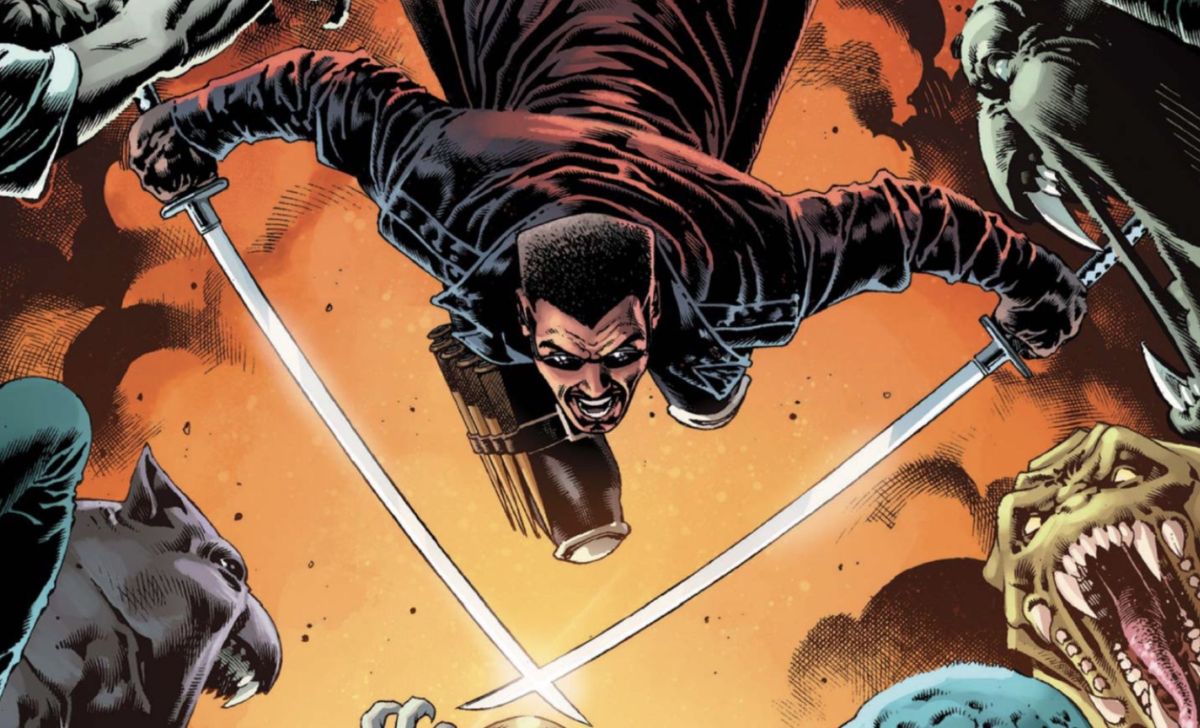
Blade’s Mission of Revenge
Blade didn’t waste time making his mark. Just three issues after his debut, in Tomb of Dracula #13, he fought and killed Dracula — though the vampire lord, unsurprisingly, didn’t stay dead for long. His more personal vendetta, however, was against Deacon Frost, the monster who killed his mother.
That battle came in Tomb of Dracula #53, where Blade teamed up with vampire-turned-private-investigator Hannibal King. Together, they confronted Frost in his lair. After a brutal fight, Blade impaled Frost with stakes and sent him crashing into a machine, seemingly destroying him once and for all.
From Morbius to Spider-Man
Blade’s path soon crossed with Morbius, the Living Vampire, a well-known Spider-Man foe. Their battles began in Adventure into Fear #24 (1974). Though Morbius often slipped away, one encounter changed Blade forever.
When Morbius bit him, the strange enzymes in Blade’s blood reacted differently to Morbius’ unique vampirism. The result? Blade gained the full suite of vampire powers — super strength, speed, regeneration, and heightened senses — but none of the weaknesses like garlic, silver, or sunlight. This transformation earned him the title “The Daywalker.”
Blade’s Evolution in Comics
The 1980s saw Blade fade into the background, but the 1990s resurrected his popularity. Beginning with Ghost Rider #28 in 1990, Blade co-starred in the Nightstalkers series, donning the look that many fans would recognize from the animated Spider-Man series. The Nightstalkers lasted only 18 issues, but it cemented Blade’s role in Marvel’s supernatural corner.
Later, he headlined Blade: The Vampire Hunter and miniseries like Blade: Blood Allies. Though short-lived, these stories kept him active in Marvel lore until his cinematic debut redefined him for mainstream audiences.
Blade in Modern Marvel
In the 2000s and beyond, Blade found himself woven into major Marvel storylines. During Civil War, authorities mistook his vampire kills for homicides, putting him on the run. He even tangled with Wolverine as part of a broader conflict.
Later, Blade joined the Mighty Avengers, adopting the Ronin identity to hide from enemies known as the Deathwalkers. Despite being unmasked, he fought alongside Earth’s heroes to defeat supernatural threats. In Secret Empire (2017), Blade returned in bloody fashion, cutting down hordes of vampires to protect humanity.

The Powers of the Daywalker
Blade’s abilities set him apart from both humans and vampires. Some of his most notable powers include:
- Superhuman Strength & Agility – He can lift up to 10 tons and leap great distances.
- Healing Factor – After Morbius’ bite, Blade can regenerate organs and limbs.
- Longevity – He ages far slower than normal humans.
- Heightened Senses – His vision and hearing surpass even typical vampires.
- Danger Sense – He can detect supernatural beings nearby.
- Combat Mastery – Trained in martial arts, swordsmanship, and firearms.
Despite his gifts, Blade still craves blood. Rather than feed on humans, he relies on a serum to suppress his vampiric thirst — a reminder of the humanity he clings to.
Where to Start Reading Blade
If you’re curious about Blade’s comic history, here are some recommended reads:
- Tomb of Dracula (his first appearances)
- Adventure into Fear #24 (Blade vs. Morbius)
- Blade: The Vampire Hunter
- Nightstalkers
- Blade: Undead Again
These stories give you a sense of his evolution, from his early battles to the legend of the Daywalker.