
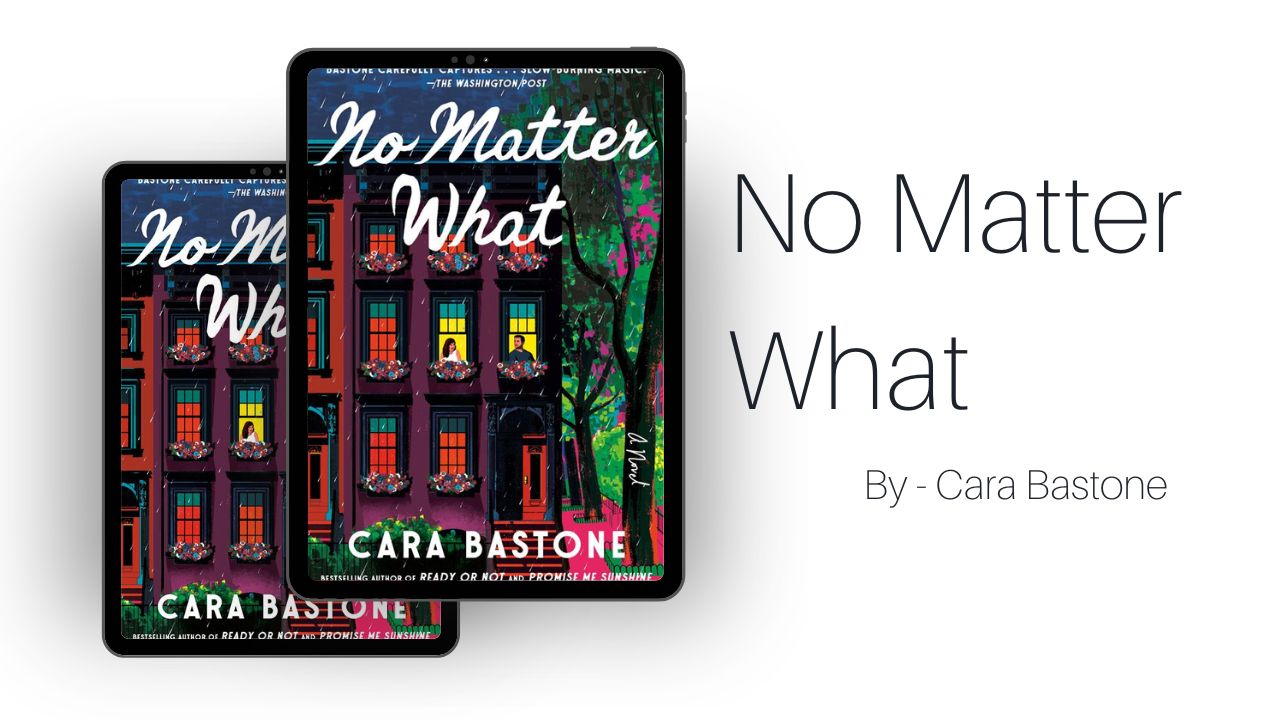
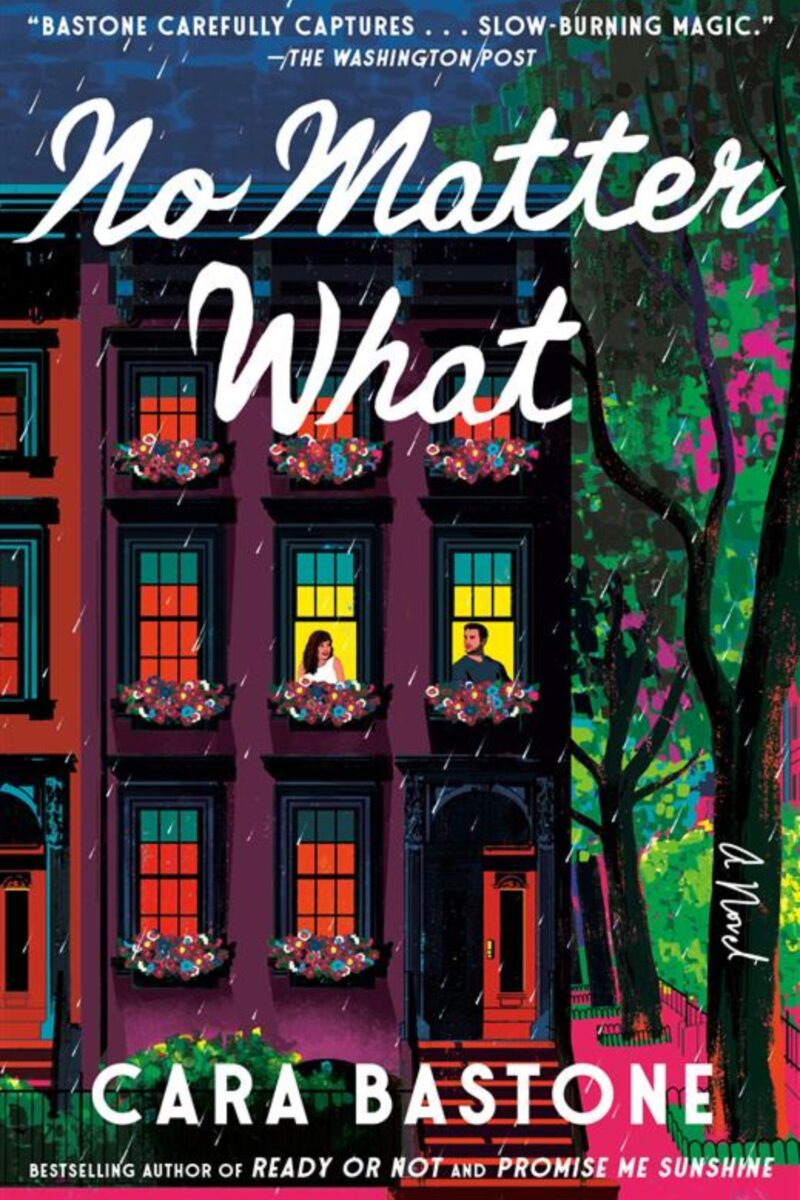
Romance novels often celebrate the beginning of love: the spark, the butterflies, and the thrill of two people falling for each other. But Cara Bastone’s No Matter What takes a very different approach. Instead of focusing on how love begins, the novel explores what happens after love is tested by trauma, silence, and emotional distance.
Released in March 2026, the book tells the story of a married couple trying to rebuild their relationship after a life-altering accident shakes the foundation of their lives. Through tenderness, quiet moments, and painful honesty, Bastone crafts a narrative that is less about dramatic twists and more about the fragile process of healing together.
What emerges is a moving portrait of marriage in crisis—one that feels raw, realistic, and deeply human.
Overview of the Story
At the center of No Matter What are Roz and Vin, a couple whose once-happy marriage has quietly fallen apart after a traumatic car accident. A year has passed since the incident, but instead of bringing them closer together, the experience has created a wall between them. They struggle to talk, struggle to connect, and eventually even struggle to share the same space.
Roz still hopes their marriage can be saved. Vin, however, seems to be preparing for the opposite. When Roz discovers that he has secretly signed a lease for another apartment, the reality of their separation finally sinks in.
Trying to cope with the emotional chaos, Roz signs up for a figure-drawing class—a seemingly small decision that slowly becomes the emotional center of the novel. The classes give her a sense of purpose and a creative outlet for the feelings she can’t put into words.
Then something unexpected happens: Vin offers to be her model.
The idea sounds awkward, even absurd. After all, drawing your estranged husband—sometimes literally studying every inch of him—is hardly a typical way to deal with a failing marriage. But the act of observation becomes a form of rediscovery. Through the process of drawing him, Roz begins to see the man she fell in love with again.
What follows is not a simple reconciliation story. Instead, it’s a gradual exploration of how two people who still care deeply for each other must learn to communicate again after grief has silenced them.
A Romance About Marriage, Not Just Falling in Love
One of the most striking aspects of No Matter What is that it focuses on a marriage already in progress rather than a new romance.
Many love stories thrive on the excitement of first attraction. Bastone instead asks a more complicated question:
What happens when love still exists, but everything else feels broken?
Roz and Vin are not strangers trying to figure out if they belong together. They already know each other intimately. They share memories, routines, and a past filled with affection. Yet the trauma they experienced has altered the way they see themselves—and each other.
The novel treats marriage not as a static state but as something that must constantly evolve. Love alone is not enough; understanding, vulnerability, and communication are just as essential.
This perspective gives the story a maturity that many romance novels lack.
Characters Who Feel Real and Flawed
Roz
Roz is the emotional lens through which most of the story unfolds. She is quirky, introspective, and sometimes overwhelmed by her own thoughts. Her internal dialogue reveals the complicated way people process pain—often overthinking situations while avoiding the conversations that might actually solve them.
Her journey throughout the novel is not just about saving her marriage but also about rediscovering herself. The art classes become symbolic of that journey. By learning to draw—observing shapes, shadows, and details—she slowly learns to see her life and relationships more clearly.
Vin
Vin is a quieter presence but an equally important one. He is portrayed as deeply kind and devoted, yet emotionally withdrawn after the accident. His silence becomes one of the central tensions in the book.
Rather than presenting him as an unfeeling partner, Bastone suggests that his distance comes from a place of unprocessed grief and fear. He doesn’t know how to talk about what happened, and his attempts to protect Roz sometimes end up pushing her further away.
Their relationship feels painfully believable because neither character is entirely right or wrong.
Themes That Give the Story Its Emotional Weight
1. Trauma and Emotional Aftershocks
The accident that changed Roz and Vin’s lives is never treated as a simple plot device. Instead, the novel focuses on the long emotional aftermath.
Trauma rarely ends when the physical injuries heal. The story captures how shock and grief can linger in everyday moments—affecting conversations, decisions, and even the way people occupy the same room.
Bastone portrays trauma not as dramatic breakdowns but as quiet distance, which makes the story feel authentic.
2. Miscommunication and Silence
Another central theme is the way silence can slowly erode relationships.
Roz and Vin both care deeply about each other, but they struggle to express their feelings. Each assumes the other already understands what they’re going through, and that assumption becomes one of the biggest barriers to healing.
In many ways, the novel is a reminder that love without communication can easily turn into misunderstanding.
3. Art as a Path to Healing
The figure-drawing class may initially seem like a quirky subplot, but it becomes one of the book’s most meaningful elements.
Art allows Roz to process emotions she cannot articulate. The act of studying Vin—really looking at him—forces her to reconnect with the person behind the silence.
Through art, the story suggests that healing often begins with observation and reflection.
Cara Bastone’s Writing Style
Cara Bastone has long been known for writing emotionally rich romance stories, and No Matter What continues that tradition.
Her writing style blends warmth with emotional intensity. She handles heavy themes—grief, trauma, and marital strain—without making the story feel overwhelmingly bleak. Moments of humor and tenderness provide balance, creating a narrative rhythm that feels natural and human.
The dialogue feels conversational and authentic, capturing the awkward pauses and half-finished thoughts that often appear in real relationships.
Another strength of Bastone’s storytelling is her ability to build intimacy through small moments rather than dramatic declarations. A quiet conversation, a shared memory, or a simple gesture often carries more emotional weight than a grand romantic speech.
Pacing and Narrative Structure
No Matter What is very much a slow-burn story.
Instead of rushing toward reconciliation, the novel spends time exploring the emotional distance between Roz and Vin. This deliberate pacing allows readers to fully understand how the couple reached this breaking point.
For some readers, the slower structure might feel challenging, especially in the early chapters when the tension is built primarily through introspection rather than action. But as the story progresses, the emotional payoff becomes clear.
The gradual nature of the healing process makes the eventual moments of connection feel genuinely earned.
Strengths of the Book
One of the novel’s greatest strengths is its emotional authenticity. The struggles faced by Roz and Vin feel believable because they are grounded in everyday experiences—grief, fear, and the difficulty of expressing vulnerability.
The supporting characters also add warmth and depth to the story. Friends and family members provide moments of humor and perspective that prevent the narrative from becoming too heavy.
Another highlight is the way Bastone portrays love not as something perfect but as something that must be relearned and rebuilt over time.
Potential Drawbacks
While the emotional realism of the novel is one of its biggest strengths, it may also be a challenge for some readers.
The story spends significant time inside Roz’s thoughts, which means the narrative sometimes leans heavily on introspection. Readers who prefer fast-paced plots or dramatic twists may find the pacing slower than expected.
Additionally, the central conflict—miscommunication—can occasionally feel frustrating, as many problems might seem solvable through direct conversation. Yet that frustration is also part of the story’s realism.
Final Verdict
No Matter What is not a typical romance novel. It doesn’t rely on dramatic meet-cutes or sweeping gestures. Instead, it explores the fragile and complicated reality of long-term love.
Cara Bastone delivers a heartfelt story about marriage, trauma, and the courage it takes to start again with the person you already chose once before.
Readers who enjoy emotionally driven romance—especially stories about relationships that must survive real hardship—will likely find this novel deeply moving.
Ultimately, No Matter What reminds us that love is not always about finding the right person. Sometimes it’s about finding your way back to them after everything falls apart.