
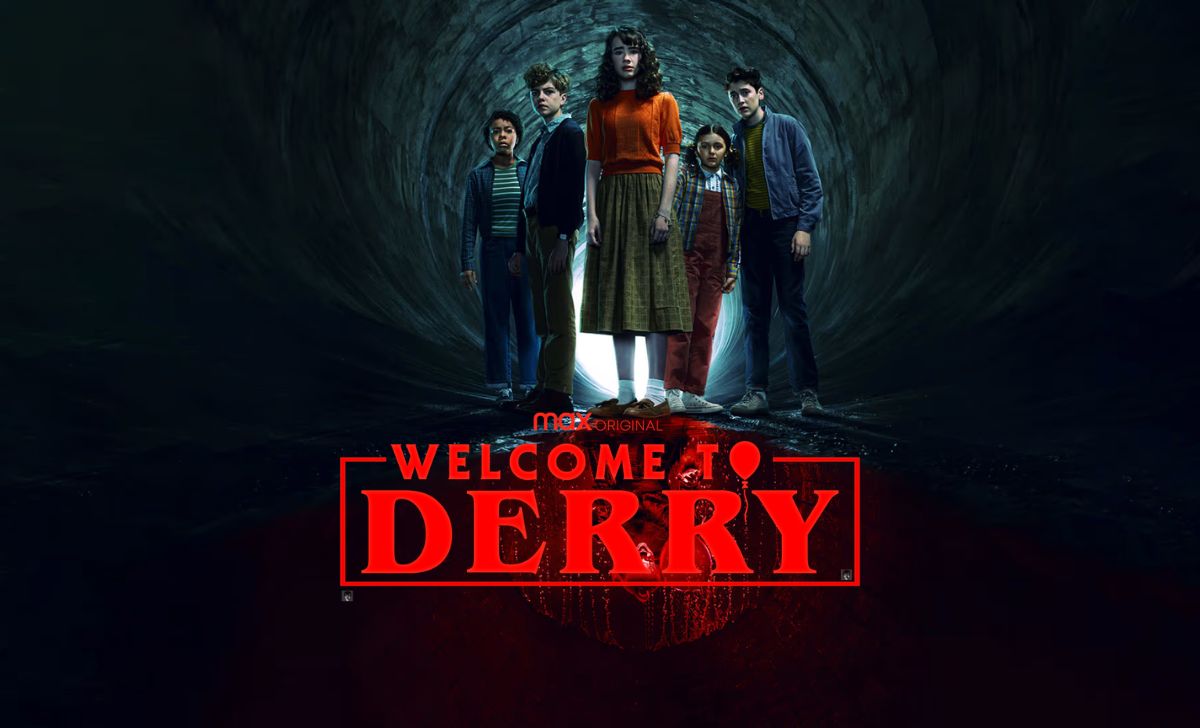
The town of Derry, Maine, has always been a place haunted by something lurking beneath the surface — a shapeless terror that feeds on fear itself. HBO’s IT: Welcome to Derry takes viewers back to the sinister origins of Stephen King’s infamous setting, diving deep into the history, mythology, and human horrors that birthed Pennywise the Dancing Clown.
A Prequel Born of Fear
Set in the 1960s, long before the Losers’ Club battled the supernatural entity known simply as “It,” this eight-episode series explores how evil took root in Derry. Created by Andy and Barbara Muschietti and writer Jason Fuchs — the team behind the IT film duology — the show unfolds like a chilling origin story that blends period drama with cosmic horror. Derry’s quaint small-town charm, captured through a meticulous recreation of mid-century America, serves as the deceptively tranquil surface under which unspeakable darkness festers.
The Evil Beneath the Surface
At its core, Welcome to Derry isn’t just about monsters; it’s about the pervasive brutality that comes from within the human condition. The show magnifies social fear and moral decay of the 1960s — racism, segregation, and repression — to mirror the feeding frenzy of the cosmic being that terrorizes its residents. When the clown-faced demon stirs once more, the show suggests it’s not merely supernatural hunger but societal rot that calls it forth.
Moments of gnawing suspense and skin-crawling body horror illustrate this monstrous cycle. Bloodied visions and surreal imagery intermingle with real-world dread, making it clear that Derry’s true curse is the people’s silence and complicity.
A Town Reimagined
Cinematographer Rasmus Heise paints Derry in hues of vintage pastels and shadowy reds, evoking a picturesque Americana turned inside-out. The series’ production values feel cinematic — fog-drenched streets, vintage theaters, grimy sewers, and carnival lights glowing like warning signs. There’s an ever-present sense of something lurking behind the static of televisions or beneath the town’s cobblestones — a visual reminder of King’s idea that evil is never truly gone; it merely sleeps.
New Souls, Old Fears
At the center of this tale is Jovan Adepo’s compelling portrayal of a man drawn into Derry’s mysterious history, his path intersecting with the lives of other townspeople like Lilly (Clara Stack) and Will Hanlon (Blake James). Their innocence and defiance act as fragile lights in the gloom. Taylour Paige and Kimberly Norris Guerrero round out a diverse cast whose performances bring emotional resonance and cultural context to a mythos once solely focused on children versus monster.
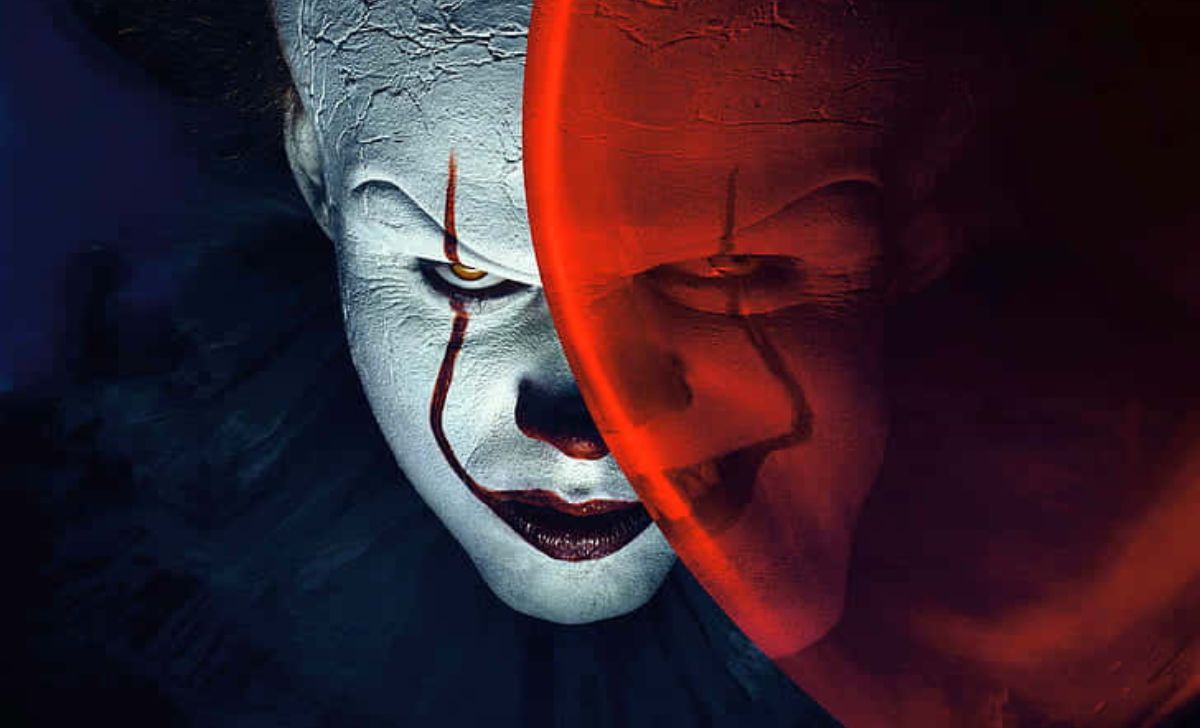
While Pennywise’s appearances are limited, Bill Skarsgård’s chilling return is worth the wait — his sinister grin and unpredictable menace still capable of freezing the screen. The series uses his presence sparingly but effectively, reminding audiences that true terror doesn’t always need to be seen to be felt.
Mythology and Madness
The show intertwines its original stories with King’s broader universe, including subtle nods to The Shining and Pet Sematary. Fans will spot Easter eggs that expand the lore — from the Bowers Gang’s ancestors to Indigenous myths explaining the entity’s origins. Rather than a simple prequel, Welcome to Derry becomes a tapestry of interconnected horrors — each thread leading back to the cyclical nature of fear and violence that defines King’s fiction.
A Mirror to Modern Horror
Though rooted in the past, the series’ themes resound powerfully today. Prejudice, social decay, and institutional evil haunt these streets as much as the supernatural one does. By reframing It in this historical context, the show transforms Derry into both a literal and metaphorical battleground — where human cruelty and cosmic evil feed off one another, consuming the innocent and guilty alike.
Final Thoughts
IT: Welcome to Derry is a meticulously crafted return to King’s most cursed town — one that deepens its mythology while shedding new light on the human heart of darkness. It’s a story of buried secrets, cyclical evil, and the horrors we collectively ignore until they rise again. Whether you come for the scares, the lore, or simply the haunting beauty of Derry itself, this series makes one truth clear: fear never dies; it only waits for the next generation to rediscover it in the shadows.