

The lifecycle of a modern book series is no longer defined by a single publication date but by its ability to evolve within a fast-moving digital marketplace. In today’s publishing climate, to Successfully Re-Launch a title is often more important than the initial debut. What many authors label as a commercial failure is frequently an overlooked opportunity. To Re-Launch a “Dead” Book—one where sales have flattened, visibility has disappeared, and the Amazon algorithm no longer provides organic reach—is not an act of desperation but a strategic recalibration.
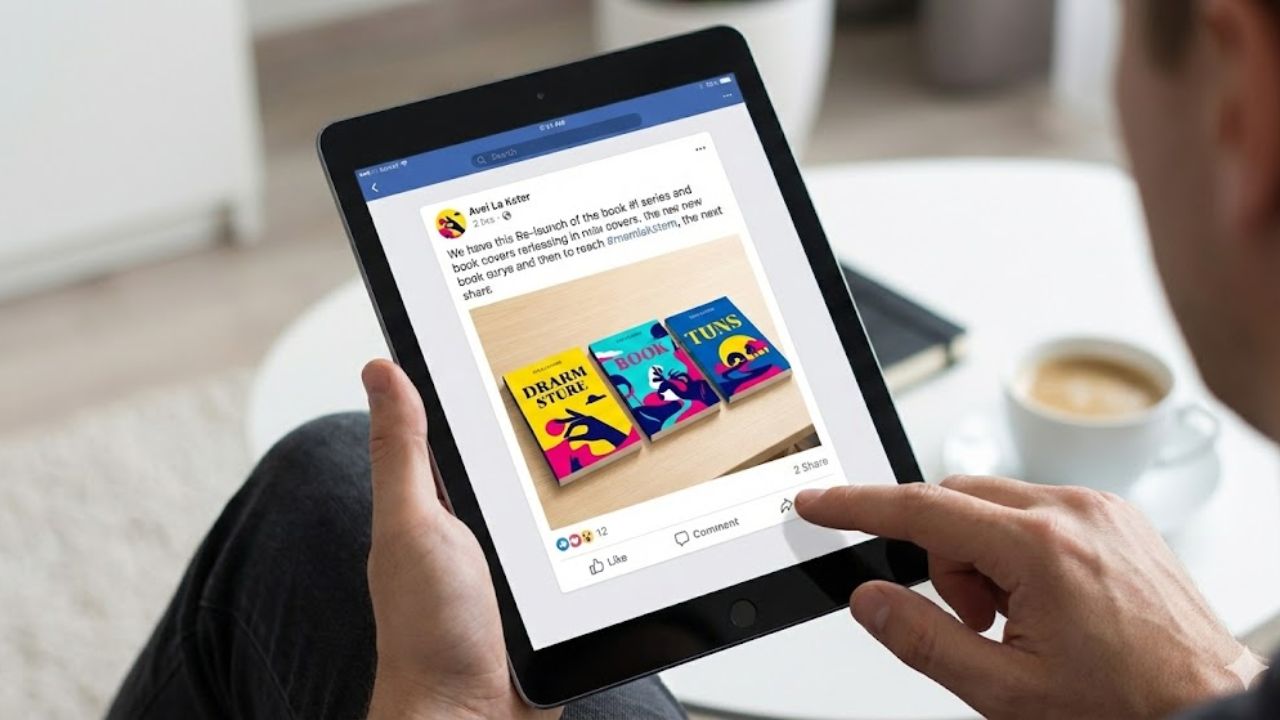
A stalled series is rarely beyond recovery. Instead, it often suffers from outdated positioning, inconsistent branding, or ineffective metadata. The decision to Re-Launch a “Dead” Book Series with New Covers and Blurbs reframes the project as a renewable asset rather than a sunk cost. Through aesthetic modernization, persuasive copywriting, and algorithm-conscious optimization, authors can reposition backlist titles for renewed discoverability and sustained revenue.
In a marketplace governed by scrolling behavior and data-driven recommendation engines, relaunching is not cosmetic—it is structural. A calculated intervention that combines updated visual branding, high-converting sales descriptions, and precise category management can transform a dormant property into a competitive product once again.
Diagnostic Analysis of Backlist Stagnation and the Algorithmic Lifecycle
Before a successful relaunch can be executed, the underlying causes of the original failure or gradual decline must be identified through a dispassionate audit. Most books fail to sustain momentum not because of poor narrative quality, but due to a misalignment between the product packaging and the target audience’s expectations. The “honeymoon period,” a phase where Amazon’s recommendation engine actively tests new releases with potential readers, is a finite window. If the initial conversion rates are low during this period, the algorithm deprioritizes the title, leading to what authors frequently describe as a “dead” book. This drop-off is often the result of a “cover problem,” where a cheap-looking design or one that does not match the correct genre serves as the biggest culprit for sales stagnation.
The identification of the original problem involves analyzing the relationship between impressions and conversions. If a book has poor keywords, it is unlikely to appear in search results, particularly if the author has selected “ghost” categories or keywords with high competition and low demand. Conversely, if a book appears in searches but fails to attract clicks, the visual handshake of the cover has failed. If it attracts clicks but no sales, the blurb or the “Look Inside” sample has not met the reader’s standards.
| Diagnostic Metric | Primary Failure Point | Strategic Response |
| High Impressions / Low Clicks | Visual Packaging (Cover) | Redesign to match 2025 genre tropes and aesthetics. |
| High Clicks / Low Sales | Sales Copy (Blurb) / Pricing | Rewrite using high-conversion copywriting frameworks. |
| Low Impressions / Low Search | Metadata / Category Selection | Conduct new keyword research and optimize niche targeting. |
| High Initial Sales / Sudden Drop | Algorithmic “Honeymoon” Exit | Execute a coordinated relaunch to trigger new visibility. |
| High Sales / Low Read-Through | Interior Quality / Backmatter | Perform an additional editing pass or update series links. |
The decision to update or republish as new is a strategic one. For small mistakes or minor updates, simple corrections to the listing are often enough to turn sales around. However, if the book has had a lackluster reception due to significant marketing misses, or if trends have shifted dramatically since its release, a full rebranding plan is necessary. Relaunching opens up access to bloggers and media who may not be interested in a book that is six months or older, as the new publication date captures renewed attention.
Visual Rebranding: The Evolution of Cover Design
In the visually saturated environment, a book cover functions as the visual handshake to the audience. Fresh designs rejuvenate a publication and help it align with current market trends. The era of muted tones and generic photorealism has effectively ended, replaced by vibrant palettes and symbolic abstractions that demand attention in a crowded marketplace.
The Shift Toward Symbolism and Abstract Minimalism
A significant trend is the move away from placing a generic person on the cover in favor of focusing on meaningful symbols—objects, landscapes, or abstract shapes that capture the essence of the narrative. This shift away from photorealistic figures makes covers feel more timeless and intriguing, allowing readers’ imaginations to fill in the gaps.
Furthermore, designers are increasingly embracing “Abstract Minimalism,” which uses bright colors and bold designs to create undeniable focal points. These covers are low in detail but high in impact, utilizing negative space to capture the buyer’s attention.
| Design Element | Trend Direction | Strategic Utility |
| Imagery | Symbolism over generic characters | Increases timelessness; avoids reader mismatch of character image. |
| Palette | Bright, bold, and “Candy Shop” vibrant | Breaks through the “grayscale snooze-fest” of digital storefronts. |
| Typography | Very large, shouting type | Ensures legibility at tiny thumbnail sizes across all mobile devices. |
| Style | Illustration over stock photos | Adds a “human touch” and avoids the “awkward Tinder profile” look. |
| Interactivity | Animated covers for digital editions | Shakes up the digital world by adding motion to static displays. |
The 60-30-10 Rule and Palette Psychology
Strategic color palettes communicate genre conventions at a glance. Authors must research bestseller lists in their specific sub-genre to identify dominant color combinations. For example, thrillers often use dark, desaturated colors with stark accents like blood red to signal intensity and danger, while fantasy covers utilize rich jewel tones to promise epic worlds. The 60-30-10 rule is recommended for a professional look: 60% dominant color, 30% secondary color, and 10% contrasting accent color.
Testing at thumbnail size is a non-negotiable step in the redesign process. A cover must be shrunk to 150-200 pixels wide to ensure the title and author name remain readable without squinting. If the text is not clear at this scale, the weight or size must be increased, as most digital discovery occurs via small squares on mobile screens.

High-Conversion Rhetoric: Blurb Copywriting for the Modern Reader
A book description is the biggest sales tool on the book landing page. In 2025, successful blurb writing is recognized as a form of copywriting rather than creative storytelling. It requires mastering brevity and shaping the description into a miniature story arc that teases the reader without revealing the entire plot.
Structuring the Mini-Narrative Arc
The blurb should typically cover only the events up to the end of the first act, culminating in the inciting incident. This leaves the resolution shrouded in mystery, compelling the reader to purchase the book to find out what happens next. A proven framework for this arc includes five vital elements:
- Setup and Hook: Introduce the protagonist in their baseline normalcy before the disruption. Use active language to build empathy.
- The Disruption: Clearly define the pivotal moment that propels the story forward.
- Individual Character Stakes: Highlight the personal conflicts and what is at risk for the characters.
- The Looming Threat: Sketch the essence of the challenge or the “why should I care?” factor.
- The Marketing Close: Provide “housekeeping” details like genre, tone, and comparable titles (e.g., “Perfect for fans of [Author Name]”).
| Blurb Element | Word Count Target | Stylistic Objective |
| Primary Hook | 25-50 words | Capture attention in the first sentence; establish tone. |
| Body / Conflict | 100-150 words | Detail the inciting incident and individual stakes. |
| Emotional Pivot | 25-50 words | Use power words (e.g., “shattered,” “unleashed”) to trigger response. |
| Housekeeping | 25-50 words | Position the book within its genre and series. |
Brevity is the guiding principle, with a total word count target of 200-300 words. Authors often struggle to distill a 60,000-word work into such a short space, but focusing on broad strokes rather than heavy exposition is essential. Incorporating power words and emotional language—replacing weak verbs like “walks” with stronger ones like “strides” or “flees”—can significantly improve conversion rates.
The Technical Ecosystem: Managing the KDP Relaunch
The logistics of a relaunch on Amazon’s Kindle Direct Publishing (KDP) platform require precise timing and an understanding of how updates propagate across the system. Some details are locked after publishing, and significant changes may require the publication of a new edition.
Propagation Timelines and Updates
When updating a published book, authors must account for the time it takes for changes to appear live on the storefront. Updates to the author name, title, description, and keywords typically appear within 48 hours, while category updates can take up to 72 hours. Cover thumbnails also require up to 72 hours to populate.
| KDP Update Feature | Estimated Propagation Time | Strategic Consideration |
| eBook Detail Page | 72 Hours | Synchronize launch with marketing emails. |
| Cover Thumbnail | 72 Hours | Perform “Cover Reveal” after this window. |
| Description / Keywords | 48 Hours | Essential for SEO and conversion. |
| Series Page Updates | 72 Hours | Crucial for “Read-Through” in a series relaunch. |
| List Price | 24 Hours (eBook) / 72 Hours (Print) | Useful for “Countdown” or launch day discounts. |
Review Management and ISBN Nuances
One of the most common concerns for authors relaunching a series is the potential loss of customer reviews. When unpublishing and republishing with a new title or significant changes (more than 10% of the manuscript), the reviews do not automatically carry over. However, for minor updates like fixing typos or changing the cover, authors can simply upload the new files over the old ones to retain their existing ASIN and reviews.
If a new edition is necessary (for instance, when changing the trim size of a print book), authors can contact KDP support to request a review transfer between the old and new ASINs, provided the author and title match. This process typically takes between five minutes and seven days.
Promotional Engines and Marketing Stacks for 2025
A relaunch requires “noise” to be effective. Relying solely on a new cover and blurb without a coordinated marketing push is a common pitfall. Authors must utilize up-to-date book selling techniques to reach readers who may not have been in the market when the book was originally released.
High-Impact Promotion Sites
In 2025, several platforms remain the “powerhouses” of book discovery. BookBub continues to be the dominant player, though its “Featured Deals” remain highly competitive, with only about 20% of applicants selected. For those not selected, BookBub Ads offers a self-serve platform that captures buyer intent within the ecosystem.
| Promotion Service | Primary Benefit | Implementation Complexity |
| BookBub | Massive sales velocity and visibility | High (Selection process is rigorous). |
| Written Word Media | Ready-made “Promo Stacks” (Freebooksy/Bargain Booksy) | Low (Straightforward booking). |
| Amazon Ads | Captures shoppers at the moment of purchase | Medium (Requires daily management). |
| BooksGoSocial | Uses AI laser targeting for Amazon/Facebook ads | Medium (Comprehensive marketing solution). |
| OHFB / EReaderIQ | Targeted reach to niche audiences | Low (Highly popular for 2025 relaunchers). |
The Launch Funnel Strategy
Marketing should be viewed as a funnel. At the top of the funnel, focus on discoverability and broad appeal through social media, blog articles, and newsletter content. The middle of the funnel involves deeper engagement, such as sharing behind-the-scenes looks at the writing process or character resources. The bottom of the funnel consists of devoted readers who not only buy the books but champion them to others.
A successful relaunch timing often considers seasonal trends or current events. For example, if a topic from a book released years ago suddenly becomes “new” again due to a cultural trend, a refresh can capture newly aware buyers.
Case Studies and Historical Precedents of Successful Revivals
Examining authors who have successfully “turned it around” provides actionable insights into the relaunch process. Common threads among successful revivals include a cover refresh and a more sophisticated marketing plan than the original release.
Rachel Aaron: The Spirit Thief and Genre Realignment
Rachel Aaron’s The Spirit Thief serves as a prominent example of how the “wrong cover” can stifle a high-quality book. The original packaging did not accurately signal the fun, witty, and lighthearted nature of the story, which features a charismatic thief and a unique magic system where everything has a spirit. By aligning the visual branding with the genre’s expectations, the series was able to reach its full potential.
Andrew Shanahan: Before and After – The Power of Relatability
Andrew Shanahan’s Before and After achieved success by leaning into an “openly vulnerable” character in a post-apocalyptic setting. The story, which follows a morbidly obese man trapped in a flat during a pandemic, resonated with readers seeking “comfort reads” and stories of human resilience. The success was driven by a marketing strategy that highlighted the emotional journey and the protagonist’s relatable struggles with self-esteem and survival.
Strategic Series Relaunches by Fredric Shernoff
Fredric Shernoff’s Atlantic Island trilogy involved a “drastic rewrite” and a total rebranding. He shifted the focus of the branding from the author’s name to the series title to create consistency across multiple spinoffs. By retitling the books for clarity (e.g., Atlantic Island: Vacancy) and updating the backmatter to explain the connections in the multiverse, he ensured that every book in the series led the reader to the next.

Advanced Specializations: Audiobooks and Premium Editions
A relaunch is an ideal time to add new formats, which can act as “mini-launches” by themselves. Adding print, audio, or hardcover editions can attract readers who prefer different consumption methods and can boost the book’s overall visibility on retailers who promote new editions.
The Rise of AI and Digital Audio
Digital audio revenue grew by 22% in 2024, indicating that audiobook promotion is a vital revenue stream for 2025. For indie authors on a budget, AI-narrated audiobooks are becoming a transformative tool, allowing them to reach global markets where translation and professional narration were previously cost-prohibitive. While human narration remains the gold standard, AI assistance in editing and narration can boost efficiency and help authors “scrappy” their way to a wider reach.
Physical Premium Features for Collectors
Special edition trends are flourishing in 2025, driven by communities on platforms like #BookTok. Authors can differentiate their relaunch by offering:
- Edge Printing: Custom designs or colors printed on the cut edges of the book to complement the cover.
- Double-Sided Dust Jackets: Printing on the reverse side of the jacket for added visual storytelling.
- Printed End Sheets: Adding color and designs to the inside front and back of hardcover books.
- Foil Stamping and Archival Paper: Using high-end materials to appeal to collectors and dedicated fans.
These premium features add value beyond the story itself, turning a “dead” book into a collectible item.
Common Pitfalls and Strategic Risk Mitigation
Relaunching a series is a complex maneuver, and rookie mistakes can quickly deplete an author’s budget with little to show for it. The “build it and they will come” mentality is the primary cause of relaunch failure.
The Dangers of Rushing and “Pretend Professionals”
A common mistake is rushing the manuscript to publication without adequate professional editing. Typo-ridden books damage authorial credibility and lead to “scathing reviews” that kill sales momentum. Authors must also be wary of hiring generic designers who do not understand the specific nuances of book design or marketing agencies with a “one-size-fits-all” approach.
| Relaunch Pitfall | Potential Impact | Prevention Strategy |
| Skipping Professional Editing | Poor reader experience; negative reviews | Invest in developmental and line editing. |
| DIY Cover Design | Unprofessional first impression; genre confusion | Hire a professional book cover designer. |
| Poor Launch Timing | Lost visibility; competing with major authors | Plan launch 3-6 months in advance; analyze seasonal trends. |
| Ignoring SEO / Metadata | Book becomes invisible in searches | Use tools like Publisher Rocket for keyword research. |
| Testing in Wrong Groups | Tailoring to non-readers or peers | Use services like PickFu for target audience testing. |
Protecting Intellectual Property and Rights
Authors must ensure they have the legal right to unpublish and republish, especially if they were previously traditionally published. Reviewing contracts for a “rights reversion” clause is essential. When hiring editors or designers, clear contracts must be in place to ensure the author retains all publishing and distribution rights. Giving away control without realizing it—particularly audio or translation rights—can limit the long-term profitability of the relaunch.
The Future of the “Living” Series: 2026 and Beyond
The concept of a “finished” book is increasingly becoming a relic of the traditional publishing era. In the self-publishing world, a book is a dynamic asset that can and should be evolved as trends shift and new readers enter the market. Successful authors in 2025 and 2026 will be those who view their backlist not as a collection of static failures, but as a library of potential hits waiting for the right “coat of paint” to catch the storm of attention.
Multiplatform Synergy and Episodic Content
The demand for “bite-sized” stories and episodic content is rising as social media shapes global attention spans. Authors may find success by relaunching a stalled novel as a series of novellas or integrating their work into multi-platform brands that leverage TikTok, podcasts, and digital marketing in full swing.
Continuous Iteration as a Business Model
The most successful self-publishers “keep publishing and evolving”. They use real-time data from platforms like Amazon’s Author Central to pivot if a strategy isn’t delivering. If a new cover doesn’t move the needle, they don’t give up; they analyze why and try again with a different approach. This iterative mindset—treating the relaunch as a learning experience rather than a singular “make-or-break” moment—is what ultimately builds a resilient and profitable author platform.
Comprehensive Action Plan for the Relaunching Author
To successfully revive a dead series, authors should follow a structured sequence of actions designed to maximize momentum and conversion.
- Auditing: Identify why the book failed. Use conversion math (Impressions vs. Clicks vs. Sales) to pinpoint the exact bottleneck.
- Revision: If needed, perform a final editing pass or a “machete” rewrite of the manuscript to ensure the content meets modern genre expectations.
- Visual Overhaul: Hire a professional genre specialist for a cover redesign that incorporates 2025 trends like symbolism and bold typography.
- Sales Copy Polish: Rewrite the blurb as a high-conversion sales pitch, focusing on the first act and emotional power words.
- Metadata Optimization: Research niche keywords and categories to improve discoverability and secure “Bestseller” badges.
- Technical Prep: Upload the new files to KDP, allowing 72 hours for full propagation before starting promotions.
- Marketing Sprint: Coordinate a “stack” of promotions across multiple sites, starting with a deep discount to prime the algorithm.
- Community Engagement: Distribute ARCs to genre influencers and notify the existing mailing list to build early social proof and reviews.
FAQs
Updating a book involves minor corrections—such as fixing typos, adjusting keywords, refreshing the description, or replacing the cover—while keeping the same ASIN and reviews intact on platforms like Amazon via Kindle Direct Publishing.
A full relaunch, by contrast, is a strategic overhaul. It may include a new cover, rewritten blurb, revised metadata, pricing changes, and sometimes even a new edition with a new publication date. Authors typically choose this route when the original release suffered from poor positioning, outdated branding, or missed algorithmic opportunities.
The most effective way to diagnose a stalled title is by examining conversion data:
– High impressions but low clicks usually signal a cover problem.
– High clicks but low sales often point to weak sales copy or pricing issues.
– Low impressions overall suggest poor keyword and category optimization.
By isolating the bottleneck—visibility, click-through, or purchase conversion—authors can apply targeted fixes rather than guessing. Relaunching without diagnosis risks repeating the same mistakes.
It depends on the scale of the changes. Minor updates—such as uploading a new cover or correcting formatting—typically preserve existing reviews because the ASIN remains unchanged.
However, publishing a significantly revised edition or changing the title may result in a new listing where reviews do not automatically transfer. In some cases, authors can request a review migration through platform support if the core content and authorship remain consistent.
In a marketplace dominated by mobile browsing, a cover must function effectively at thumbnail size. Modern trends favor bold typography, high-contrast color palettes, and symbolic or minimalist imagery rather than generic stock photography.
A redesigned cover that clearly signals genre expectations can dramatically improve click-through rates. In many cases, the issue is not the story itself—but the visual mismatch between packaging and reader expectations.
A relaunch without coordinated promotion rarely generates meaningful results. Platforms reward velocity—rapid bursts of sales and engagement that signal relevance.
Successful relaunches often combine:
– Discount pricing to stimulate early sales
– Stacked promotions through newsletter services
– Targeted ads
– Outreach to existing mailing lists and influencers
The relaunch must create renewed “noise” in the ecosystem. A refreshed product needs momentum to re-enter algorithmic visibility and reclaim its place in the market.