


When you picture plants, the idea of communication probably doesn’t spring to mind. They don’t have mouths, ears, or brains, and they seem to just soak up sunlight, water, and nutrients without much interaction. But the truth is far more fascinating. Plants may not talk the way animals do, but they do send and receive complex signals to one another—especially in times of danger. Let’s dig into the hidden language of plants, where messages travel through the air, beneath the soil, and across entire ecosystems, shaping how plants grow, survive, and defend themselves.
A Chemical SOS: How Plants Send Warnings Through the Air
When a leaf is torn by insects or sliced by a lawnmower, the plant doesn’t just sit back and suffer quietly. Instead, it releases a chemical cocktail into the air—volatile organic compounds (VOCs)—that act as a kind of alarm system. That “fresh-cut grass” smell you notice after mowing the lawn? That’s a distress signal.
But these signals aren’t just for show. Nearby plants can detect these airborne warnings and take preemptive action. For example, in one experiment with sagebrush plants, scientists clipped leaves or allowed insects to nibble on them. Other branches on the same plant—and even neighboring plants—experienced significantly less insect damage afterward. Why? Because those nearby leaves likely activated their own insect-repelling defenses after “overhearing” the chemical distress call.
Even more impressive, simply transferring air from a damaged plant to an untouched one can prompt a defensive response. That’s how sensitive some plants are to chemical signals in the environment.
Different Plants, Different Dialects
Not all plants speak the same “language.” In fact, individual plants—even of the same species—can emit slightly different sets of chemical messages. Think of it like regional dialects in human speech. For sagebrush plants, this chemical signature is inherited, much like blood types in humans. That’s why a plant will respond most strongly to signals from its own leaves or from close relatives. Genetically related plants are more likely to understand one another clearly.
But plants aren’t always picky. Even across species lines, communication can occur. Tomato and tobacco plants, for instance, can “understand” the warning signals emitted by sagebrush, and activate their defenses accordingly. It’s like universal body language in the plant world.
Underground Networks: Communication Beneath the Soil
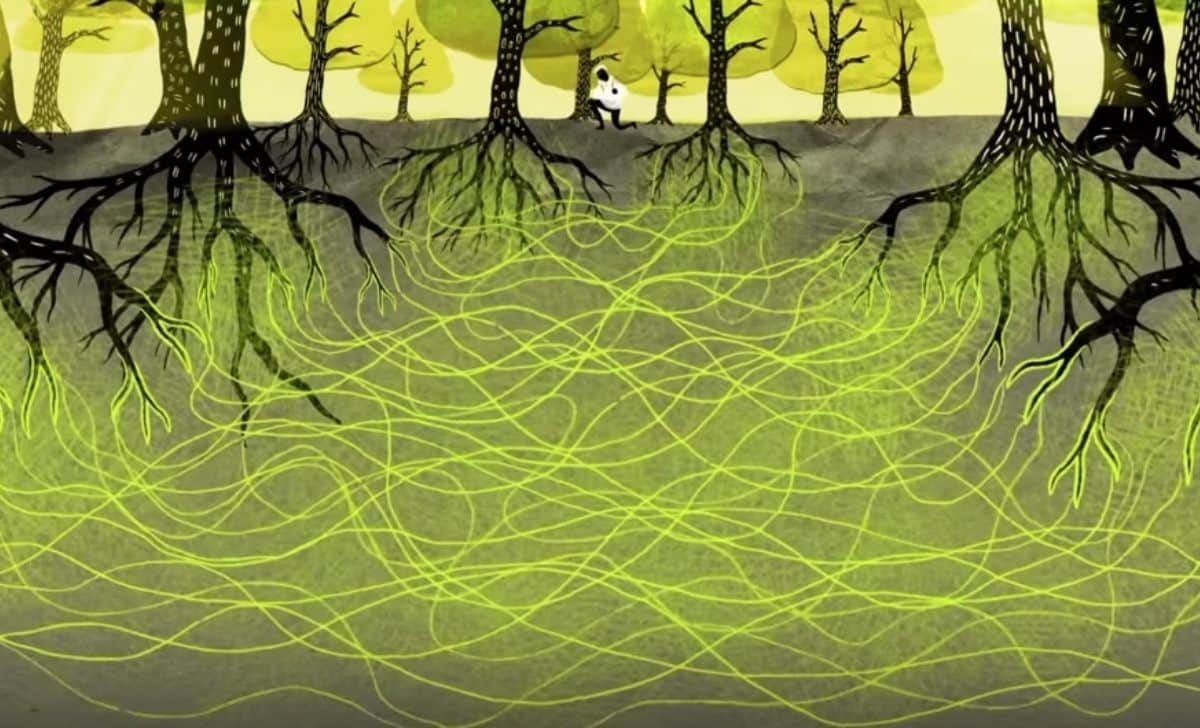
Plant talk isn’t limited to the air. Beneath our feet lies a vast and largely invisible information network—formed by fungi.
Most plants live in symbiosis with mycorrhizal fungi, which colonize their roots and form vast networks of filaments in the soil. These fungal threads link plant roots together like an underground internet, often referred to as the “Wood Wide Web.”
Through this network, plants can send signals underground. Let’s say a tomato plant gets infected by blight and starts fighting back with disease-fighting enzymes. That same plant can transmit warning signals through the fungal network, prompting neighboring plants to kick-start their own immune responses—well before the blight even reaches them.
This kind of early alert system gives plants a huge survival advantage. Bean plants, for example, will ramp up production of chemicals that repel aphids and attract their natural predators—parasitic wasps—if they sense their neighbor is under attack.
Cooperation or Accidental Eavesdropping?
You might wonder: why would a plant want to help its neighbors—especially when they’re competing for sunlight, water, and nutrients?
The answer might lie in how plants move information within themselves. Plants have limited internal communication tools, especially in times of drought. So when one part of a plant is attacked, it may use airborne signals to alert other parts of itself. In doing so, those signals unintentionally alert nearby plants. In essence, neighboring plants may just be excellent eavesdroppers—like hearing your neighbor sneeze and deciding to stock up on cough syrup.

Use of Plant Communication
If we define communication as the exchange of information that influences behavior, then plants are definitely doing it—and doing it well. They listen, they warn, they respond, and they even prioritize their kin. No brains. No spoken words. Just biochemistry at its finest.
Understanding this hidden language could have massive implications. If scientists can learn how to “speak plant,” we may be able to engineer better crop protection, more sustainable farming practices, and even create plants that signal environmental changes before they become threats.
So the next time you pass by a garden or a tree-lined path, take a moment to consider: there’s a silent conversation happening all around you—one we’re only just beginning to hear.