
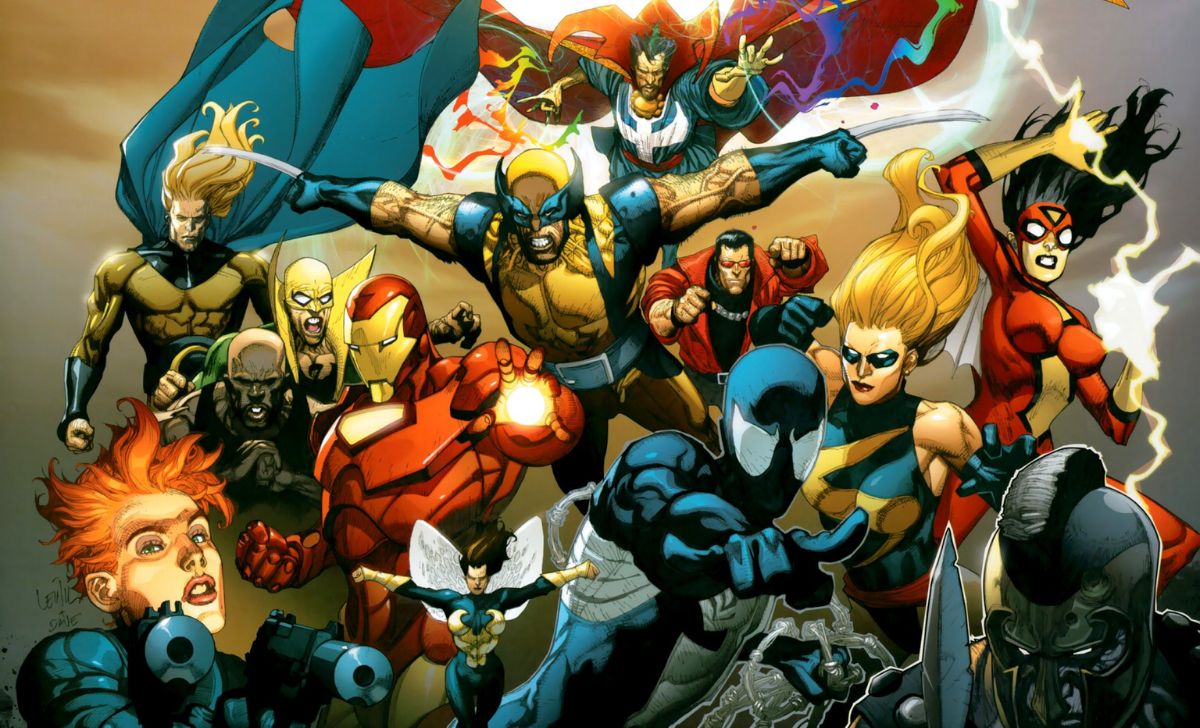
The Marvel Cinematic Universe has transformed into a global phenomenon, generating billions in box office revenue while commanding an unprecedented level of fan engagement and cultural relevance. Yet this success is far from accidental. Behind every blockbuster release lies a meticulously orchestrated marketing strategy that blends cutting-edge digital tactics, strategic brand partnerships, fan-engagement initiatives, and a deep understanding of audience psychology. How Marvel Creates Buzz Around Movie Releases is a masterclass in modern hype-building—leveraging teaser drops, viral moments, and community-driven conversation to ensure every film becomes an unmissable cultural event. Understanding these tactics provides valuable insights into entertainment marketing at its finest.
The Foundation: Anticipation Through Strategic Teasing
Marvel’s marketing prowess begins long before a film hits theaters. The studio has mastered the art of building anticipation through carefully timed reveals and strategic information releases. Rather than dumping all promotional content at once, Marvel follows a calculated timeline that keeps audiences engaged for months.
Post-credits scenes stand as Marvel’s most effective teasing tool. These brief snippets hint at future films, developments, or returning characters, leaving audiences hungry for more. This strategy creates natural discussion points and compels fans to theorize online, extending the marketing reach organically. For instance, the post-credits sequence of a film might introduce a character or plot thread that won’t fully materialize for years, fueling endless speculation and maintaining buzz across multiple release windows.
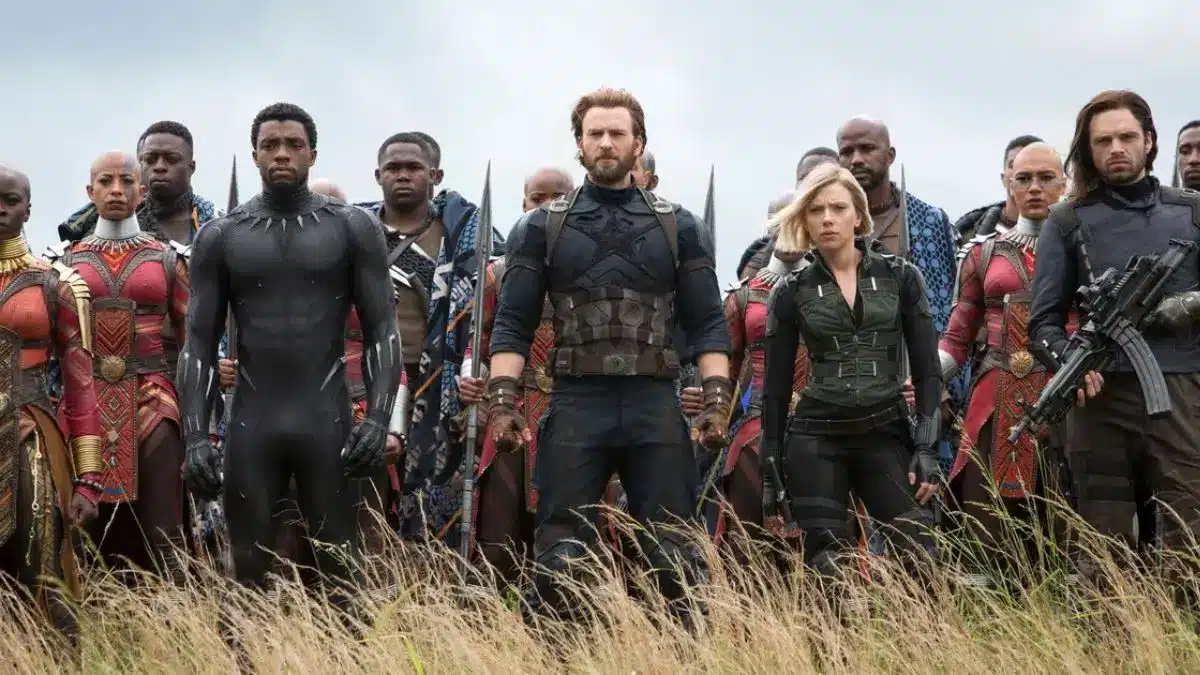
Marvel also employs limited trailers that reveal just enough to spark curiosity without compromising plot twists. For blockbuster events like Avengers films, the studio has historically released first trailers approximately six months before release dates. When Avengers: Endgame was approaching, the measured trailer rollout generated massive conversation, with fans dissecting every frame for Easter eggs and clues about the film’s direction.
Social Media Dominance and Fan Engagement
Marvel’s social media strategy represents a comprehensive ecosystem designed to maintain constant engagement. The studio leverages multiple platforms with platform-specific content, understanding that different audiences congregate on different channels.
Twitter has become a battleground for fan engagement and virality. During Captain America: Civil War, Marvel’s #TeamCap and #TeamIronMan campaigns transformed social media into a global conversation about character loyalties. Fans pledged allegiance to their preferred superhero, creating user-generated content and organic sharing that exponentially amplified Marvel’s reach without traditional ad spend. The studio even sent personalized video messages from actors to fans who participated, humanizing the marketing effort and deepening emotional connections.
YouTube remains vital for Marvel’s content strategy, with the official Marvel Studios channel boasting millions of subscribers. Exclusive behind-the-scenes footage, character breakdowns, and compilation videos drive engagement. YouTube’s algorithm naturally promotes high-performing content, meaning viral Marvel videos reach millions beyond the platform’s subscriber base.
Instagram and TikTok have become increasingly important, particularly for reaching younger demographics. The Deadpool & Wolverine campaign exemplified modern Marvel marketing brilliance. Ryan Reynolds and Hugh Jackman actively engaged through playful banter, humor-filled videos, and behind-the-scenes glimpses that made audiences feel included in the production journey. Reynolds’ TikTok videos referencing 2000s pop culture resonated deeply, accumulating millions of views and transforming the actors into marketing ambassadors.
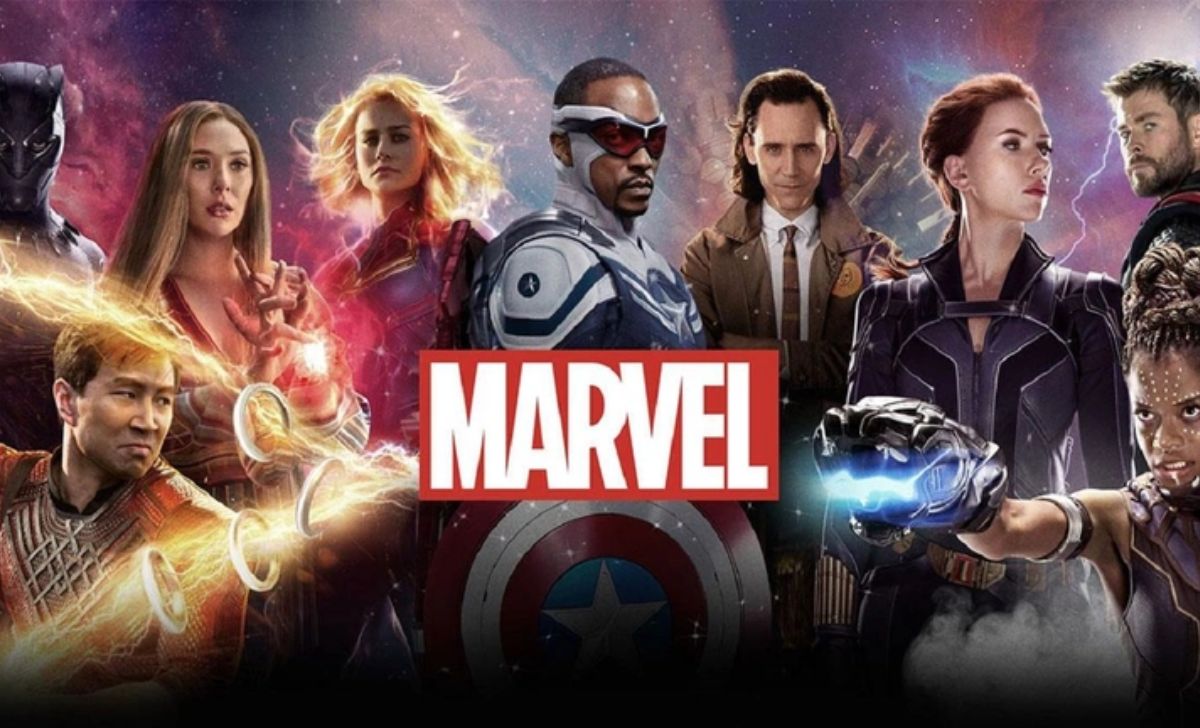
The Power of Brand Partnerships and Merchandise
Marvel understands that modern audiences interact with brands across multiple touchpoints. Strategic partnerships with major corporations extend Marvel’s reach into everyday consumer experiences, creating subtle but persistent brand reminders.
The Fantastic Four: First Steps demonstrated the scale of these partnerships, with Marvel reportedly spending approximately $170 million on promotional efforts. The studio collaborated with Little Caesars for custom pizza boxes, General Mills for branded cereal packaging featuring characters on Honey Nut Cheerios, Cinnamon Toast Crunch, and Lucky Charms boxes. These partnerships transform ordinary grocery store visits into promotional experiences, with custom packaging that captures attention and reinforces brand storytelling.
Other major brands have engaged with Marvel, including Coca-Cola, Audi, and Samsung, creating co-branded campaigns that benefit both parties. Epic Games partnered with Marvel multiple times for Fortnite crossovers, even featuring references in Avengers: Endgame. Fashion brands like Adidas have created character-inspired sneaker collections, while luxury fashion lines have designed superhero-themed apparel. These diverse collaborations ensure Marvel permeates popular culture across multiple consumer segments.
Limited-edition merchandise creates urgency and drives sales. Exclusive popcorn buckets shaped like characters, special collectibles available only during opening weekends, and rare memorabilia generate FOMO—fear of missing out—that compels fan purchasing decisions. This exclusivity strategy transforms merchandise from simple products into collectible treasures that maintain value and encourage repeat engagement.
Influencer Marketing and Celebrity Endorsements
Marvel actors have become primary marketing instruments, leveraging their massive social media followings to generate buzz. When actors actively promote films through their personal accounts, they signal genuine enthusiasm while tapping into their dedicated fanbases.
Robert Downey Jr.’s promotion of Avengers: Endgame included viral phrases like “Whatever it takes,” which transcended the film to become part of popular culture. Tom Holland’s frequent social media mishaps and genuine enthusiasm for Marvel projects have made him an exceptionally effective unofficial spokesperson. Zendaya and Tom Holland’s relationship has generated organic interest that amplifies official Marvel promotions.
Marvel strategically collaborates with both traditional celebrities and digital influencers. TikTok creators, YouTube personalities, and Instagram influencers receive early access to content, behind-the-scenes experiences, or exclusive interviews. These influencers then share their perspectives with engaged audiences, creating authentic advocacy that feels more credible than traditional advertising.
Event Marketing and Comic-Con Dominance
Marvel dominates major entertainment events, particularly Comic-Con, where the studio uses exclusive reveals and announcements to generate headlines. Exclusive footage shown only to Comic-Con audiences creates an exclusivity factor that drives attendance and generates social media buzz from attendees sharing details with fans worldwide.
These events serve as launching pads for major announcements. When Marvel Studios announces casting, reveals release dates, or debuts exclusive footage, the impact reverberates through entertainment media, ensuring extensive coverage. Comic-Con panels generate hours of video content that fans consume across YouTube, with clips becoming viral moments.
Creating a Sense of Event and Cultural Participation
Marvel has positioned each film release as a cultural event rather than a typical movie premiere. The studio understands that audiences increasingly seek experiences and community participation rather than passive consumption.
The term “Barbenheimer,” while not Marvel-specific, demonstrates how cultural moments generate organic marketing. When audiences perceive a film as a must-see cultural event, they convince others through word-of-mouth, creating exponential reach. Deadpool & Wolverine achieved this status, becoming a cultural phenomenon that transcended traditional superhero audiences. The film’s $1.3 billion worldwide gross—making it the highest-grossing R-rated film of all time—demonstrates the power of cultural relevance.
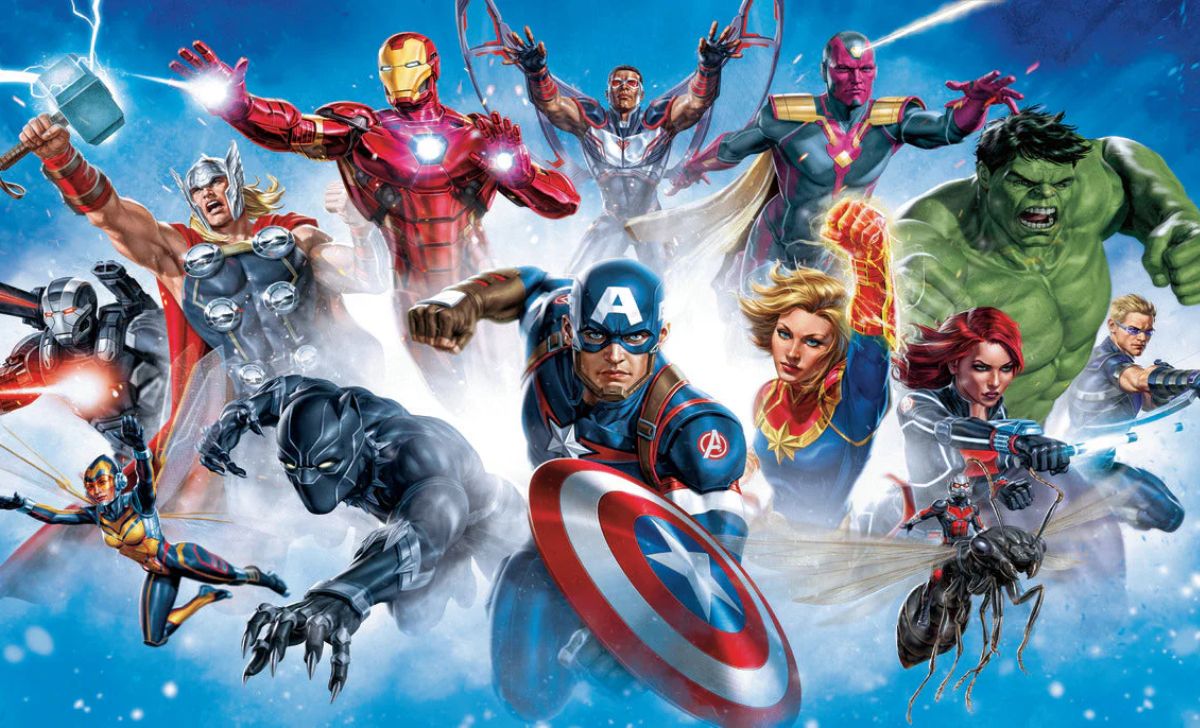
Real-World Easter Eggs and Immersive Marketing
Marvel creates immersive experiences that blur lines between fiction and reality. For Secret Invasion, Marvel embedded real-world Easter eggs, including Skrulls appearing in news broadcasts. Fans discovering these hidden elements felt like active participants in a larger universe, creating discussion and engagement.
Experiential marketing campaigns, such as the Barbie movie’s Airbnb Dreamhouse rental, inspire similar thinking in Marvel’s strategy. Pop-up experiences, interactive installations, and branded environments create photo opportunities that drive social media sharing. These experiences transform passive viewers into active content creators, exponentially multiplying reach through organic user-generated content.
Recent Marketing Successes: Case Studies
Deadpool & Wolverine represents Marvel’s most successful recent marketing achievement. The film’s $444 million opening weekend—sixth-best of all time domestically—resulted partly from exceptional marketing execution. Ryan Reynolds’ irreverent humor and candid social media presence made the film feel contemporary and fresh. The marketing campaign acknowledged superhero fatigue directly, positioning Deadpool & Wolverine as the film that recognized audience burnout and offered something different.
The Fantastic Four: First Steps launched with a strategic $170 million marketing investment, demonstrating Marvel’s commitment to establishing new properties. The Valentine’s Day casting announcement paired imagery from vintage Life magazine covers, reinforcing the film’s 1960s aesthetic and generating intrigue through carefully constructed marketing assets.
Captain America: Brave New World partnered with Tide’s “Collateral Stains” promotional campaign, featuring a familiar character from previous MCU films in unexpected commercials. This unconventional approach proved effective in breaking through typical movie advertising clutter.
Upcoming Releases and Future Marketing Strategies
Marvel’s 2026-2027 slate includes high-profile releases that will receive extensive marketing treatment. Spider-Man: Brand New Day, releasing July 31, 2026, will inevitably receive major marketing campaigns given Spider-Man’s cultural status. The film’s announcement alone generated significant discussion, demonstrating sustained audience interest in the character.
Avengers: Doomsday, scheduled for December 18, 2026, represents a monumental marketing opportunity. With the Fantastic Four now integrated into the MCU and numerous plot threads from recent films converging, Marvel will deploy comprehensive marketing spanning all available channels. Historical patterns suggest the first trailer will release approximately six months before the film, triggering widespread speculation and fan theories.
The X-Men reboot, still in development, presents opportunities for nostalgic marketing that bridges the franchise’s beloved animated series legacy with modern MCU storytelling. Marketing will likely emphasize the integration of beloved characters into the larger MCU universe.
The Psychology Behind Marvel’s Marketing Mastery
Marvel’s success reflects deep understanding of audience psychology. The studio recognizes that modern audiences seek community, participation, and cultural relevance alongside entertainment. Every marketing element—from social media banter to exclusive merchandise to real-world Easter eggs—creates opportunities for audiences to feel involved in something larger than themselves.
The studio also understands the power of scarcity and exclusivity. Limited-time merchandise, exclusive event footage, and character reveals available only to specific audiences create urgency and perceived value. These exclusivity mechanics drive engagement from audiences worried about missing significant moments.
Marvel has mastered the balance between revelation and mystery. The studio provides enough information to maintain excitement while withholding key details to preserve spoiler protection and encourage theater attendance. Trailers hint at emotional beats, action sequences, and character moments without revealing plot twists, satisfying curiosity while maintaining suspense.
Conclusion
Marvel creates buzz around movie releases through a sophisticated, multi-layered marketing strategy that extends far beyond traditional film promotion. By combining strategic teasing, social media dominance, brand partnerships, influencer engagement, event marketing, real-world Easter eggs, and a deep understanding of audience psychology, Marvel has transformed movie marketing into an art form.
The strategy recognizes that modern audiences demand participation, community, and cultural relevance. Every marketing initiative—from a simple Twitter post to elaborate brand partnerships—serves to integrate films into broader cultural conversations while making audiences feel like active participants in a shared universe.
As Marvel continues evolving its approach with upcoming releases, the core principles remain consistent: build anticipation through strategic reveals, engage audiences across multiple platforms, create exclusive experiences that drive FOMO, leverage partnerships to extend reach, and position each release as a cultural moment worth participating in. This comprehensive approach has generated unprecedented box office success while building a fanbase that remains engaged between releases, ensuring that Marvel’s cultural dominance continues for years to come.