Batman may be Gotham’s lone guardian, but the Dark Knight has never truly worked alone. Since 1940, a revolving door of brave (and occasionally reckless) young heroes have donned the red tunic, green shorts, and yellow cape as Robin — the Boy Wonder. Each one arrived differently, served differently, and departed under dramatically different circumstances.
Whether you’re a lifelong DC devotee or just got curious after watching a Batman movie, the full roster of Robins is one of the richest character lineages in superhero history. Let’s break down every official Robin — who they were, why they put on the costume, and what the future held for them.
A quick note on scope: we’re covering the main DC Comics continuity (including New 52 and Rebirth), along with the most significant Elseworlds version. Some realities have different versions of these characters, but the arcs below reflect their most widely recognized portrayals.
The Original · First Appearance: Detective Comics #38, 1940
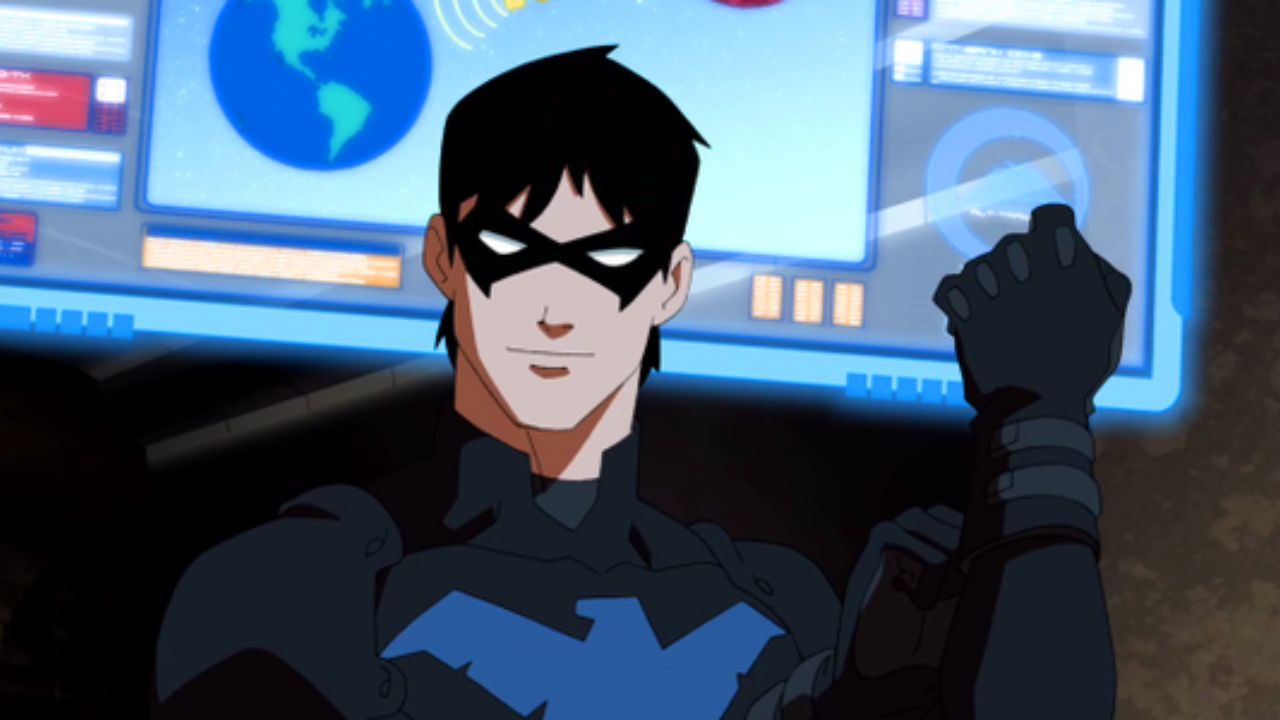
Dick Grayson
Robin | Nightwing | Batman (Temporary) | Agent 37
Origin: The Circus Orphan
Richard “Dick” Grayson was the youngest member of the Flying Graysons, a family acrobat act performing at Haly’s Circus in Gotham City. When a mob boss named Tony Zucco sabotaged their trapeze equipment, Dick’s parents — John and Mary Grayson — plummeted to their deaths in front of a live audience and their 8-year-old son.
Bruce Wayne, who witnessed the tragedy from the audience, saw something painfully familiar in the orphaned boy. He took Dick in as his ward. It didn’t take long for Dick to figure out that his guardian was Batman — and, burning with a desire for justice, he demanded to help. Batman trained him rigorously, and the first Robin was born.
"Batman and Robin — together they couldn't fail. Separately, they just might."
Role as Robin
Dick was Robin for over a decade of publication history — and his partnership with Batman is the definitive template for the Dynamic Duo. He brought lightness, humor, and acrobatic brilliance to Batman’s grimness. The two foiled hundreds of crimes together, and Dick became something of an adopted son to Bruce Wayne in all but legal terms.
He also helped found the Teen Titans, leading alongside Wally West (Kid Flash), Roy Harper (Speedy), Aqualad, and Wonder Girl. Dick proved he was a leader in his own right, not just a sidekick.
Why He Left the Costume
As Dick grew into young adulthood, tensions with Batman escalated. Bruce was controlling and demanding; Dick wanted independence and acknowledgment of his own growth. After a disastrous mission and a falling out with Batman, Dick officially retired the Robin identity in his late teens.
In a pivotal meeting with Superman in New Teen Titans, Clark Kent helped Dick reflect on his identity — and inspired by the Kryptonian legend of Nightwing, Dick Grayson shed the Robin mantle forever and reinvented himself.
What Happened Next
Dick became Nightwing and took up residence in Blüdhaven, a corrupt city neighboring Gotham, where he worked as both a vigilante and an undercover police officer. He remained one of DC’s most beloved heroes and one of Batman’s closest allies — evolving from sidekick to equal.
In some storylines (most notably during Bruce’s disappearance following Final Crisis), Dick wore the cowl as Batman himself — with Damian Wayne as his Robin. He’s also operated as Agent 37 with the spy organization Spyral. Dick Grayson is universally regarded as Batman’s greatest student and the most successful Robin.
- Status: Active — Nightwing, protecting Blüdhaven
The Tragic One · First Appearance: Batman #357, 1983
Jason Todd
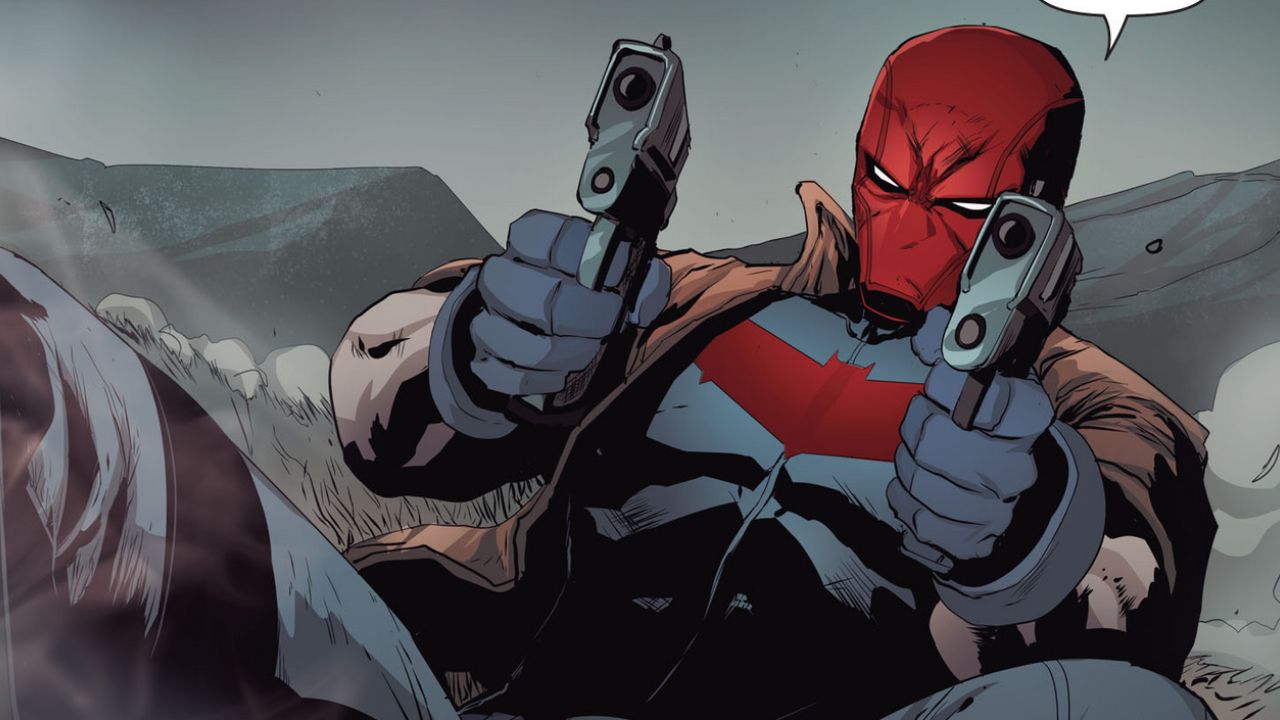
Robin II | Red Hood | Outlaw | Red Robin (briefly)
Origin: The Street Kid
Jason Todd’s origin has been revised twice. In his original Golden Age-adjacent origin, he was almost a carbon copy of Dick Grayson — another circus acrobat orphan. Post-Crisis on Infinite Earths, DC rebooted his story into something far more compelling: Jason was a street kid from Crime Alley, the same block where Thomas and Martha Wayne were murdered.
Batman caught Jason in the act of stealing the tires off the Batmobile. Impressed by the kid’s audacity and seeing a rough diamond in need of direction, Bruce took him in, trained him, and made him the second Robin. From the start, Jason was more volatile than Dick — angrier, more impulsive, and hungrier for vengeance than justice.
Role as Robin
Jason’s tenure as Robin was always uneasy. He was brave and skilled, but lacked Dick’s discipline. He pushed buttons, disobeyed orders, and sometimes went further than Batman was comfortable with. Batman wrestled constantly with whether he was helping Jason or putting him in danger.
The warnings proved prophetic. Jason discovered that his biological mother might still be alive — and traveled to Ethiopia to find her. It was a trap. His mother had made a deal with the Joker, who beat Jason brutally with a crowbar in Batman: A Death in the Family (1988–89), then left him locked in a warehouse with a bomb. Jason died in the explosion, trying to shield his mother from the blast.
"You didn't just let me die. You left me for dead." — Jason Todd, upon his return
The Vote That Decided His Fate
In one of comics’ most famous moments, DC actually let readers decide Jason’s fate via a phone-in vote. 5,343 readers voted to kill him; 5,271 voted to let him live. A margin of just 72 votes condemned Jason Todd to death. It remains one of the most discussed editorial decisions in comic book history.
What Happened Next: The Resurrection
Jason remained dead for nearly 20 years of publication. Then, in Batman: Under the Hood (2004–2005), writer Judd Winick brought him back with a bombshell: the villain beneath the Red Hood’s helmet was Jason Todd himself. Superboy-Prime punching reality during Infinite Crisis had disrupted the timestream enough to restore Jason’s life, and Ra’s al Ghul’s Lazarus Pit had revived and (temporarily) destabilized him.
Jason returned furious and morally shattered. He adopted the alias of the Red Hood — ironically, one of the Joker’s old identities — and pursued a brutal form of vigilantism that included killing criminals. His confrontation with Batman over the Joker’s continued existence (“Why haven’t you killed him?”) cut to the philosophical heart of the Batman mythos.
Jason has since fluctuated between anti-hero and villain, but has increasingly settled into the role of a brutal but ultimately heroic Outlaw — leading his own team (the Outlaws with Arsenal and Starfire) and occasionally working alongside the Bat-family, albeit on his own violent terms.
- Status: Active — Operating as Red Hood, anti-hero vigilante
The Detective · First Appearance: Batman #436, 1989
Tim Drake
Robin III | Red Robin | Drake | Batman Beyond (Future)
Origin: The Fan Who Figured It Out
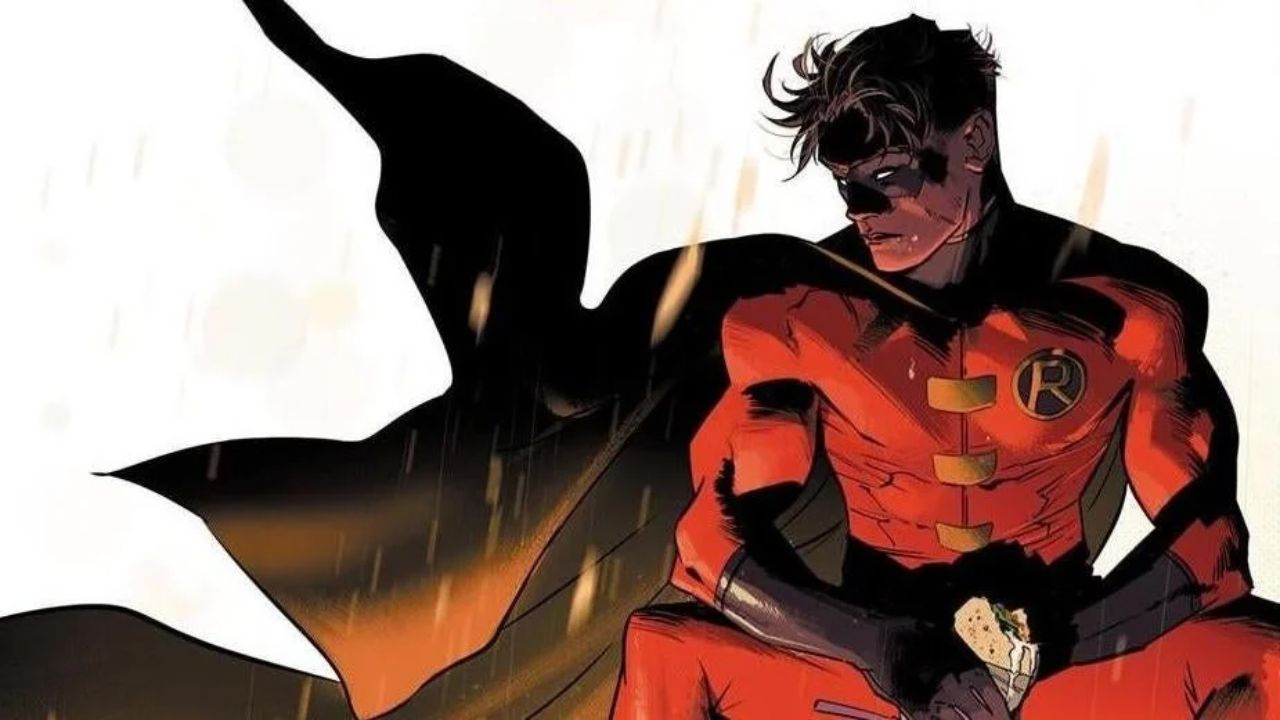
Tim Drake’s origin is arguably the most unique of any Robin: he deduced Batman’s secret identity on his own. As a child, Tim had attended the circus performance where the Graysons died. He remembered the acrobatic style of the boy left behind — and years later, watching Dick Grayson perform as Nightwing, he recognized the same moves. He put the pieces together and realized that Bruce Wayne was Batman.
After Jason Todd’s death, Tim noticed that Batman was becoming dangerously reckless and dark without a Robin to anchor him. He tracked down Dick Grayson and pleaded for him to return as Robin. Dick refused — but Tim’s tenacity convinced both Dick and Batman that this teenager had something special. Batman trained him, though with significantly more caution than his predecessors, even initially insisting Tim’s parents sign off on his involvement.
Role as Robin
Tim was Robin for the longest continuous stretch in modern continuity. Unlike Dick (who was natural and instinctive) or Jason (who was emotional and aggressive), Tim was methodical and analytical — arguably the best detective of the three. He was less physically gifted than his predecessors but compensated with superior tactical thinking.
He proved his brilliance across dozens of storylines, solving cases Batman missed, co-founding the Young Justice team, and earning the respect of the entire DC hero community. Even Superman considered him an exceptional young hero.
Tim also suffered enormous personal loss during his tenure — his mother was murdered, his father was paralyzed and later killed, and his best friend Superboy (Conner Kent) died. The weight of those losses shaped him into a more stoic, determined figure.
What Happened Next
When Bruce Wayne appeared to die during Final Crisis and Dick Grayson took up the Batman mantle, he chose Damian Wayne as the new Robin rather than Tim. Hurt but not broken, Tim adopted the identity of Red Robin and spent months on a globe-trotting investigation proving that Bruce Wayne was still alive (trapped in time, not dead).
Tim has since operated under various identities, including simply Drake. He’s also publicly come out as bisexual in recent DC Rebirth continuity, which has been celebrated as a meaningful development for LGBTQ+ representation in comics. In the far-future continuity of Batman Beyond, an older Tim Drake eventually becomes Batman.
- Status: Active — Operating as Red Robin / Drake
The Underestimated · First Appearance (as Robin): Batman #647, 2005
Stephanie Brown
Robin IV | Spoiler | Batgirl
Origin: The Spoiler’s Daughter
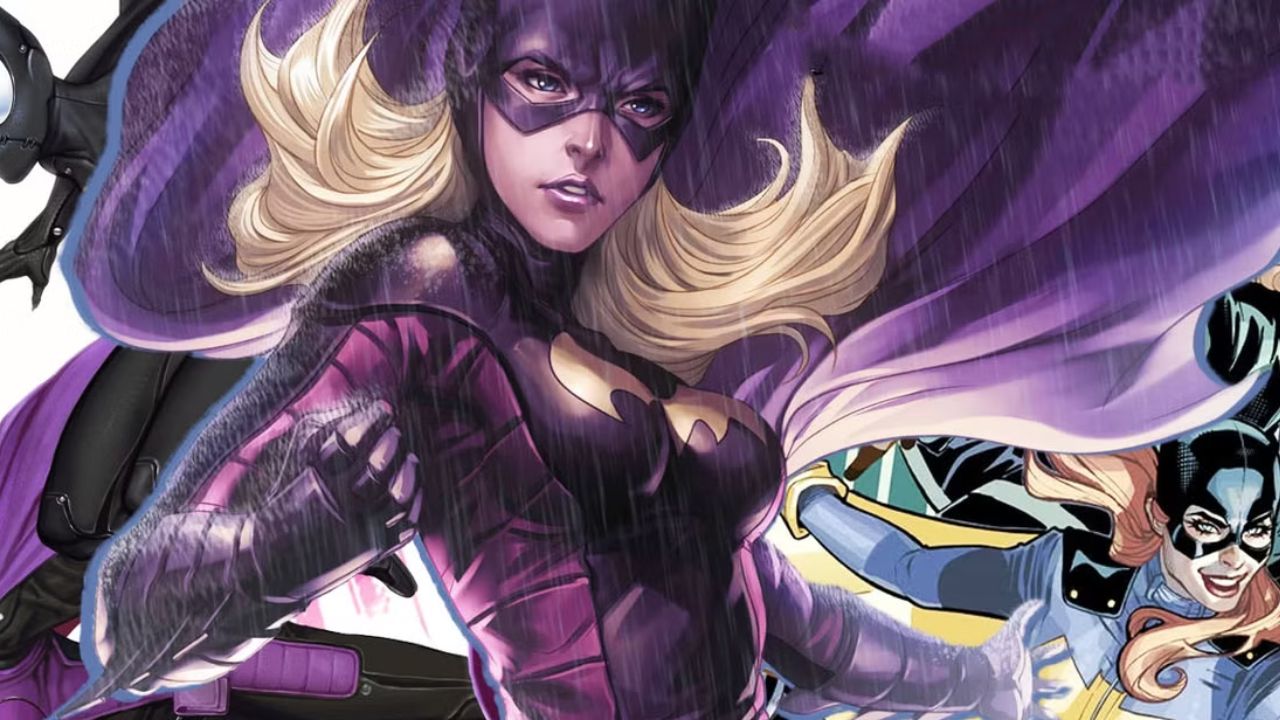
Stephanie Brown came from a deeply complicated background. Her father was Arthur Brown — the Cluemaster, a Z-list Batman villain. Growing up watching her father terrorize Gotham, Stephanie created her own vigilante identity as the Spoiler, dedicated to spoiling her father’s crimes. She crossed paths with Tim Drake (Robin III) repeatedly, and the two became romantically involved.
She was headstrong, determined, and chronically underestimated — even by those who should have believed in her. When Tim Drake was forced to give up the Robin identity by his father (who had discovered his secret), Stephanie petitioned Batman directly to let her be the new Robin. Against his better judgment, Batman agreed — on a probationary basis.
A Brief, Turbulent Tenure
Stephanie’s time as Robin was short — roughly a few months — and marked by constant friction. Batman was a demanding, often harsh mentor, and Stephanie struggled to meet his exacting standards. She was eventually fired from the role after she disobeyed a direct order.
In a desperate attempt to prove herself, Stephanie took and executed a contingency plan she’d discovered in the Batcave — a massive Gotham crime war deterrent called War Games. Without a crucial element Batman had built in, the plan went catastrophically wrong, triggering an actual gang war across Gotham that left hundreds dead.
Stephanie was captured and tortured by the villain Black Mask. She later appeared to die of her injuries — though it was later revealed that Leslie Thompkins had faked her death and spirited her away to Africa to protect her.
"I was never really Robin, was I? Not really." — Stephanie Brown
What Happened Next
Stephanie returned to Gotham after her “death” was retconned and reclaimed the Spoiler identity. She eventually took on the Batgirl mantle during the post-R.I.P. era, with Barbara Gordon (Oracle) serving as her mentor and handler. Her run as Batgirl was widely praised for its lighter, more fun tone compared to the grim Bat-books of the era.
She remains a beloved character in the Bat-family and has been an advocate for her own legacy — even demanding that her memorial case (displayed in the Batcave) be identical to Jason Todd’s. She continues to operate as the Spoiler in current continuity.
- Status: Active — Operating as Spoiler
The Son of the Bat · First Appearance: Batman #655, 2006
Damian Wayne
Robin V | Son of Batman | Al Ghul Heir
Origin: Bred to Kill
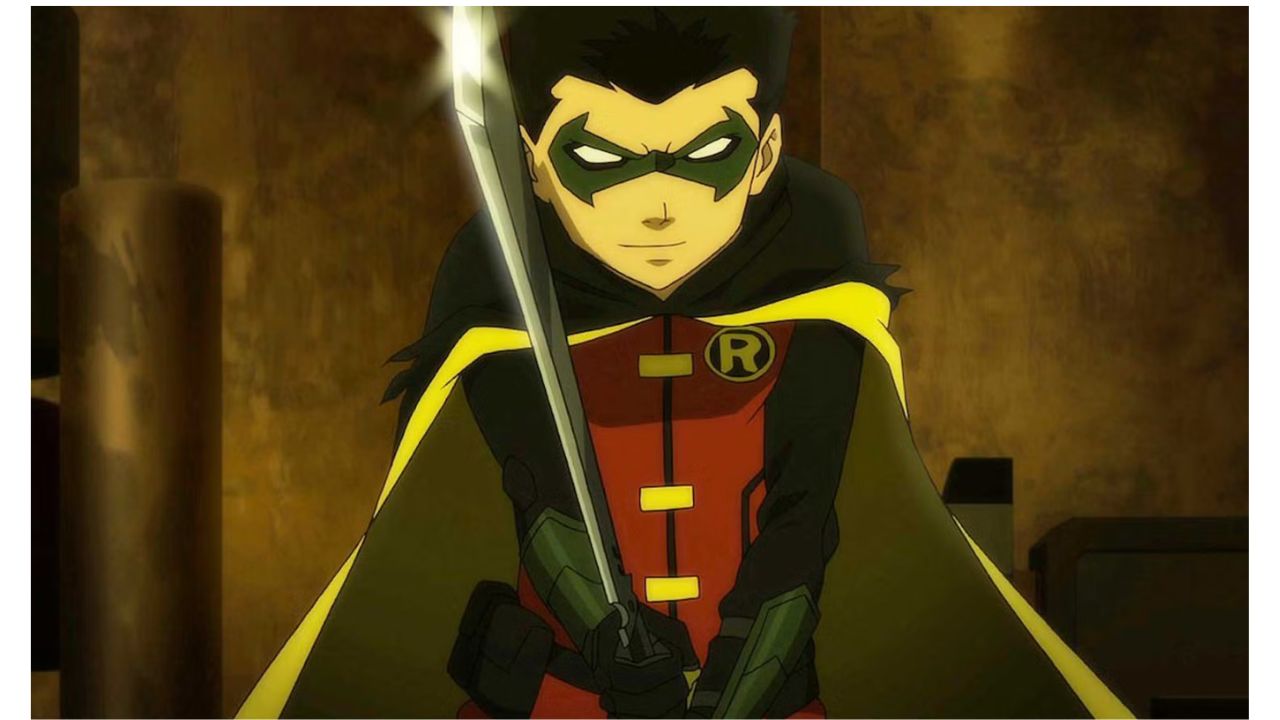
Damian Wayne is unlike any Robin before him — he is Bruce Wayne’s biological son, the product of a long-ago relationship between Bruce and Talia al Ghul, daughter of the immortal eco-terrorist Ra’s al Ghul. Damian was literally grown in an artificial womb and trained by the League of Assassins from birth. By the time he was ten years old, he was already a world-class combatant — and had been conditioned to believe that killing was an acceptable, even necessary, solution.
Talia deposited Damian on Bruce’s doorstep as a weapon and a distraction. Damian arrived arrogant, murderous, and contemptuous of everything the Bat-family stood for. He immediately tried to take over, clashed violently with Tim Drake, and nearly killed a villain in the Batcave.
Role as Robin
Bruce’s instinct was to send Damian away. Dick Grayson, then serving as Batman with Bruce believed dead, made the counterintuitive choice to make Damian his Robin — reasoning that keeping the boy close was the only way to influence him. The pairing of the lighthearted Dick and the murderous Damian became one of the most beloved Robin dynamics in modern comics.
When Bruce returned, he officially took Damian as his Robin — and the relationship became the spine of Grant Morrison’s landmark Batman run. Father and son working together was emotionally complex: Bruce struggling to undo years of assassin conditioning; Damian fighting his own nature, desperately wanting his father’s approval while being too proud to show it.
Damian is the most naturally gifted Robin from a pure combat standpoint — he can go toe-to-toe with adults and has beaten opponents far above his weight class. He has a pet cow named Bat-Cow, a love of video games, and a rivalry with Colin Wilkes (Abuse). Beneath the ice, he is achingly desperate for connection.
"I want to be the best Robin there ever was... not because you expect it. Because I choose it."
Death and Resurrection
In one of DC’s most devastating stories — Batman Incorporated #8 (2013) — Damian was killed in combat by the Heretic, an aged clone of himself, in the service of Talia’s war against Batman. His death shattered Bruce Wayne in a way Jason Todd’s hadn’t — because this time, the boy was his son.
Damian was resurrected by his mother using a Chaos Crystal and demonic power, returning with briefly enhanced superpowers. Since his return, he has been a central figure in the Bat-family, leading Teen Titans, adventuring with his father, and continuing his ongoing struggle between the assassin he was raised to be and the hero he chooses to be.
- Status: Active — Current Robin, son of Bruce Wayne
Elseworlds · The Dark Knight Returns (1986)
Carrie Kelley
Elseworlds Robin | First Female Robin | Iconic Alt-Timeline
The Future Robin
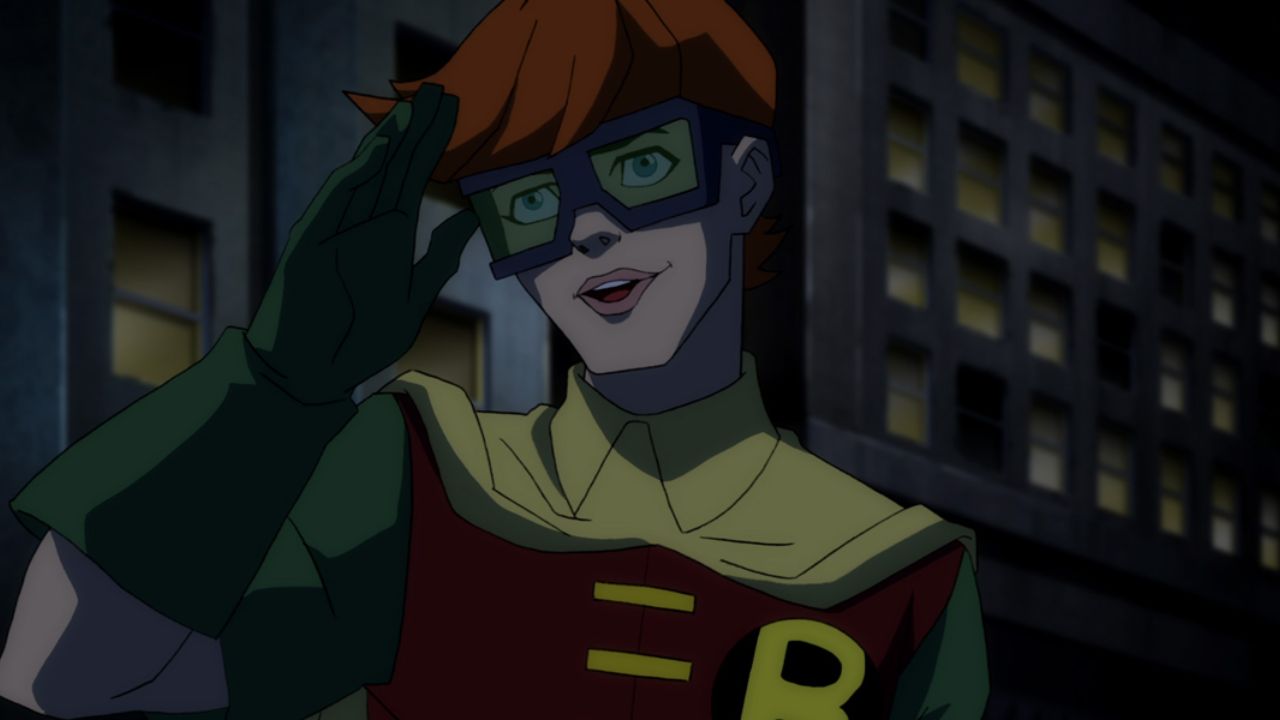
Carrie Kelley is not part of the main DC continuity — she exists in Frank Miller’s legendary The Dark Knight Returns (1986), set in a dystopian near-future where Bruce Wayne has retired for ten years. When Batman finally returns to Gotham to fight the Mutant gang, it’s a teenage girl named Carrie Kelley — who bought herself a Robin costume from a costume shop — who saves his life during his first brutal encounter with the Mutant Leader.
Batman, moved by her courage, officially trains and equips her as the new Robin. She’s fiercely brave, resourceful, and loyal, ultimately playing a key role in Batman’s confrontations with Two-Face, the Joker, and Superman. She later takes on the identity of Catgirl in the Dark Knight Strikes Again sequel.
Why She Matters
Carrie Kelley holds a special place in comics history as the first female Robin in any major Batman story — predating Stephanie Brown by nearly two decades. Frank Miller’s decision to give the mantle to a girl was quietly revolutionary in 1986, and Carrie remains a fan favorite to this day. She has also appeared in the New 52 main continuity in a supporting role (as a friend of Damian’s), though she never became Robin in that timeline.
- Status: Elseworlds — The Dark Knight Returns continuity only
The Robins at a Glance
A quick reference guide to every Robin — their tenure, what came next, and whether they made it out alive.
| Robin | Real Name | Era (Comics) | Left Because | Later Identity | Alive? |
|---|---|---|---|---|---|
| Robin I | Dick Grayson | 1940 – 1984 | Outgrew the role; chose independence | Nightwing / Batman | ✅ Yes |
| Robin II | Jason Todd | 1983 – 1988 | Killed by the Joker (voted by readers) | Red Hood / Outlaw | ✅ Yes (resurrected) |
| Robin III | Tim Drake | 1989 – 2009 | Replaced by Damian; chose new identity | Red Robin / Drake | ✅ Yes |
| Robin IV | Stephanie Brown | 2004 – 2004 | Fired; apparent death (later retconned) | Spoiler / Batgirl | ✅ Yes |
| Robin V | Damian Wayne | 2006 – present | Temporarily killed; resurrected | Current Robin | ✅ Yes (resurrected) |
| Robin (Alt) | Carrie Kelley | Elseworlds (1986) | Became Catgirl (sequel) | Catgirl (Dark Knight) | ✅ Yes (alt-timeline) |
What the Robins Tell Us About Batman
It’s tempting to look at the Robin legacy and ask a darker question: should Batman be allowed to involve children in his crusade at all? The comics themselves have wrestled with this openly. Batman has been criticized in-universe by Superman, by Alfred, and by the Robins themselves. Jason Todd’s death — and Stephanie Brown’s near-death — are the sharpest indictments of the institution.
And yet, the Robin mantle endures because the stories it generates are irreplaceable. Each Robin is a mirror held up to Bruce Wayne, reflecting a different facet of his obsession, his capacity for love, and his failure to let go. Dick shows us what Batman’s ideal partnership looks like. Jason shows us what happens when Batman fails. Tim shows us Batman’s intellectual legacy. Stephanie shows us how even Batman can undervalue someone right in front of him. Damian shows us what Batman might have been had he never found balance.
Together, they form something bigger than any single character: a lineage of broken, brave, extraordinary people who chose to step into the darkness alongside the world’s most complicated man — and who, more often than not, came out the other side as heroes in their own right.
The Robin who died became the Red Hood. The Robin who aged out became Nightwing. The Robin who was fired became Batgirl. The Robin who was replaced became Red Robin. The Robin who was killed came back with superpowers. And they all — every single one of them — refused to stay down. That resilience isn't just good superhero storytelling. It's the whole point.