
Ancient Egypt has never truly loosened its grip on the imagination. From desert tombs and divine judgment halls to jackal-headed gods and serpent-demons, Egyptian mythology continues to shape modern fantasy in bold, inventive ways. And in 2026, readers have more reasons than ever to dive in. Welcome to your month-by-month Egyptian Mythology Reading Challenge for 2026: a structured, immersive journey through gods, mortals, magic, and myth.
January: Foundations of the Gods
Start where every great mythic journey should — at the source.
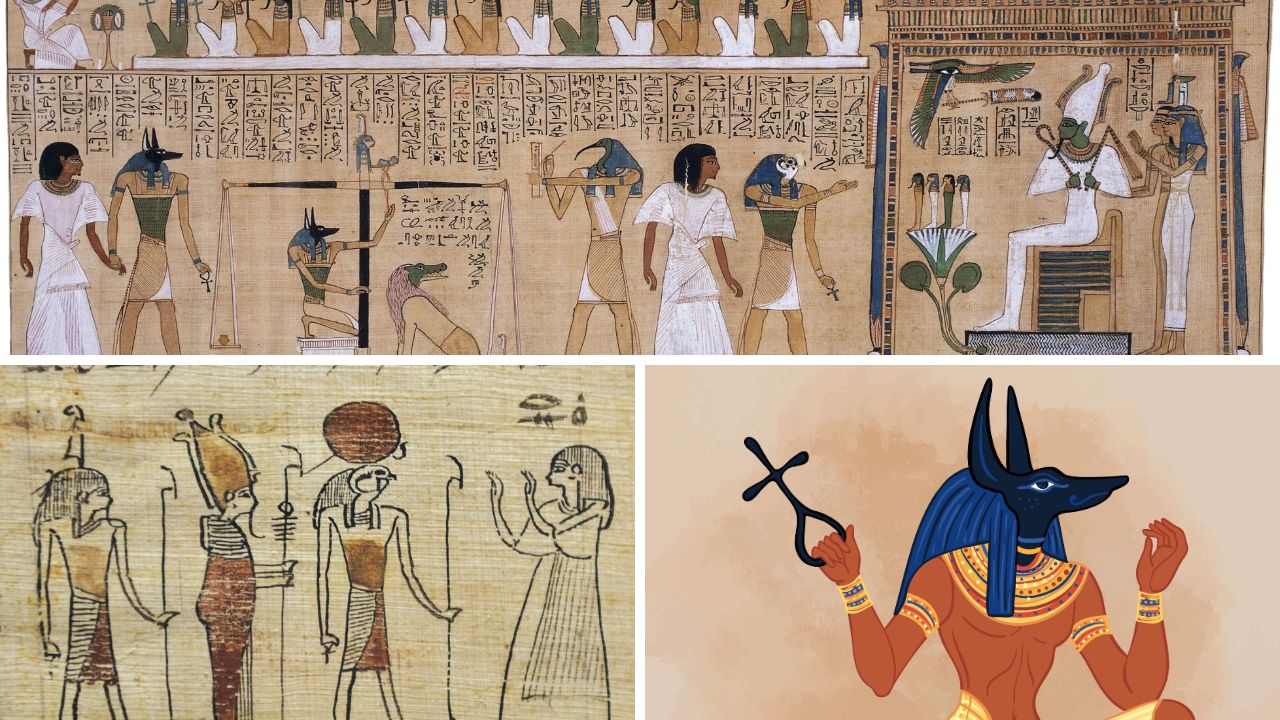
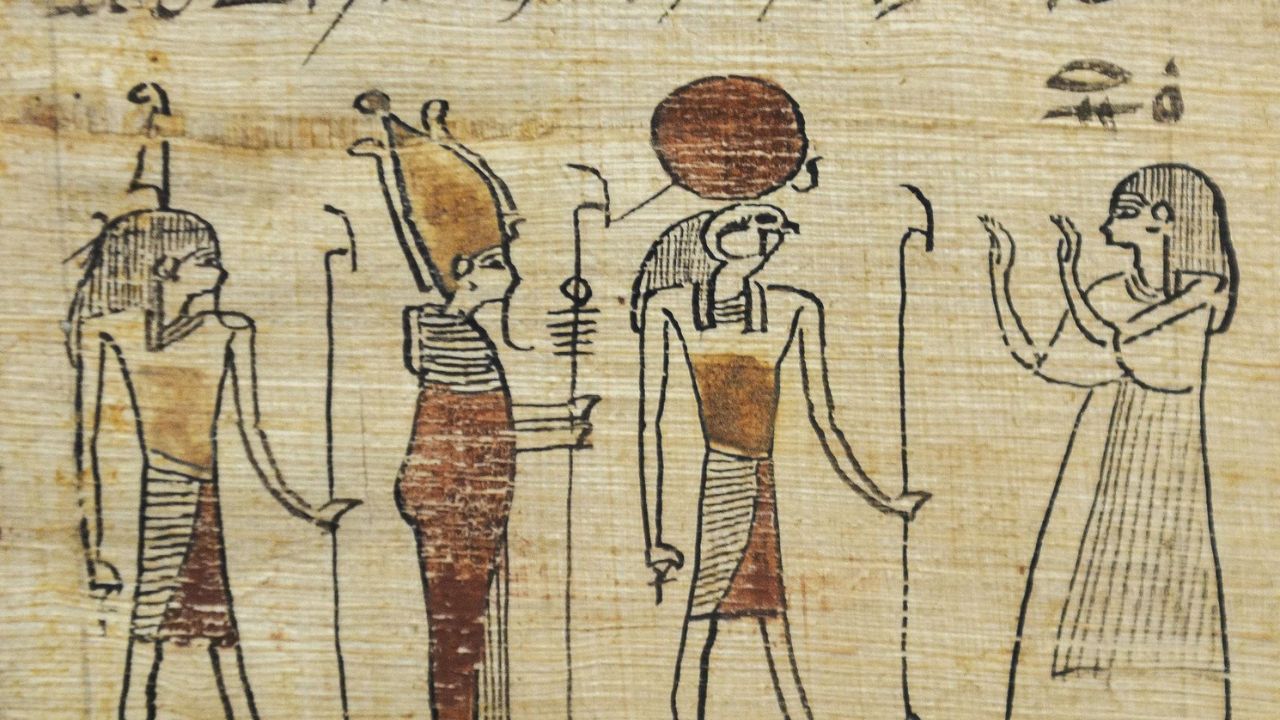
Before diving into modern retellings and fantasy series, dedicate January to understanding the core pantheon. Read a comprehensive guide like The Complete Gods and Goddesses of Ancient Egypt or explore translated excerpts from the Book of the Dead.
Focus on:
- The Ennead of Heliopolis
- Osiris, Isis, Horus, and Set
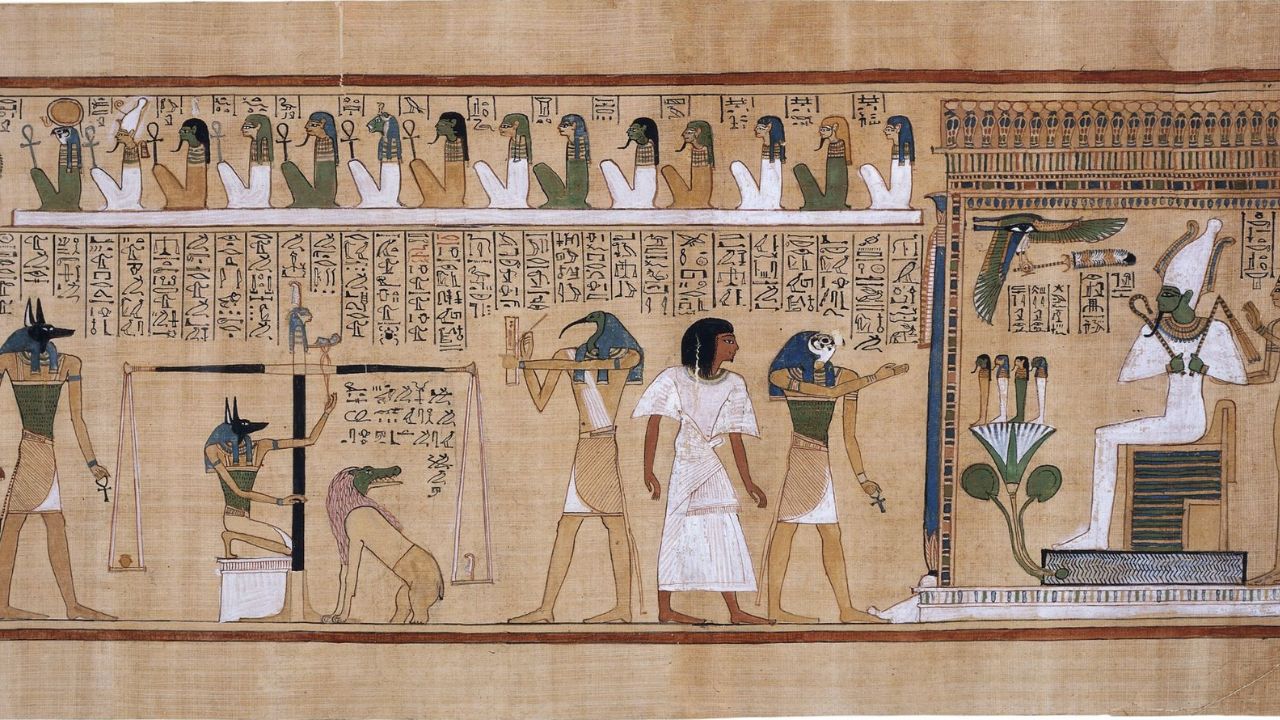
- The weighing of the heart ceremony
- Anubis as psychopomp
Understanding how divine justice, resurrection, and cosmic balance (ma’at) functioned in ancient belief systems will make every fictional retelling richer and more layered.
January isn’t about speed. It’s about context.
February: Modern Myth Revival
Once you have the foundations, move into contemporary reinventions.
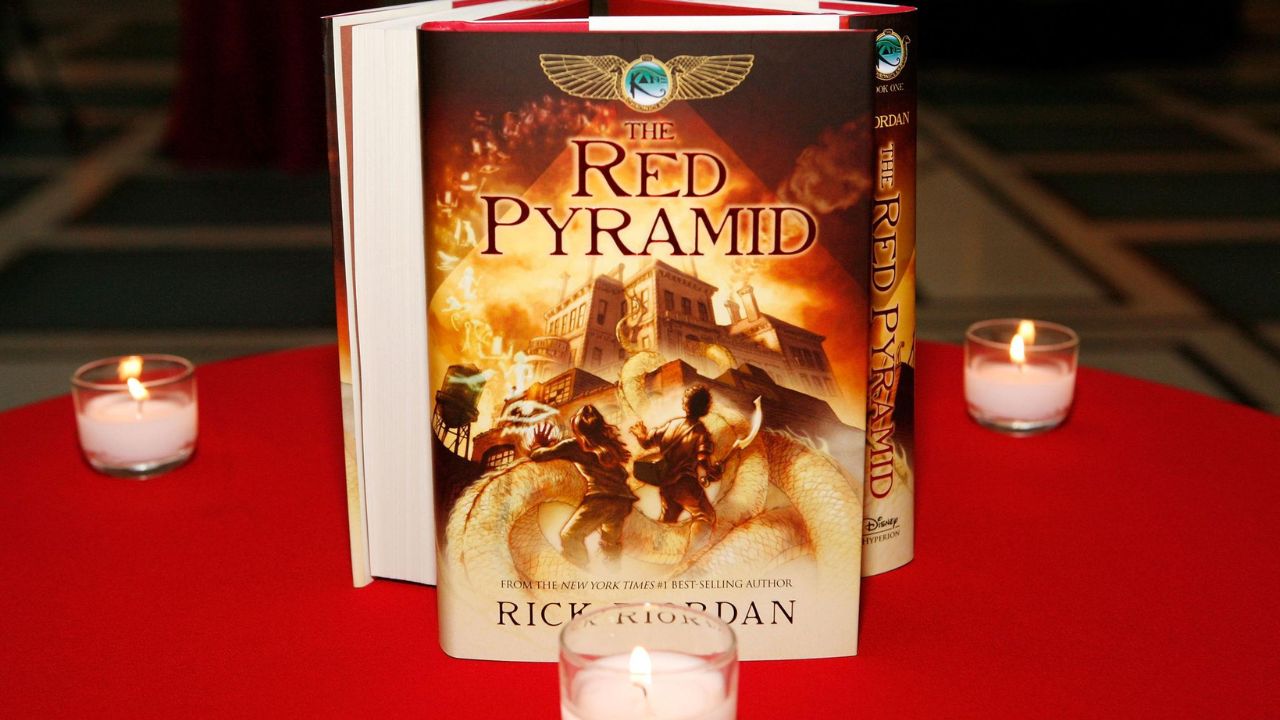
Begin with The Kane Chronicles by Rick Riordan. This trilogy reframes Egyptian gods through modern teenage magicians, blending action, humor, and ancient lore.
Why February? Because this is your “gateway month.” Fast-paced storytelling keeps momentum alive while reinforcing mythological names and structures you explored in January.
Pay attention to:
- The House of Life
- Magical hieroglyphs as spellcasting
- The shifting forms of gods in the mortal world
You’re now seeing mythology not as relic — but as living narrative material.
March: The Rise of Anubis in Fiction
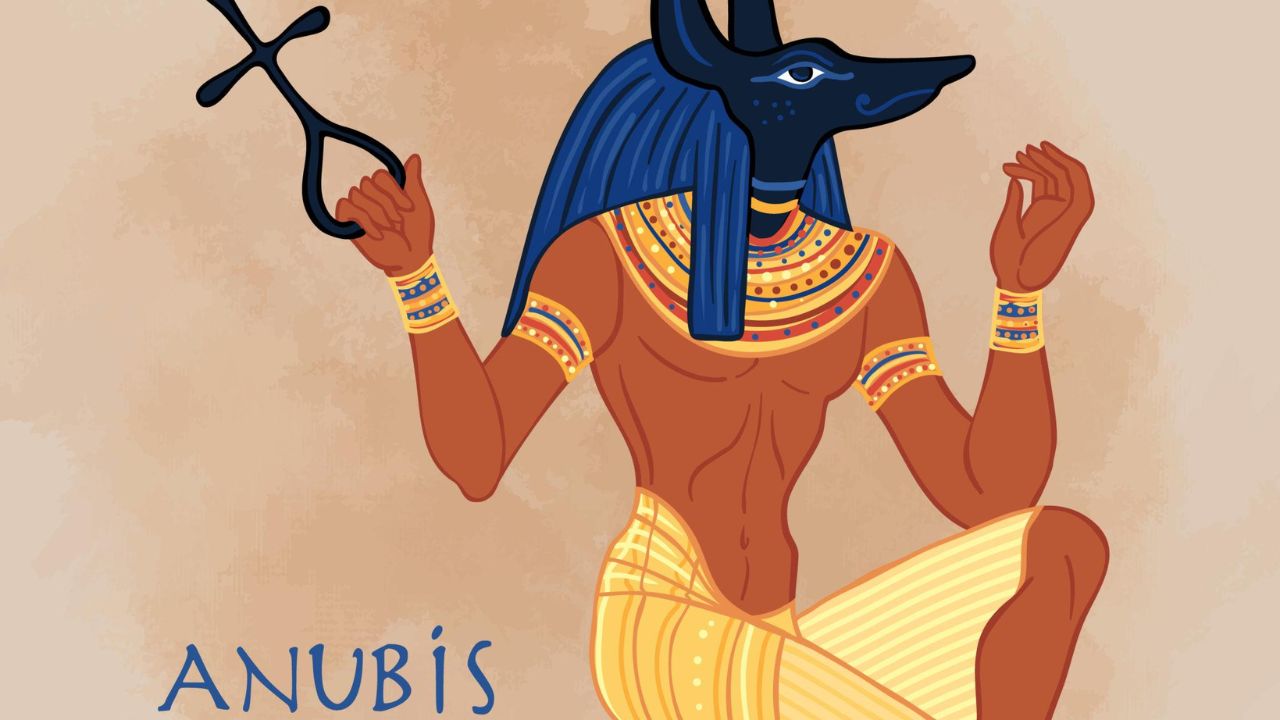
March belongs to the god of embalming and judgment.
Few Egyptian deities have captured modern fantasy quite like Anubis. His symbolism — death, transition, moral reckoning — fits seamlessly into paranormal romance and myth-based urban fantasy.
This is the perfect time to begin exploring The Apprentice of Anubis reading order, particularly if you plan to commit to the full arc later in the year.
Start with Book 1 and resist the temptation to jump around. The series builds its mythology carefully, layering character arcs with divine politics.
Key themes to track:
- Mortal–god apprenticeships
- The bureaucracy of the afterlife
- Romantic tension against divine duty
March sets the tone for the deeper dive ahead.
April: The Apprentice of Anubis – Deep Dive (Part 1)
Now that you’ve tested the waters, April is for commitment.
Follow The Apprentice of Anubis reading order precisely. If you’re new, stick to publication order to experience character growth organically.
Author Laura Greenwood has carved out a distinctive niche blending mythology, romance, and magical systems rooted in Egyptian lore.
As you read:
- Note how Anubis is humanized without losing his gravitas
- Watch how divine hierarchies shape personal conflict
- Observe how modern settings interact with ancient gods
April is immersive. Expect cliffhangers.
May: The Apprentice of Anubis – Deep Dive (Part 2)
Momentum matters.
Continue through the middle installments of the series. By now, the stakes should feel personal. Relationships deepen. Divine consequences escalate.
This is also a good time to explore companion novellas or spin-offs if available. Many readers overlook these, but they often expand the mythology in meaningful ways.
If you’re tracking your Egyptian mythology books 2026 progress, May will likely be your most emotionally invested month.
June: Expanding the Mythos
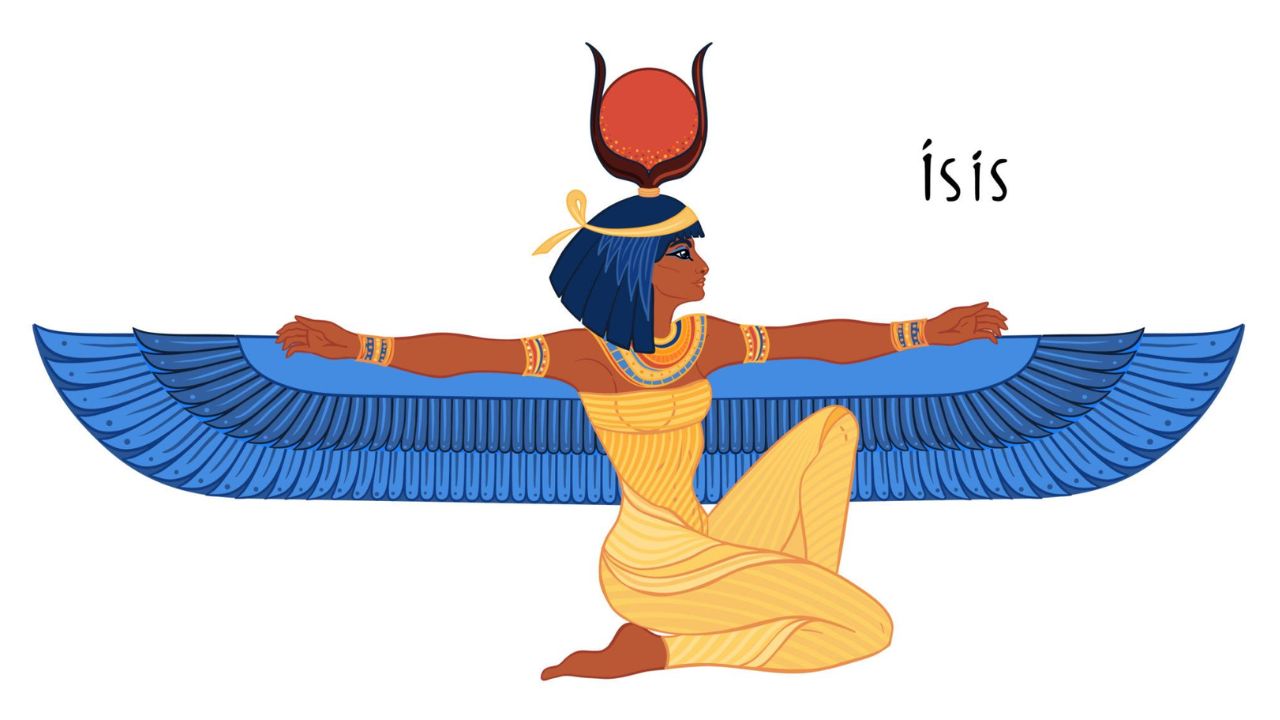
Take a temporary step back from Anubis.
Dedicate June to novels or retellings centered on:
- Isis and divine motherhood
- Osiris and resurrection
- Horus and kingship
- Set and chaos
This broadens your mythological lens and prevents narrative fatigue.
Look for standalone novels or anthologies featuring lesser-focused deities. Egyptian mythology is far more expansive than its most popular gods.
July: Laura Greenwood’s Expanding Universe
By midyear, it’s time to explore beyond a single series.
Check for Laura Greenwood new books released in 2026. She frequently expands her myth-inspired catalog, and keeping up with new entries ensures your challenge remains current.
Focus on:
- Cross-series connections
- New mythological interpretations
- Secondary characters receiving standalone arcs
Tracking an author’s evolution over time is one of the most rewarding parts of a reading challenge.
July becomes your “current releases” checkpoint.
August: Darker Retellings
As the year matures, shift into darker territory.
Seek out grim or horror-tinged retellings set in the Duat (Egyptian underworld). Stories that explore curses, tomb guardians, forbidden rituals, or corrupted priests add tonal variety.
This phase deepens your appreciation for how Egyptian mythology handles death — not as annihilation, but as transformation.
August is moody, atmospheric, and myth-heavy.
September: Academic Meets Fantasy
Blend scholarship with storytelling.
Read essays or historical analyses on:
- Burial practices
- Temple rituals
- Myth transmission through dynasties
Then compare these insights to the fictional portrayals you’ve consumed throughout the year.
You’ll start noticing:
- Where authors stay faithful
- Where creative liberties enhance narrative tension
- How modern values reshape ancient cosmology
September sharpens critical thinking without killing the magic.
October: The Afterlife Arc
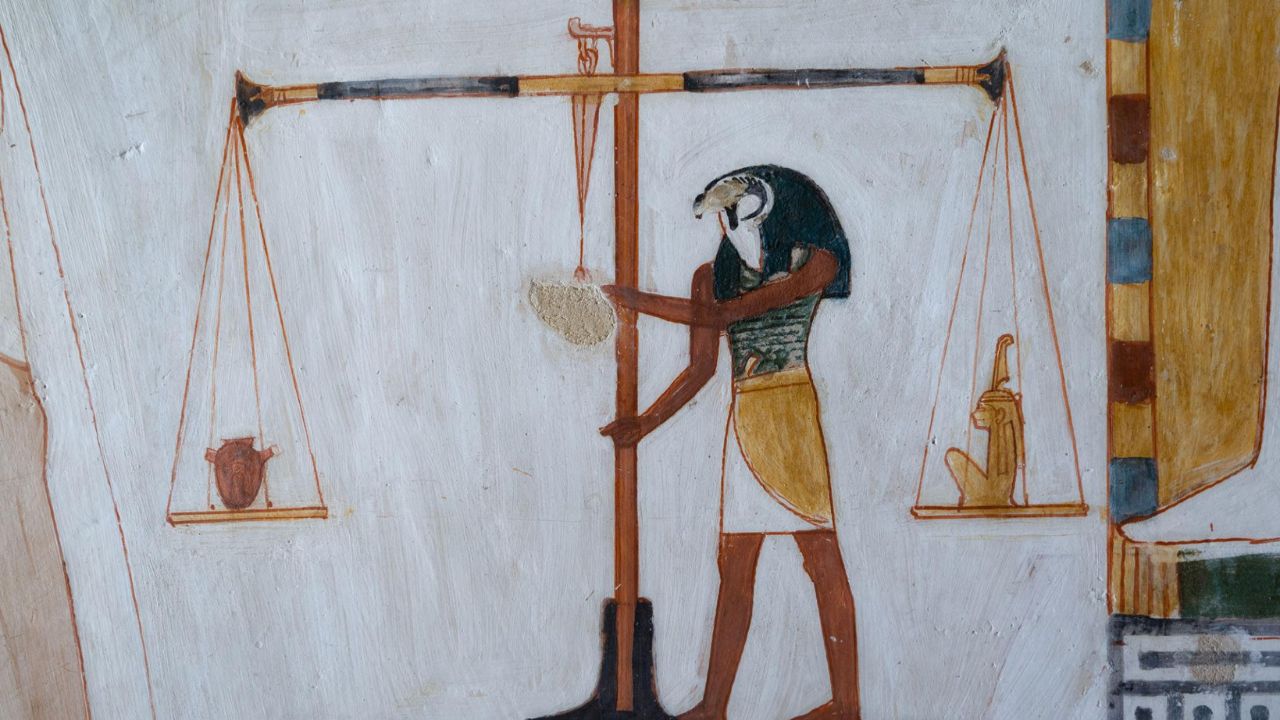
October belongs to judgment.
Revisit stories centered on the weighing of the heart, moral reckoning, and cosmic balance. This might include revisiting favorite volumes from The Apprentice of Anubis series or standalone tales focused on divine trials.
The imagery of scales, feathers, and devourers of souls feels particularly resonant during the Halloween season.
Themes to explore:
- Justice vs. mercy
- Love tested by divine law
- Fate versus free will
October is mythic drama at full intensity.
November: Global Influence
Egyptian mythology didn’t exist in isolation.
Explore crossover fiction where Egyptian gods intersect with other pantheons — Greek, Norse, or modern urban fantasy universes.
This highlights how enduring and adaptable these myths are. It also demonstrates why Egyptian mythology books 2026 remain commercially and creatively relevant.
Look for:
- Inter-pantheon rivalries
- Shared underworld motifs
- Syncretism in ancient history
November widens the lens.
December: Reflection and Completion
Finish strong.
December is for:
- Completing unfinished volumes
- Reading any late-year Laura Greenwood new books releases
- Ranking your top Egyptian mythology reads of 2026
Consider journaling:
- Which deity-focused story resonated most?
- How did modern fiction reinterpret divine morality?
- Did following The Apprentice of Anubis reading order enhance your experience?
Reflection transforms a reading list into a true challenge.
How to Stay on Track
- Set monthly reading goals
- Mix academic and fictional works
- Alternate tone (romance, horror, adventure)
- Track releases under “Egyptian mythology books 2026”
- Follow the correct The Apprentice of Anubis reading order
Most importantly: pace yourself. Egyptian mythology thrives on immersion, not speed.
Final Word
This challenge isn’t just about checking titles off a list. It’s about stepping into a belief system that shaped civilization and continues to influence fantasy storytelling today.
By the end of 2026, you won’t just recognize Anubis, Isis, or Osiris — you’ll understand how modern authors reinterpret them, reshape them, and reintroduce them to a new generation of readers.
Ancient gods. Modern stakes. Twelve months. One unforgettable journey.