
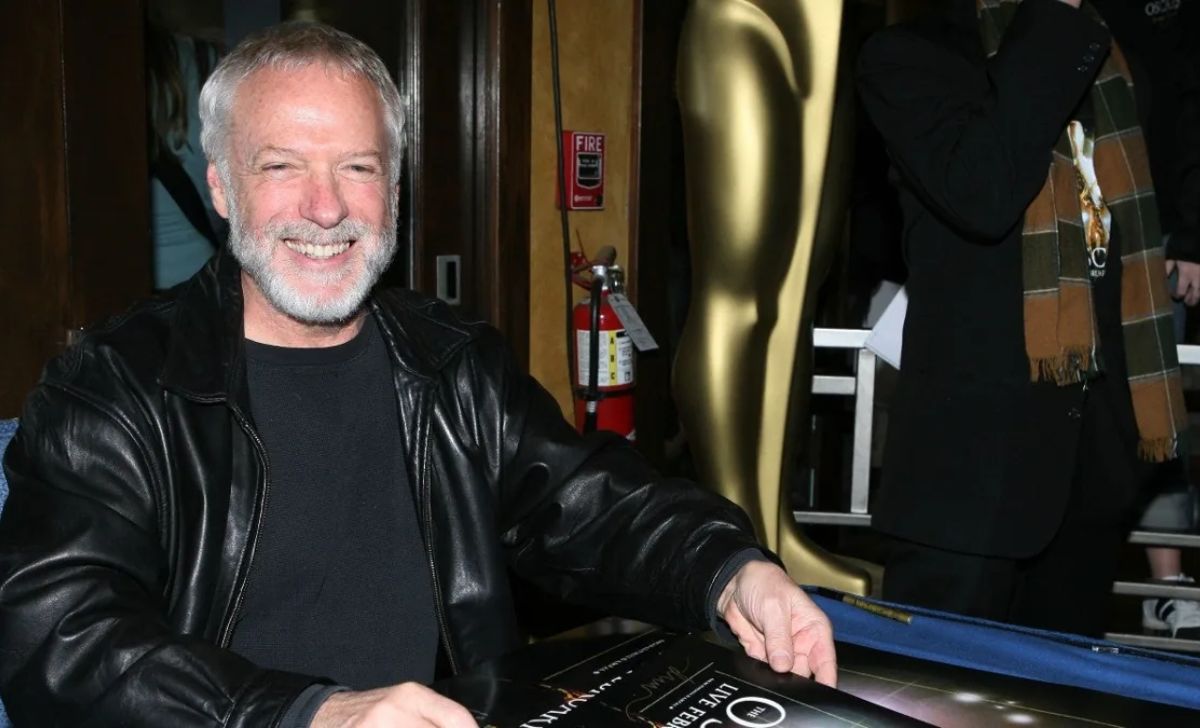
Drew Struzan, the visionary artist whose movie posters defined Hollywood’s golden age of blockbuster cinema, has died at the age of 78 after a long battle with Alzheimer’s disease. His passing was confirmed on Tuesday, October 14, through a heartfelt post on his official Instagram account, which read: “It is with a heavy heart that I must tell you that Drew Struzan has moved on from this world as of yesterday, October 13th. I feel it is important that you all know how many times he expressed to me the joy he felt knowing how much you appreciated his art.” His wife, Dylan Struzan, also confirmed his death to NPR.
Born in Oregon in 1947, Struzan moved to Los Angeles in the 1960s to study at the Art Center College of Design in Pasadena. His artistry first found commercial success in music, designing album covers for prominent bands such as the Bee Gees and Earth, Wind & Fire. However, his life changed in 1978 when Lucasfilm commissioned him to co-design a poster for the re-release of the original Star Wars film. The assignment marked the beginning of a storied career, one that would see Struzan become the man behind the most beloved film posters of the modern era.
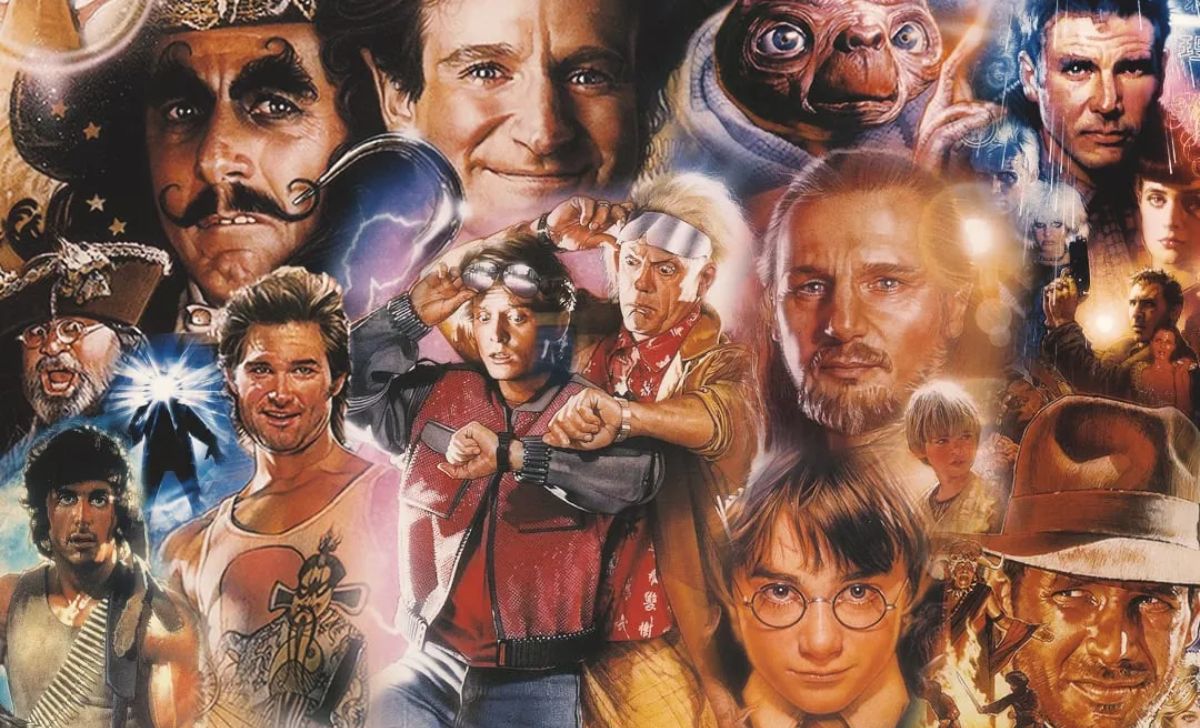
Struzan’s signature style — photorealistic, dramatic, and emotionally charged — made him the film industry’s go-to illustrator. He collaborated with directors like Steven Spielberg and George Lucas on timeless classics including Indiana Jones and the Last Crusade, Star Wars: The Empire Strikes Back, E.T. The Extra-Terrestrial, Blade Runner, The Goonies, Back to the Future, The Thing, and Harry Potter and the Sorcerer’s Stone. His posters were not just promotional art but cinematic experiences in themselves — vibrant compositions that distilled the very spirit of adventure and wonder that movies promised.
Spielberg once referred to him as “my favorite movie artist,” adding that he “had to almost live up to the art that we later were going to ask Drew to create for the poster.” Struzan, affectionately dubbed “the one-sheet wonder,” had an uncanny ability to translate the emotional essence of characters into visual form, often layering multiple faces and scenes into a unified masterpiece. His bold use of color, luminous realism, and attention to human expression made his works instantly recognizable across generations.
Tributes have poured in from across the entertainment world since his passing. Filmmaker Guillermo del Toro wrote on Bluesky, “The world lost a genial man, a genius communicator and supreme artist. I lost a friend — beloved Drew.”
DC Comics’ chief creative officer Jim Lee shared on Instagram, “A giant among giants. His work captured the humanity, power, and emotion of his subjects in ways not seen since. Thank you for bringing to life all the tentpole moments of my childhood and beyond.”
Marvel artist J. Scott Campbell added, “He has left us all with so much beauty to enjoy for generations to come. I know the past few years have been especially difficult, and I can only hope this gives him and his loved ones some sense of peace.”
Struzan’s approach to poster design was as profound as his artistic skill. He often emphasized that he didn’t seek to “tell the story” of a film within a single image, but rather to evoke a feeling of anticipation and curiosity. “Telling the story in a poster is wrong for a movie,” he explained in a 2021 interview. “I’m looking to give a person a feeling about something they could hope for… open-ended means the viewer explores the subject from their point of view.” This philosophy elevated his work from mere marketing material to timeless art that allowed audiences to imagine their own journeys before the opening credits ever rolled.
His life and creative legacy were beautifully captured in the 2013 documentary Drew: The Man Behind the Poster, directed by Erik Sharkey. Reflecting on his lifelong dedication to art, Struzan once shared, “I never had a birthday party, never had a good meal; everywhere I went, I worked hard. Nothing was ever given to me before, except by these lovely people” — referring to the filmmakers who believed in him. He never named a favorite piece, insisting, “If I had a favorite, then I would have already done the best I can do. My favorite is always the very next one.”
After an extraordinary career spanning decades, Drew Struzan’s artistry remains imprinted in the cultural memory of filmgoers worldwide. His posters didn’t just sell movies — they immortalized them. Generations of fans will continue to glance at his work and relive the magic of cinema, carried forever by the brush of a man who made imagination visible.