Dissection of a Murder begins with a brutal murder and a suspect who refuses to defend himself, creating a mystery that feels tense from the very first page. What follows is not just a courtroom battle, but a layered psychological and legal drama filled with power struggles, buried truths, and emotional manipulation. With sharp courtroom realism, morally complicated characters, and a protagonist fighting to prove herself in a system designed to underestimate her, Jo Murray delivers a debut thriller that cuts far deeper than a standard whodunit.
A Murder Case That Starts With Silence
The novel opens with the murder of a respected judge, Anton Smythe, a crime that instantly shocks the legal world. The accused is Jack Millman, a former criminal and nightclub head of security. But the real complication is not the murder itself — it is the fact that Jack refuses to explain anything.
His chosen defense barrister is Leila Reynolds, a relatively inexperienced lawyer stepping into her first murder trial. The case alone would be overwhelming, but Murray adds another layer of pressure: the prosecutor standing opposite Leila in court is her husband, Julian Kesler, a celebrated and ruthless legal heavyweight.
That setup immediately creates tension far beyond the standard “did he do it?” mystery. Every courtroom exchange becomes personal. Every legal maneuver feels tied to marriage, ambition, class, and buried resentment.

Leila Reynolds Is the Heart of the Novel
What makes Dissection of a Murder work so well is Leila herself. She is not written as an invincible genius or a thriller cliché who magically outsmarts everyone in the room. Instead, she feels human — intelligent but uncertain, determined but emotionally cornered.
Murray portrays the exhausting pressure placed on Leila from every direction. She is trying to defend a man who refuses to cooperate, compete against a husband who underestimates her, and navigate a legal culture dominated by hierarchy and ego.
One of the novel’s strongest qualities is how naturally it explores gender imbalance within the British legal system. The sexism is rarely loud or theatrical; instead, it appears in subtle dismissals, patronizing assumptions, and institutional dynamics that slowly wear people down. That realism gives the story far more weight than a conventional courtroom thriller.
The Courtroom Sequences Are Outstanding
The trial section is where the novel truly comes alive.
Murray structures the courtroom scenes with remarkable control, slowly peeling back lies, contradictions, and hidden motivations piece by piece. Witness testimony becomes a battleground. Cross-examinations feel dangerous. Even seemingly minor details begin to carry enormous significance.
Unlike many legal thrillers that prioritize speed over logic, Dissection of a Murder earns its twists carefully. Readers are encouraged to constantly reassess what they believe about Jack, Julian, and even Leila herself.
The procedural detail also feels refreshingly grounded. Murray’s experience as a barrister gives the novel credibility without overwhelming readers in technical jargon. The legal process is explained clearly enough for newcomers while still retaining complexity for thriller fans who enjoy authentic courtroom strategy.
The Novel Thrives on Moral Ambiguity
One of the smartest decisions Murray makes is refusing to divide characters neatly into heroes and villains.
Nearly everyone in this book is hiding something. Motives shift constantly. Personal histories bleed into professional choices. Even the idea of justice becomes unstable as the story unfolds.
The title Dissection of a Murder feels increasingly appropriate because the novel examines the crime from every possible angle — legally, psychologically, emotionally, and socially. Instead of focusing only on whether someone committed murder, Murray asks harder questions:
- Can truth survive ambition?
- How much damage can power conceal?
- Is the legal system truly designed to find justice, or simply winners?
Those questions give the novel far more substance than the average page-turner.
The Twists Actually Work
Modern thrillers often depend on twists that exist purely for shock value. Murray avoids that trap.
The reveals in Dissection of a Murder feel carefully engineered rather than randomly inserted. Looking back, the clues are there, hidden beneath distractions and assumptions. Several readers have praised the ending specifically for how cleverly it reframes earlier events.
Most importantly, the final twists enhance the emotional core of the story instead of undermining it. They deepen the themes of manipulation, trust, and perception rather than simply trying to stun the reader.
Where the Novel Occasionally Slows Down
The book is not flawless.
The first section moves more deliberately than the explosive courtroom half. Some readers may find the early procedural setup slightly dense, especially while Murray establishes legal terminology, character histories, and institutional politics.
However, that slower beginning ultimately pays off because the trial sequences rely heavily on the groundwork established earlier. Once the courtroom drama begins in earnest, the pacing becomes difficult to resist.
Final Verdict
Dissection of a Murder is one of those debuts that immediately announces a major new voice in the thriller genre. Jo Murray combines authentic legal knowledge with sharp character writing and a genuinely gripping mystery, creating a courtroom thriller that feels intelligent rather than formulaic.
Readers who enjoy legal dramas like Presumed Innocent, psychological thrillers with unreliable layers, or morally messy character-driven suspense will likely find this impossible to put down.
What lingers after the final page is not just the mystery itself, but the unsettling realization that nearly everyone in the story was performing a version of the truth. Murray understands that the courtroom is not merely a place where facts are discovered — it is a stage where narratives compete for survival.
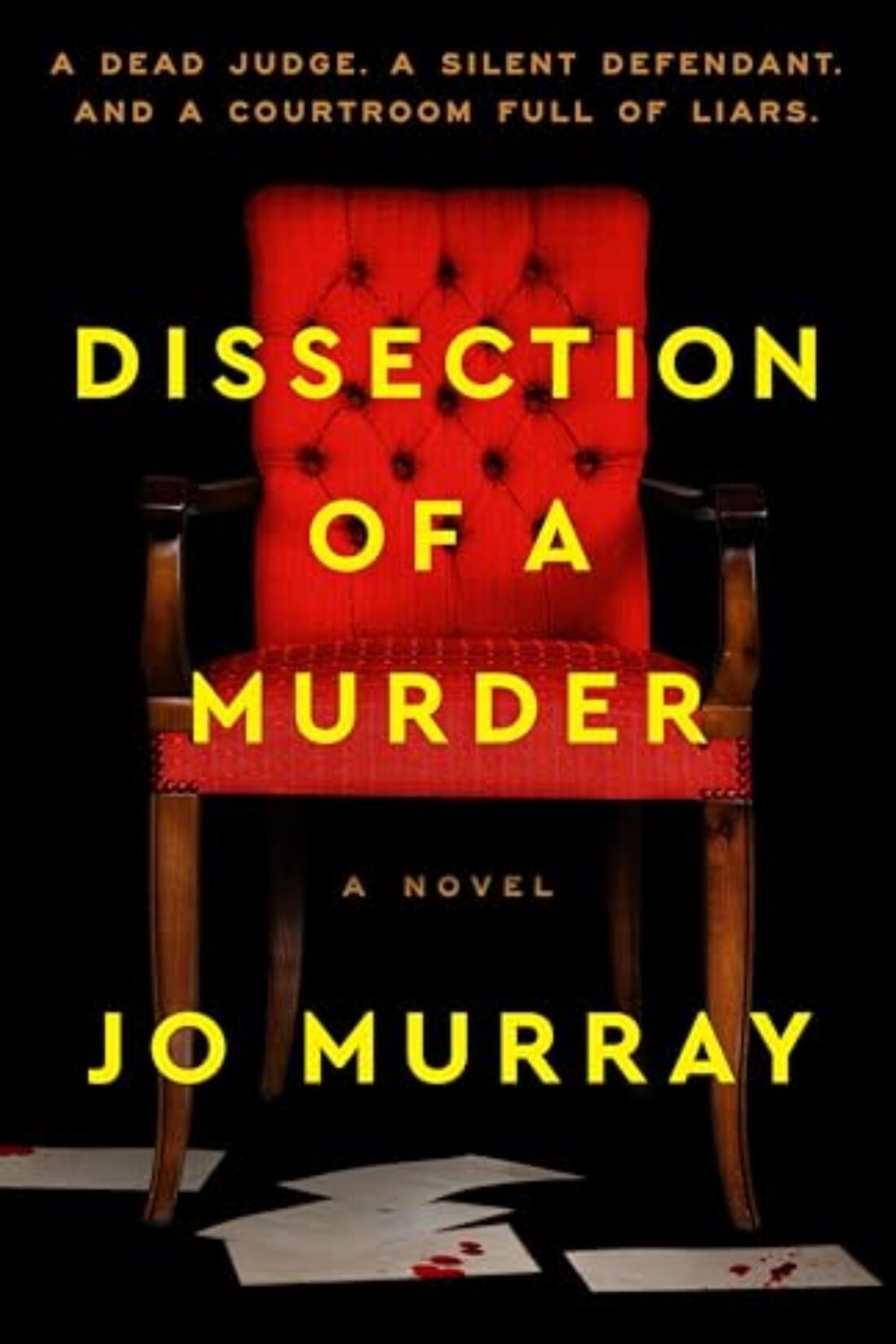
Dissection of a Murder: Review
Summary
Dissection of a Murder is a gripping legal thriller that combines courtroom tension, psychological complexity, and morally layered characters into a highly engaging debut. Jo Murray delivers sharp legal realism, clever twists, and an emotionally charged story centered on ambition, silence, and the fragile nature of truth.