
Greek mythology has been an integral part of the country’s culture and history for centuries. The stories of the Greek gods and goddesses have not only inspired artists and writers but have also played a significant role in shaping the country’s festivals and traditions. From the annual celebration of Easter to the Carnival of Patras, these myths have influenced the way modern Greeks celebrate their cultural heritage. This article will delve into the fascinating role of mythology in modern Greek festivals, exploring the ways in which these ancient stories continue to be a vital part of Greek culture and identity.
The Role of Mythology in Modern Greek Festivals
The Importance of Festivals in Greek Culture
Festivals have always been an important part of Greek culture. The ancient Greeks celebrated a variety of festivals throughout the year, honoring their gods and goddesses and commemorating important events. These festivals were marked by feasting, music, dance, and theater, and were seen as an opportunity to come together as a community and celebrate their shared heritage.
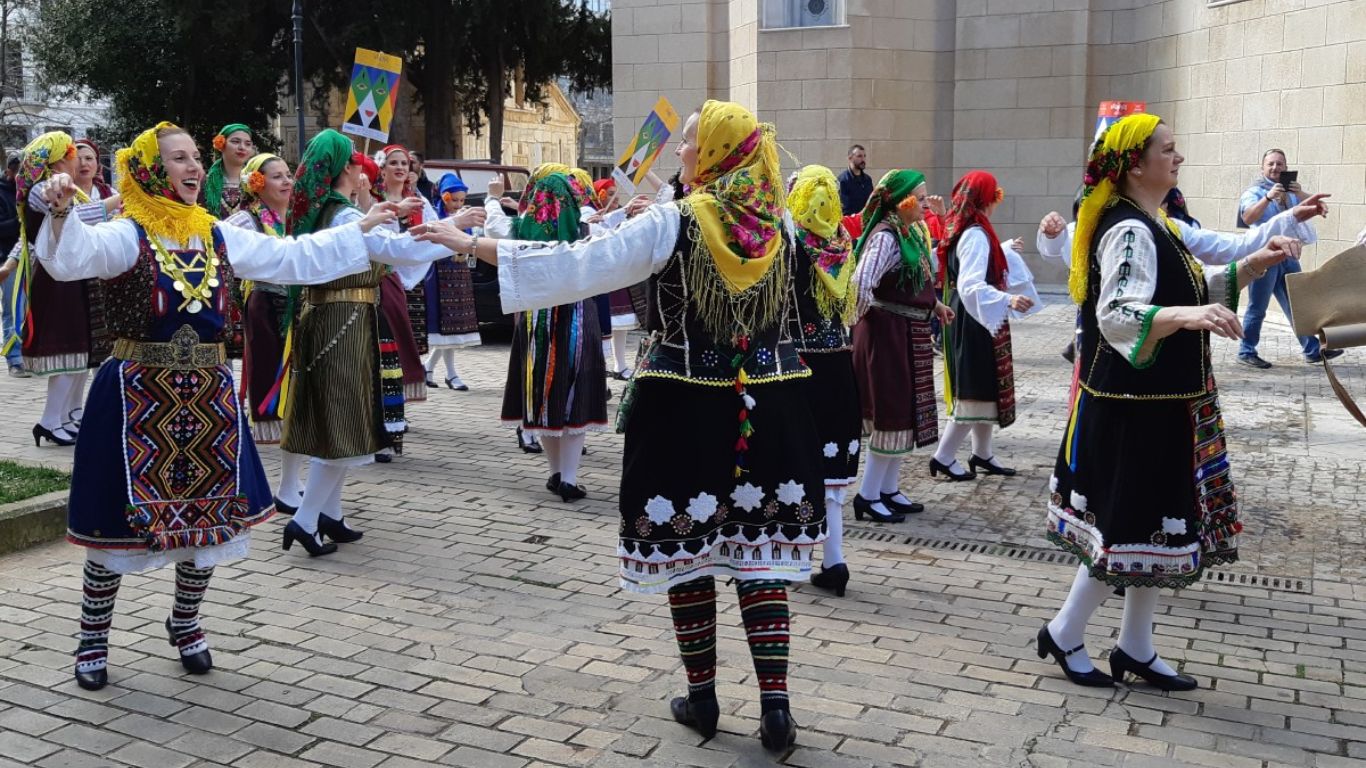
Today, festivals continue to play an important role in Greek culture, with many communities hosting their own celebrations throughout the year. These festivals often include traditional food, music, dance, and costumes, and are an opportunity for Greeks to come together and celebrate their heritage.
Mythology and Festivals
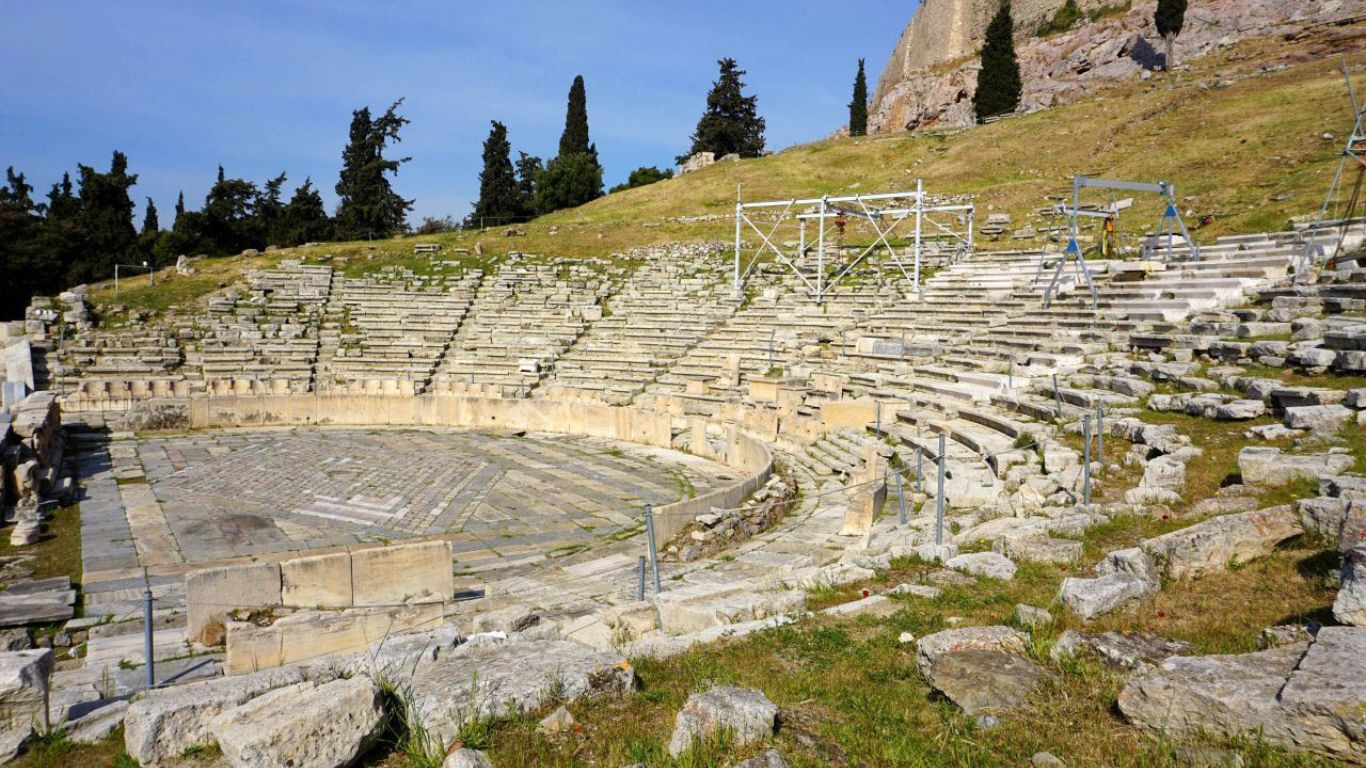
One of the key ways that mythology is incorporated into modern Greek festivals is through storytelling. Many festivals include performances of ancient myths, often in the form of theater or dance. These performances serve to bring the myths to life, allowing participants to experience them in a more tangible and immediate way.
For example, the festival of Dionysus in Athens features performances of ancient Greek tragedies and comedies. These plays explore themes of fate, morality, and the power of the gods, and serve as a reminder of the enduring relevance of ancient Greek literature.
Similarly, the festival of Epiphany, which celebrates the baptism of Jesus Christ, includes a traditional ceremony in which a cross is thrown into the sea and young men compete to retrieve it. This ceremony is said to symbolize the baptism of Jesus by John the Baptist, but it is also associated with the ancient Greek tradition of diving for shells and pearls. By incorporating both Christian and ancient Greek elements, the festival of Epiphany reflects the complex and layered nature of Greek culture.
Mythology and Symbolism
Another way that mythology is incorporated into modern Greek festivals is through symbolism. Many festivals include traditional costumes, decorations, and objects that are imbued with mythological meaning.
For example, the Greek Orthodox Easter celebrations include the lighting of candles and the exchange of red eggs. These eggs are said to represent the resurrection of Christ, but they are also associated with the myth of Persephone and her return from the underworld. In this way, the Easter celebrations incorporate both Christian and ancient Greek elements, highlighting the enduring significance of mythological symbolism.
Similarly, the festival of Carnival, which is celebrated throughout Greece in the weeks leading up to Lent, features elaborate costumes and masks that are often inspired by mythological figures. These costumes serve not only as a form of entertainment, but also as a way of connecting with ancient Greek traditions and expressing a sense of cultural identity.
Mythology and Community
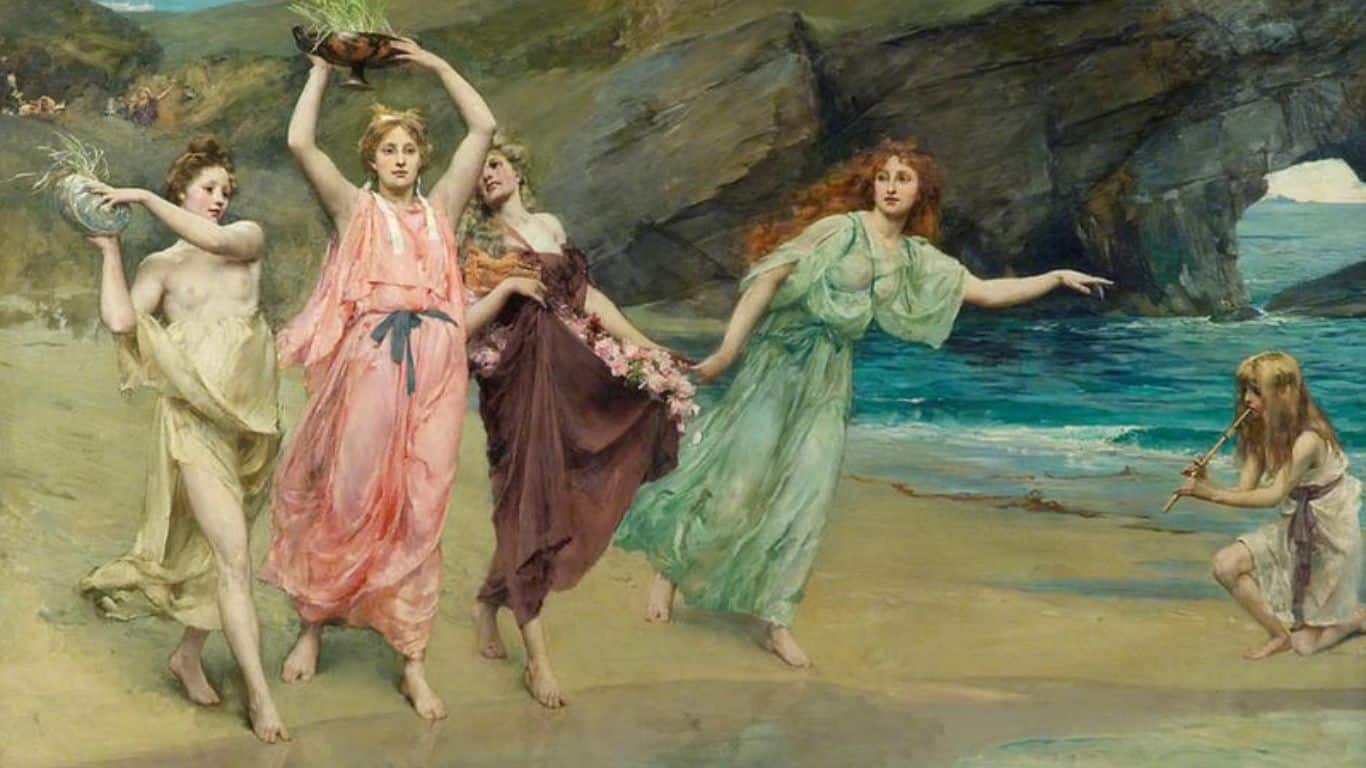
Finally, mythology plays an important role in modern Greek festivals by fostering a sense of community and shared identity. By participating in these festivals, Greeks are able to connect with their cultural heritage and to share their traditions with others.
For example, the festival of the Panathenaea in Athens honors the goddess Athena and includes a procession in which a robe is carried to the Parthenon. This procession is said to represent the ancient tradition of presenting a new robe to Athena every four years, but it also serves as a way of connecting modern Greeks with their ancient heritage and reinforcing a sense of community.
Similarly, the festival of the Assumption of the Virgin Mary, which is celebrated on the island of Tinos, attracts thousands of pilgrims each year. This festival is centered around the church of the Panagia Evangelistria, which is said to house a miraculous icon of the Virgin Mary. The festival includes a procession in which the icon is carried through the streets of the island, followed by a series of religious services and celebrations. This festival is not only an important religious event but also a cultural celebration that brings together people from all over Greece and beyond.
Conclusion
In conclusion we can say that mythology continues to play an important role in modern Greek festivals. Through storytelling, symbolism, and community-building, these festivals serve as a way of connecting Greeks with their cultural heritage and celebrating their shared identity. By incorporating ancient myths and traditions into these celebrations, modern Greeks are able to honor their past while also looking to the future. Whether it is through the festival of Dionysus, the Easter celebrations, or the Assumption of the Virgin Mary, mythology remains an essential part of Greek culture and a source of inspiration and creativity for generations to come.
Also Read: 10 Most Creative and Artistic Gods in Mythology