
The return of Mario and his ever-expanding universe should have been a celebratory leap into something bigger, bolder, and more imaginative. Instead, The Super Mario Galaxy Movie lands as a noisy, overstuffed sequel that struggles to recapture the charm and coherence of its predecessor.
At first glance, everything is here: familiar faces, new characters, sprawling cosmic settings, and a relentless parade of visual spectacle. But beneath that glossy surface lies a film that feels curiously hollow — more like a product assembled for global consumption than a story worth investing in.
A Familiar Setup That Goes Nowhere New
The film kicks off with a classic Mario-style crisis. Princess Rosalina, the adoptive mother of the Lumas, is abducted and whisked into space by a shape-shifting droid controlled by Bowser Jr. This sets Mario, Luigi, and Princess Peach on a rescue mission across galaxies.
It sounds promising. Yet the narrative quickly settles into a predictable rhythm, echoing the first film without adding much depth or originality. The rescue plot feels recycled, and even the emotional beats — including Mario’s supposed crush on Peach — fail to generate any real engagement.
What’s missing is a sense of purpose. The story moves, but it never builds.
A Universe Packed With Characters — But No Center
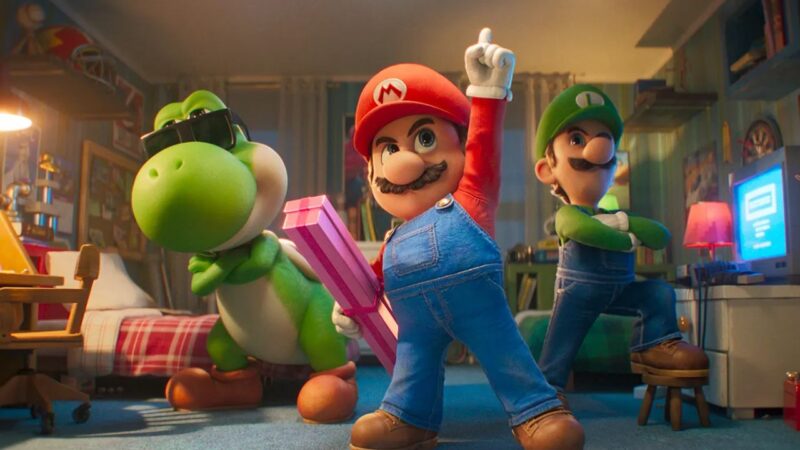
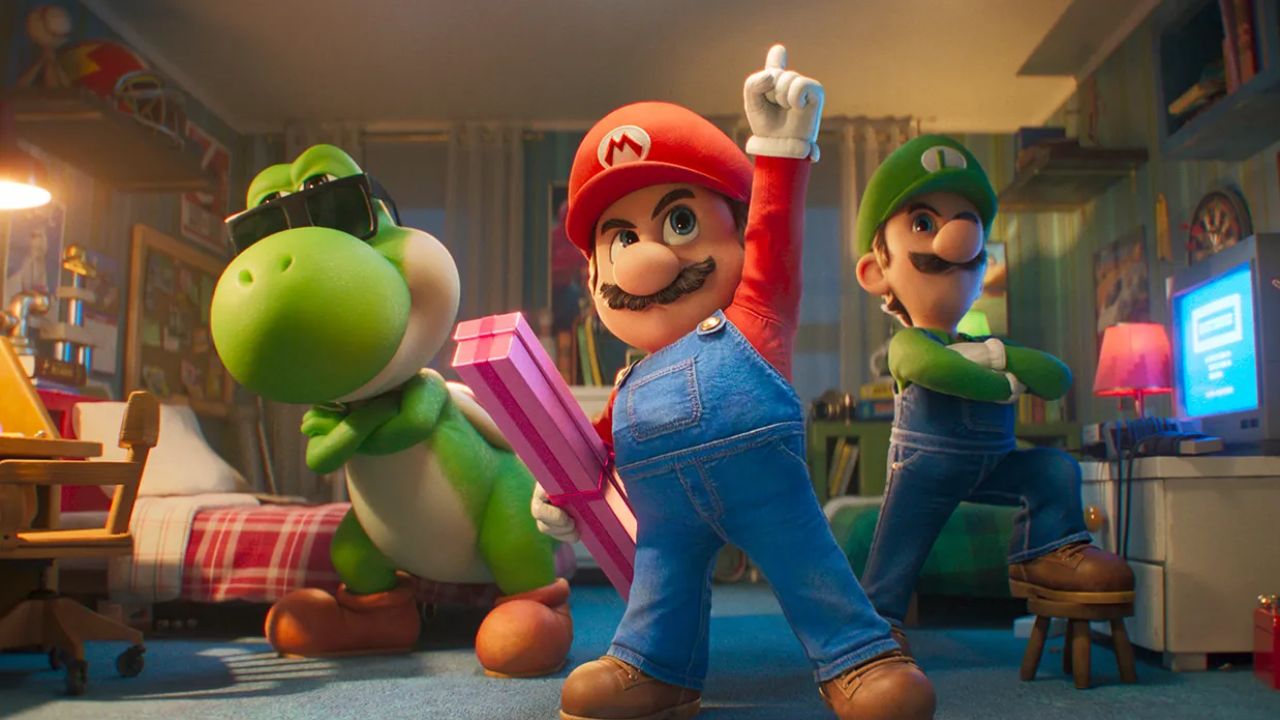
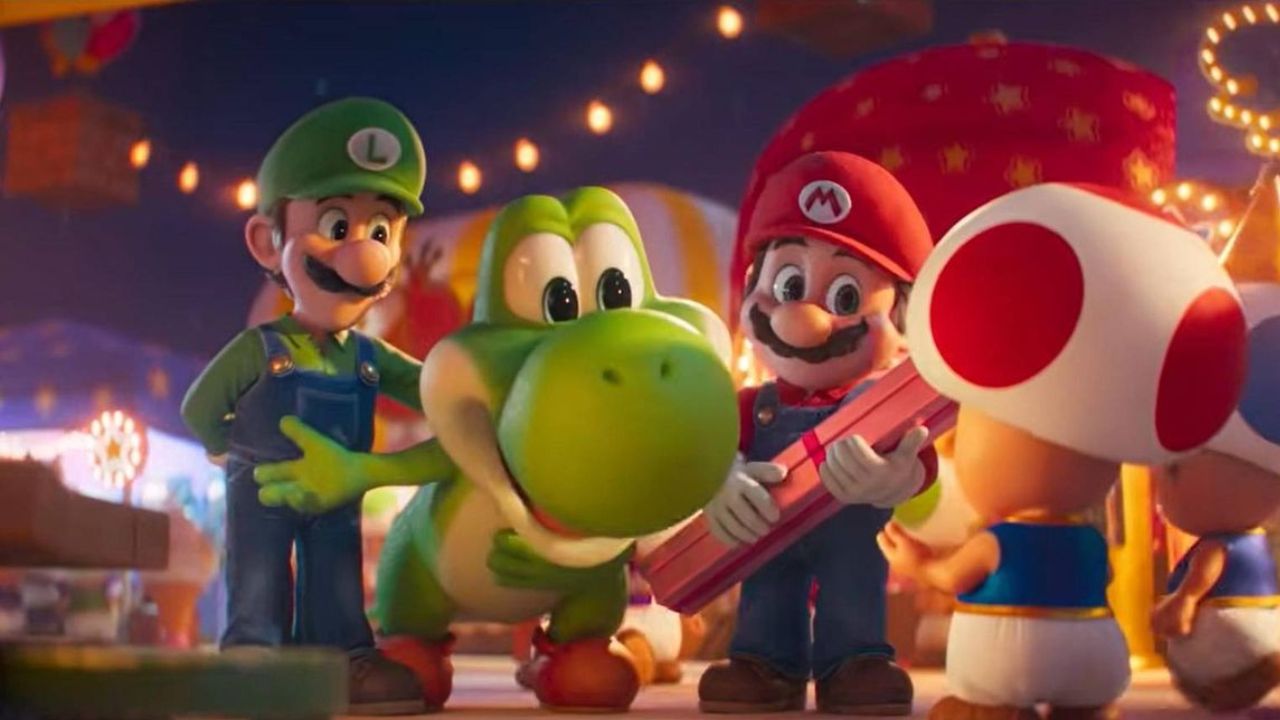
One of the film’s biggest issues is its overwhelming cast. New additions like Yoshi, the Honey Queen, Wart, and even a swaggering Fox McCloud join the already crowded lineup. Meanwhile, familiar figures like Toad and Bowser return, alongside an army of Lumas.
Individually, these characters have potential. Together, they blur into a chaotic ensemble where no one truly stands out — not even Mario and Luigi, who often feel sidelined in their own movie.
Instead of anchoring the story, the film keeps shifting focus, jumping from one character or set piece to another. The result is a narrative without a clear center, where everything happens, but nothing truly matters.
Spectacle Over Substance
Visually, the film leans heavily into its cosmic setting, rarely staying in one place long enough to establish a meaningful sense of environment. Planets, galaxies, deserts, and fantastical creatures flash by in rapid succession.
There are moments of visual flair — flashes of color and imaginative design — but they feel fleeting. Much of the animation lacks the inventive spark that made the first film’s video game-inspired sequences so memorable.
Instead, the movie becomes a constant barrage of action: running, jumping, chasing, falling, fighting. It’s energetic, but also exhausting. Without strong storytelling to ground it, the spectacle begins to feel empty.
Bowser’s Diminished Impact
A major shift comes in the handling of Bowser. Previously a standout character, he’s now reduced — quite literally at first — before returning in tandem with his son, Bowser Jr.
The dynamic between the two introduces an interesting idea, but it never fully develops. Even when Bowser regains his full size and power, the combined threat feels oddly underwhelming. The absence of his musical flair — a highlight of the first film — only adds to the sense that something essential has been lost.
Humor That Rarely Lands
For a franchise built on playful absurdity, the lack of memorable humor is striking. Aside from a few scattered gags — including a brief comedic moment involving a malfunctioning robot — the film struggles to deliver consistent laughs.
The Lumas, for instance, are designed to be cute and marketable, but lack the quirky personality that made similar characters in the previous film stand out. Much of the humor feels generic, as though sanded down to appeal to the broadest possible audience.
A Franchise at a Crossroads
What made The Super Mario Bros. Movie work was its balance — a blend of nostalgia, creativity, and genuine storytelling. It translated the spirit of the games into something cinematic and engaging.
This sequel, by contrast, leans too heavily on recognition. It bombards viewers with references, characters, and visual callbacks, but rarely captures the feeling of actually playing a Mario game — or being immersed in a meaningful story.
The result is a film that feels assembled rather than crafted. It’s busy, bright, and loud, yet strangely impersonal.
Final Verdict
The Super Mario Galaxy Movie may still find an audience among younger viewers and devoted fans eager to spot familiar elements. As a commercial venture, it’s built to succeed.
But as a piece of storytelling, it falls short. What should have been a bold expansion of the Mario universe instead becomes a scattered, overstimulated adventure — one that proves bigger isn’t always better.
In trying to include everything, the film forgets the one thing that mattered most: giving audiences a reason to care.
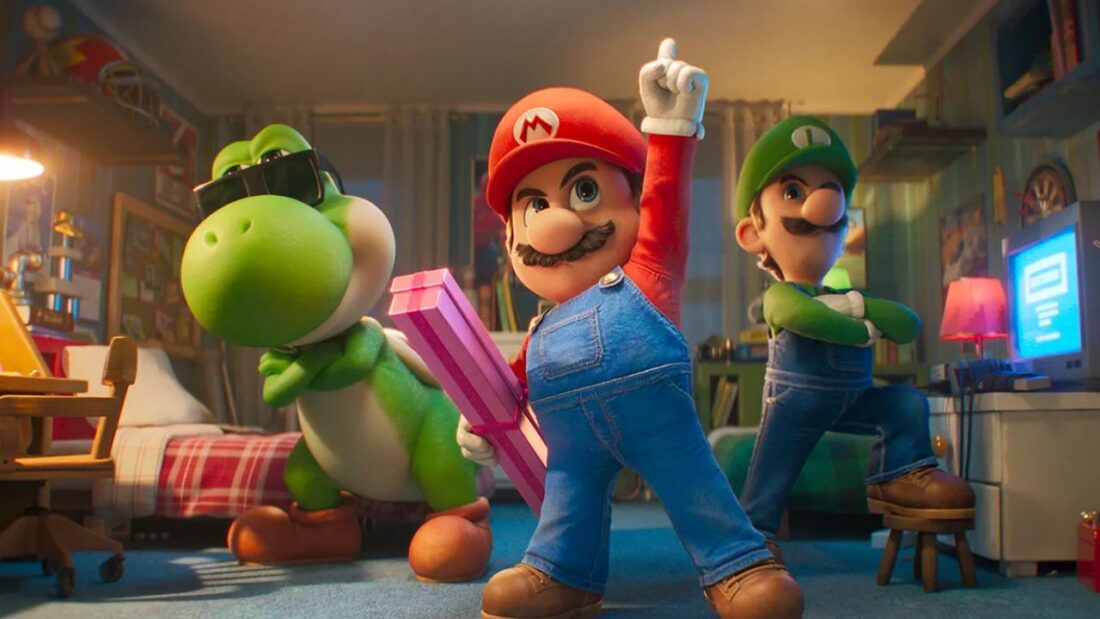
The Super Mario Galaxy Movie Review
Summary
The Super Mario Galaxy Movie delivers a fast-paced, visually vibrant space adventure, but beneath its colorful surface lies a surprisingly hollow experience. Despite introducing new characters and expanding the Mario universe, the film struggles with a weak storyline, overcrowded cast, and lack of emotional depth. While it may entertain younger viewers and gamers with its constant action and Easter eggs, it ultimately fails to recreate the charm and storytelling magic of its predecessor.