
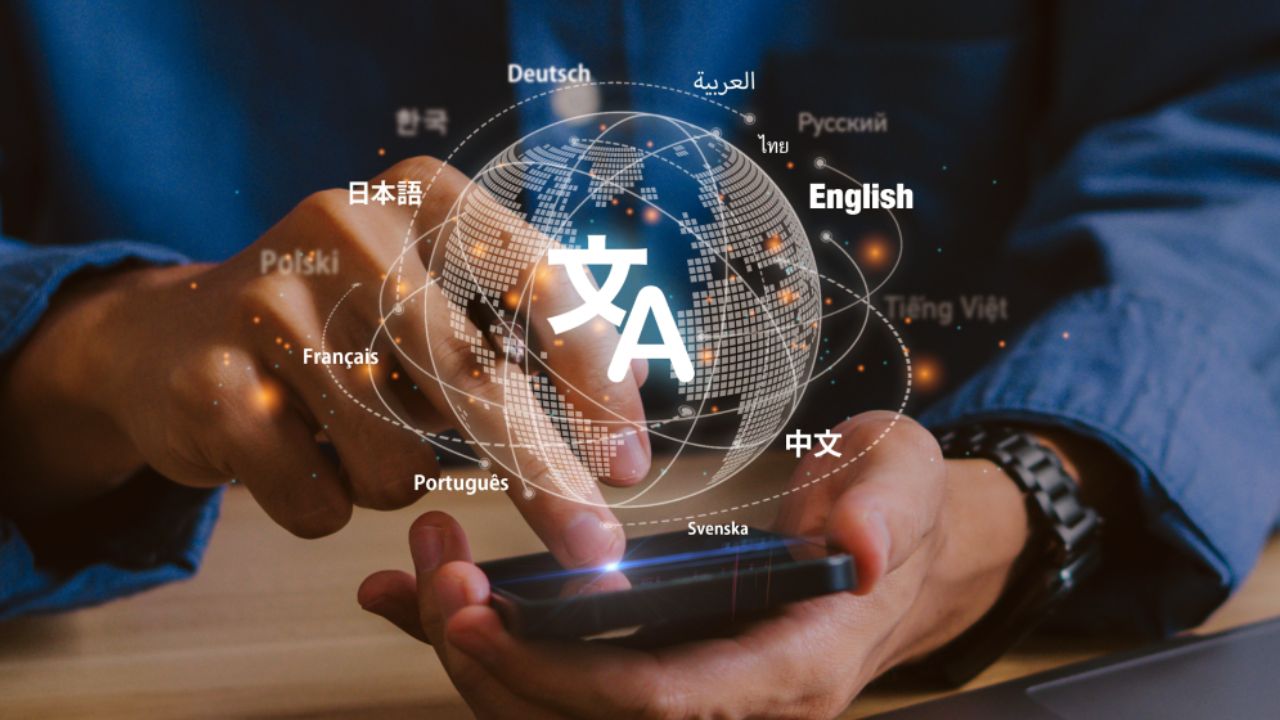
When a self-published novelist in Buenos Aires, a poet in Lagos, or a science-fiction writer from rural Karnataka releases a new book, the potential audience often extends far beyond local borders. For decades, however, that potential remained mostly unrealized. Geography, limited marketing budgets, and—most importantly—language barriers kept many independent writers confined to their native markets. Translation could open doors, but traditional translation services were expensive, time-consuming, and often beyond the reach of smaller creators. Today, that landscape is rapidly changing. AI-Assisted Translation is emerging as a powerful tool that is Opening Global Markets for writers who once struggled to reach readers outside their home countries. Thanks to advances in neural machine translation and smarter publishing workflows, Niche Indie Authors can now experiment with multilingual editions of their work at a fraction of the traditional cost and time.
This shift does not eliminate the need for human expertise—editing, cultural nuance, and rights management remain essential—but the opportunity is undeniable. Independent authors can now test international demand, publish translated editions faster, and discover entirely new audiences who might never have encountered their stories before. As a result, AI-powered translation is beginning to reshape how indie writers think about growth, readership, and global reach.
Why translation matters for indie authors (and how AI changes the calculus)
Only a fraction of books are available in multiple languages. For example, major e-retailers report that fewer than 5% of titles in their stores appear in more than one language, which means most books sit behind the language wall. Amazon’s recent push to make translation easier—through initiatives rolling out at scale—reflects that untapped opportunity.
Translation expands the addressable market in two ways. First, it multiplies potential readers: drop a Spanish edition into Latin America and Spain, and you’re no longer dependent on a few anglophone markets. Second, localized editions let titles participate in region-specific promotion—lists, media, and social platforms that only promote books in the local language. For niche genres and experimental fiction (the sorts of titles that big publishers often decline because “there isn’t a big enough market”), translation can be a sleeper-hit strategy: a translated reissue, refreshed cover and timely marketing have turned obscure backlist titles into global bestsellers.
AI flips the equation by lowering cost and time: what once required a professional translator, weeks of coordination, and thousands of dollars can now be prototyped with machine translation in days. Market analyses project continued growth in machine translation demand and capability, suggesting that more publishers and platforms will adopt these tools for scale.
Not all translation is created equal: the AI toolbox and the human role
There are three common AI-assisted approaches authors and small publishers use today:
- Raw machine translation — plug the manuscript into a neural engine (DeepL, Google Translate, or specialized book translators) and publish with minimal editing. Fastest and cheapest; quality varies by language pair and literary complexity.
- Machine translation + post-editing — use AI to produce the first pass, then hire a native editor/translator to revise and localize the text. This hybrid is the current sweet spot for cost vs. quality.
- Human translation assisted by AI tools — translators use AI for terminology, phrasing suggestions and consistency checks while doing the heavy lifting themselves. This keeps a human voice but speeds production and cuts costs. Studies and pilot projects show translators increasingly use AI as a drafting aid rather than a replacement.
Deep learning engines have improved quickly on literal accuracy, context retention, and idiomatic phrasings, but they still make plausible errors—mistranslated idioms, confused ambivalence in dialogue, or subtly flattened voice—that can undermine literary quality. Many publishers now treat machine output as “first draft material” rather than finished translation.
Real-world signals: publishers, platforms and the indie movement
Big and small players are experimenting. Academic publishers and legacy houses have announced pilot programs using AI for lower-volume language work, and dedicated AI-translation startups are offering per-book services aimed squarely at indie authors and small presses.
Meanwhile, platform moves matter. Kindle Direct Publishing and other self-publishing portals have long let authors upload foreign-language editions; more recently, platforms have begun integrating translation tools or partnerships that reduce the friction to publish translated editions. That institutional support lowers the logistical barrier: set the language, upload a file, preview, and publish.
For indie authors, that means the decision to test a market is no longer a strategic three-year plan. It can be a two-month experiment: translate a sample chapter, run ads to a geo-targeted audience, see cost-per-click and conversion, then invest in a fuller translation if the signal is strong. Recent practitioner guides and platform case studies recommend exactly this “test-and-scale” approach.
The economics: small bets, big leverage
Traditional translation contracts can run into the thousands of dollars per title for a full, human literary translation—orders of magnitude that make it impossible for many self-published authors. The hybrid AI + human post-edit workflow can cut that cost dramatically: AI produces a draft and a native editor polishes voice, which reduces hours billed. Machine translation vendors and freelance translators report turnaround time improvements and lower hourly costs when AI is used responsibly. Market reports also show strong growth in the machine translation sector, which drives down unit costs and increases service offerings for authors.
This changes the risk profile. Instead of betting a big chunk of marketing budget on one language, indie publishers can try three or four low-cost translations, see which performs, then scale the winners. Because translation can unlock entire regional catalogs of interest (holiday romances in Brazil, thrillers in Eastern Europe, speculative fiction in South Korea), a modest uplift in one language can produce outsized revenue relative to the initial investment.
Tactical playbook for indie authors (step-by-step)
If you’re an indie author considering translation, here’s a practical, field-tested plan that balances speed, cost and quality:
1. Pick your language(s) strategically
Start with language markets that fit your genre and where digital reading is strong. Romance and women’s fiction often do well in Spanish and Portuguese markets; speculative and literary fiction have receptive readers in German and French. Use platform analytics (where are your previewers coming from?) and category comparatives to make a short list. If you publish on an international platform, check your “look-inside” or sample downloads by geography first.
2. Test the water with a sample
Translate a short sample chapter—or the first 10–20%—with an AI engine and localize the blurb and metadata. Run a small, geo-targeted ad campaign, list the translated sample in relevant storefronts, and watch conversion metrics. If a market shows traction, that’s your signal to invest in a full translation and promotion. This low-cost experiment is highly recommended by indie publishing advisors.
3. Choose the right translation workflow
For genre fiction aimed at scale, consider AI draft + human post-editing. For literary fiction or author-voice–dependent work, invest in an experienced literary translator who uses AI as a drafting assistant rather than the other way around. Platforms and vendors typically offer both options; compare samples before you commit.
4. Protect rights and metadata
Make sure your contract or platform upload preserves territorial and language rights, sets pricing independently for each edition, and clarifies copyright and attribution for translators. If you use a platform’s AI tool, read the terms—some services include clauses about how machine outputs are used and whether they can be retrained on your text. Transparency matters.
5. Localize marketing—don’t just translate covers and blurbs
Localization is more than language: it’s cover design, pricing, keywords, category placement and publicity. Hire a native proofreader for the product page and blurbs, and consider small PR pushes in the target market (local bookstagrammers, regional bloggers, or paid ads). Translation without localization is like translating a joke in a vacuum—the punchline may not land.
6. Iterate and reinvest
If a translated edition sells, reinvest earnings into a better translation, localized promotions, and perhaps translating other titles. Document performance: which ads, which categories, and which cover variants worked. Treat each language as its own market to be optimized.

Success stories and early lessons
There are already accounts and case studies demonstrating measurable upticks after translation experiments. Industry write-ups and platform reports show authors who modestly invested in translated editions saw newfound readership pockets and, in some cases, strong backlist revival—exactly the sleeper-hit trajectory publishers love. These instances are not guaranteed playbooks, but they show the pattern: translated visibility + local promotion = discoverability.
On the institutional side, publishers test AI to bring otherwise economically unviable titles into English and other languages; this indicates a structural change in how backlists are monetized.
Risks, ethics and the translator community
The rapid adoption of AI in translation has provoked real concern among professional translators: surveys and reporting show many feel threatened by the technology’s speed and by efforts to commodify language work. The debate centers on job displacement, fair pay for post-editing, and attribution for translators whose edits significantly shape a final edition.
There are also ethical questions: did your contract explicitly allow AI to be used on the text? If you rely solely on machine translation and publish under your name without disclosing the workflow, you risk reader backlash—particularly in communities that value literary craft. Transparency about process (for example, noting that a translation was machine-assisted and revised by a native editor) can build trust and avoid misrepresentation.
Scams are another hazard in the self-publishing ecosystem. Opportunists have already exploited authors with AI-assisted promises—fake marketing firms, bogus “translation packages,” or services that vanish after payment. Good due diligence—checking reviews, asking for samples, and using escrow for larger projects—protects authors.
Quality control: what to check before publishing a translated edition
If you choose an AI workflow, insist on these quality checks before hitting “publish”:
- Native readability review: a native speaker reads the manuscript end-to-end for tone, idiom, and voice.
- Cultural accuracy pass: ensure references, units, idioms and names don’t alienate or confuse readers.
- Dialog and character voice pass: machine translation often flattens distinct voices—make sure characters remain distinguishable.
- Metadata verification: translated title, subtitle, blurb and keywords must be idiomatic and optimized for local search.
- Rights and attribution: translator credit, terms of use, and any AI-disclosure must be settled.
These steps are what separate a profitable foreign edition from a well-intentioned but unreadable one.
The future: what to expect in the next 2–5 years
Market forecasts show robust growth for machine translation infrastructure and services—investment that will fund better models, more language pairs, and specialized literary translation engines. Expect more platform integrations that make translation a one-click author tool, plus a proliferation of specialist vendors offering tailored packages for indie authors.
At the same time, expect regulation and industry norms to crystallize: translator guilds, rights organizations and publishers will press for disclosure standards, fair pay for post-editing, and protections against mass poor-quality machine publication. You’ll likely see hybrid business models—AI drafting, human literary revision, and platform distribution—that become the industry standard.
Bottom line: a pragmatic invitation, not a shortcut
AI-assisted translation is not a shortcut to publishing success; it’s a pragmatic tool that reconfigures risk. For niche indie authors, it converts an all-or-nothing decision—“we can’t afford a human translation”—into a staged experiment: test cheap, measure results, and then invest. When used responsibly (with human oversight, transparent attribution, and attention to localization), it opens doors to audiences that were once prohibitively costly to reach.
If you’re an indie author, here are three concrete next steps:
- Identify one target language where your genre has a market and translate a short sample with AI.
- Run a small, localized promotion and measure conversions.
- If the sample performs, commission a native post-editor and localize the marketing assets before publishing the full edition.
The combination of sharper machine engines, platform support and smarter, hybrid workflows is changing the economics of translation. For niche writers, that shift is a rare and practical route to scale: not overnight fame, but a deliberate, data-informed way to find readers around the world.