
Have you ever noticed how so many stories feel familiar, as if they’re following some unspoken blueprint? That’s no coincidence. From the ancient epics to your favorite blockbuster movies, mythology has laid the foundation for the archetypal adventure, shaping how we tell stories and how we see ourselves within them. Let’s embark on this journey together to uncover how mythology defined the hero’s journey and, by extension, the way we understand adventure itself.
The Birthplace of Adventure: Mythology as Humanity’s First Stories
Imagine a time before Netflix, Books, or even written language. The stars were your entertainment, the fire was your TV, and myths were your go-to binge-worthy tales. These stories weren’t just told for fun—they were how our ancestors made sense of the world.
Think of Gilgamesh, one of the earliest recorded epics. It’s the story of a king who sets out to find immortality, facing gods, monsters, and the harsh realities of life along the way. Sounds familiar, right? That’s because it laid the groundwork for every “hero-goes-on-a-quest” story that followed, from The Lord of the Rings to Star Wars.
The beauty of mythology is how it taps into something universal. Whether it’s a Sumerian king or a marvel superhero, these stories echo our deepest fears, desires, and struggles.
The Hero’s Journey: A Blueprint Born of Myth
You might have heard of Joseph Campbell’s Hero’s Journey, or at least seen its influence. Campbell identified a recurring pattern in myths across cultures, something he called the “monomyth.” It’s a 12-stage cycle that heroes—from Odysseus to Harry Potter—inevitably follow.
Here’s the gist:
- The Call to Adventure: The hero is drawn out of their ordinary world. Think Frodo leaving the Shire or Luke Skywalker hearing Leia’s message.
- Crossing the Threshold: They enter an unknown realm of danger and magic.
- Trials and Tribulations: They face challenges, meet mentors, and maybe even make a few enemies.
- The Return with the Elixir: They come back home, changed forever, and bring something valuable with them—be it wisdom, power, or peace.
Now, here’s the fun part: these stages aren’t just literary devices. They resonate because they mirror our own lives. Haven’t you ever faced your own “call to adventure”—that moment when life nudges you out of your comfort zone? Maybe it was starting a new job, moving to a new city, or even just trying something terrifying, like public speaking. Mythology isn’t just about gods and monsters; it’s about us.
Archetypes: The Cast of Every Great Adventure
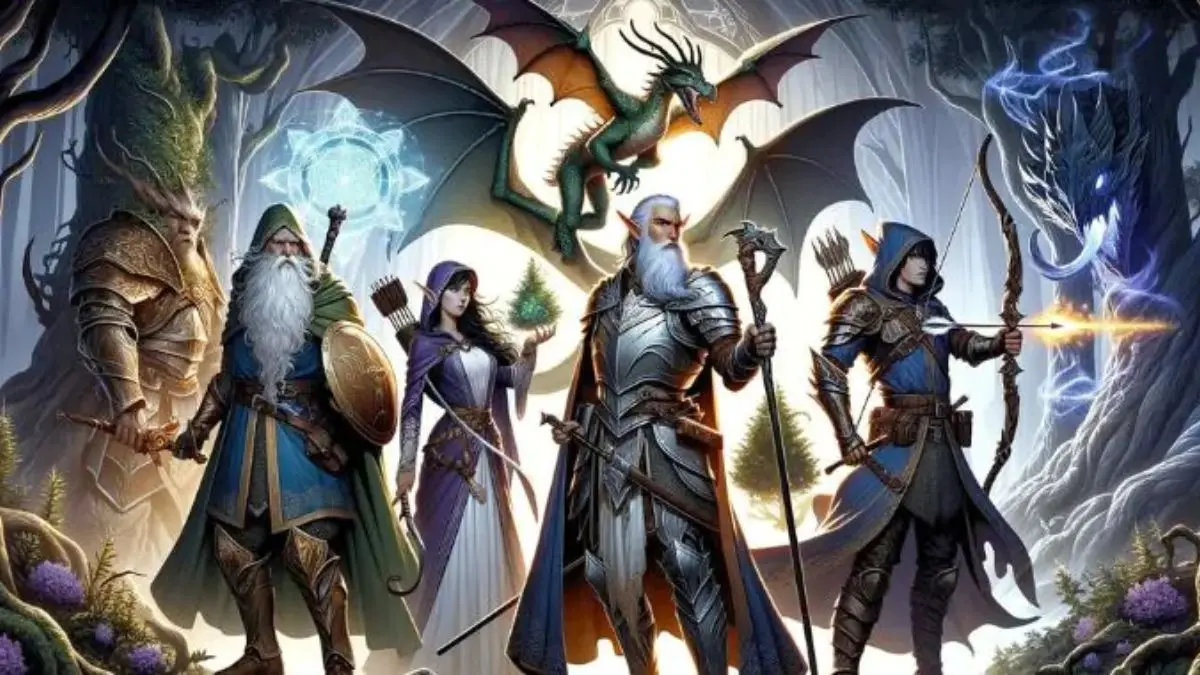
Let’s talk about the characters that populate these myths. Mythology didn’t just define the structure of adventure—it gave us the archetypes that bring these stories to life.
- The Hero: This one’s obvious. The hero is the character we root for, the one who represents our potential. Hercules, King Arthur, Katniss Everdeen—they’re all us, writ large.
- The Mentor: Every hero needs guidance. In myths, it’s often a wise old figure like Athena for Odysseus or Merlin for Arthur. These mentors push the hero forward, but they rarely solve problems for them.
- The Shadow: No adventure is complete without a great antagonist. Myths gave us archetypal villains like Hades, Loki, or the serpent in Eden. These figures often represent something more profound—our fears, doubts, or the chaos of the unknown.
- The Trickster: Don’t we all love a character who keeps things interesting? Loki, Anansi, or Coyote add unpredictability, reminding us that life isn’t always straightforward.
- The Threshold Guardian: These characters or obstacles test the hero early in their journey, ensuring they’re ready for the challenges ahead. It’s like the first boss in a video game—difficult, but not the final hurdle.
These archetypes aren’t just confined to mythology. They’ve seeped into every medium, from books to films to video games. When you watch The Matrix, Morpheus is the mentor, Neo is the hero, and Agent Smith is the shadow. It’s all connected, thanks to mythology.
Cultural Myths, Universal Lessons
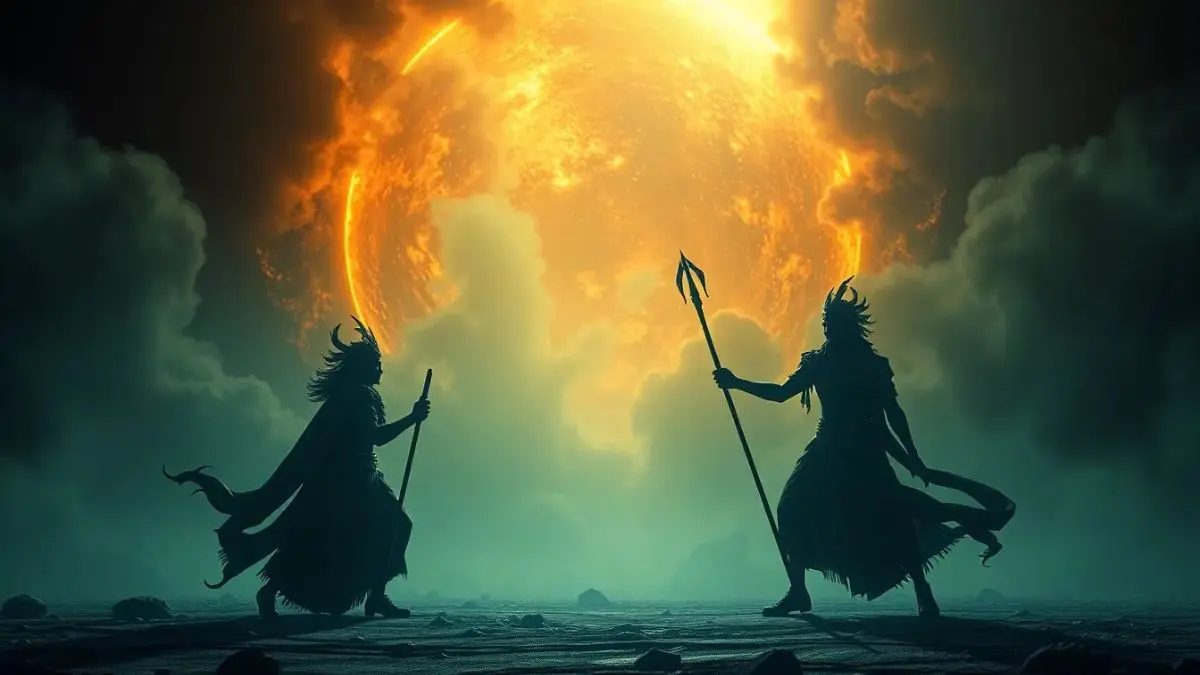
What’s fascinating is how mythology from different cultures tells unique stories while still hitting similar notes.
- Greek Mythology: Obsessed with hubris and fate. Heroes like Achilles or Oedipus often face tragic downfalls because of their flaws.
- Norse Mythology: A grimmer, colder take on heroism, where even gods like Odin and Thor fight against inevitable doom (Ragnarök).
- Hindu Mythology: Stories like the Mahabharata or the Ramayana weave in cosmic morality, dharma, and the interplay between gods and humans.
- Native American Myths: Often emphasize the interconnectedness of all life, with animal spirits and nature playing central roles.
Despite these differences, the themes of growth, sacrifice, and transformation are universal. No matter where the story comes from, we see ourselves in it.
Why Mythology Still Matters
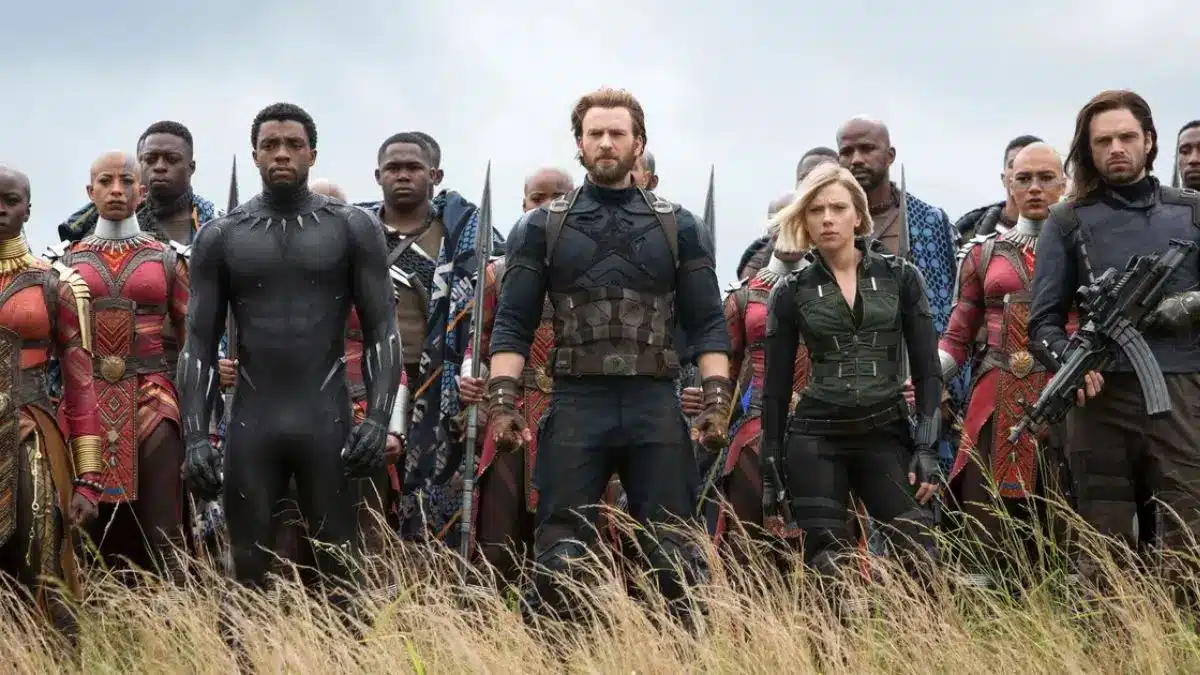
You might be thinking, “Okay, but myths are old news. Why should I care?” Here’s why: mythology is timeless. It’s the seed from which all modern adventures grow. The next time you watch a Marvel movie or pick up a fantasy novel, look closer. You’ll see the echoes of Zeus, Thor, or Gilgamesh.
More importantly, mythology teaches us about ourselves. The stories of heroes struggling against impossible odds remind us of our strength. The tricksters show us the value of wit and humor. The shadows challenge us to confront our fears.
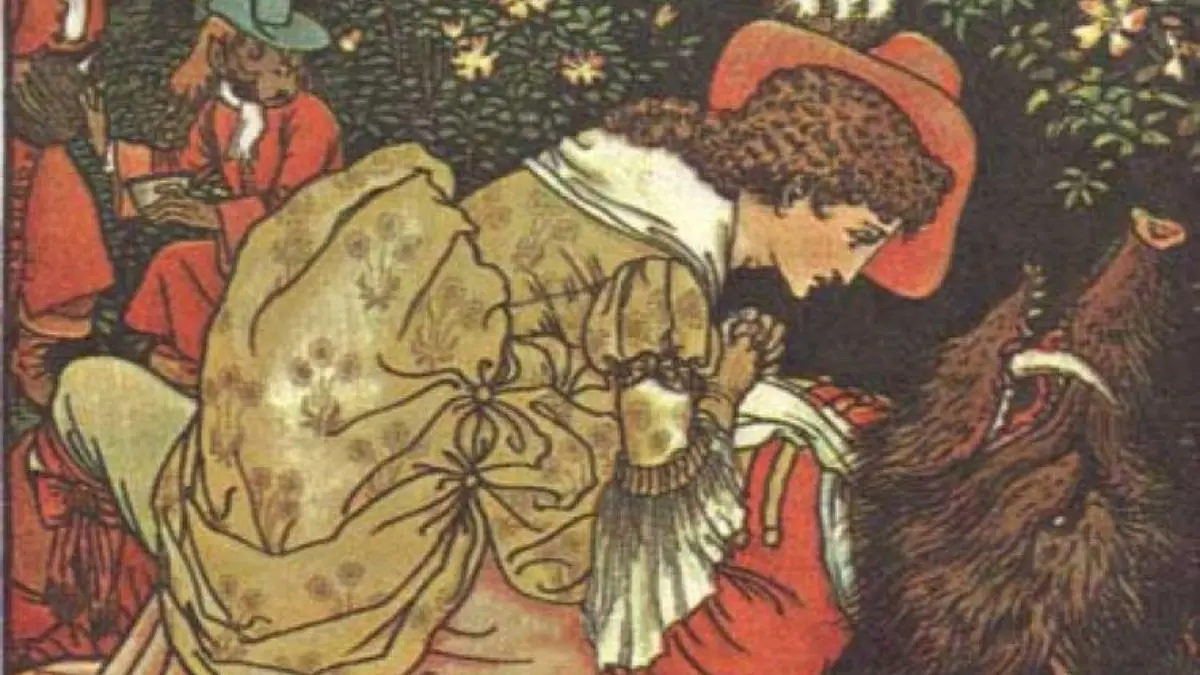
And here’s a little secret: you’re living your own myth. Your life is an adventure, full of twists, turns, and trials. You are the hero of your story, facing challenges, finding allies, and, hopefully, returning home a little wiser.
Writing Your Own Myth
What’s your call to adventure? Maybe it’s something as small as learning a new skill or as big as chasing your dream job. Maybe you’re facing your shadow right now—doubt, fear, or a difficult situation. Whatever it is, remember that every hero starts somewhere, often scared and unsure.
Mythology isn’t just ancient history—it’s alive in every choice we make, every challenge we face, and every victory we achieve. So the next time you hear a story that feels oddly familiar, don’t be surprised. It’s just mythology, whispering to you, reminding you that you, too, are part of a grand adventure.
Also Read: The Origins and Myths of the Book of Thoth