
YouTube and Fox announced they’ve reached an agreement that keeps Fox Broadcast Network, Fox News, Fox Sports and other Fox channels on YouTube TV after a tense round of negotiations that briefly threatened to pull those channels from the service. The companies quietly moved from a short-term extension to a longer carriage deal that preserves access for YouTube TV subscribers.
How close it came to disappearing
Earlier in the week the two sides agreed to a temporary extension to avoid immediate disruption while they continued bargaining — and YouTube warned that Fox channels could be removed from YouTube TV if a new agreement wasn’t reached by the Wednesday deadline. That warning raised real concerns because a loss of Fox would have meant many subscribers couldn’t watch marquee games this weekend and the approaching NFL kickoff.
Why the talks were heated
YouTube publicly said Fox had sought payments “far higher than what partners with comparable content offerings receive,” making fees the central sticking point in the talks. At the same time, Fox has been expanding its own direct-to-consumer footprint — launching a new streaming tier, Fox One, with its own pricing — which complicated negotiations over how Fox content should be valued and distributed.
What this meant for football fans (and the immediate win)
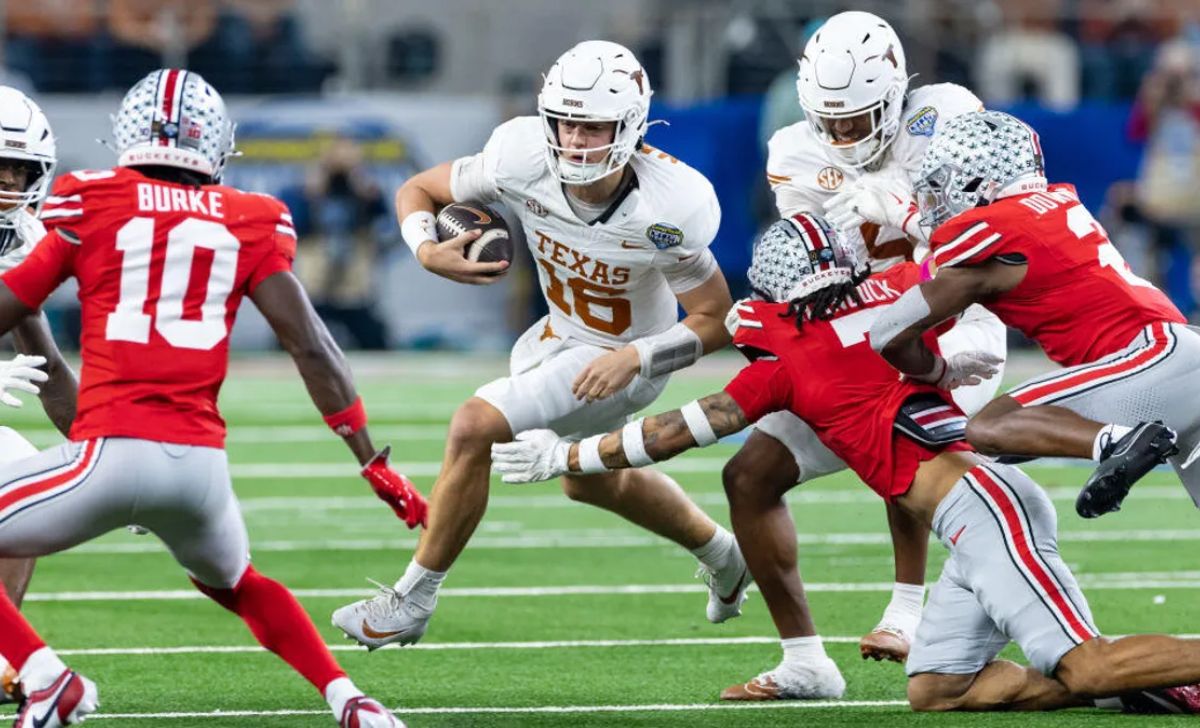
The deal ensured that the highly anticipated Texas–Ohio State college football game and the upcoming NFL slate will remain available on YouTube TV — a relief for millions who planned to watch. FCC Chair Brendan Carr publicly welcomed the resolution, noting the importance of avoiding blackouts for such big sporting events.
Bigger picture and why it matters beyond this weekend
YouTube TV is one of the largest pay-TV distributors in the U.S., with analyst estimates putting its subscriber base at roughly 9.4 million people; those subscribers pay for access to more than 100 live channels under a base plan that is currently listed around $82.99 per month. Sports rights (Fox carries MLB regular-season games and the World Series) and live news make Fox especially valuable to multichannel platforms, which helps explain why both sides moved quickly to hammer out a deal. At the same time, YouTube as a whole has been growing as a television destination — Nielsen reported YouTube captured about 13.4% of TV watch-time in July — giving Google’s platform leverage but also a strong incentive to keep major linear channels available.
What to watch next
Carriage disputes like this rarely resolve every issue permanently. This agreement buys time and keeps viewers from missing games, but it also highlights a broader industry trend: legacy broadcasters are testing direct-to-consumer products and higher carriage fees, while large distributors work to control costs and bundle value for subscribers. Observers will be watching future negotiations between networks and streaming distributors to see whether this episode becomes a one-off or a template for more aggressive pricing and bundling from content owners.