
Marvel’s Wonder Man arrives at an interesting moment for the MCU—one where exhaustion with sprawling lore and interchangeable climaxes has become impossible to ignore. Rather than doubling down on spectacle, the series takes a quieter, more unexpected route. It isn’t really about saving the world. It’s about surviving Hollywood.
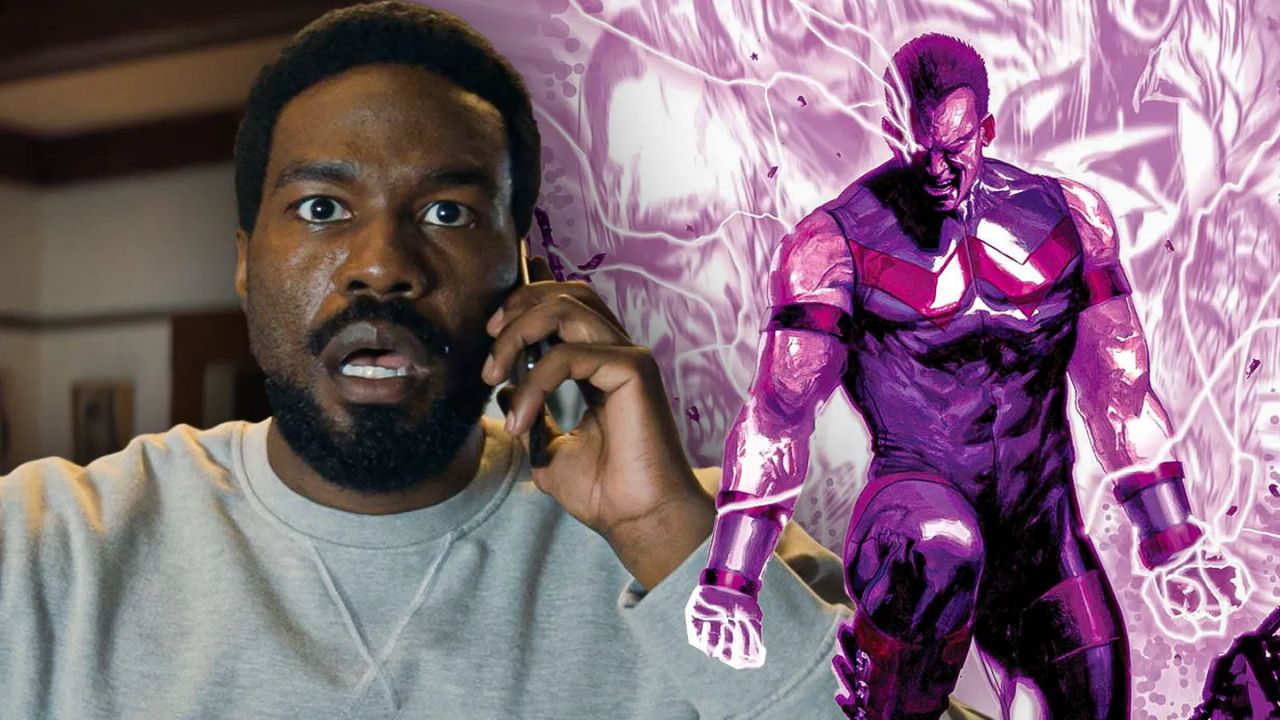
At first glance, that alone makes Wonder Man feel like a minor miracle. There’s no drawn-out origin story, no CGI-heavy finale designed to set up the next five projects. Instead, the show centers on Simon Williams, played with twitchy vulnerability by Yahya Abdul-Mateen II, a gifted but perpetually unlucky actor desperate for his big break. Simon isn’t short on talent—he’s short on restraint. In the opening episode, his obsessive notes and overthinking get him quietly written out of a small role on a fake episode of American Horror Story. It’s a moment that perfectly captures the show’s tone: painfully funny, deeply uncomfortable, and all too real.
Within the MCU, “Wonder Man” isn’t initially a superhero—it’s a beloved 1980s superhero movie that Simon grew up watching with his late father. A planned reboot of that in-universe film becomes Simon’s obsession, less because of fame and more because of what the role represents: validation, stability, and a sense of purpose. The irony, of course, is that Simon secretly has actual superpowers—abilities he’s doing everything possible to suppress, hide, and pretend don’t exist.
Enter Trevor Slattery, portrayed by Ben Kingsley, a once-respected Shakespearean actor whose career imploded after he infamously played the Mandarin in Iron Man 3. Trevor is a walking contradiction: disgraced yet confident, chaotic yet strangely wise. Having also survived being kidnapped by the Ten Rings in Shang-Chi and the Legend of the Ten Rings, he now drifts through Hollywood with nothing left to lose.
Together, Simon and Trevor form the beating heart of Wonder Man. Their chemistry is immediate and electric—an odd-couple bromance built on shared insecurity and a genuine love for acting. Simon prepares obsessively, agonizing over every line and every glance. Trevor, by contrast, believes in instinct and truth, casually brushing off his past scandals with a shrug and a grin. Watching them bounce off each other—reciting monologues, coaching auditions, or tumbling into absurd situations across Los Angeles—is where the series truly shines.
The show’s Hollywood satire cuts deep. Casting rooms are humiliating, self-tapes feel dehumanizing, and success always seems one humiliating hoop away. There are moments of quiet cruelty and absurdity that feel pulled straight from lived experience: Simon scrambling to juggle auditions, Trevor enduring patronizing lectures about how lucky he is to be “out” of the business, and both men submitting themselves to bizarre acting exercises in a legendary director’s home. It’s here that Wonder Man feels closer to prestige TV than traditional Marvel fare.
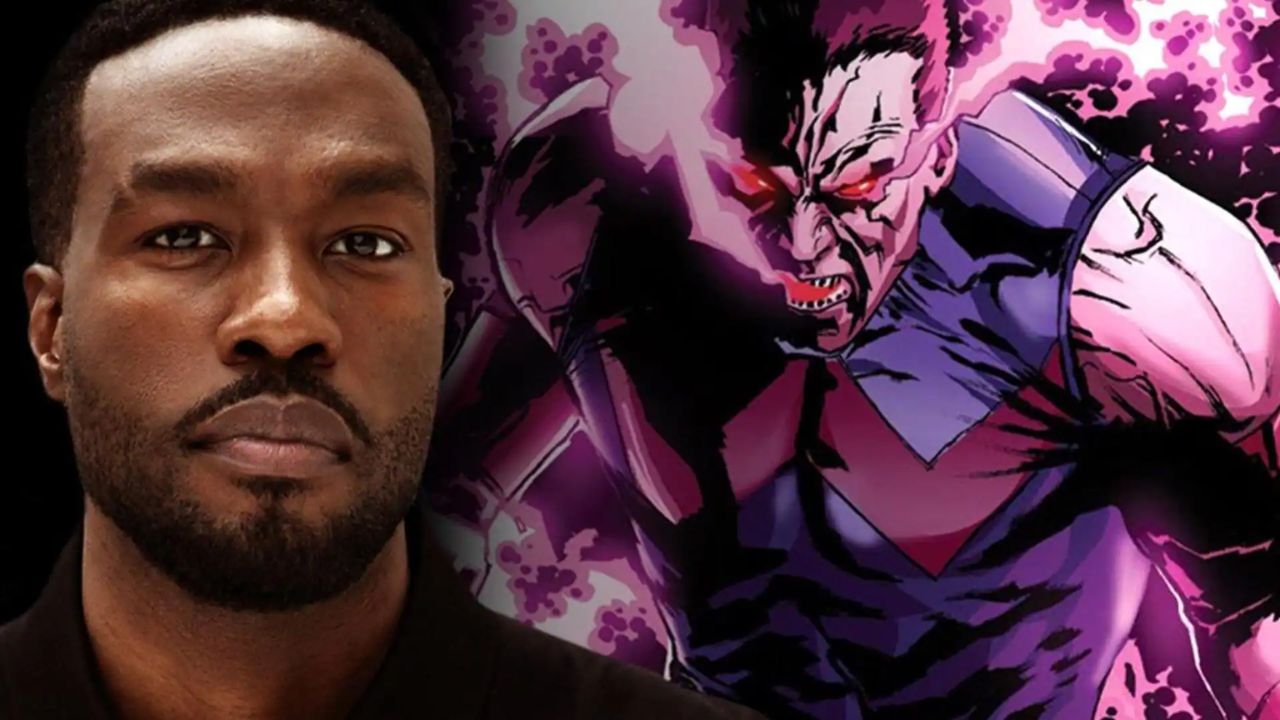
Superpowers, notably, are treated as a burden rather than a gift. Simon’s abilities only surface when he’s emotionally overwhelmed—angry, frustrated, or ashamed. Worse, there’s an ordinance in place that effectively bars superpowered individuals from working in entertainment, making his secret a direct threat to his already fragile career. His powers are something to manage, not master—more like a stigma than a destiny.
That tension deepens when it’s revealed that Trevor is secretly cooperating with the Department of Damage Control, tasked with monitoring and detaining superpowered threats. Unbeknownst to Simon, the man who has become his closest confidant is also reporting on him. The resulting conflict isn’t driven by explosions or villains, but by betrayal, guilt, and the slow unraveling of trust between two deeply lonely people.
To its credit, Wonder Man keeps the focus on that relationship. The show understands that the real stakes aren’t whether Simon can punch harder than the next guy, but whether he can be honest—with himself and with Trevor—without destroying the one friendship that’s keeping him afloat. Even when the larger MCU machinery creeps in, it never fully eclipses the emotional core.
The series isn’t flawless. The pacing wobbles early on, and some supporting threads feel thinner than they should. Kingsley’s eccentric charm works best opposite Abdul-Mateen II, whose performance anchors the show with raw sincerity. Still, the risks Wonder Man takes feel deliberate—and necessary.
In an era where Marvel is clearly reevaluating its television strategy, Wonder Man stands as a quiet course correction. It’s smaller, more personal, and far less concerned with continuity than connection. It doesn’t fix superhero fatigue overnight, but it acknowledges it—and then sidesteps it entirely.
Sometimes, that’s all it takes: fewer capes, fewer cataclysms, and one unexpectedly great bromance carrying the whole thing.