

The literary world buzzes with terminology that often confuses writers and readers alike. Two labels that frequently spark debate are women’s fiction and literary fiction. While these categories sometimes overlap, they represent distinct approaches to storytelling, marketing strategies, and literary recognition. Understanding their differences empowers writers to position their work effectively and helps readers discover books that match their preferences.
Defining Women’s Fiction: More Than Just Books by Women
Women’s fiction encompasses novels that center on a female protagonist’s emotional journey and personal transformation. The Women’s Fiction Writers Association defines it as stories “driven by the main character’s emotional journey” rather than external plot devices. These narratives explore themes directly connected to women’s experiences, including family dynamics, relationships, career challenges, motherhood, self-discovery, and overcoming adversity.
Importantly, women’s fiction doesn’t require a female author. Male writers like Nicholas Sparks have successfully published in this category. The classification depends on the story’s focus rather than the author’s gender. These novels typically feature hopeful endings that emphasize personal growth and renewed strength, distinguishing them from romance novels where romantic resolution drives the plot.
The genre encompasses diverse subgenres and themes. Contemporary women’s fiction addresses modern challenges like work-life balance and evolving gender roles. Historical women’s fiction explores women’s experiences across different time periods. Many novels incorporate elements from other genres—mystery, fantasy, or thriller—while maintaining the central focus on the female protagonist’s emotional development.
Understanding Literary Fiction: Art Meets Storytelling
Literary fiction prioritizes style, character development, and thematic depth over plot-driven narratives. These works emphasize “the beauty of language” and complex characterization, often exploring universal themes such as mortality, identity, social criticism, and the human condition. Literary fiction deliberately challenges genre conventions and expectations, creating works that transcend traditional category boundaries.
Character development takes precedence in literary fiction. Writers craft intricate psychological portraits that examine motivations, internal conflicts, and philosophical questions. The pacing typically moves slower than commercial fiction, allowing readers to “dawdle in the details” and absorb layered meanings. The prose style tends toward elegance and sophistication, with language that serves both narrative and artistic purposes.
Literary fiction distinguishes itself from genre fiction through its commitment to exploring significant themes and social commentary. These works often reflect broader cultural conversations about politics, philosophy, and societal issues. They aim to illuminate truth about human experience rather than simply entertain readers.
Key Differences Between the Two Categories
Focus and Purpose
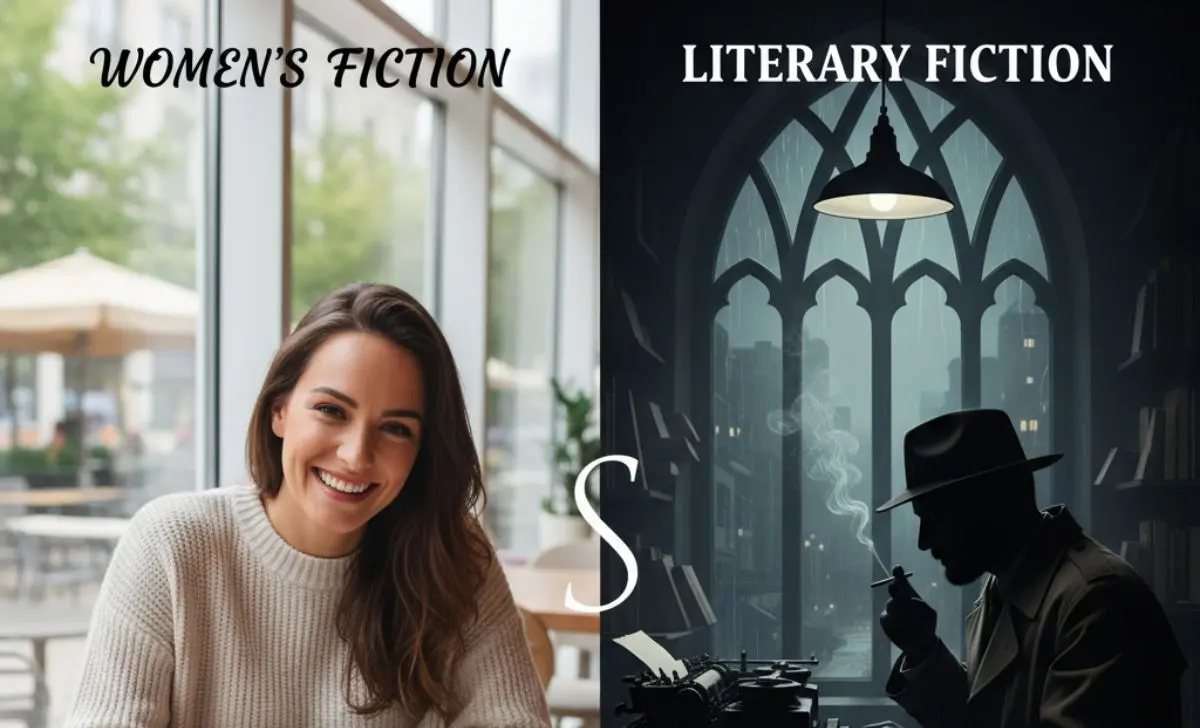
Women’s fiction centers on the protagonist’s emotional transformation and personal growth. The story’s primary concern involves how events affect the main character’s inner development. Literary fiction, conversely, emphasizes artistic expression and thematic exploration. While character development remains important, literary fiction serves broader purposes of social commentary and philosophical inquiry.
Narrative Structure
Women’s fiction typically follows a clear character arc with recognizable beginning, middle, and resolution. The protagonist faces challenges, undergoes growth, and emerges transformed with renewed hope or understanding. Literary fiction may deliberately subvert traditional narrative structures, leaving questions unanswered or employing experimental storytelling techniques.
Writing Style and Language
Women’s fiction employs accessible prose that prioritizes emotional connection with readers. The language serves the story without drawing excessive attention to itself. Literary fiction often features more sophisticated, artistic language that contributes equally to meaning as the plot itself. The prose style may incorporate poetic elements, complex metaphors, or innovative narrative techniques.
Target Audience and Marketing
Women’s fiction explicitly targets female readers, comprising approximately 80% of book buyers. Publishers market these books through romance and women’s fiction channels, emphasizing emotional themes and relatable experiences. Literary fiction targets a broader audience interested in artistic and intellectual engagement, though it typically reaches smaller readership numbers.
Examples That Illustrate the Distinctions
Women’s Fiction Examples
Contemporary women’s fiction includes novels like Where the Crawdads Sing by Delia Owens and Me Before You by Jojo Moyes. These books focus on female protagonists navigating life-changing circumstances while developing emotionally and psychologically. The narratives emphasize personal relationships, family dynamics, and individual growth.
Authors like Elizabeth Gilbert (Eat, Pray, Love), Celeste Ng (Everything I Never Told You), and Emily Henry (Funny Story) represent contemporary women’s fiction. Their works explore themes of self-discovery, relationships, and women’s experiences through accessible storytelling that resonates with broad audiences.
Literary Fiction Examples
Literary fiction encompasses works by authors like Kazuo Ishiguro (Never Let Me Go), Ian McEwan (Atonement), and Zadie Smith (White Teeth). These novels blend sophisticated prose with complex themes, often incorporating speculative elements or historical settings to examine human nature and social issues.
Contemporary literary fiction includes Normal People by Sally Rooney, The Goldfinch by Donna Tartt, and works by Colson Whitehead. These authors craft narratives that challenge readers intellectually while exploring universal themes through innovative storytelling approaches.
The Publishing Industry’s Complex Relationship
The publishing industry treats women’s fiction and literary fiction differently in terms of marketing, recognition, and commercial expectations. Literary fiction receives consideration for prestigious awards like the Pulitzer Prize and National Book Award, while women’s fiction often faces categorization challenges that affect its literary credibility.
This disparity reflects broader gender biases within publishing. Women’s fiction sometimes gets dismissed as less serious literature, despite addressing complex themes and demonstrating sophisticated writing. Critics argue that the “women’s fiction” label marginalizes female authors’ work, preventing recognition alongside mainstream literary fiction.
The Women’s Prize for Fiction, established in 1996, addresses this imbalance by celebrating outstanding fiction written by women. The prize recognizes that women’s literary achievements often go unacknowledged by major literary awards, providing a platform for exceptional female voices.
Market Realities and Commercial Considerations
Publishers approach these categories with different commercial expectations. Women’s fiction typically targets larger audiences and expects higher sales numbers, while literary fiction accepts smaller readership in exchange for critical acclaim and award potential. This creates an interesting paradox where commercial success in women’s fiction may actually decrease literary recognition.
Book pricing reflects these market dynamics. Research shows that books by female authors cost approximately 45% less than those by male authors, with women’s fiction particularly affected by pricing disparities. These economic factors influence how publishers position and market women’s work.
The Overlap and Blurred Lines
Many successful novels defy easy categorization, incorporating elements from both women’s fiction and literary fiction. Books like The Handmaid’s Tale by Margaret Atwood or Little Fires Everywhere by Celeste Ng feature female protagonists and emotional journeys while employing sophisticated literary techniques and exploring complex social themes.
Upmarket fiction represents a hybrid category that bridges women’s fiction and literary fiction. These novels combine the accessibility and emotional engagement of women’s fiction with the sophisticated writing and thematic depth of literary fiction. Publishers increasingly seek this type of work because it offers both commercial potential and critical credibility.
Contemporary authors like Lily King (Writers and Lovers) create works that focus on women’s emotional journeys while maintaining literary fiction’s artistic standards. When books achieve literary recognition despite featuring women’s emotional themes, they often lose the “women’s fiction” designation entirely.

Implications for Writers and Readers
For Aspiring Writers
Understanding these distinctions helps writers position their work effectively within the publishing landscape. Writers should consider their primary goals: reaching broad audiences through emotionally engaging stories (women’s fiction) or creating artistically ambitious works that explore complex themes (literary fiction).
The choice affects everything from query letters to target publishers. Women’s fiction requires different marketing approaches, emphasizing emotional themes and character relationships. Literary fiction queries focus on innovative techniques, thematic depth, and artistic merit.
Writers can also explore upmarket fiction as a middle path, combining accessibility with literary ambition. This approach may offer advantages in today’s publishing market, where publishers seek both commercial viability and critical respect.
For Readers
These categories help readers navigate the vast literary landscape and discover books matching their preferences. Readers seeking emotional engagement and relatable female experiences might gravitate toward women’s fiction, while those wanting intellectual challenge and artistic innovation may prefer literary fiction.
Understanding these distinctions also promotes more thoughtful discussion about literature and gender in publishing. Readers can better appreciate the different purposes these categories serve while recognizing the arbitrary nature of some literary boundaries.
Moving Forward: Evolving Categories and Future Considerations
The literary world continues evolving, with traditional categories becoming increasingly fluid. Contemporary authors experiment with genre-blending, diverse perspectives, and innovative storytelling techniques that challenge established definitions.
The rise of diverse voices in publishing creates opportunities for more inclusive definitions of both women’s fiction and literary fiction. Authors from different cultural backgrounds bring fresh perspectives to both categories, expanding their scope and relevance.
Technology and changing reading habits also influence these categories. Digital publishing platforms enable more experimental approaches, while social media creates new ways for readers to discover and discuss books across traditional category boundaries.
The ongoing conversation about gender bias in publishing continues shaping how these categories develop. As the industry becomes more aware of systematic inequalities, it may reconsider how it defines, markets, and recognizes different types of literature.