Somewhere in the world right now, people are standing in line—heart pounding, palms sweaty—ready to be terrified. Whether it’s a haunted house, a horror movie, or a roller coaster ride, millions willingly chase fear. Just in October 2015, about 28 million people in the U.S. alone visited haunted houses. But Why We Love to Be Scared? It might sound odd, even contradictory, but there’s a fascinating science behind why fear can actually feel good.
Fear Isn’t Always the Enemy
We’re taught to think of fear as something negative—something to avoid. But fear has a useful purpose. It’s a built-in survival mechanism, part of our fight-or-flight response. When a threat appears, our brain instantly activates this response by releasing a cocktail of chemicals like adrenaline and endorphins.
These chemicals do more than just prepare us to run or fight—they actually alter how our brain and body work. Energy floods our system. Pain sensitivity drops. Nonessential processes, like critical thinking, temporarily shut down. This all serves one purpose: survival.
The Thrill of Controlled Fear
So how does this relate to fun? The key is context.
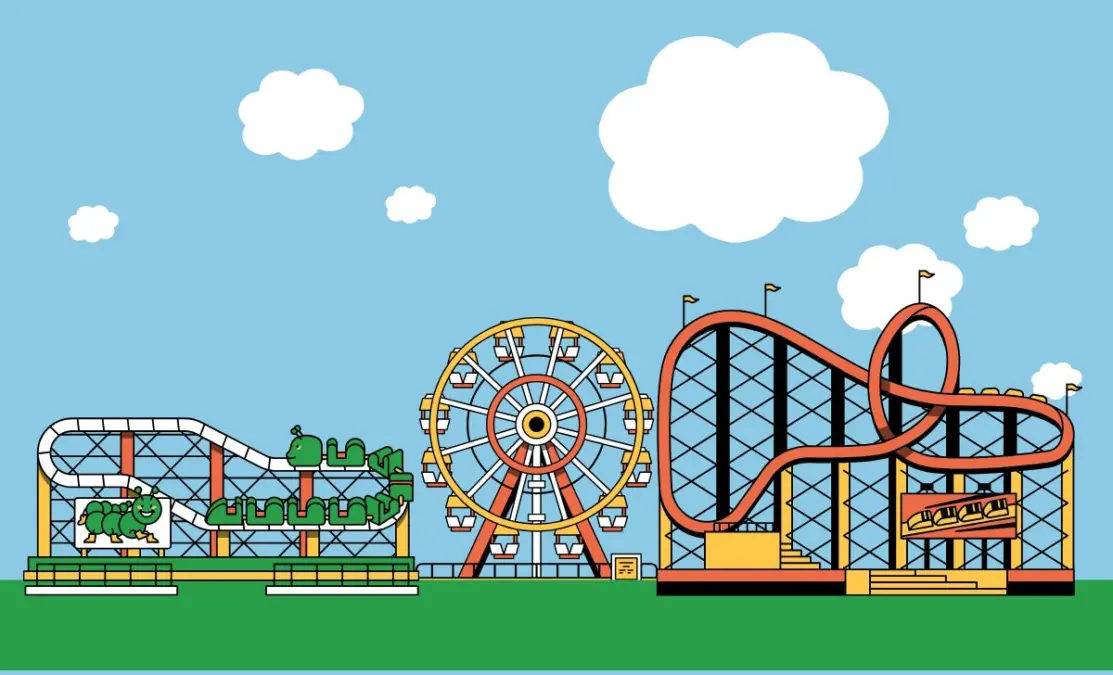
If you’re in real danger, your brain focuses on staying alive, not having a good time. But in a safe environment—like a haunted house or roller coaster—your body doesn’t know the difference. It still floods you with chemicals. But since you’re not actually at risk, your mind can reinterpret that rush as excitement, not terror.
That’s why you can scream in fear and laugh just moments later on a thrill ride. You’re not just scared—you’re on a natural high. The fear becomes thrilling, not paralyzing.
Why Some People Crave Fear More Than Others
Not everyone enjoys fear in the same way. Some people are natural thrill-seekers, and science helps explain why.
Each person’s body handles those fear chemicals a little differently. For some, the release of adrenaline and endorphins is deeply enjoyable. For others, it’s overwhelming. That’s why one person might love the dizzying loops of a roller coaster while another can’t handle the stomach-drop sensation.
Similarly, some people shriek with joy in a haunted house but feel real panic walking through a graveyard. It’s not just about bravery—it’s about how your body and brain react.
Fear Feeds Confidence and Accomplishment
Fear doesn’t just make you feel alive—it can make you feel accomplished.
Think about running a race or finishing a long book. Those challenges give you a confidence boost. Facing fear can do the same. Even when you know deep down you’re not in real danger, the emotional and physical response feels real. Your body reacts as if it’s truly at risk.
So when you survive the haunted house or make it through a terrifying film, your brain celebrates it like a real victory. That sense of accomplishment is rewarding—and addictive.
The Evolutionary Perks of Fear
From an evolutionary perspective, the ability to feel fear—and know when to push through it or back off—was vital. Our ancestors who mastered this balance were the ones who found new food sources, discovered new lands, and lived to tell the tale.
Being just brave enough to try something scary, without being reckless, helped ensure survival. Today, we’re not running from predators, but we still crave that same mix of challenge and reward.
Fear Connects Us With Others
Interestingly, fear doesn’t just affect us individually—it brings people closer together.
When your friend screams in terror and then laughs in relief, you naturally mirror their reaction. Your brain lights up in the same areas as theirs, thanks to something called emotional contagion. You feel what they feel. And in doing so, you bond.
This shared emotional intensity is heightened by oxytocin, the “bonding hormone” released during fight or flight. It’s the same hormone that helps mothers bond with their babies or friends feel more connected during deep conversations.
So next time you huddle with your group after a horror movie or haunted house, remember—that fear made your friendship stronger.
We Remember Fear—and We Want More
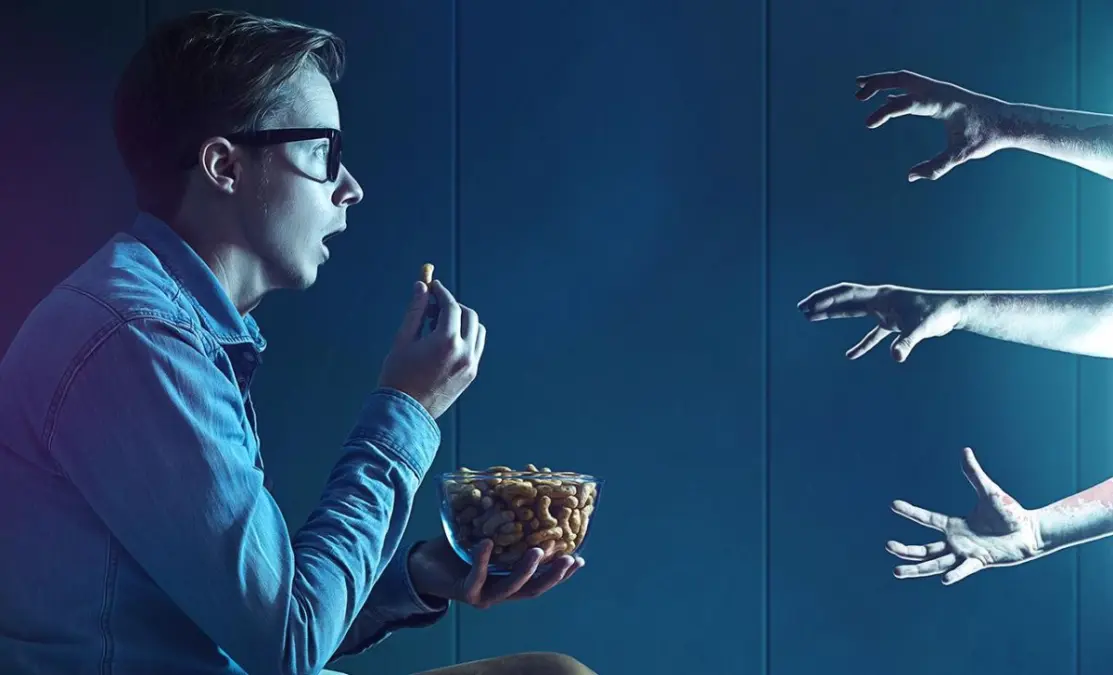
Fear sticks with us. Evolution wired us to remember the things that can harm us. That’s why emotionally intense moments—like watching a scary movie—are stored deep in our memory.
But if that memory includes satisfaction, laughter, or pride, it becomes something we want to repeat. That’s why we keep coming back for more. We associate fear with fun, with overcoming something, with bonding.
In other words, fear becomes part of our most cherished memories.