

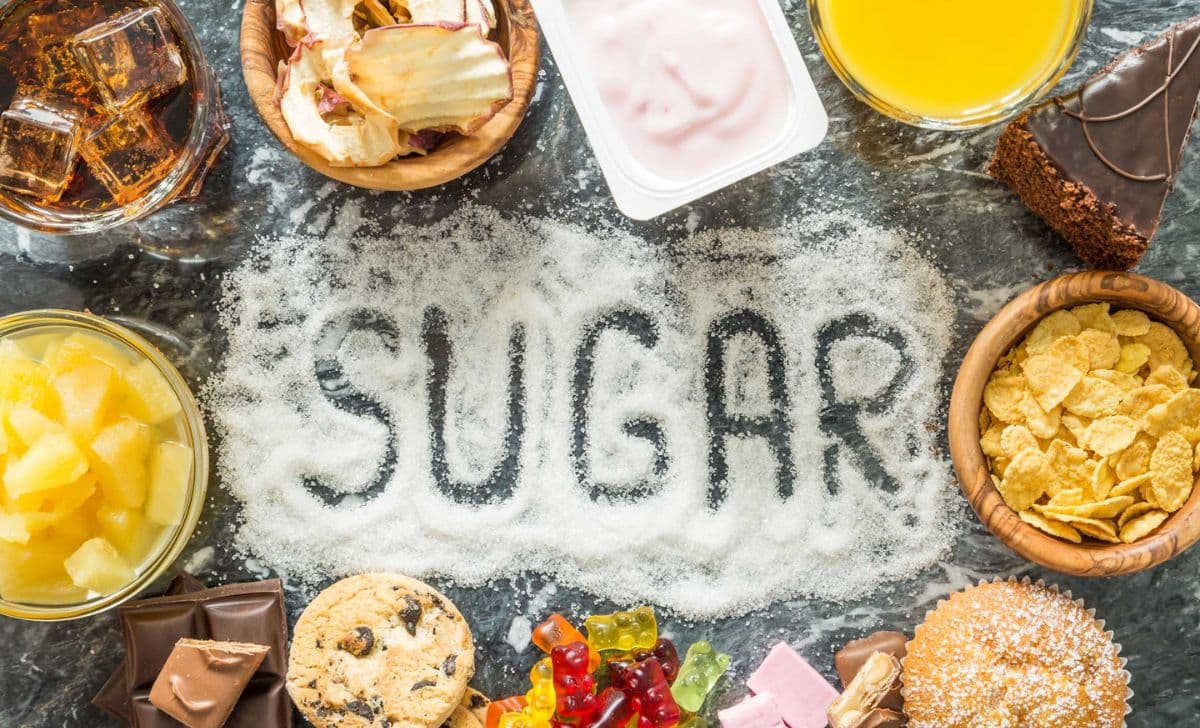
There’s something irresistible about warm cookies fresh from the oven, or the crunch of a sugary candy on your tongue. You don’t just enjoy the taste—your body seems to crave it. But why? What exactly happens in your brain when you eat sugar that makes it so hard to resist? The answer lies in how sugar interacts with our reward system and how it triggers a complex chain reaction that can make sugar feel nearly addictive.
What Is Sugar, Really?
Sugar isn’t just the white stuff you spoon into coffee. It’s a broad term that includes a wide range of carbohydrates: glucose, fructose, sucrose, maltose, lactose, dextrose, and even starch. You’ll also find sugar in forms like high-fructose corn syrup, fruit juice, raw sugar, honey, and more.
Sugar hides in unexpected places too—tomato sauces, flavored yogurts, dried fruit, even so-called healthy snacks like granola bars. It’s nearly everywhere, making it vital to understand its effect on the brain.
Your First Bite: Where the Sweet Journey Begins
Let’s say you take a bite of sugary cereal. The sugars in that bite activate the sweet-taste receptors located on your taste buds. These receptors quickly send a signal to your brainstem, which then routes the message to various areas of the forebrain, including the cerebral cortex. This part of the brain is responsible for processing different tastes—bitter, salty, umami, and in this case, sweet.
But it doesn’t stop there.
The Reward System: Why Sweetness Feels So Good
Once the taste of sugar is recognized, the brain activates its reward system—a network of electrical and chemical pathways that spans multiple brain regions. This system helps answer a key survival question: Should I do that again?
When you enjoy something like your grandma’s chocolate cake, the warm, fuzzy feeling you get isn’t just emotional—it’s biological. Your reward system lights up and reinforces that behavior. The brain uses this system not only for food, but also for experiences like socializing, sex, and even drug use.
However, when the reward system gets overstimulated, it can lead to cravings, loss of control, and a higher tolerance—the very things associated with addiction.
Sugar in the Gut: More Than Just Taste
After that spoonful of cereal leaves your mouth, it travels down to the stomach and into the gut. Surprisingly, the gut also contains sugar receptors—though they’re not taste buds. These receptors play a crucial role in managing digestion. They send signals to the brain that you’re full or prompt the release of insulin, a hormone that helps the body handle sugar.
Dopamine: The Brain’s Chemical Currency
At the heart of the reward system is dopamine, a neurotransmitter that creates feelings of pleasure and motivation. The brain contains many dopamine receptors, but they’re concentrated in certain hot spots, particularly in the forebrain.
When we do something enjoyable—whether it’s drinking alcohol, smoking, or eating sugar—dopamine floods these areas. Drugs cause a dramatic spike in dopamine. Sugar causes a spike too, though more gradually. Still, compared to most foods (like broccoli, which does nothing for dopamine), sugar stands out for its ability to light up the reward system.
Novelty vs. Repetition: Why the Brain Loves New Tastes
If you’re hungry and eat a healthy, balanced meal, dopamine levels in your brain will rise. But if you eat that same exact meal every single day, the dopamine response gradually lessens. Why? The brain is wired to prioritize new or different foods—an evolutionary strategy that helped early humans avoid spoiled food and get a variety of nutrients.
But sugar breaks this rule.
When Sugar Doesn’t Get Boring
If you rarely eat sugar or consume it in small quantities, your brain treats it like any other food. The dopamine response increases initially, then flattens with repetition. But when you eat a lot of sugar—and often—your brain keeps releasing dopamine at a high rate. The reward doesn’t flatten out like it does with other foods.
This is where things get dangerous. Sugar starts behaving more like a drug. Your brain keeps chasing that same sweet reward, which leads to repeated cravings and overconsumption. This is why people often describe themselves as “addicted” to sugar.
Every Sugar Counts: One Sweet Chain Reaction
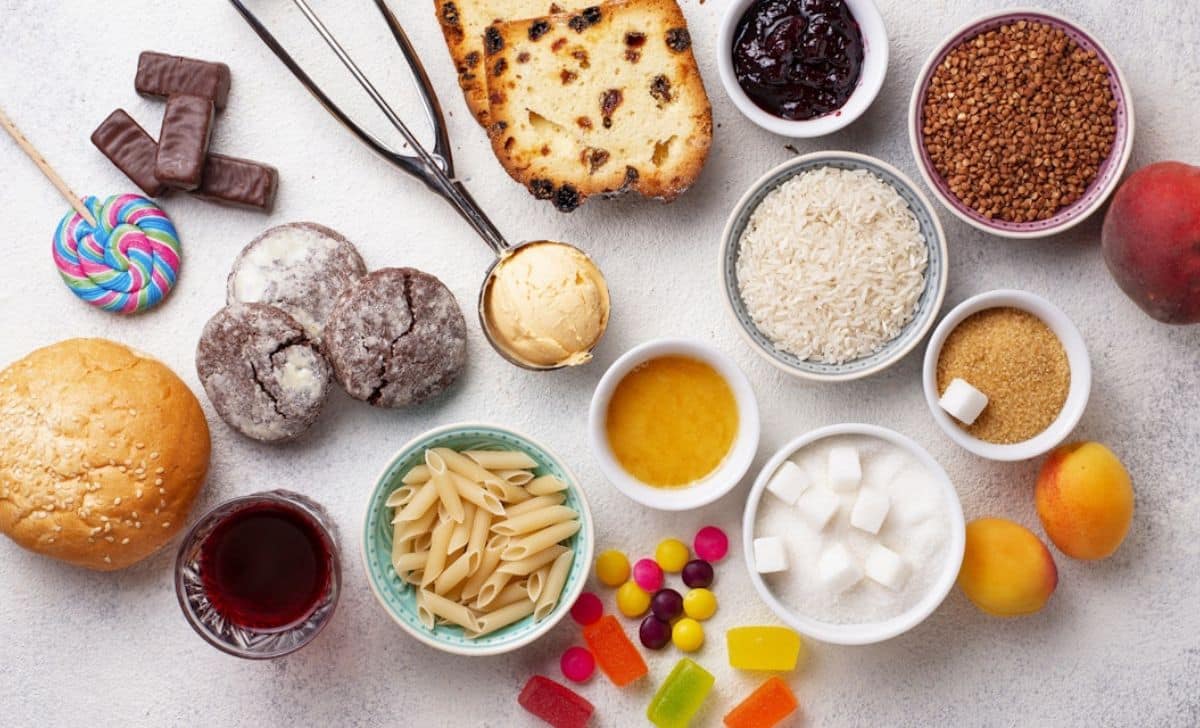
Whether it’s glucose, honey, or high-fructose corn syrup, all types of sugar set off a similar reaction in the brain. Each one activates the sweet receptors, triggers the dopamine release, and lights up the reward system.
Eat too much, too often, and your brain begins to run in overdrive—seeking that sugar high again and again. However, this doesn’t mean you have to swear off dessert entirely. A slice of cake now and then is perfectly fine. The key is moderation.
The Bottom Line: Sugar and the Brain
Sugar activates powerful pathways in your brain that encourage you to enjoy—and even crave—sweet foods. Its ability to trigger dopamine release places it in a unique category of food, capable of mimicking addictive behaviors when consumed in excess.
So next time your hand reaches for that cookie, know that it’s not just your sweet tooth—it’s your brain’s reward system at work. Enjoy the treat, but remember: when it comes to sugar, too much of a good thing can tip the balance.