

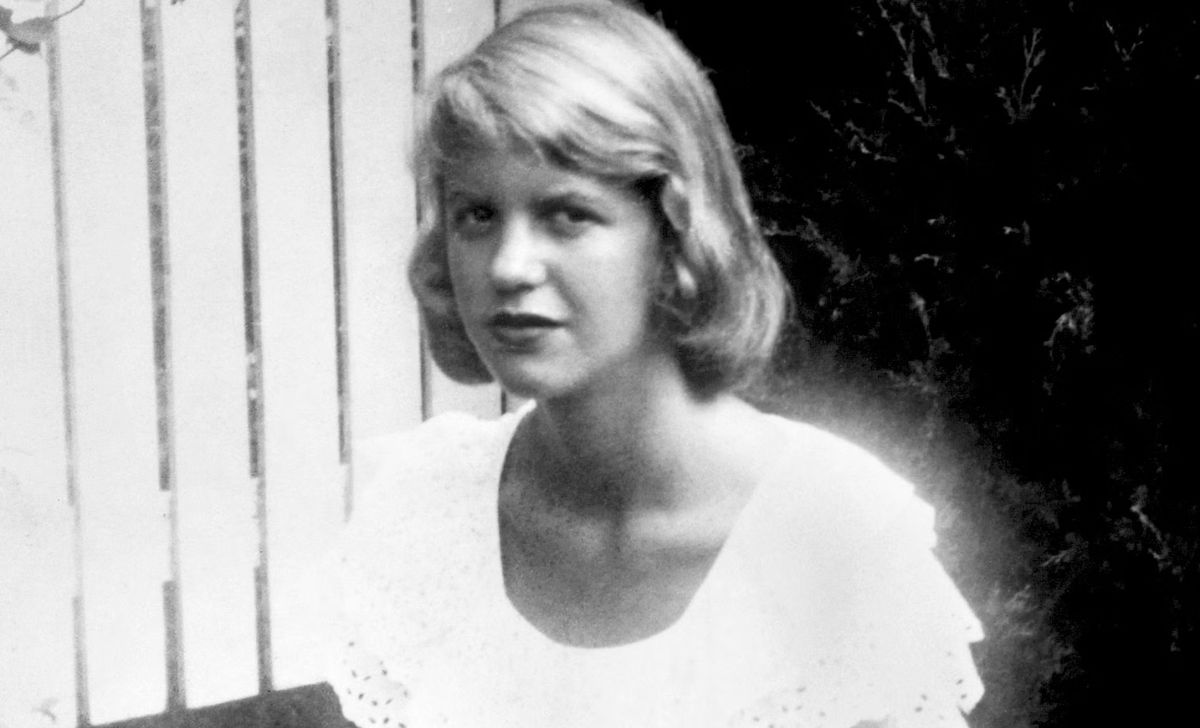
Few writers have managed to capture the raw complexity of the human experience quite like Sylvia Plath. Her words are at once haunting, beautiful, and brutally honest—offering readers a mirror into their own fears, desires, and struggles. To read Plath is to encounter poetry and prose that doesn’t just entertain, but unsettles, provokes, and lingers long after the final line. If you’ve ever wondered why Sylvia Plath continues to be such an essential voice in literature, here’s Why Should You Read Sylvia Plath?
Plath’s Words Speak to Universal Fears
One of the most striking qualities of Plath’s writing is its ability to articulate feelings we all recognize but rarely express. In her novel The Bell Jar, she paints a vivid picture of indecision and lost potential with the famous fig tree metaphor:
“From the tip of every branch, like a fat purple fig, a wonderful future beckoned and winked… but choosing one meant losing all the rest, and, as I sat there, unable to decide, the figs began to wrinkle and go black, and, one by one, they plopped to the ground at my feet.”
This passage resonates because it speaks to the universal fear of making the wrong choice and the paralysis that can come with it. Plath’s ability to transform such anxieties into unforgettable imagery makes her work profoundly relatable, no matter your age or background.
She Turned the Everyday Into the Extraordinary
Plath had an unmatched gift for seeing the haunting beauty in ordinary objects. Under her sharp gaze, simple things like soap, shadows, or flowers became vessels of meaning. Her poetry elevates daily life into art, revealing how much emotion, memory, and imagination can be hidden in the mundane.
This quality is especially evident in her first poetry collection, The Colossus, where she wove together vivid images of nature—mist dragging across a lake, flowers toppling, or mussels clumped like bulbs. Even as she explored feelings of emptiness and isolation, Plath found solace and inspiration in the natural world.
The Bell Jar: A Brilliant Yet Devastating Portrait of Depression
Plath’s only novel, The Bell Jar, remains one of the most honest portrayals of mental illness in modern literature. Its heroine, Esther Greenwood, slips into a depressive episode while navigating the pressures of ambition, beauty, and societal expectation. Yet, the novel is not without wit—Plath’s sharp eye captures the absurdity of fashion parties and dull dates with biting humor.
This mix of dark honesty and satire is what makes the book timeless. For readers struggling with identity, expectations, or mental health, The Bell Jar feels like a confidante—unflinchingly honest, yet deeply human.

Ariel: The Masterpiece of Survival and Rage
If The Colossus introduced Plath and The Bell Jar cemented her as a novelist, then Ariel made her a legend. Published posthumously, Ariel contains the poems Plath wrote in a burst of creativity before her death at age 30. These poems are electric—filled with both pain and the fierce energy of survival.
Take “Lady Lazarus,” one of her most iconic poems, where she confronts her suicide attempts with searing irony and power:
“I rise with my red hair
And I eat men like air.”
Here, Plath transforms trauma into art, defiance, and even dark triumph. It is poetry that refuses to be silent, offering a voice to countless others who have felt voiceless.
She Exposed the Tensions Between Domesticity and Creativity
Plath’s later work reflects her growing dissatisfaction with her domestic life and her turbulent marriage to fellow poet Ted Hughes. Family photographs, instead of evoking warmth, become “little smiling hooks” that tear at her skin. Her poems capture the conflict many women of her time (and even today) felt between creative ambition and societal expectations of wifehood and motherhood.
Reading her work provides not just a glimpse into her life, but also into the struggles of countless women whose creativity and independence were constrained by cultural norms.
She Challenges Readers to Confront What Others Avoid
Plath’s writing can be dark, filled with imagery of death, trauma, and anger. But this is precisely why her work is so vital. She does not flinch away from the hardest emotions. Instead, she invites readers to witness them fully. Whether writing about despair, betrayal, or the fear of annihilation, she gives shape to the inexpressible.
Her unflinching honesty forces us to ask uncomfortable questions about ourselves, society, and the way we treat those who suffer. In doing so, Plath breaks the silence around issues that remain urgent today—mental health, trauma, sexism, and creative freedom.
✅ Final Thought:
You should read Sylvia Plath because she captures life in all its contradictions—its beauty and its terror, its humor and its despair. Her work doesn’t just tell stories; it gives readers the courage to face their own.