

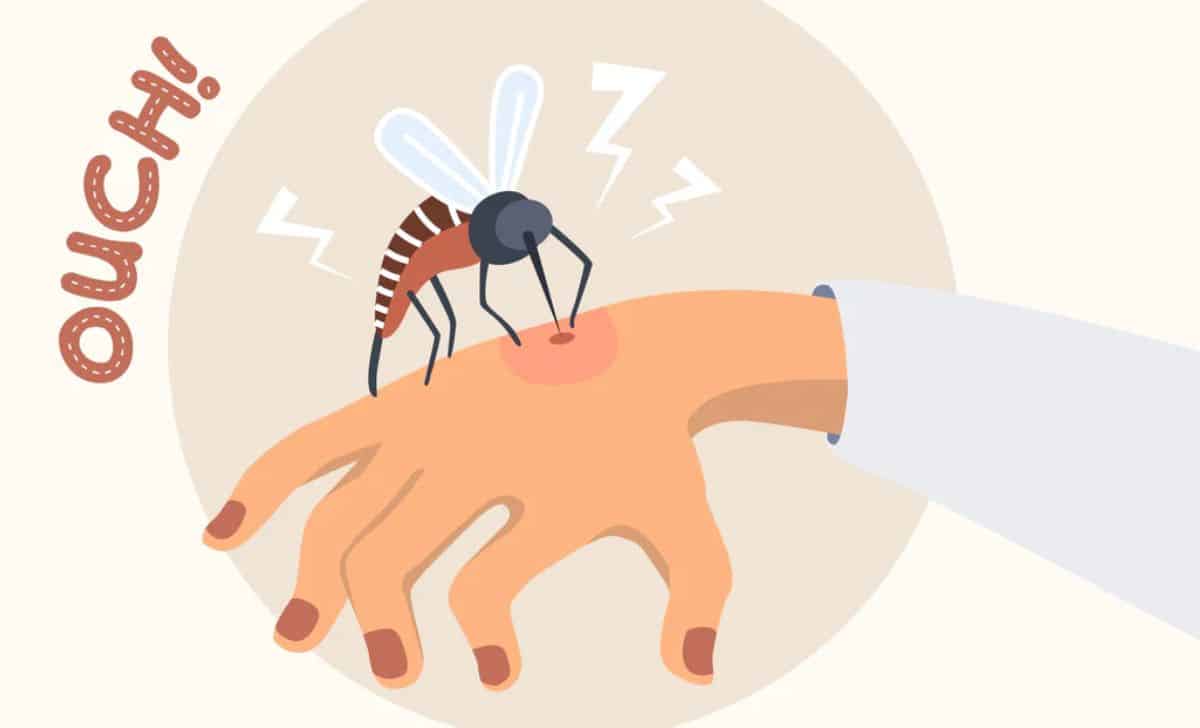
Have you ever been out with friends, swatting at mosquitoes while they stand there bite-free and unbothered? It’s not just bad luck—you’re not imagining things. The truth is, mosquitoes really do prefer some people over others. So, why do mosquitoes love some people more than others? The science behind mosquito magnets reveals some surprising answers. From the way our bodies smell to our skin chemistry and even our genes, there’s a lot going on behind those itchy bites. Let’s unpack how mosquitoes track us down, why they pick favorites, and what that means for your summer evenings—and global health.
It Starts With the Female Mosquito’s Mission
Mosquitoes aren’t biting you out of pure spite—they’re trying to reproduce. Male mosquitoes feed only on nectar, but female mosquitoes need blood. It’s rich in proteins and nutrients necessary for developing their eggs. While different mosquito species prefer different hosts, many evolved to specifically target humans—especially in the last 10,000 years.
Why humans? As we began living in more permanent settlements, we unintentionally created mosquito-friendly environments. Stagnant water sources in and around homes became ideal breeding grounds, even during dry seasons. Over time, mosquitoes adapted to not just survive around humans—but to hunt us with pinpoint accuracy.
Mosquitoes Have Super Sensors for Human Detection
Female mosquitoes are built to track down their prey with incredible precision. Their antennae are covered in tiny hair-like structures packed with odor-detecting receptors. These sensors allow them to pick up signals from their preferred hosts—especially humans.
They don’t just aim for any part of the body either. Mosquitoes tend to land on areas where you’re less likely to notice them. Add to that their ability to detect visual cues and changes in air movement, and you’ve got a tiny predator that can evade your every slap. In fact, mosquitoes can even learn to avoid people who are particularly defensive and swat too often.
The Mosquito Hunt: How They Find You
Long before they buzz around your ears, mosquitoes are already on your trail. Their first cue? Carbon dioxide (CO₂). Humans exhale it constantly, and female mosquitoes can detect it from up to 10 meters away.
Once they catch a whiff of CO₂, they go into hunting mode. They become more attracted to dark, high-contrast objects and the specific hues found in human skin. As they follow the carbon dioxide plume, they pick up more information—especially heat and smell.
It’s Not Just Sweat—It’s Your Skin’s Microbiome
Human skin is full of sweat and oil, but it’s also home to millions of tiny microbes. These microorganisms break down your bodily secretions, producing smaller compounds that evaporate and create body odor. And guess what? Mosquitoes love it.
They’re not just sniffing out sweat—they’re tuned into the specific chemical compounds your skin microbes produce. If you’re sweaty, pregnant, or have had a drink or two, you’re temporarily more attractive to mosquitoes. Even worse, if you’re infected with the malaria-causing Plasmodium parasite, you become even more alluring to them due to the fruity-smelling aldehydes the parasite increases in your scent.
The Curse of the Mosquito Magnet
About 20% of people are what researchers call “high attractors” or mosquito magnets. If that’s you, chances are you already know. No matter where you go or who you’re with, the mosquitoes find you—and only you.
So, what’s going on? It turns out that body odor isn’t just about environment or diet—it’s also biological. The unique microbial community on your skin influences how you smell. Everyone’s microbial makeup is different, which leads to distinct body odors that mosquitoes react to differently.
Researchers have also discovered that the receptors mosquitoes use to detect acidic compounds on the skin are key in drawing them to humans. People who naturally produce more skin acids consistently draw more bites. This might even have a genetic component—studies show that identical twins attract mosquitoes similarly, while fraternal twins don’t. So yes, being a mosquito magnet might just run in your family.
Why This Matters Beyond the Itch
This isn’t just about itchy ankles and ruined picnics. Every year, hundreds of thousands of people die from mosquito-borne diseases like malaria, dengue, and Zika. Understanding why some people are more likely to attract mosquitoes can help in more ways than one.
It could lead to the development of better insect repellents that work by altering our skin’s microbiome. It might also help direct crucial resources—like mosquito nets, vaccines, and treatments—to the people most at risk of being bitten and infected. These efforts could interrupt disease transmission cycles and save lives, especially in parts of the world where healthcare access is limited.
Also Read: What Are Hallucinations?