
Anime and manga have become inseparable cultural phenomena that continue to captivate audiences worldwide. But Why Are Many Anime Inspired by Manga? If you’ve ever wondered why so many beloved anime series trace their origins back to Japanese comics, you’re not alone. This long-standing relationship is deeply rooted in economics, creative synergy, and a unique production system that has evolved over decades. Understanding this connection reveals not only the mechanics of the anime industry but also the brilliant strategy powering Japan’s modern entertainment empire.
The Historical Foundation: A Relationship Built Over Time
The bond between manga and anime stretches back to the mid-20th century, with pioneering figures like Osamu Tezuka establishing the blueprint for this enduring partnership. Often called the “God of Manga,” Tezuka revolutionized both mediums in the 1950s and 1960s. His groundbreaking work “Astro Boy,” which premiered as a manga in 1951, later became the first weekly anime series on Japanese television in 1963. This landmark adaptation set a template that the industry continues to follow today.
During the post-World War II era, Japan’s entertainment industry underwent dramatic transformation. American comics and cartoons introduced during the US occupation influenced Japanese creators, who absorbed and adapted these influences into something distinctly their own. The result was a uniquely Japanese storytelling tradition that valued sequential art and serialized narratives. As manga magazines proliferated throughout the 1960s and 1970s, they created a vast reservoir of stories ripe for adaptation.
The relationship solidified further through the 1970s and 1980s as anime evolved from children’s entertainment into a sophisticated medium capable of addressing complex themes. Science fiction epics like “Space Battleship Yamato” and the revolutionary “Mobile Suit Gundam” demonstrated anime’s potential for serious storytelling. These successful adaptations proved that manga provided not just source material but proven narratives with built-in audiences.
Proven Success: The Power of Established IP
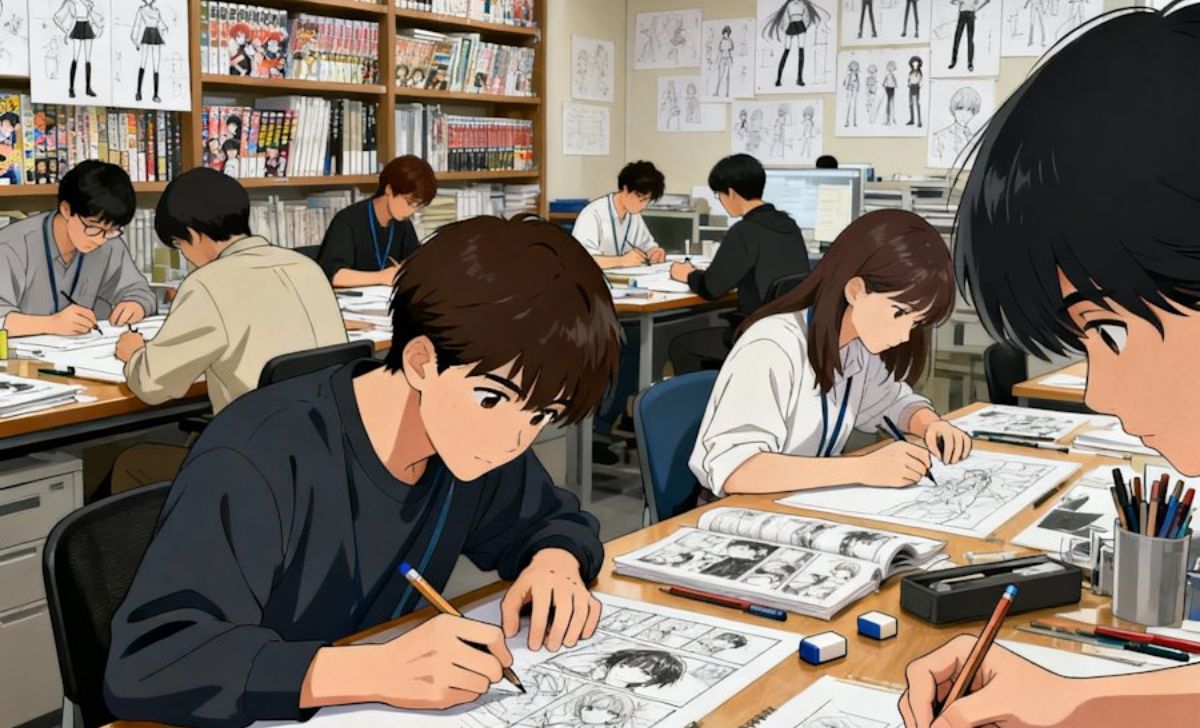
One of the most compelling reasons anime producers turn to manga is simple economics—manga serves as a proving ground for stories and characters. Before investing millions of dollars in anime production, studios can gauge audience interest through manga serialization. Popular manga series have already demonstrated their appeal, making them significantly safer investments than original anime projects.
The serialization model of manga publishing provides invaluable market testing. Manga typically appears first in weekly or monthly magazines like “Weekly Shōnen Jump,” which has sold over 7.5 billion copies since 1968. Magazines like this publish multiple ongoing series simultaneously, each running around 20 pages per installment. Readers provide feedback through surveys and ratings, allowing publishers to identify which stories resonate most powerfully. This continuous feedback loop helps studios identify which manga have the highest potential for successful anime adaptations.
When a manga demonstrates consistent popularity and strong sales, it signals to production committees that an anime adaptation could be profitable. The manga industry’s structure essentially provides free market research, eliminating much of the guesswork from the adaptation process. Series that survive the competitive serialization process have already proven they can maintain audience engagement over extended periods—a crucial factor for anime productions that require sustained viewership.
Financial Strategy: Anime as Marketing Powerhouse
While it might seem counterintuitive, many anime adaptations exist primarily to boost manga sales rather than generate direct profits from the anime itself. The average 13-episode anime season costs approximately $2 million to produce, representing a substantial financial commitment. However, the return on investment comes not just from anime viewership but from the dramatic spike in manga sales that successful anime generate.
The numbers tell a compelling story. When “Tokyo Ghoul” received its anime adaptation, manga sales exploded from 2.6 million copies over two and a half years to 6.9 million copies in the single year the anime aired, eventually reaching over 12 million copies in circulation. Similarly, “Kuroko no Basket” sold 9 million manga copies after four years of publication, but after its anime debuted in 2012, sales skyrocketed to 23 million by 2013 and 27 million by 2014. “Attack on Titan” jumped from being the 15th best-selling manga in Japan to the number one position after its anime adaptation.
This phenomenon extends globally. In many international markets, anime serves as the gateway to manga rather than the reverse. Overseas fans often discover Japanese storytelling through anime first, with its combination of motion, music, and voice acting providing an accessible entry point. Once captivated by the anime, these viewers frequently seek out the manga to continue the story or experience it in its original form. In the United States, sales of “Attack on Titan” manga volume one surged after the anime began streaming online in 2013, contributing to worldwide sales of 120 million copies by the end of 2023.
The Production Committee System: Shared Risk, Shared Reward
Understanding why manga dominates anime source material requires examining Japan’s unique production committee system. Unlike Western entertainment where a single studio might fund a project, anime production typically involves a “production committee”—a joint venture of multiple companies pooling resources to fund and produce anime. These committees emerged in the early 1990s and have since become the standard production model.
Production committees typically include publishers, broadcasting networks, merchandising companies, home video distributors, music labels, and sometimes the animation studio itself. Each member contributes a portion of the production budget and receives corresponding rights to exploit the property through their particular business channel. The publisher might use the anime to boost manga and light novel sales, while merchandising companies develop character goods, and music companies release soundtracks and character albums.
For manga publishers, joining a production committee offers multiple revenue streams. They earn money from increased manga sales, collect licensing fees from the anime itself, and often receive royalties from merchandise. The publisher typically holds a prominent position on the production committee since they own or control the original manga property. This arrangement incentivizes publishers to invest in anime adaptations of their most successful manga, creating a self-reinforcing cycle where popular manga receive anime adaptations, which in turn make the manga even more popular.
The committee system also explains why animation studios themselves rarely lead these projects. Most studios lack the capital and distribution networks to independently fund and market anime. By participating in production committees, studios can focus on their core competency—creating high-quality animation—while other committee members handle funding, distribution, advertising, and merchandising.
Creative Advantages: Built-In Storytelling Framework
Beyond financial considerations, manga provides anime creators with invaluable creative advantages. A successful manga comes with fully developed characters, established world-building, proven story arcs, and refined pacing—all the fundamental elements that make compelling narratives. Adapting manga is significantly easier than creating original anime from scratch because so much creative groundwork has already been laid.
Manga artists often spend years developing their stories through serialization, receiving continuous reader feedback that helps them refine characters and plotlines. By the time a manga becomes popular enough to warrant an anime adaptation, it has typically undergone extensive audience testing and creative iteration. The manga essentially provides a detailed blueprint that anime directors and writers can follow, adapt, and expand upon.
The visual nature of manga also provides crucial reference material for anime production. Manga panels offer character designs, architectural concepts, action choreography, and composition ideas that anime teams can directly translate to animation. This is particularly valuable for Japanese studios, as they can often adapt manga panels nearly one-to-one, reducing the extensive conceptual work required for original productions. Western properties, by contrast, require significantly more adaptation work to fit anime’s visual language, which is why studios charge more for adapting non-Japanese source material.
Manga’s episodic structure also aligns perfectly with anime’s format. Most manga serialize in weekly or monthly installments, creating natural episode breaks and story arcs that anime can follow. This built-in structure makes it easier to pace anime episodes and plan season-length story arcs. Long-running manga provide enough content for multiple anime seasons, allowing studios to plan long-term adaptations with confidence that source material won’t run out.
The Medium Transformation: What Animation Adds
While manga provides the foundation, anime transformation adds dimensions that static panels cannot achieve—motion, sound, voice acting, and music. These elements can elevate manga storytelling to new emotional heights, creating experiences that resonate differently with audiences. A dramatic fight scene might span several manga pages, but in anime, it becomes a fluid spectacle accompanied by stirring music and dynamic sound effects. Quiet character moments gain new nuance through voice actor performances that convey subtleties impossible in printed dialogue.
Animation’s ability to add sound design fundamentally changes how stories are experienced. Environmental sounds, character voices, musical scores, and sound effects work together to create immersive worlds that transport viewers into the narrative. A forest scene in manga might show trees and characters, but anime can add rustling leaves, distant wildlife, wind effects, and atmospheric music that establish mood and tension in ways visual art alone cannot achieve.
The addition of motion also enables anime to emphasize different storytelling aspects than manga. Animation can slow down or speed up time, use camera movements impossible in static panels, and employ visual effects that highlight emotional states or supernatural abilities. Color, which many manga lack, adds another expressive dimension. These enhancements don’t necessarily make anime superior to manga—they simply make it different, offering audiences alternative ways to experience beloved stories.
Successful anime adaptations understand this distinction. Rather than merely animating manga panels, the best adaptations reimagine stories for their new medium, using animation’s unique strengths to deepen emotional impact and narrative clarity. “Fullmetal Alchemist: Brotherhood” earned praise specifically for its faithfulness to the manga while using exceptional animation to bring breathtaking episodes to life. The adaptation succeeded by respecting the source material’s narrative richness while fully exploiting animation’s capabilities.
Market Expansion: Anime’s Global Reach
The symbiotic relationship between manga and anime has driven both mediums to unprecedented global success. In 2024, Japan’s anime industry reached a record-breaking ¥3.84 trillion (approximately $25 billion) in total market value, with international markets contributing 56% of revenue—¥2.17 trillion ($14.25 billion). This represents a 26% increase in international revenue compared to the previous year, demonstrating anime’s expanding global footprint.
Streaming platforms have revolutionized anime accessibility, making Japanese animation available to worldwide audiences instantly. Netflix alone generated over $2 billion in anime revenue globally in 2023, accounting for 38% of total anime streaming revenue. This accessibility has introduced millions of international viewers to Japanese storytelling, many of whom subsequently seek out manga versions of their favorite anime.
The economic impact extends far beyond streaming revenue. Anime generated $19.8 billion in total global revenue in 2023, including $5.5 billion from streaming and $14.3 billion from merchandising. North America and Asia together contributed over 72% of anime’s global impact, with North America alone generating $2.2 billion in streaming revenue. This massive international market provides powerful incentive for publishers to adapt popular manga into anime, knowing that successful adaptations can reach hundreds of millions of viewers worldwide.
Merchandise sales demonstrate anime’s ability to transform manga properties into multimedia franchises. “Pokémon,” which began as a video game but expanded through manga and anime, has a franchise net worth exceeding $100 billion. While this represents an extreme example, it illustrates how anime adaptations can exponentially increase the value of intellectual properties, generating revenue streams that dwarf the original manga sales.
The Serialization Advantage: Continuous Content Pipeline
Japan’s manga publishing system creates an extraordinarily efficient content pipeline for anime production. Major publishers like Shueisha, Kodansha, and Shogakukan release multiple weekly and monthly magazines, each containing numerous serialized manga. “Weekly Shōnen Jump” alone has approximately 500 pages per issue and at its peak sold 6.53 million copies weekly. This massive output ensures a constant supply of new stories, characters, and concepts that could potentially become anime.
The competitive nature of manga serialization acts as a quality filter. Manga that fail to maintain reader interest get cancelled quickly, while successful series continue for years or even decades. This ruthless meritocracy ensures that only the most engaging stories survive long enough to be considered for anime adaptation. Publishers can track exactly which series generate the most reader enthusiasm through surveys, sales data, and reader feedback forms included in magazines.
Long-running manga provide particular advantages for anime adaptation. Series like “One Piece,” which has over 1,000 anime episodes and remains ongoing, demonstrate how successful manga-to-anime adaptations can sustain production for decades. The manga’s continued serialization ensures the anime never lacks source material, while the anime’s popularity drives ongoing manga sales. This creates a self-sustaining cycle where both mediums support and amplify each other.
The serialization model also allows for flexible adaptation strategies. Anime can adapt manga at different paces, condensing or expanding storylines as needed. When anime production outpaces manga publication, studios can create “filler” episodes or pause production until more source material becomes available. While fans sometimes complain about filler content, this flexibility allows anime adaptations to continue even when the manga hasn’t progressed far enough ahead.
Cultural and Artistic Influence: Shaping the Industry
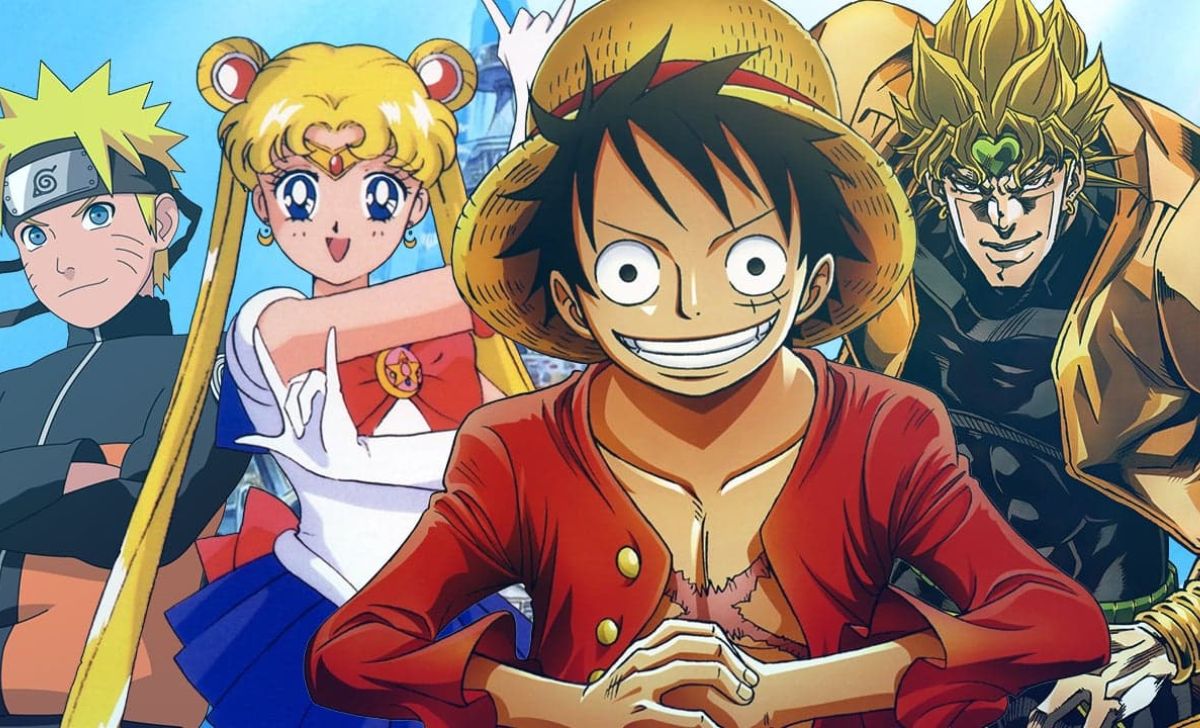
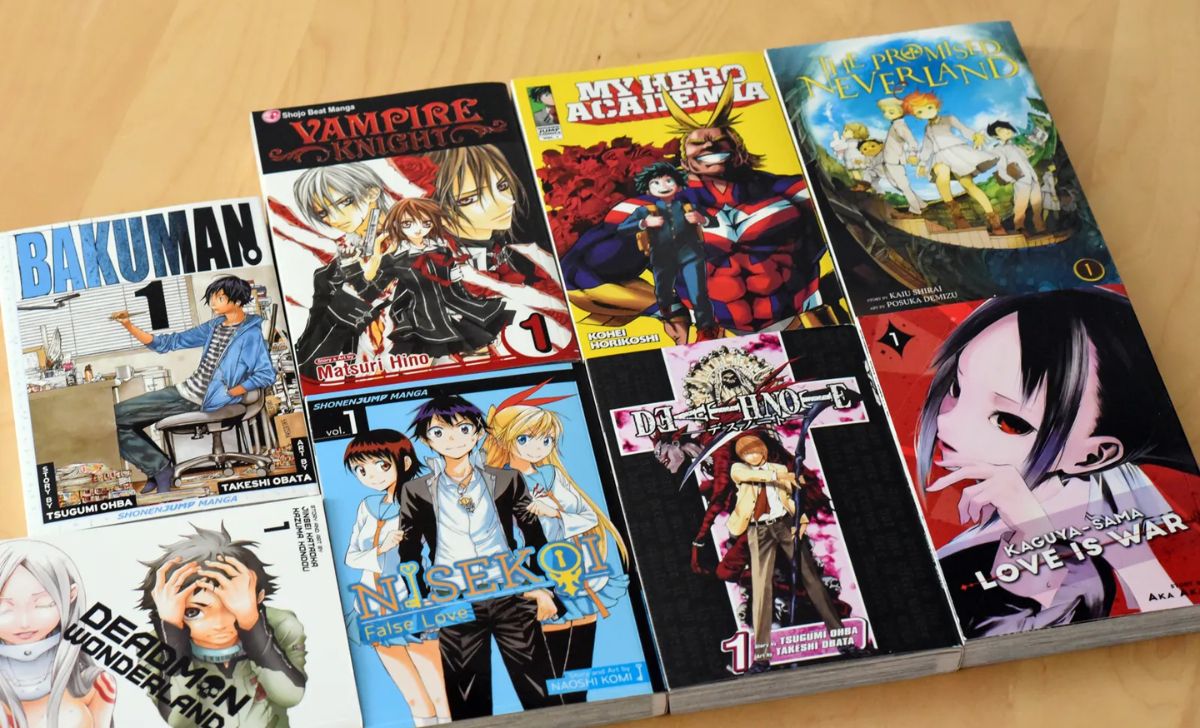
The manga-to-anime pipeline has profoundly influenced Japanese popular culture and the global entertainment landscape. Many of the most influential anime of all time began as manga—”Dragon Ball,” “Naruto,” “One Piece,” “Demon Slayer,” and countless others. These adaptations haven’t just entertained audiences; they’ve inspired new generations of creators and established storytelling conventions that continue to shape the industry.
“Dragon Ball” exemplifies this influence. The manga’s initial serialization in “Weekly Shōnen Jump” partly contributed to the magazine reaching its highest circulation of 6.53 million weekly sales. The subsequent anime adaptations achieved global cultural penetration, influencing countless manga artists including Eiichiro Oda (“One Piece”), Masashi Kishimoto (“Naruto”), and Tite Kubo (“Bleach”). This cycle of influence continues, with each generation of successful manga-to-anime adaptations inspiring the next wave of creators.
The prevalence of manga adaptations has also established certain narrative structures and character archetypes as industry standards. The “shōnen” template popularized by series like “Dragon Ball”—emphasizing martial arts training, power progression, friendship, and perseverance—has become so influential that it now defines an entire genre. These conventions work across both manga and anime, creating shared storytelling language that audiences worldwide recognize and appreciate.
Manga’s influence extends beyond Japan’s borders. The global manga market was estimated at $8.8 billion in 2024 and is expected to reach $23.9 billion by 2030, growing at a CAGR of 18.7%. This explosive growth demonstrates that manga itself has become a global phenomenon, partly driven by successful anime adaptations that introduce international audiences to Japanese comics. The relationship has become truly symbiotic, with each medium strengthening the other’s global appeal.
The Future: An Evolving Partnership
As the anime and manga industries continue evolving, their interconnected relationship shows no signs of weakening. The Japanese government has identified anime and related media as strategic industries under its revised “Cool Japan” initiative, aiming to triple international sales to ¥20 trillion ($131 billion) by 2033. This governmental support recognizes that manga-to-anime adaptations represent crucial components of Japan’s cultural and economic exports.
Technological advances continue refining the adaptation process. AI-powered animation tools are automating aspects of production like background generation and character dynamics, allowing animators to work faster and focus on creative elements. Digital distribution through streaming platforms has eliminated geographical barriers, making anime instantly accessible to global audiences. These developments suggest that manga-to-anime adaptations will become even more prevalent and reach ever-wider audiences.
The production committee system continues adapting to changing market conditions. International companies increasingly participate in anime production committees, reflecting anime’s global market importance. This internationalization could lead to more diverse source material and adaptation strategies while maintaining manga’s central role in the ecosystem.
New platforms for manga distribution, including digital publications and web manga services like “Shōnen Jump+,” are creating additional pathways for manga to reach audiences and demonstrate popularity. These platforms enable amateur creators to build audiences and potentially attract publisher attention, democratizing the pathway from manga creation to anime adaptation. Successful web manga that build substantial followings online are increasingly receiving anime adaptations, expanding the types of stories that enter the production pipeline.
Conclusion
The dominance of manga as anime source material represents far more than convenience or tradition—it reflects a sophisticated, economically rational system that has evolved over decades to minimize financial risk while maximizing creative quality and market reach. Manga provides proven stories with established fan bases, detailed creative blueprints, continuous content pipelines, and powerful marketing synergies that benefit all participants in the production ecosystem.
This relationship has created a cultural and economic phenomenon that generates tens of billions of dollars annually and reaches hundreds of millions of people worldwide. From Osamu Tezuka’s pioneering work in the 1950s to today’s global streaming era, the manga-to-anime pipeline has proven remarkably resilient and adaptable. It represents one of entertainment history’s most successful creative partnerships—a symbiotic relationship where each medium elevates the other, creating experiences that resonate across cultures and generations.
For fans, this relationship ensures a constant stream of high-quality anime backed by compelling source material. For creators, it provides pathways to reach audiences through multiple mediums and formats. For the industry, it offers a sustainable model that balances creative ambition with financial pragmatism. As anime continues its global expansion and manga reaches ever-wider audiences, their intertwined fates seem destined to shape entertainment for decades to come. The question isn’t whether anime will continue drawing inspiration from manga—it’s which manga will become the next global phenomenon through anime adaptation.