

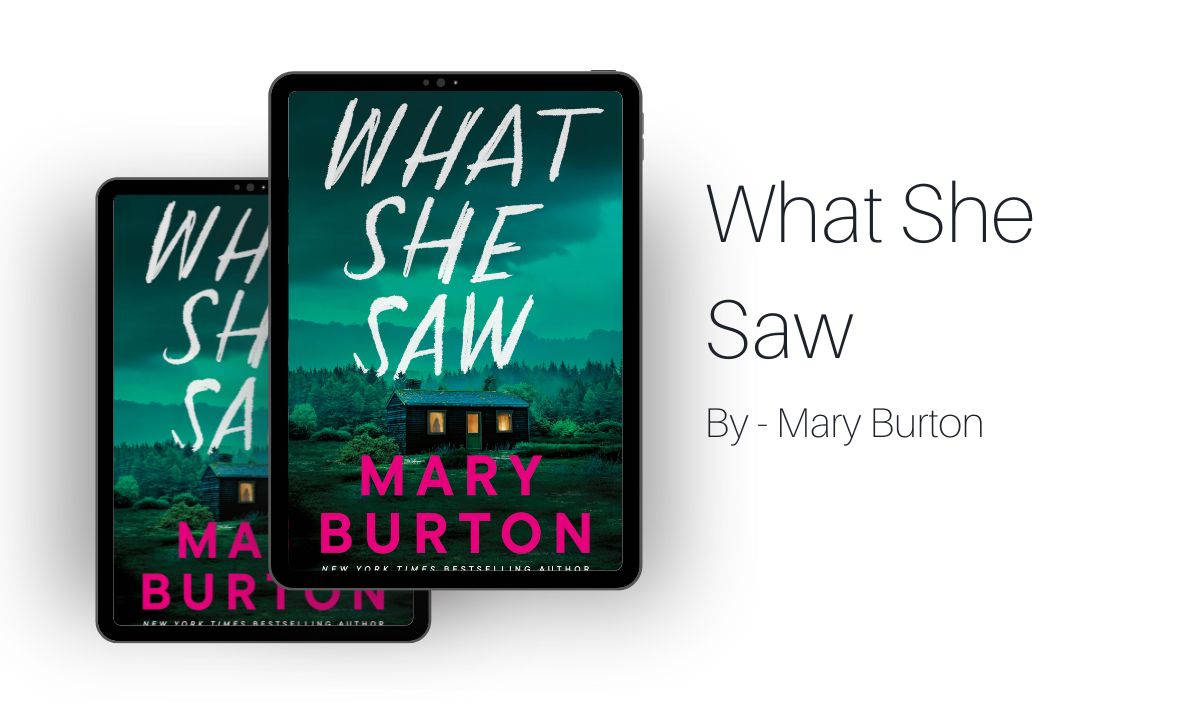
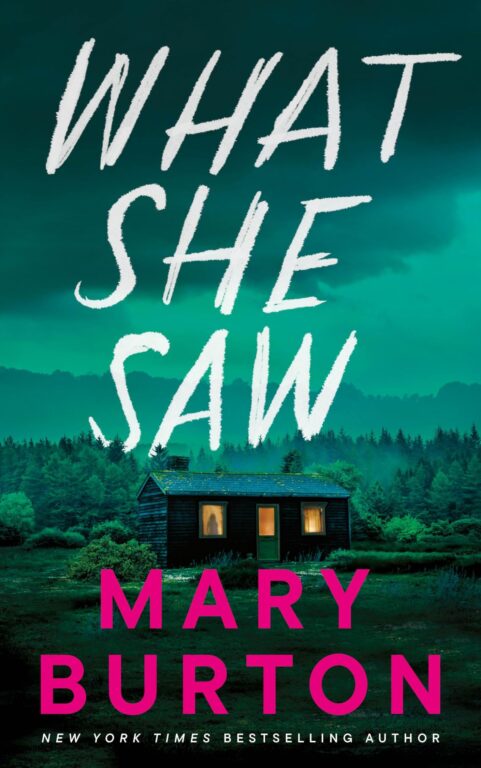
Mary Burton’s latest thriller, What She Saw, marries a classic small-town mystery with the momentum of a newsroom investigation. The hook is irresistible: four young women vanished from a 1990s mountain music festival in rural Virginia; no bodies were found, yet someone went to prison. Thirty years later, a reporter arrives to stir up the dust—and her reasons aren’t purely professional. The novel leans on Burton’s dependable strengths—tight pacing, layered suspicion, and an investigator whose personal stakes complicate every choice—while experimenting with structure through a dual timeline that lets the past argue with the present.
What the Book Is About (Without Spoilers)
Cold-case reporter Sloane Grayson comes to the town of Dawson with a mission that’s both public and private. Professionally, she’s there to revisit a notorious local tragedy: the disappearance of four women during the Mountain Music Festival three decades earlier. Officially, a promoter was convicted, but the conviction always felt precarious—no bodies, many assumptions, and plenty of lingering doubt. Personally, Sloane is chasing a ghost that has shadowed her entire life.
Burton toggles between two tracks: Sloane’s present-day digging—interviews, archives, and encounters with townspeople who both want answers and resent the questions—and the 1990s storyline that follows Sheriff Taggart as the festival unravels into chaos and the investigation swallows the town. The result is a braided narrative where each revelation in one time frame reframes what we think we know in the other. Expect misdirection, credible red herrings, and a steady tightening of the circle around who benefited, who stayed quiet, and why.
Plot Notes and Key Beats
- The return to Dawson: Sloane’s arrival is met with thin smiles and thick silences. People have moved on, at least publicly, but the town’s identity is inseparable from those four missing women.
- A conviction without closure: The man in prison is up for parole. That clock adds urgency to Sloane’s reporting—if the wrong person has been locked up, she has a narrow window to prove it; if he’s guilty, finding the bodies matters for the families and for the town’s uneasy peace.
- Evidence that won’t settle: Sloane encounters inconsistent statements, a handful of artifacts that never led anywhere, and gaps that hint at deliberate erasure. The past doesn’t just fade—it’s been managed.
- Sheriff Taggart’s burden (1990s timeline): Through Taggart, we experience the festival’s chaos and the aftermath—frantic searches, bureaucratic pressure, and the kind of investigative compromises that haunt an officer’s conscience. His chapters are the book’s emotional ballast, showing how good intentions can warp under heat.
- The personal reveal: Sloane’s connection to the case becomes clear as she chases phone records, old photos, and long-buried relationships. The personal and professional collide, pushing her to risk her credibility—and her safety.
- Endgame: Burton stacks late-stage reveals with brisk chapter turns. When the truth lands, it connects plausible motives with long-standing secrets, and gives a sobering look at how power protects itself.
What Works
A heroine who earns her answers. Sloane is capable and relentless without being invincible. Her reporting—cold calls, doorsteps, record pulls, re-interviews—feels authentic. She’s abrasive when she must be, empathetic when it helps, and frequently wrong in instructive ways. That human fallibility makes her wins satisfying.
Dual timelines with purpose. The past-present structure isn’t a gimmick. Taggart’s scenes don’t merely foreshadow; they build tension by showing how the initial investigation narrowed too quickly and how public clamor can distort procedure. Watching Sloane test those old assumptions creates a dialogue across decades.
Small-town texture. Dawson reads as a place where everyone knows who used to park behind the diner with whom. Burton uses that intimacy to complicate loyalties: a witness is also a neighbor; a suspect once sponsored the baseball team; a grieving parent sits across from someone who chose silence to keep a job. The stakes are communal, not just criminal.
Pacing built for “one more chapter.” Chapters are short, scenes end on questions, and reveals recalibrate our suspect list just often enough to keep momentum without exhausting the reader. It’s an easy book to inhale.
What Could Divide Readers
Tone over romance. Fans of Burton’s romantic-suspense titles will find the romance dialed down. The emotional core is grief, responsibility, and truth-telling rather than a central love story. That choice fits the subject but may surprise readers expecting a stronger romantic thread.
Sloane’s edges. Some will love her uncompromising approach; others may find her prickly. The character design feels intentional—this is the temperament that gets answers—but it can read as blunt in quieter moments.
The plausibility test. The book asks you to accept that a high-profile case generated a conviction without physical remains and that a town sustained a culture of omission for decades. The narrative supports that idea with motive and opportunity, though readers vary on how much imperfection they’ll allow in fictional police work.
Themes That Linger
Who gets to write the town’s story? Burton shows how investigations, newspapers, gossip, and official statements compete to become the “truth.” Sloane’s work isn’t only about finding a perpetrator; it’s about reclaiming the narrative from those who shaped it to suit their needs.
The cost of certainty. Taggart’s timeline is a study in pressure—political, personal, public. When a community demands answers, the impulse to deliver can compromise the quality of those answers. The novel is sympathetic to that human impulse while still condemning its consequences.
Inheritance of trauma. Sloane isn’t a detached sleuth. She’s a daughter of absence, and the case defines the contours of her life. Burton asks what justice means when your past is both a wound and a profession.
Verdict
What She Saw is brisk, engaging, and emotionally grounded—an investigative thriller that respects the craft of reporting and the complexity of memory. The split timeline is more than atmosphere; it’s the book’s engine, letting us feel both the panic of the first hours and the stubbornness of the last leads. If you’re in the mood for a cold-case mystery that values legwork, town lore, and the long half-life of secrets, this one delivers. Readers seeking a heavy romantic arc may find it understated, but those who come for a smart, propulsive puzzle with heart—and a payoff that ties the knots without neat bows—will be satisfied.