

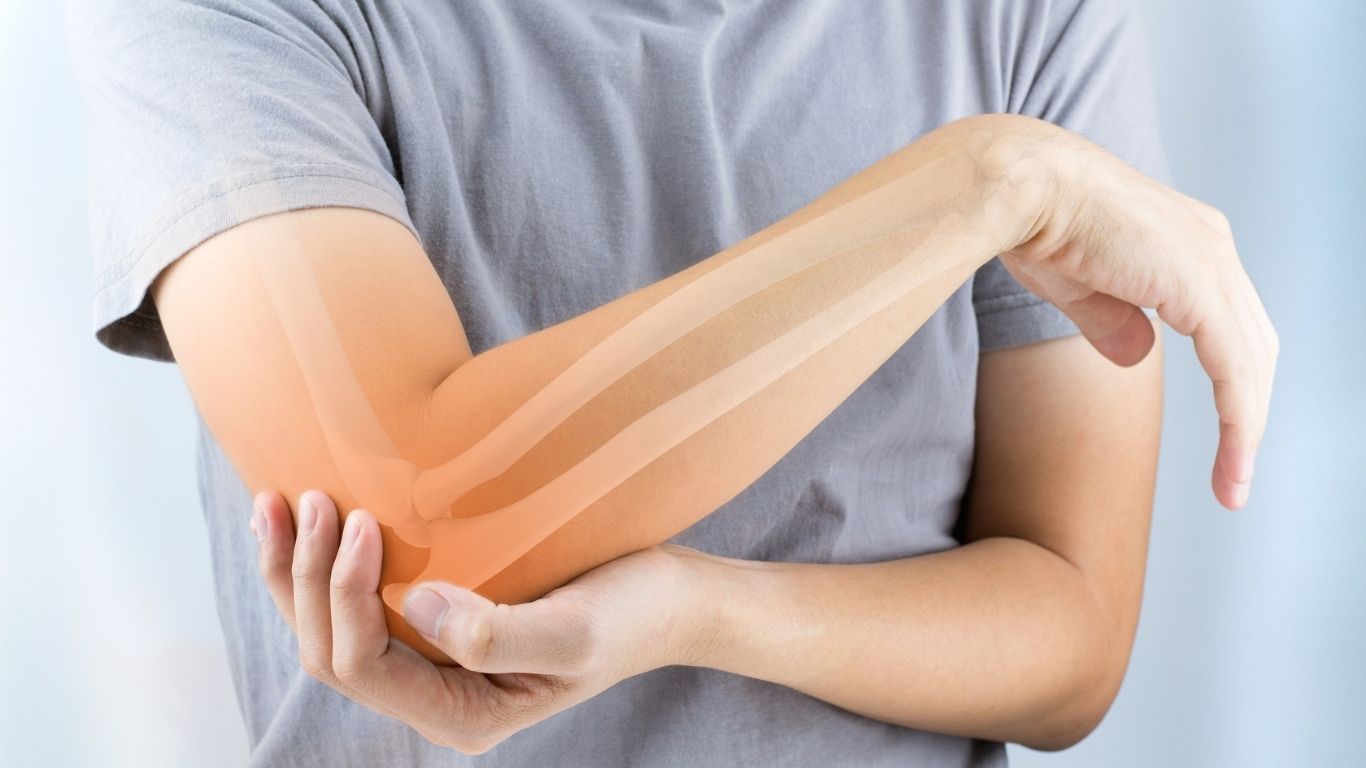
Everyone’s done it at least once: you swing your arm, clip the inside of your elbow on a table edge, and instantly regret existing. A sharp, electric zing shoots down your forearm and into your hand—usually into the ring finger and pinky—followed by that deeply weird mix of pain and tingling that makes you shake your arm like it’s possessed. People call it “hitting your funny bone,” but the only thing funny in that moment is how quickly your mood can collapse.
So what actually triggers the funny bone sensation? Why does it feel like a shockwave instead of a normal bruise? And why does it travel into your fingers like a message being delivered straight to your nervous system? Let’s break it down in a way that makes sense—without draining the humanity (or the humor) out of the science.
The “Funny Bone” Isn’t a Bone (That’s the First Plot Twist)
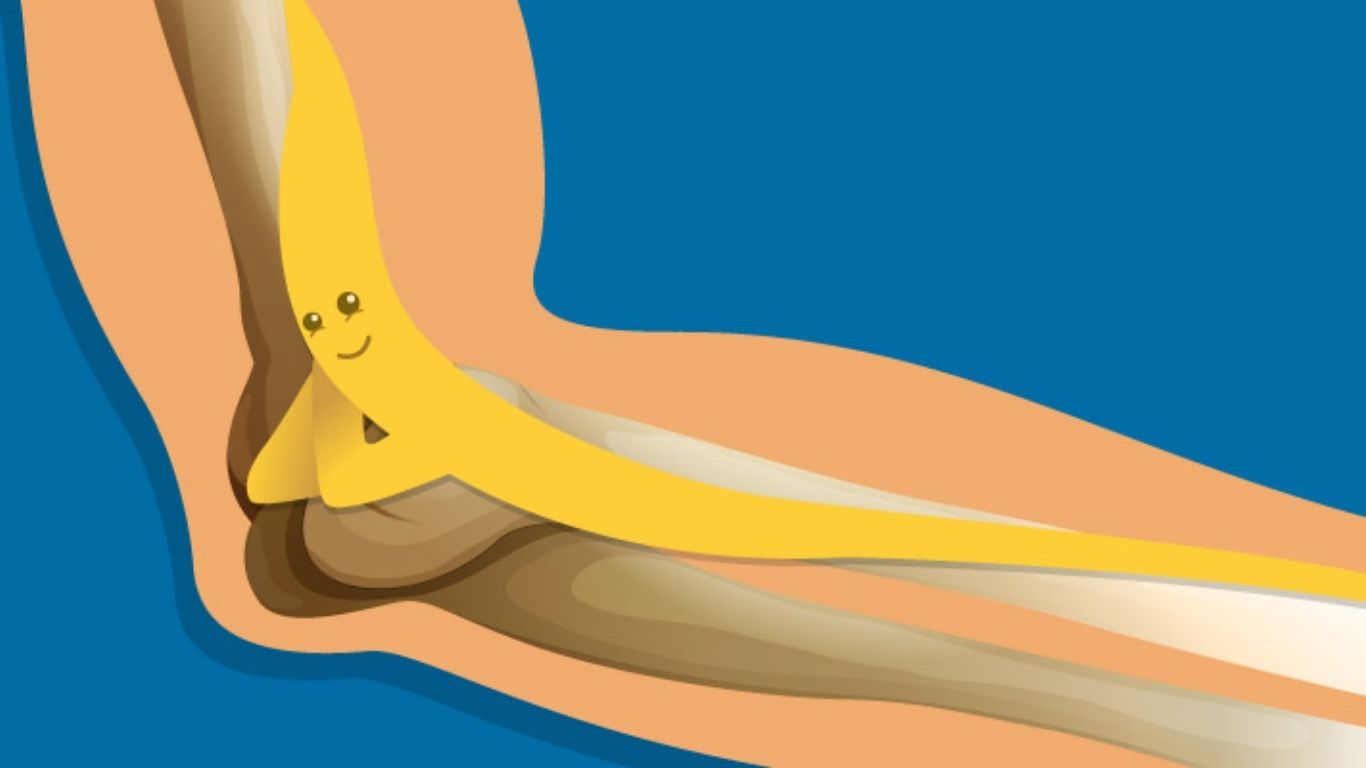
Despite the name, the funny bone isn’t a bone at all. It’s a nerve—specifically, the ulnar nerve. The reason it’s so easy to “hit” is because, at one specific spot near your elbow, this nerve becomes unusually exposed.
Most nerves in your body are cushioned by muscle and soft tissue. The ulnar nerve, however, takes a risky detour around the inner side of the elbow, passing close to the surface just behind a bony bump on your upper arm. There isn’t much padding there, which means when you knock that area, you’re not bruising muscle—you’re compressing a nerve directly against bone.
That sudden pressure is the real trigger behind the funny bone sensation.
Meet the Culprit: The Ulnar Nerve and Its Important Job
The ulnar nerve is one of the main nerves running from your neck down into your hand. Along the way, it controls sensation and movement in specific areas—most famously, the pinky finger and part of the ring finger.
This nerve plays a key role in:
- Sensation along the inner side of your forearm and hand
- Fine motor control, including grip strength and finger coordination
So when the ulnar nerve gets hit at the elbow, your brain doesn’t interpret it like a normal impact. Instead, it reads the signal as a nerve disturbance and sends that sensation along the nerve’s usual route.
That’s why a bump to your elbow shows up as chaos in your fingers.
Why It Feels Like Lightning Instead of a Bruise
Skin, muscle, and bone pain tend to stay localized. You hit your shin, your shin hurts. Simple.
Nerves don’t work like that. Nerves are the body’s electrical wiring. When you compress or irritate one, you’re not just causing pain at the point of impact—you’re disrupting the signals traveling through it.
That disruption can cause:
- A sharp, shock-like jolt
- Tingling or numbness
- Sensations that radiate far away from where the nerve was hit
This type of sensation is often described as “pins and needles,” but when it’s sudden and intense—like with the funny bone—it feels more like a mini lightning strike.
The Elbow’s “Danger Zone”
The ulnar nerve passes through a narrow area at the elbow often referred to as the cubital tunnel. This space is tight, and the nerve lies very close to the bone, especially near the inner elbow.
There’s another important detail: when you bend your elbow, the ulnar nerve stretches slightly. That’s why keeping your elbow bent for long periods—like when sleeping, holding a phone, or resting your head on your hand—can cause tingling even without a direct hit.
Put it all together, and the inner elbow becomes a perfect storm:
- A hard bony surface
- A nerve running close to the skin
- Limited cushioning
- Movement that stretches the nerve
In other words, it’s an anatomical weak spot just waiting to be accidentally attacked by door frames, chair arms, and countertops.
Why Your Fingers React Even Though Your Elbow Took the Hit
This part seems mysterious until you imagine the ulnar nerve as a long cable.
When you press or strike that cable at the elbow, the “static” travels along its length. Your brain is used to receiving information from the ulnar nerve that originates in the hand and fingers—especially the pinky and ring finger—so it interprets the disturbance as coming from those areas.
That’s why your fingers tingle, burn, or go numb even though nothing touched them.
Your brain is basically misreading the signal’s return address.
Why Is It Called the “Funny Bone,” Anyway?
There are two reasons the name stuck—and both are oddly fitting.
First, there’s a classic wordplay explanation. The nerve runs close to the humerus bone (your upper arm bone), and “humerus” sounds like “humorous.” Over time, that linguistic coincidence turned into a common phrase.
Second, the sensation itself is genuinely strange. It’s painful, but not like a cut or bruise. It tingles, shocks, and radiates. That weirdness earns it the label “funny” in the sense of “odd” or “peculiar.”
So yes—part anatomy lesson, part bad pun, part universal childhood trauma.
When It’s More Than a Moment: Cubital Tunnel Syndrome
Most funny bone incidents are harmless and short-lived. The pain fades, the tingling disappears, and life moves on.
But when the ulnar nerve is irritated repeatedly, it can lead to cubital tunnel syndrome, a condition caused by ongoing compression or stretching of the nerve at the elbow.
Common warning signs include:
- Frequent numbness or tingling in the pinky and ring finger
- Symptoms that worsen when the elbow is bent
- Tingling that shows up at night
- In more advanced cases, hand weakness or reduced grip strength
Everyday habits can contribute to this without you realizing it:
- Leaning your elbows on hard surfaces
- Sleeping with your arms tightly bent
- Repetitive elbow movements throughout the day
When these patterns continue, the nerve doesn’t get a chance to recover.

How to Calm the Nerve and Prevent Repeat Episodes
For the occasional elbow knock, time is usually enough. The nerve settles down, the sensation fades, and you’re back to normal.
If you notice tingling happening more often, especially without hitting your elbow, small changes can help:
- Avoid resting your elbows on hard surfaces
- Adjust sleep positions to keep your arms more relaxed
- Take breaks from activities that keep your elbows bent for long periods
If numbness, pain, or weakness becomes frequent or persistent, it’s worth seeking medical advice. Nerves can recover, but prolonged compression isn’t something to ignore.
The Real Trigger, Explained Simply
So what really triggers the funny bone?
It’s not a bone. It’s not a mystery pain. It’s this:
You compress the ulnar nerve against bone at a vulnerable spot in the elbow, disrupting its electrical signals. Your brain interprets that disruption along the nerve’s pathway, sending shock-like sensations into your forearm and fingers.
Once you understand that, the whole experience feels less mysterious—and slightly more unfair, considering how exposed that nerve is.
Still, there’s something fascinating about it. One accidental bump, and your body gives you a live demonstration of how nerves transmit information.
Just maybe… next time, keep your elbow out of the blast zone.