
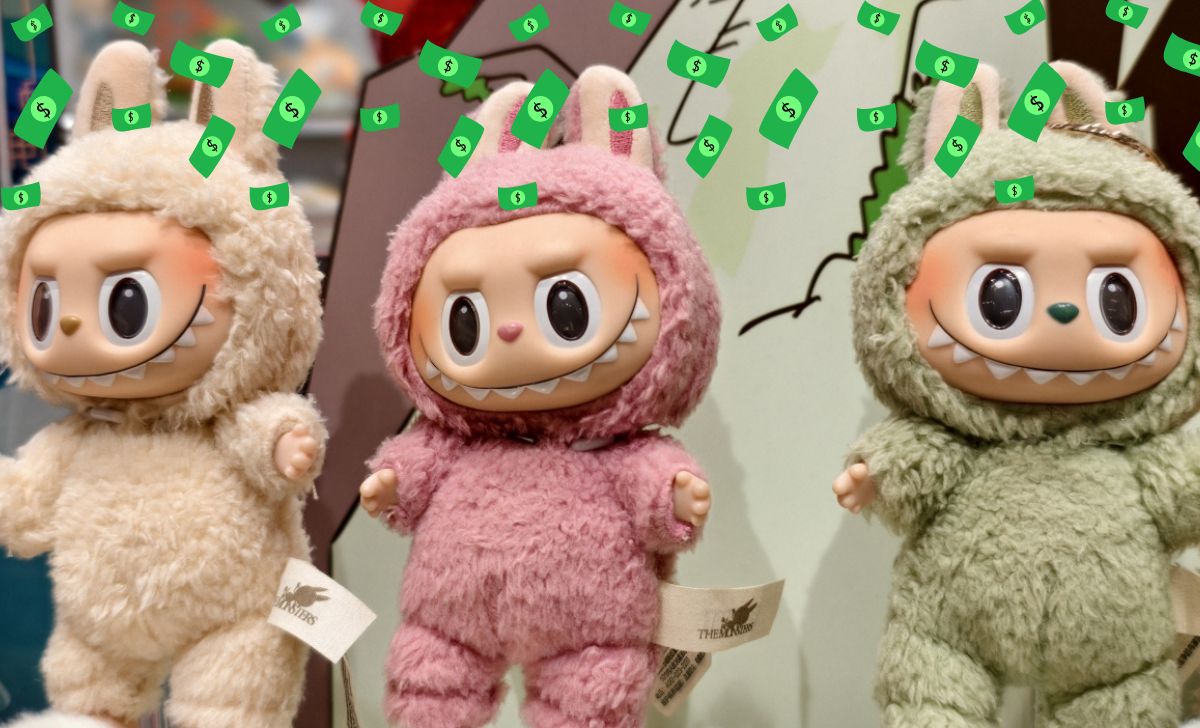
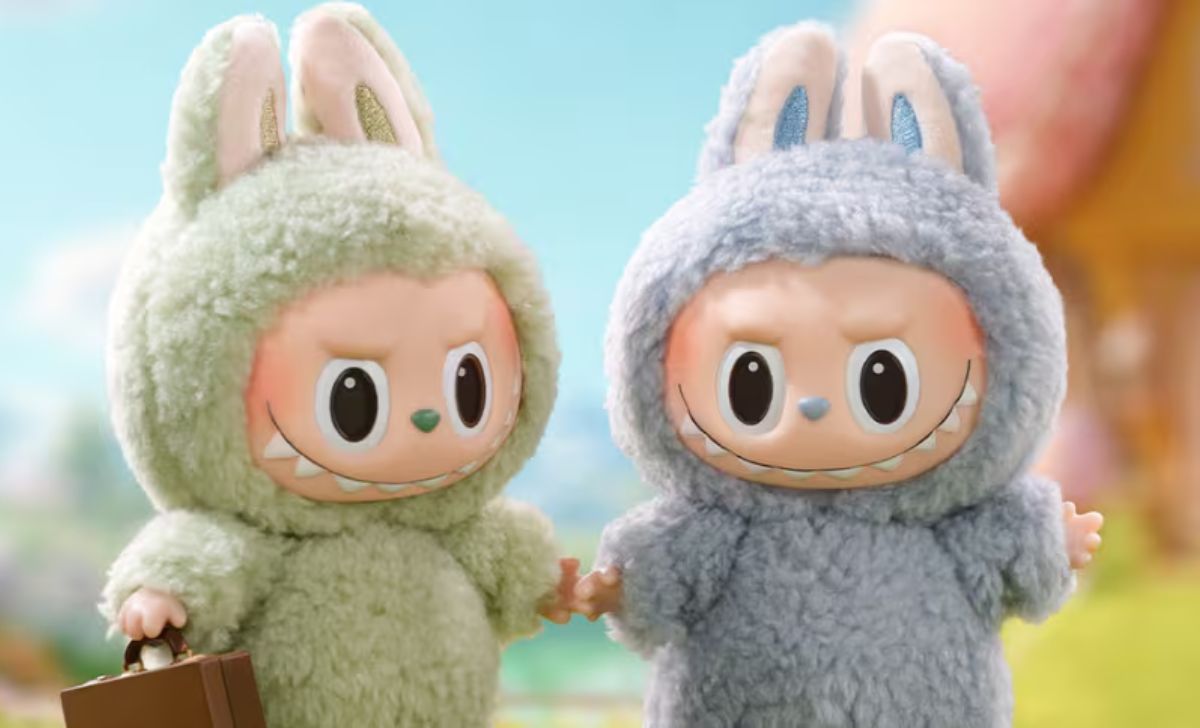
Labubu—the quirky, wide-eyed, rabbit-like creature created by artist Kasing Lung—has become more than just a collectible toy. It’s a cultural phenomenon. Fans line up for hours, pay premium prices, and even battle resale markets just to get their hands on one. But why does a small vinyl figure command such a high price? The answer isn’t as simple as “people just want it.” It’s a mix of design, scarcity, emotional connection, and clever marketing. Let’s break down what makes Labubu so expensive and what lessons brands can learn from it.
The Story Behind Labubu
Before diving into price tags, it’s important to understand where Labubu comes from. Labubu isn’t mass-produced like everyday toys; it’s an art figure born from Kasing Lung’s illustrations and collaborations with Pop Mart, a giant in the blind-box collectible world. Each Labubu carries with it not just plastic but also artistry, imagination, and exclusivity.
This backstory already sets the stage for higher perceived value. When buyers know they’re purchasing a designer figure with a narrative attached, they see it as art rather than just a toy. And art has always commanded higher prices.
Scarcity: The Power of Limited Editions
One of the biggest reasons Labubu is so expensive is scarcity. Pop Mart and Kasing Lung release Labubu in limited runs, sometimes in blind-box formats where buyers don’t even know which version they’ll get. That uncertainty fuels demand.
- If there are only 500 pieces of a certain Labubu worldwide, collectors know they’re competing against thousands of fans.
- This scarcity drives resale values sky-high, often several times the retail price.
It’s the same principle that keeps sneakers like Air Jordans or luxury handbags in demand. Scarcity makes the product feel rare, and rarity naturally justifies a premium.
Emotional Attachment and Identity
Labubu isn’t just a figure; it’s a character with personality. Its mischievous, slightly creepy-yet-cute design speaks to fans who love its oddness. Collectors don’t just buy it because it’s rare—they buy it because it feels like a piece of themselves.
Psychologically, when people attach identity to an object, price becomes secondary. Labubu lovers often describe it as comforting, nostalgic, or even rebellious against traditional “cute culture.” That emotional weight inflates its value in the eyes of fans.
The Blind Box Effect: A Marketing Masterstroke
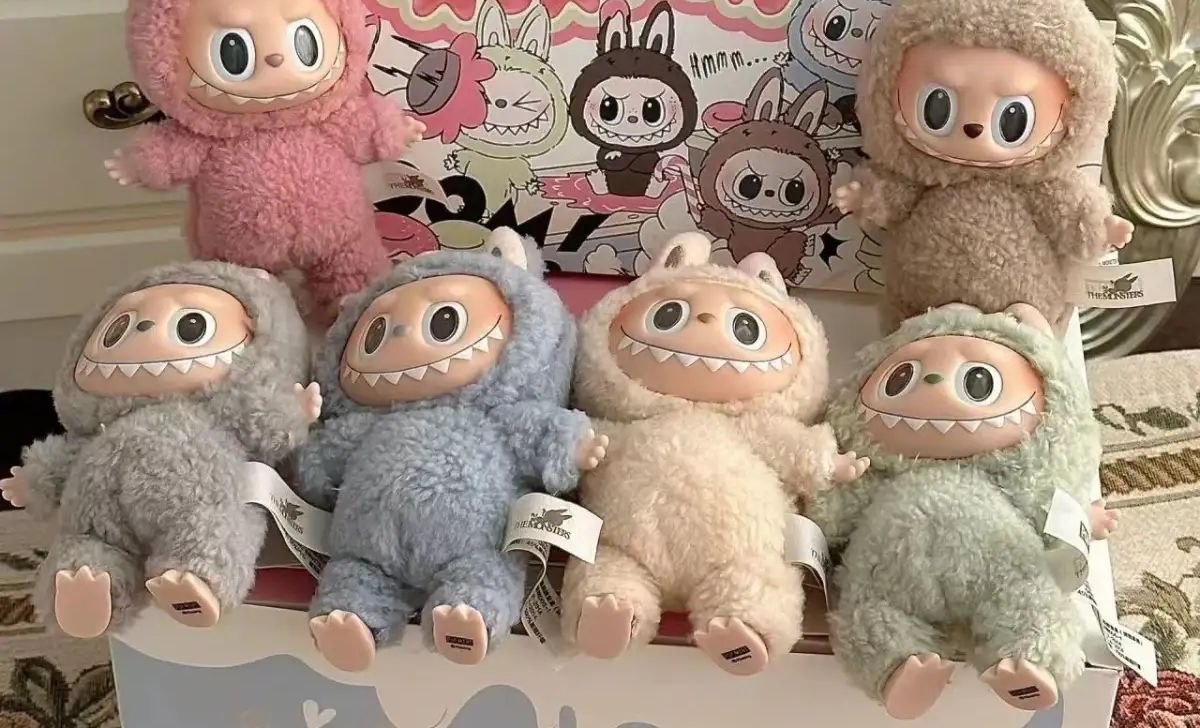
Pop Mart’s marketing strategy for Labubu deserves its own spotlight. The brand popularized the blind box model—customers buy a sealed box without knowing which figure they’ll get. This taps into psychology in a few key ways:
- Surprise Factor – Opening a blind box feels like opening a gift. The excitement creates emotional reward.
- Completion Drive – Collectors feel compelled to buy more boxes to complete a series.
- Secondary Market Thriving – Fans trade or resell duplicates, which keeps the buzz alive.
This strategy transforms a simple purchase into an ongoing game, making people spend more than they planned. From a marketing perspective, it’s brilliant. It keeps demand consistently higher than supply.
Design as a Value Driver
Kasing Lung’s design philosophy plays a massive role. Labubu isn’t polished and perfect—it’s intentionally strange. Its oversized teeth, expressive eyes, and unusual costumes make it stand out. Unlike mass-market toys, each edition has its own theme: fairy tales, animals, fantasy characters, even seasonal releases.
Because each design feels like a collectible piece of art, fans don’t see them as disposable. Instead, they see them as long-term keepsakes. This design-driven perception elevates Labubu into the realm of collectible art, where pricing naturally spikes.
The Resale Market: Fueling the Fire
If you’ve tried to buy Labubu, you know the struggle. Figures often sell out within minutes of release, and resale prices can skyrocket on secondary markets like eBay or local collector groups.
Here’s the cycle:
- Labubu drops at retail (often $10–$20 per blind box).
- Scarce figures are pulled out and flipped for hundreds.
- New collectors see the hype and want in.
- Demand outpaces supply, fueling even higher resale prices.
This resale market doesn’t just affect price—it creates prestige. Owning a rare Labubu signals dedication and status within the collector community.
Cultural Hype and Community
Another factor in Labubu’s value is community. Collectors don’t just buy and display them in isolation. They join groups, attend Pop Mart events, trade online, and show off their collections. This sense of belonging gives Labubu an added layer of social value.
When people see Labubu not just as a figure but as a passport to a community, they’re more willing to pay higher prices. From a marketing perspective, Pop Mart’s cultivation of fan culture is genius—it turns customers into loyal advocates.
Lessons for Marketers: Why Labubu Works
Labubu’s success isn’t random—it’s a masterclass in branding and consumer psychology. Here are key takeaways for businesses:
- Scarcity Creates Urgency – Limited editions and timed releases keep demand hot.
- Emotional Connection Matters – Products that speak to identity can charge premium prices.
- Gamify the Buying Experience – Blind boxes add excitement and repeat purchases.
- Design Beyond Functionality – Unique, artistic design elevates products into collectibles.
- Build a Community – A strong fan culture sustains long-term growth and keeps hype alive.
Brands in fashion, tech, and even food can learn from this model. When you make a product feel rare, personal, and part of a bigger culture, people are willing to pay more.
The Psychological Theory Behind the Pricing
If we break it down into theory, Labubu’s pricing success can be explained through a mix of:
- Scarcity Principle – People value things more when they’re rare.
- Endowment Effect – Once collectors own a Labubu, they value it more highly simply because it’s theirs.
- FOMO (Fear of Missing Out) – Missing one edition can haunt collectors, pushing them to overspend later.
- Social Proof – Seeing others flaunt their collections validates the purchase.
Labubu sits at the intersection of all these psychological drivers, making it an irresistible collectible.
So, Is Labubu Worth It?
From a purely financial standpoint, Labubu might seem overpriced for a piece of vinyl. But worth isn’t just about materials—it’s about meaning. For fans, Labubu is a blend of art, culture, identity, and joy. And that’s why it commands such a premium.