
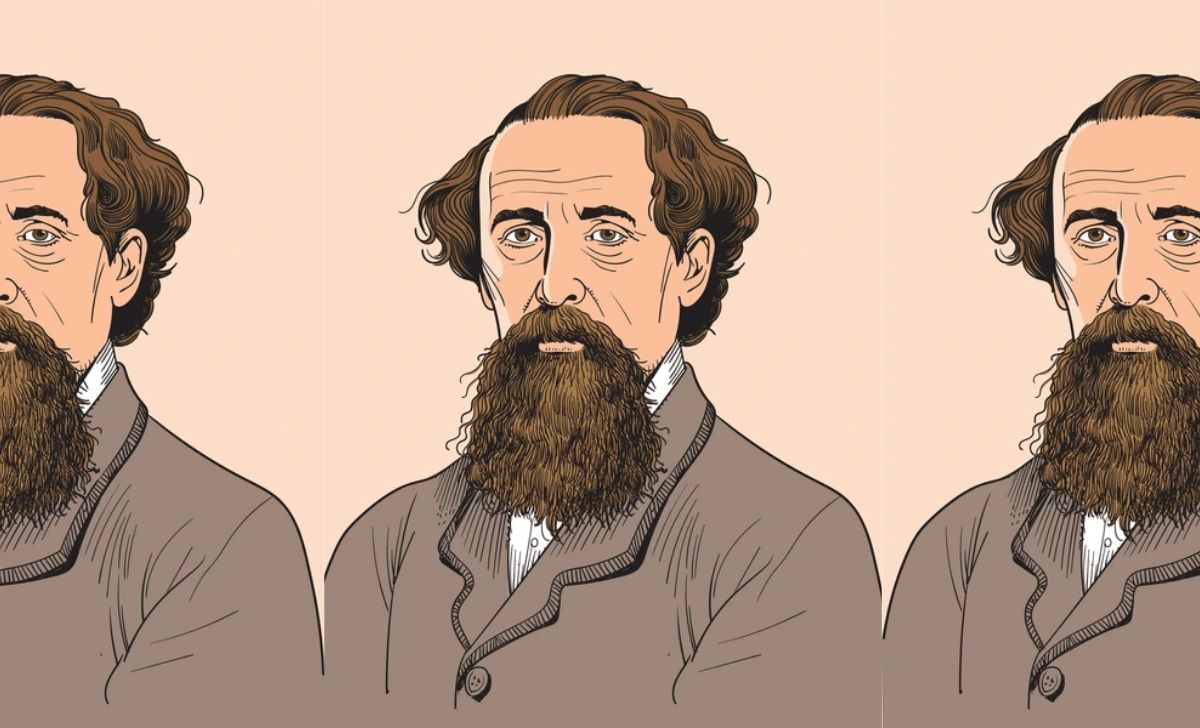
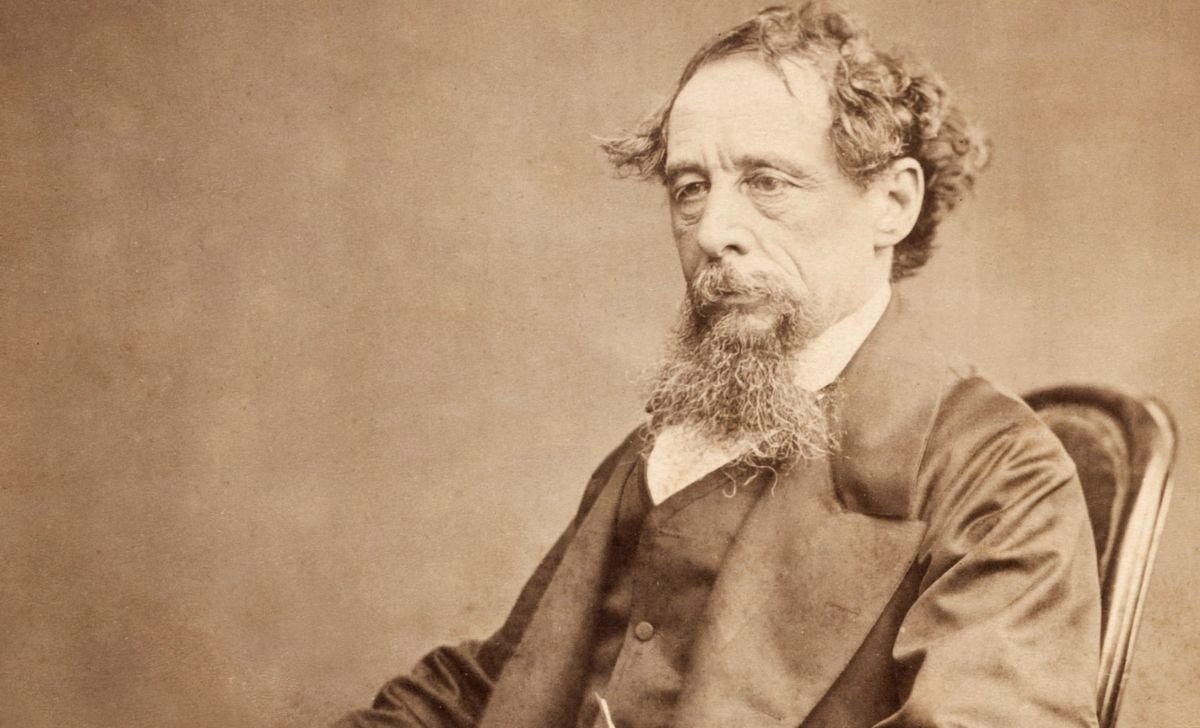
Charles Dickens has been gone for over a century, yet his characters still live on vividly in our collective imagination. Think of the starving orphan asking for more gruel, the spinster forever trapped in her wedding dress, or the miser haunted by his past—these are not just fictional figures; they are cultural icons. Dickens’s works gave rise to an entire adjective: Dickensian. But what exactly made Charles Dickens writing so distinctive and unforgettable?
A Master of Suspense: Serialization and Storytelling
One of the most remarkable features of Dickens’s writing is the way he structured his stories. His novels were originally published in serialized form—released chapter by chapter in literary journals. This format meant that readers received only a small portion of the story at a time, and Dickens made sure each installment left them wanting more.
Cliffhangers, shocking revelations, and twisting plots became his signature tools. Serialization didn’t just expand his readership—it made him a literary sensation. Readers would speculate wildly between installments, eager to find out what happened next. This episodic structure kept readers emotionally invested and helped Dickens cement his status as a household name.
The Wit Behind the Words: Humor and Characterization
Dickens had a gift for injecting humor into even the bleakest of tales. His wit often shone through in the eccentric personalities he created. Each character, no matter how minor, seemed to leap off the page. Their names alone were unforgettable and often symbolic: the downtrodden Bob Cratchit, the slippery Uriah Heep, and the exuberant Septimus Crisparkle. These weren’t just names—they reflected personality traits, social status, or moral alignment.
But Dickens didn’t stop at caricature. He painted complex portraits that revealed the absurdity, desperation, and resilience of human nature. His characters, while whimsical or exaggerated at times, always held a mirror to society.
A Social Critic in Fiction’s Clothing
Though his stories were fictional, Dickens never strayed far from the real world. His novels delved deep into the social realities of Victorian England, especially the lives of those who were often ignored: the poor, the imprisoned, the orphaned.
Dickens knew hardship firsthand. As a child, he was forced to work in a blacking factory after his father landed in debtors’ prison. This experience left a permanent mark on him and later fueled the authenticity of his work. For instance, Little Dorrit features the Marshalsea prison, where the title character tends to her jailed father—a clear nod to Dickens’s own past.
Bleak Settings That Tell Bigger Stories
Many of Dickens’s most memorable stories take place in dark, even grim locations: slums, orphanages, prisons. These weren’t just backdrops—they were critical tools that exposed the suffering and injustice of the time.
In Nicholas Nickleby, the protagonist takes a job under schoolmaster Wackford Squeers, only to discover a horrifying truth: Squeers runs a fraudulent school where unwanted children are abused and neglected for profit. Similarly, in Oliver Twist, we follow a young orphan forced to plead for more food in a brutal workhouse before falling into the hands of a criminal gang in London.
These settings highlight the cruelty of a system that punished the poor rather than helping them, while also drawing attention to the resilience of those who endured such treatment.
A City of Contrasts: Dickens’s London
London wasn’t just a location for Dickens—it was a living, breathing character. He portrayed the city as both grim and glorious. It was dirty, crowded, and dangerous, yet also full of wonder, opportunity, and transformation.
This duality is especially evident in Great Expectations. The novel follows Pip, an orphan whose life is transformed when a mysterious benefactor catapults him into high society. As Pip navigates his new world, he struggles to hold on to his values and identity. The characters he meets—some supportive, others deceitful—reflect the murky blend of hope and corruption that defined Dickens’s view of London.
Hope, Loss, and the Search for Identity
A recurring theme across Dickens’s works is instability. His protagonists—especially orphans like Pip or Oliver—are often tossed between poverty and wealth, isolation and connection, despair and redemption. These shifting fortunes keep readers on edge and emotionally tied to the characters’ journeys.
Even as his stories explored loss, trauma, and societal failure, Dickens often offered resolution and redemption. He had a firm belief in the power of love, family, and personal growth, and many of his characters eventually find peace, justice, or belonging.
The Mystery He Never Solved: Edwin Drood
Dickens typically wrapped up his novels with satisfying conclusions. But there’s one haunting exception: The Mystery of Edwin Drood. This novel was left unfinished when Dickens died, and he left no outline or clues about how it was supposed to end.
The story revolves around the mysterious disappearance of the orphan Edwin Drood under suspicious circumstances. The incomplete nature of the book has sparked endless debate among scholars and fans. Was Drood murdered? Who was responsible? Dickens’s untimely death turned the story into a real-life mystery that remains unsolved to this day.
The Dickensian Legacy: Grit, Humor, and Humanity
To describe something as Dickensian today often refers to squalid conditions or extreme poverty, but that barely scratches the surface of Dickens’s true impact. The term also carries a sense of adventure, depth, and the possibility of redemption even in the darkest of times.
Dickens’s writing remains timeless not because he sugar-coated reality, but because he confronted it with honesty, humor, and heart. He dared to shine a light on the forgotten corners of society, making his readers care deeply about characters that others might have dismissed.
Whether it’s through ghostly visitations in A Christmas Carol, the tragic resilience of Little Dorrit, or the shadowy ambitions in Great Expectations, Dickens never stopped asking big questions about justice, humanity, and hope. And more than a hundred years later, readers still find themselves captivated by those same questions—proof that his storytelling was truly built to last.