

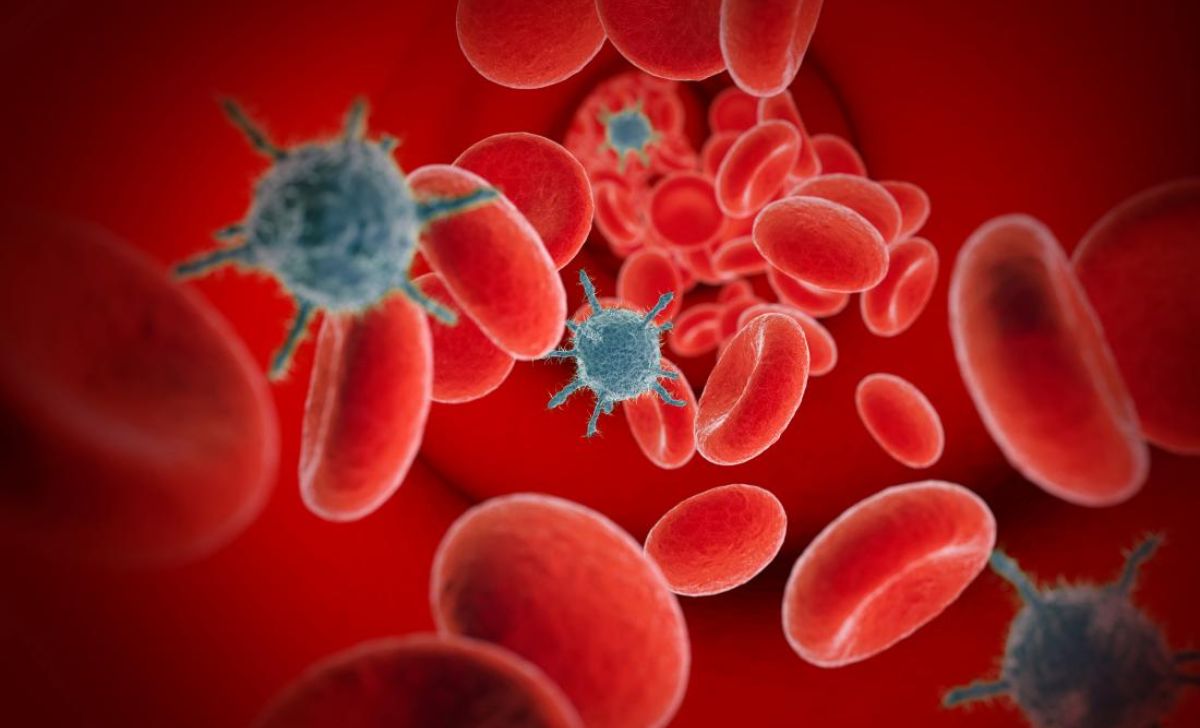
You’re riding the bus home from work when someone nearby coughs without covering their mouth. Within seconds, invisible droplets carrying a cold virus float through the air—and you unknowingly inhale them. What seems like a simple cough actually triggers a high-stakes battle deep inside your body. That tiny virus particle now faces the complex and powerful defense system of your cells. In this blog we will explain in simple language that what happens when a virus enters your body—and how your cells spring into action to fight back.
The Virus Lands in Your Lungs
Once you inhale the virus, it travels into your lungs and lands on the cells lining your airways. These cells are like tiny fortified castles, each surrounded by a flexible but protective barrier known as the cell membrane. This membrane, made of fats and proteins, is semipermeable, meaning it controls what enters and leaves the cell.
On the outside of this membrane are projections—miniature tools with various jobs like helping cells stick to each other or grabbing nutrients. While both animal and plant cells have cell membranes, only plant cells boast an additional rigid structure called the cell wall, which helps them stay upright.
A Sneaky Invasion Begins
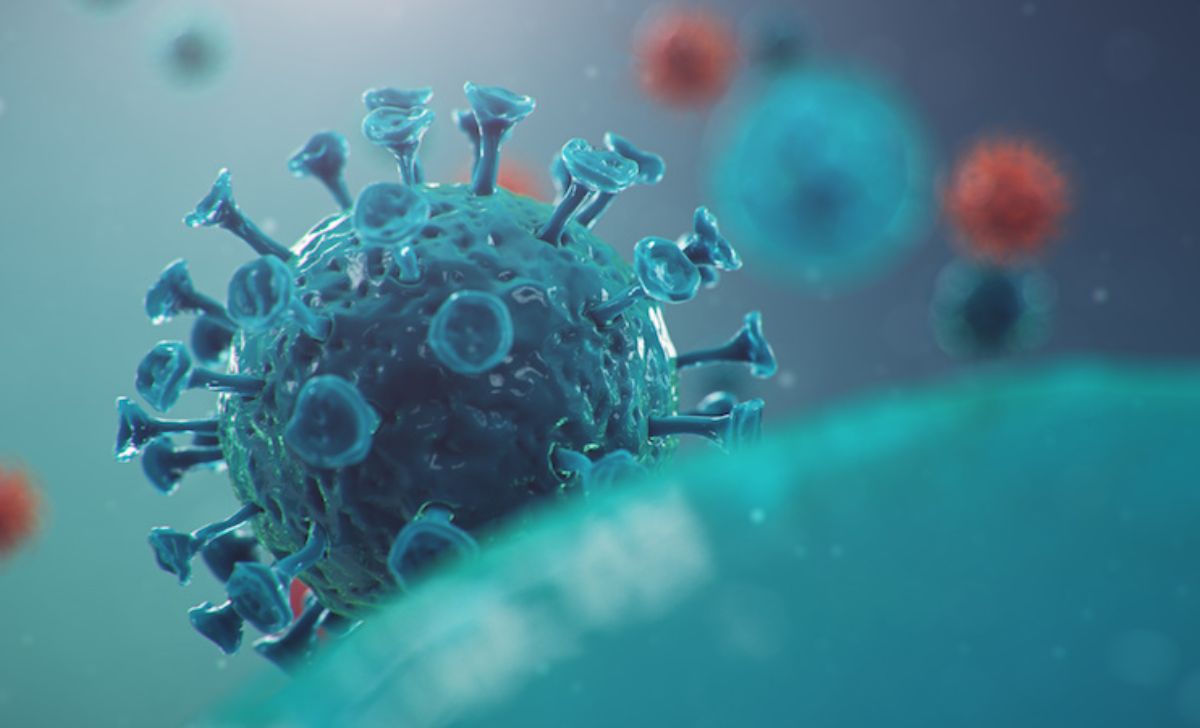
The virus is clever—it pretends to be something helpful. It attaches itself to one of those outer projections on the cell membrane. The unsuspecting cell lets the virus in. But once inside, the cell quickly realizes it made a mistake. An intruder has entered!
The cell doesn’t panic—it reacts. Specialized enzymes rush in to destroy the virus, slicing it into tiny fragments. Then, in a brilliant move, the cell displays one of those virus pieces on its surface to warn other nearby cells of the attack.
Neighboring Cells Gear Up for War
A nearby cell sees the warning and kicks into high gear. It now needs to create antibodies—special proteins designed to seek out and destroy the virus. To do this, it needs help from the most important part of the cell: the nucleus.
Inside the nucleus lies our DNA, which contains the master instructions for everything our body needs. Enzymes inside the nucleus search through this DNA to find the right recipe for making antibodies. Once found, they copy that specific set of instructions into something called messenger RNA (mRNA).
Building the Antibody Warriors
The messenger RNA exits the nucleus and travels to the ribosomes—tiny machines inside the cell. A single human cell can have up to 10 million ribosomes, many of them located along the endoplasmic reticulum, a long, ribbon-like structure.
The ribosome reads the RNA instructions and begins to build the antibody, linking amino acids one by one to form the exact protein needed to fight the virus.
Packaging and Shipping the Antibodies
Once built, the antibody isn’t ready to battle just yet. It first heads to the Golgi apparatus, the cell’s post office. Here, it’s packaged into a bubble made from the same material as the cell membrane. The Golgi also gives the antibody specific instructions on where to go next.
When the antibody reaches the cell’s edge, its bubble fuses with the membrane and the antibody is released outside to hunt down the virus. The empty bubble doesn’t go to waste either—it’s recycled by lysosomes, the cell’s cleanup crew.

Where Does All This Energy Come From?
All of this action takes energy—and a lot of it. Enter the mitochondria, known as the powerhouse of the cell. Mitochondria take in oxygen (yes, that’s why we breathe) and combine it with electrons from the food we eat. This process forms water molecules and a high-energy compound called ATP (adenosine triphosphate).
ATP is the fuel that powers all cell functions—from building antibodies to cleaning up leftover parts. It’s what keeps every part of your body functioning.
In plant cells, energy is created a different way. Instead of mitochondria doing all the work, plants use chloroplasts. These green energy machines use sunlight, carbon dioxide, and water to create oxygen and sugar, which the plant uses as fuel.
A Complex System in Perfect Harmony
All the parts inside a single cell must work in harmony to keep it healthy and functional. Now imagine that coordination multiplied by 37 trillion—the estimated number of cells in the human body. Each one working tirelessly, communicating, creating, defending. All to keep you alive and well.