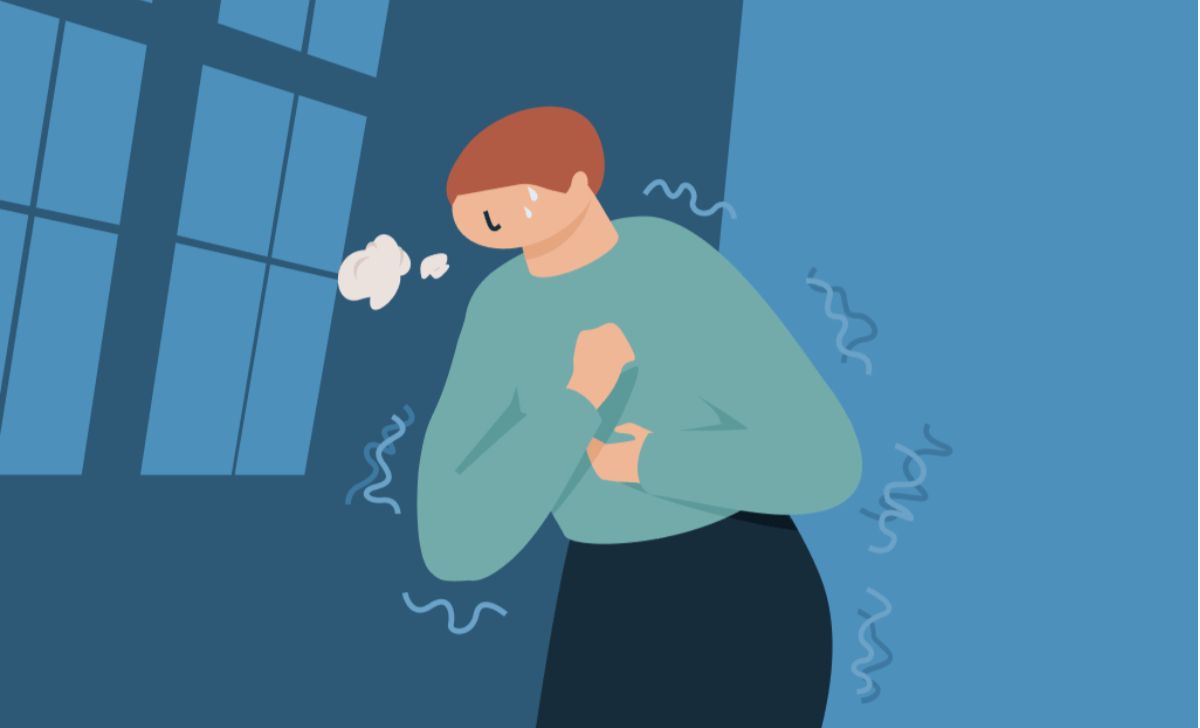
Imagine feeling like your body has turned into its own prison—your chest tightening, your heartbeat racing, your surroundings fading into a blur. Many people who experience a panic attack describe it as feeling like a heart attack or a sudden, life-threatening crisis. While panic attacks aren’t physically harmful in the long term, they can be terrifying and deeply disruptive. Worse, the fear of having another attack can trap someone in a cycle of anxiety that limits daily life. To break this cycle, the first step is understanding what panic attacks are, why they happen, and how they can be prevented.
What Is a Panic Attack?
A panic attack is a sudden surge of intense fear or discomfort that peaks within minutes and often comes without warning. It floods the body with overwhelming physical sensations: racing heartbeat, shortness of breath, chest tightness, dizziness, trembling, and numbness in the hands or feet. Many people feel detached from reality or themselves while it’s happening.
These attacks can be so powerful that nearly one in three people will experience at least one panic attack in their lifetime. And even though they pass on their own, they can leave behind a lingering fear of recurrence.
The Science Behind Panic Attacks: What’s Happening in the Brain and Body
At its core, a panic attack is an overreaction of the body’s normal “fight-or-flight” response—a survival system meant to protect us from real danger.
Here’s how it unfolds:
- The Amygdala Activates: This small brain structure processes fear. When it perceives danger, it sets off the sympathetic nervous system.
- Adrenaline Rush: The body releases adrenaline, which increases heart rate and breathing to send oxygen-rich blood to the muscles and brain—preparing you to fight or flee.
- Physical Symptoms Appear: In a panic attack, this response becomes exaggerated. The racing heart, rapid breathing (hyperventilation), and changes in blood flow can cause dizziness, lightheadedness, and tingling extremities.
- The Prefrontal Cortex Steps In: Usually, after about 10 minutes, the logical part of the brain takes over and activates the parasympathetic nervous system, which releases acetylcholine. This chemical slows the heart and gradually calms the body down.
In a panic attack, the body reacts as if danger is real—even when it’s not. The trigger can be unclear or subtle, but the response is anything but.
What Triggers Panic Attacks?
Researchers don’t fully know why panic attacks happen to some people and not others, but several factors are known to contribute:
- Traumatic Memories: Environmental cues that remind someone of a past trauma can spark a panic attack.
- Underlying Anxiety Disorders: Panic attacks often occur in people with PTSD, social anxiety disorder, obsessive-compulsive disorder (OCD), or generalized anxiety disorder.
- Stress and Major Life Changes: Ongoing stress, major transitions, or health concerns can increase vulnerability.
- Genetics and Brain Chemistry: Some people may be biologically more sensitive to stress hormones and fear responses.
When panic attacks become frequent, accompanied by constant worry about future attacks or lifestyle changes to avoid them, this pattern can develop into a panic disorder.

Evidence-Based Treatments: How to Break the Cycle
If panic attacks are interfering with daily life, professional treatment can be transformative. The two most widely used approaches are:
1. Antidepressant Medication
Antidepressants can regulate brain chemistry to reduce anxiety and panic symptoms. However, they come with possible side effects and a 50% relapse rate after stopping treatment. Some people respond well; others may not.
2. Cognitive Behavioral Therapy (CBT)
CBT has a longer-lasting impact and only about a 20% relapse rate. It helps people:
- Understand the physiological causes of panic attacks
- Practice breathing and muscle relaxation techniques to control the physical response
- Use cognitive restructuring to challenge catastrophic thoughts like “I’m dying” and replace them with realistic ones
- Gradually face bodily sensations or situations that trigger panic, teaching the brain that these are not actually dangerous
With practice, CBT gives people concrete tools to interrupt and de-escalate panic before it spirals out of control.
Everyday Strategies to Prevent Panic Attacks
Even outside formal therapy, you can reduce the risk of future panic attacks by adopting simple but powerful habits:
- Practice controlled breathing: Slow, deep breathing signals safety to the body and can stop hyperventilation.
- Ground yourself in the present: Use your senses to notice things around you—what you see, hear, and feel—to counter feelings of detachment.
- Stay active and rested: Regular exercise, good sleep, and balanced nutrition support overall mental health.
- Challenge fear-based thoughts: Remind yourself that fear is uncomfortable but not dangerous, and that panic will pass.
- Seek support: Talking to friends, family, or joining a support group can reduce the isolation that fuels anxiety.
Recognizing Panic Is the First Step in Preventing It
While panic attacks can be overwhelming, they are not life-threatening—and they are treatable. Understanding how they work removes some of their power. The next time one strikes, knowing what’s happening in your body can help you respond with calm rather than fear.
Whether it’s your first or your hundredth attack, remember: panic feeds on fear, but it fades in the presence of understanding. With the right knowledge, coping tools, and support, it’s possible to prevent panic attacks from controlling your life.