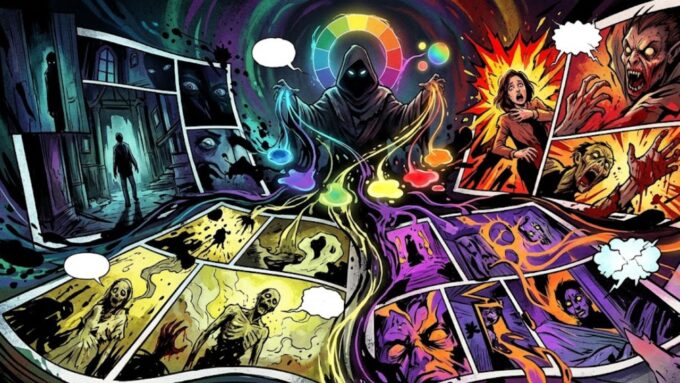

In the corner of a bustling city hospital, 76-year-old Margaret sat quietly by the window in her recovery room. Out of nowhere, her surroundings erupted into a spectacular display—brightly colored lanterns floated through the air, children danced in circles, and exotic animals pranced across the floor. The room shimmered with vibrant, shifting scenes straight out of a festival. But none of it was actually there. Margaret wasn’t frightened—just confused. She was completely blind and fully aware that what she was seeing wasn’t real. Her memory was sharp, and she hadn’t taken any medications that might cause hallucinations. Yet, here she was, witnessing a vivid world her eyes could no longer see.
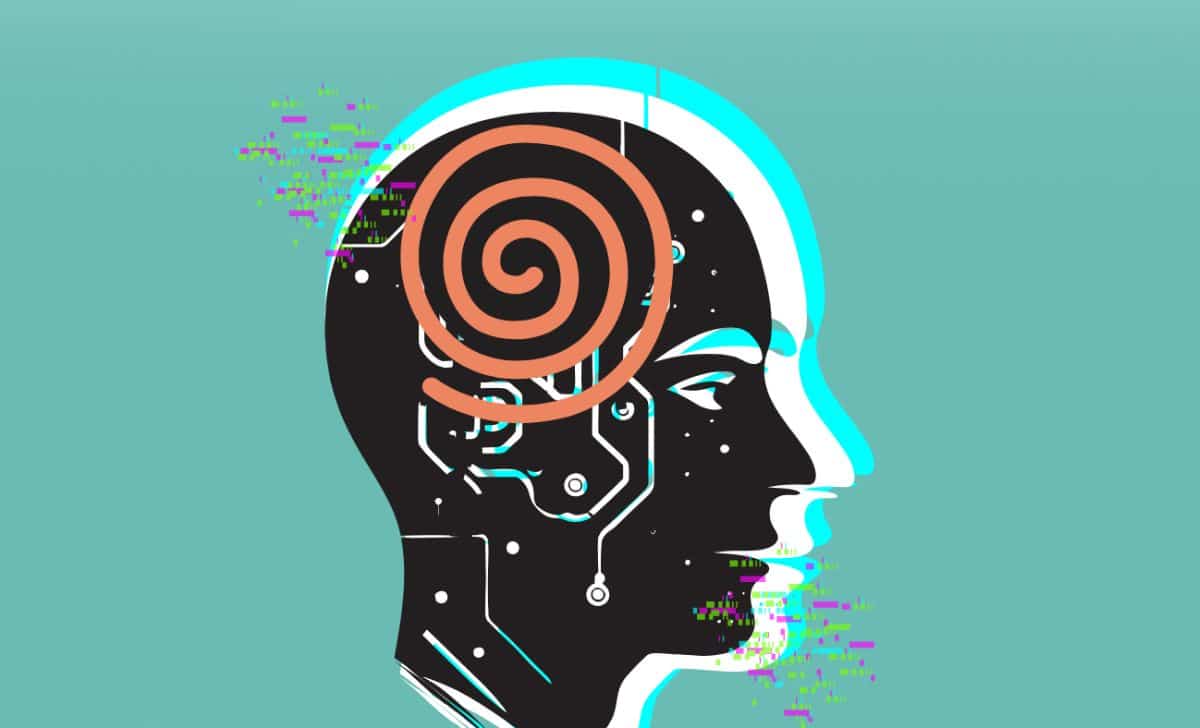
Margaret’s experience isn’t a mystery of the mind—it’s a well-documented phenomenon known as Charles Bonnet Syndrome. This rare condition shows how, even in total darkness, the brain can still paint elaborate visual stories using nothing but memory, imagination, and a deep need to see.
What Is Charles Bonnet Syndrome?
Charles Bonnet Syndrome (CBS) occurs in individuals who have lost their vision, either partially or completely, but previously had normal sight. In Rosalie’s case, she had lost her sight entirely. Yet her brain, lacking visual input, continued to “see.” The hallucinations weren’t simple flashes or shadows; they were detailed scenes—colorful, complex, and vivid. This phenomenon can last a few minutes or repeat over several years.
What’s remarkable is that these hallucinations aren’t a result of psychiatric illness, medication side effects, or cognitive decline. In fact, Rosalie’s mind was sharp. CBS affects people with strong mental faculties, making it both baffling and fascinating to doctors and researchers.
How the Brain Constructs Reality
To understand why CBS happens, we need to explore how the brain processes the world around us. Our brain doesn’t just record what the eyes see—it constructs a visual reality using incomplete information. For example, each of our eyes has a natural blind spot where the optic nerve meets the retina. We don’t notice this gap because the brain fills it in with guesses based on the surrounding image.
But what happens when the brain receives no input from the eyes at all? It still tries to create a picture—but now it’s working with memory, not fresh data. The hallucinations seen in CBS are likely the brain’s desperate attempt to maintain a visual world using stored images.
This is also why CBS only occurs in people who once had vision. Those born blind don’t experience these hallucinations—there are no past visuals in their memory to recreate.
A Hallucination Isn’t Just in Your Head—It’s in Your Senses
When someone experiences CBS, their brain activates the same visual regions that are triggered by real sight. This has been confirmed by fMRI scans. These hallucinations are not imagined in the way we daydream or picture something—they are processed by the brain the same way actual sensory input would be.
This tells us that hallucinations aren’t confined to people with mental health issues. They can arise from purely sensory problems, like hearing loss or blindness. People with hearing impairments, for instance, may hallucinate music, voices, or even complex sounds like marching bands.
Types of Hallucinations
Hallucinations can affect any of the senses and are classified into various types based on the sensory system involved. Auditory hallucinations involve hearing voices or sounds, while visual ones include seeing objects or people that aren’t there. Tactile (or somatic) hallucinations cause the false sensation of touch or movement on the body. Olfactory and gustatory hallucinations involve smelling and tasting things that aren’t present, respectively. Proprioceptive or presence hallucinations make individuals feel a false sense of movement or someone nearby. Some experiences are multimodal, combining multiple senses at once. Sleep-related types include hypnagogic (while falling asleep) and hypnopompic (upon waking). Lastly, pseudohallucinations are vivid but recognized as not real by the individual.
| Type of Hallucination | Sense Involved | Description |
|---|---|---|
| Auditory | Hearing | Hearing voices, music, or sounds with no external source; common in psychosis. |
| Visual | Sight | Seeing objects, people, lights, or scenes that aren’t actually there. |
| Tactile (Somatic) | Touch | Feeling sensations like crawling insects, pressure, or pain on the skin. |
| Olfactory | Smell | Smelling odors (e.g., smoke, chemicals, rot) that have no physical source. |
| Gustatory | Taste | Tasting things (often metallic or bitter) without any food in the mouth. |
| Proprioceptive/Presence | Body Awareness | Sensing movement (e.g., floating) or a presence nearby with no one around. |
| Multimodal | Multiple Senses | Involves two or more senses at once (e.g., seeing a figure and hearing it). |
| Hypnagogic | Various (during sleep) | Occurs while falling asleep; often visual or auditory. |
| Hypnopompic | Various (during waking) | Happens upon waking; may involve voices or visions. |
| Pseudohallucination | Any | Vivid sensory experience recognized by the person as not real or external. |
Hallucinations from Other Causes
CBS isn’t the only way hallucinations arise. A wide range of conditions and substances can lead to similar experiences:
- Recreational and therapeutic drugs like LSD and psilocybin (magic mushrooms)
- Neurological disorders such as epilepsy or narcolepsy
- Mental health conditions, especially schizophrenia
Each of these has a different underlying mechanism, but they all share one trait: they activate the same sensory regions in the brain as real-life perception.
The Wild World of Drug-Induced Hallucinations
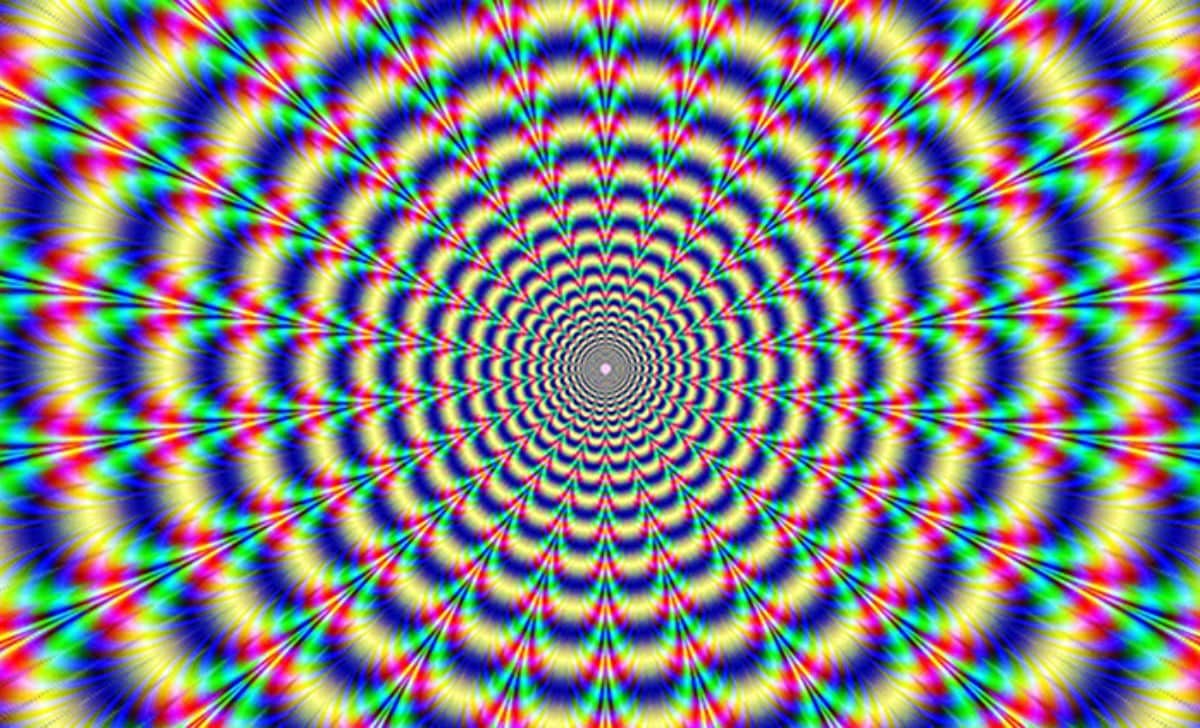
Psychedelic drugs like LSD and psilocybin are perhaps the most well-known causes of vivid hallucinations. Users often describe seeing surfaces “breathe,” objects melt, and kaleidoscopic patterns dance across their vision. At high doses, these hallucinations span across all five senses—not just sight.
What’s happening in the brain during these experiences? These substances mimic serotonin, a neurotransmitter that plays a key role in how we process sensory information. LSD and psilocybin bind to a specific serotonin receptor that helps integrate inputs from the eyes, ears, nose, and other sensory organs.
By disrupting this integration, the brain produces a sensory free-for-all: sights, sounds, and feelings that don’t correspond to anything in the external world.

A Link to Schizophrenia?
Interestingly, hallucinations in schizophrenia may arise from a similar mechanism. People with schizophrenia often have higher levels of serotonin in their brains. The medications used to treat them—antipsychotic drugs—block the very same serotonin receptors that LSD activates. This overlap suggests that visual and auditory hallucinations in schizophrenia and drug trips might not be as different as we once thought.
In fact, some of these drugs have even been used experimentally to treat the hallucinations of CBS, offering a glimpse into possible future treatments.
What Hallucinations Teach Us About the Brain
Despite the diversity in causes, hallucinations offer a single, powerful insight: the brain creates our reality. Whether triggered by vision loss, chemicals, or a neurological condition, hallucinations reveal that perception is a construction—one the brain assembles piece by piece.
By studying hallucinations, scientists can gain a better understanding of how sensory data becomes experience. Why do some brains fill in missing input with remembered images? Why do others produce bizarre, dream-like scenes during a serotonin surge? The more we explore these questions, the more we realize how deeply individual, complex, and creative our minds are.
Also Read: Why We Love to Be Scared: The Surprising Science Behind Fear and Fun