
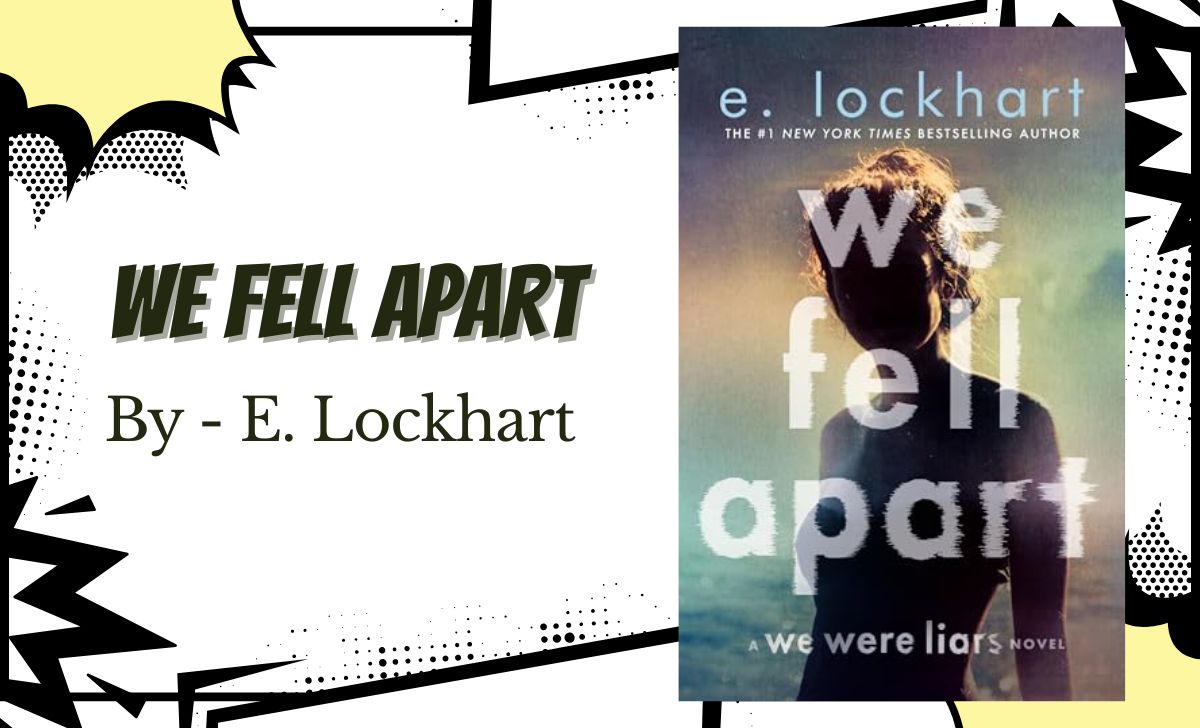
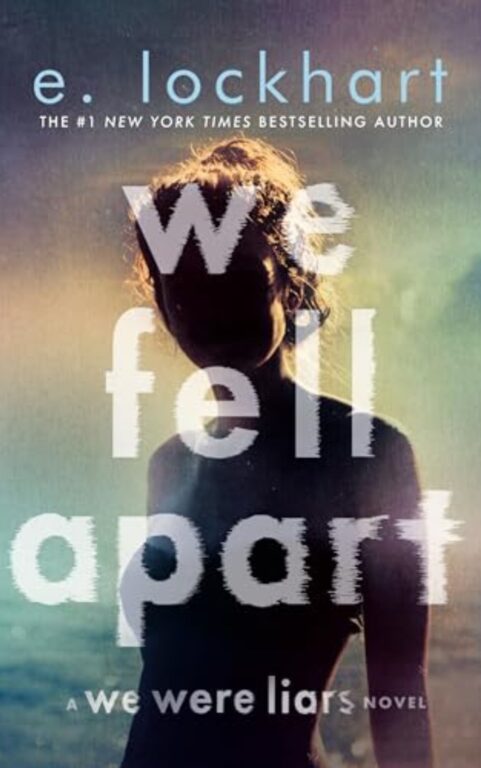
E. Lockhart returns to the shimmering, shadow-streaked world that made We Were Liars a phenomenon, but We Fell Apart stands on its own two feet. You don’t need to have read the earlier books to follow this one—though knowing the Sinclairs’ mythos adds extra flavor. What Lockhart offers here is a sharp, atmospheric “beach-gothic” story: a lonely girl, a crumbling seaside compound, a famous and absent father, and a summer that unravels every certainty she thought she had. It’s a book about inheritance in all senses—the money and houses, yes, but also the yearning, the damage, the talent, the lies, and the love that refuse to stay buried.
What It’s About (Plot Without Major Spoilers)
Matilda has grown up with a mother who is mercurial in love and light on answers. Then an email arrives from the father she has never met: Kingsley Cello—celebrated, reclusive artist—invites her to spend the summer at his private seaside place known as Hidden Beach. Matilda goes because who wouldn’t? She wants answers about where she comes from, about why he stayed away, and maybe a glimpse of the self she hasn’t yet figured out.
Hidden Beach isn’t just a house; it’s a compound with a brutalist, failing grandeur—an architectural statement that is literally falling apart. The estate is populated by an odd orbit of boys and men: a long-lost half brother with secrets of his own; a once-famous child actor nursing a past he can’t outrun; a watchful neighbor with storm-cloud vibes; and staff who seem to know more than they say. Then Kingsley goes missing, or perhaps he’s merely being Kingsley—impossible to pin down—and Matilda starts peeling back layers of the place and the people. Letters, art pieces, rumors, and contradictions accumulate. The more she learns, the less she trusts any single version of events—including the ones she wants to believe.
Lockhart paces the revelations with care. The novel braids a present-tense summer narrative with histories that seep in through art, anecdotes, and family lore. There’s romance here—tender, tense, not the point but far from incidental—and there’s a twist (you expected that, right?), but the pleasure is how the clues are hidden in plain sight, often inside the characters’ own performances of themselves.
What Works Especially Well
Atmosphere that hums. The setting is vivid enough to feel tactile: cliffs, salt wind, big sky, a pool that’s gorgeous and gross, rooms that echo with wealth, neglect, and memory. Lockhart’s sentences do a lot with a little—clean lines that still carry menace or ache. The island summer glamour collides with rot, and that dissonance powers the mood of the book.
A fresh lens on familiar territory. If you’ve read We Were Liars or Family of Liars, you’ll catch overlapping constellations—references to famous families, the weight of inherited money, the way a place can be a character. But We Fell Apart doesn’t just revisit earlier notes. It reframes the shared universe through Matilda’s “outsider-insider” status: she belongs by blood, not by upbringing, so she interrogates the assumptions that legacy kids treat as air.
Matilda as a narrator. She’s eighteen, wounded but wry, observant enough to notice the hairline fractures in every story she’s told. She’s also exactly the age where self-invention is both a necessity and a hazard. Lockhart captures that unstable cusp without condescension.
Art as evidence. Kingsley’s work isn’t just window dressing; the novel keeps asking who gets to tell the story, who gets preserved in paint or text, and what gets erased. The sculptures and canvases serve as a second archive of the family—sometimes clarifying, sometimes misleading. It’s a neat formal choice that suits a book about what endures.
Where It May Divide Readers
The “how” matters more than the “what.” Some thriller readers arrive only for a detonating twist. Lockhart does deliver turns, but the book’s strength is texture: voice, motif, pattern, implication. If you prefer a clue-hunt with a riddle every chapter, you might wish for a busier plot engine. The revelations are impactful, but the novel is interested in aftermath and meaning as much as mechanics.
Characters who speak in heightened cadence. Lockhart’s dialogue has a stylized edge—the way teens (and the very rich) sometimes perform themselves. I liked the precision of it, but if you’re allergic to slightly theatrical conversation, a few scenes may feel too polished.
Romance on a low simmer. There’s chemistry and payoff, but the love story rides shotgun to family mystery and identity. If you want the romance to dominate, you might feel underfed; if you like your romance braided into bigger questions, this balance works.
Themes to Watch
Inheritance and authorship. Matilda wants facts, but what she really craves is authorship: the right to write her own origin story. The book keeps circling who gets to define the narrative—parents over children, artists over their subjects, powerful families over the people they hurt—and how much courage it takes to contradict a tale that benefits everyone else.
Performance vs. authenticity. Several characters are former stars, current artists, or social performers. Hidden Beach itself is a performance of genius and privacy. Everyone is acting, even (especially) when they claim radical honesty. The suspense comes from asking: where does the act end?
Love that is chosen, not owed. One of the novel’s most affecting throughlines is the difference between genetic ties and earned family. Lockhart suggests that love can be both obligation and decision, and that choosing someone—romantically or familially—has more moral weight than any last name.
How It Fits the “We Were Liars” Universe
This isn’t a retread; it’s a companion that expands the map. Fans will enjoy the subtle callbacks, the way Lockhart uses familiar motifs (island isolation, dazzling parties with sharp edges, mythic self-mythologizing families) to tell a new story about a different kind of inheritance. The tone is recognizably Lockhart—saturated summer melancholy punctured by sudden clarity—but the mystery hangs on art and absence rather than a single catastrophic event. If We Were Liars cracked your heart with a thunderbolt, We Fell Apart loosens it with saltwater and time.
Verdict
We Fell Apart is compulsively readable and emotionally resonant—a smart, stylish mystery about money, memory, and making yourself. Come for the moody mansion and the missing artist; stay for a heroine learning what to keep, what to discard, and what to build from scratch. Readers who want rich atmosphere, thorny family drama, and a twist that re-colors earlier chapters will be satisfied. Readers who want a puzzlebox first and foremost may wish for more gears. I closed the book feeling like I’d stepped off the island with sand still in my shoes—and a few truths I wasn’t ready to name yet.