


Depression is more than just a fleeting feeling of sadness—it’s a complex and serious medical condition that affects millions of people around the world. In fact, it has become the leading cause of disability globally. In the United States alone, nearly 10% of adults struggle with it. Yet despite how widespread it is, depression is still often misunderstood. Understanding depression: a deep dive into the world’s leading cause of disability can help us see it for what it truly is, recognize its many forms, and learn how we can better support those who are suffering in silence.
Feeling Depressed vs. Clinical Depression
Almost everyone feels down now and then. A failed exam, a breakup, or even gloomy weather can stir up feelings of sadness. These emotional dips are usually temporary, disappearing as situations improve. However, clinical depression is something very different.
Clinical depression—or major depressive disorder—is a medical illness. It doesn’t simply vanish with time or positive thinking. For a person to be diagnosed, symptoms must persist for at least two consecutive weeks and must interfere significantly with daily life—whether it’s work, relationships, or self-care.
Recognizing the Symptoms of Depression
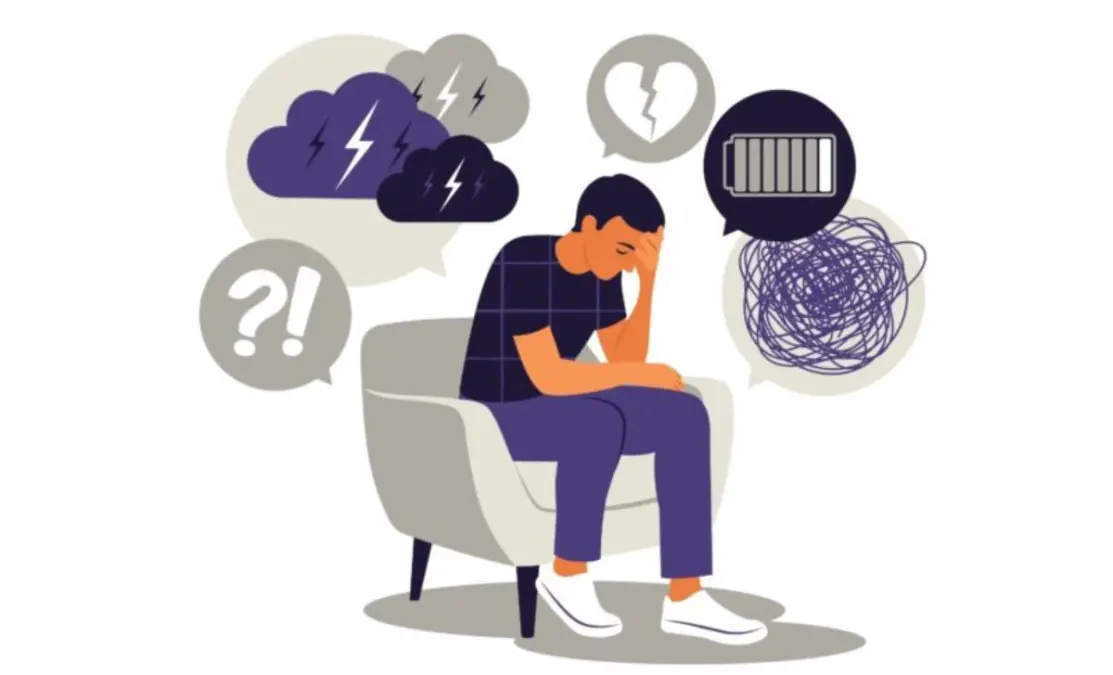
Depression doesn’t wear a uniform, and its symptoms can vary widely. According to psychiatric guidelines, a diagnosis typically involves at least five of the following symptoms:
- Persistent low mood
- Loss of interest in previously enjoyable activities
- Changes in appetite
- Sleep disturbances (either too much or too little)
- Feelings of worthlessness or excessive guilt
- Difficulty concentrating
- Restlessness or slowed movements
- Fatigue or loss of energy
- Recurring thoughts of suicide
These signs aren’t fleeting—they linger, disrupt lives, and make even basic tasks feel overwhelming.
What Happens in the Brain During Depression?
Depression doesn’t just affect emotions or behaviors—it physically alters the brain. Brain scans show changes that can be seen visually, such as smaller frontal lobes and reduced hippocampal volume. But the story goes deeper.
On a microscopic level, several brain functions are disrupted:
- Neurotransmitter imbalances: Levels of serotonin, dopamine, and norepinephrine—key chemicals for mood regulation—may be abnormal or depleted.
- Sleep disruptions: Depression affects circadian rhythms and alters REM and slow-wave sleep cycles.
- Hormonal changes: Elevated cortisol levels (the stress hormone) and thyroid hormone imbalances are also common.
Despite these findings, scientists don’t yet fully understand what triggers depression. It likely stems from a complex mix of genetics and environmental factors, and no current tool can reliably predict when or how it will strike.
Why Depression Often Goes Unseen
One of the most challenging aspects of depression is that its symptoms are invisible. A person may look fine on the outside while silently battling a mental storm. The National Institute of Mental Health reports that it can take over ten years for someone with a mental illness to seek help. This long delay is often due to misunderstanding, shame, or stigma.
Treatment Options: There Is Hope
Despite the darkness that depression brings, effective treatments do exist. Often, a combination of medication and therapy proves most helpful, working together to restore brain chemical balance and reshape harmful thinking patterns.
In more severe cases, electroconvulsive therapy (ECT)—which induces a controlled seizure in the brain—has shown to be highly effective. Newer techniques like transcranial magnetic stimulation (TMS) are also showing promise as treatment options.
But the first step is always the hardest. For someone with depression, even basic actions like making a phone call or finding a therapist can feel impossible. That’s where friends and family can play a crucial role.
How You Can Help Someone with Depression
Supporting someone with depression isn’t about offering advice or “fixing” them—it’s about being there. Here’s how you can help:
- Encourage treatment: Gently suggest therapy or a doctor’s visit.
- Offer concrete help: Help them look up local therapists or jot down questions to ask a professional.
- Remind them it’s medical: Just like asthma or diabetes, depression is a condition—not a weakness.
- Don’t minimize their experience: Avoid comparing their pain to your own “down” days.
- Open up the conversation: Talking about depression helps remove stigma. Even asking about suicidal thoughts doesn’t increase risk—it actually lowers it.
Sometimes, just knowing that someone cares can be a lifeline.

Breaking the Silence Around Mental Health
The more we talk openly about depression, the easier it becomes for people to ask for help. With increased awareness and support, more individuals seek treatment—and that fuels further research and improved therapies.
Depression might be one of the most common mental health issues, but with empathy, education, and the right resources, it doesn’t have to be a life sentence. The path to healing begins with understanding—and with compassion.
Also Read: How the Stock Market Was Born—and How It Works Today