

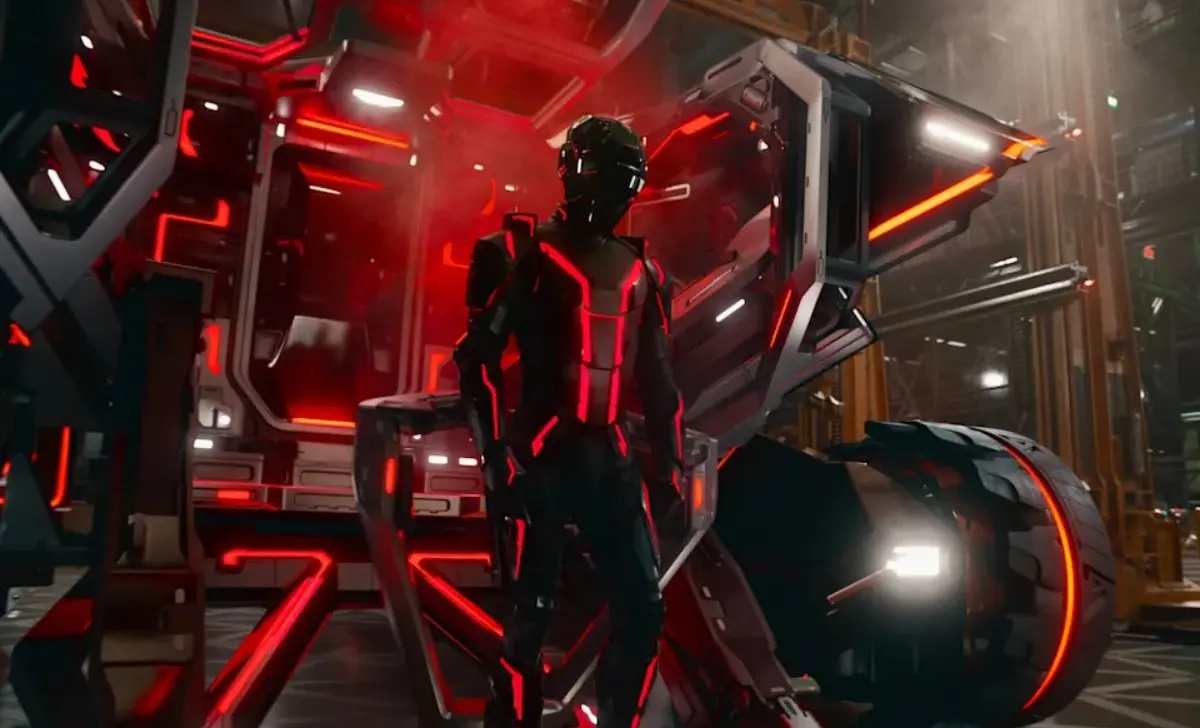
The 2025 release of “Tron: Ares,” directed by Joachim Rønning, attempts to revive the once groundbreaking sci-fi franchise that began with Steven Lisberger’s 1982 original “Tron.” Despite its rich legacy of pioneering CGI and cult appeal, the new offering struggles to find relevance among a younger generation unfamiliar with the franchise’s roots and grappling with modern-day themes of artificial intelligence.
“Tron: Ares,” a follow-up to the 2010 sequel “Tron: Legacy,” continues the saga with a fresh story centered around the digital program Ares, played by Jared Leto. Ares is sent from the digital Grid into the real world on a mission to acquire a coveted code for “permanence,” originally conceived by the legendary Kevin Flynn (Jeff Bridges, returning briefly for nostalgia). This code ensures that digital creations like Ares can exist indefinitely rather than dissolving shortly after creation. The pursuit of this code pits two tech giants against each other: ENCOM, led by CEO Eve Kim (Greta Lee), who wishes to advance AI for creation and growth, and rival company Dillinger Systems, headed by Julian Dillinger (Evan Peters), who aims to militarize AI technology. The action unfolds as Ares begins to question humanity, finding unexpected connection and alliance with Eve and her protector Athena (Jodie Turner-Smith).
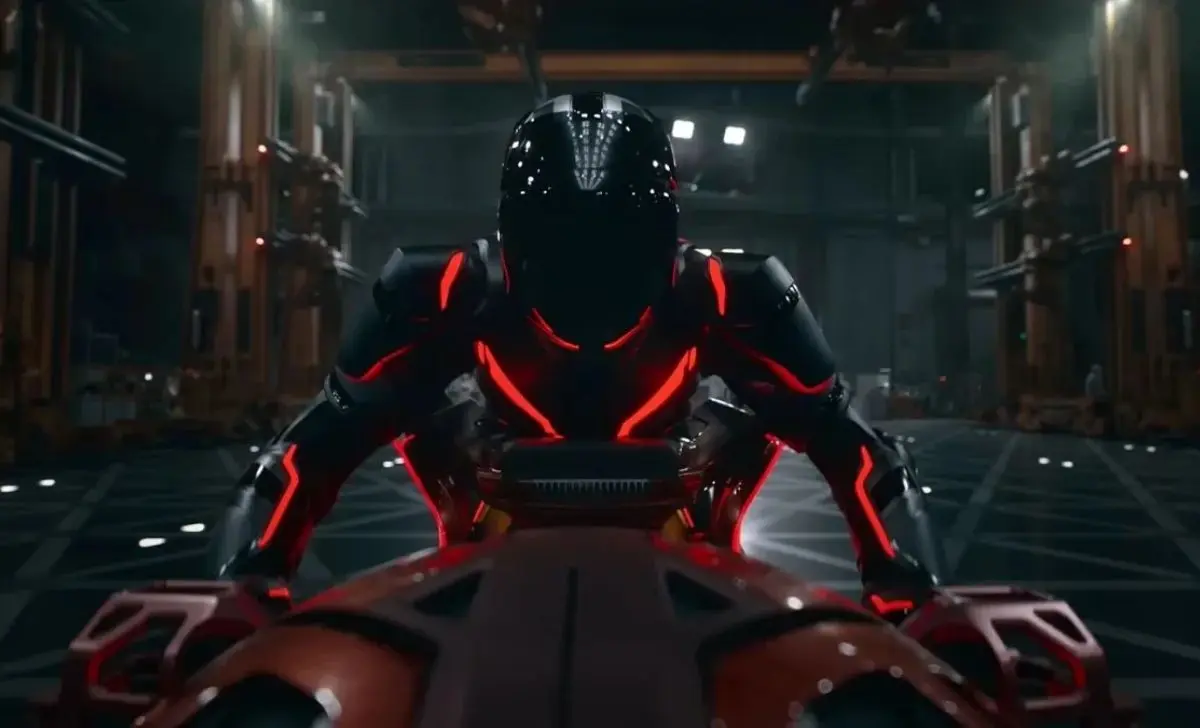
The film showcases dazzling visual effects, including frenetic chase sequences, light-up discs, and high-tech vehicles, which are hallmark attractions for long-time fans. However, these spectacle elements fail to fully compensate for a script that leans heavily on action instead of exploring deeper themes of AI-human interaction. Jesse Wigutow’s screenplay misses opportunities to probe meaningful questions about the balance and future of artificial intelligence and humanity, settling instead on standard action fare that some critics find unremarkable and lacking narrative coherence.
Critics note that while “Tron: Ares” tries to echo its predecessors by blending the digital and real worlds, it comes off as a diluted mix of familiar sci-fi motifs—comparable to “Pinocchio,” “Frankenstein,” and generic disaster films—without capturing the innovative spirit that made the original so iconic. The film’s exposition, which includes a digital recital by an AI version of Robin Roberts, aims to educate new viewers but often feels clunky. Characters, including Ares as a conflicted digital warrior and Eve as an ambitious CEO, suffer from underdevelopment, diminishing emotional impact.
The score and soundtrack, featuring electronic music from Nine Inch Nails, provide an atmospheric lift that heightens the film’s techno vibe, though this auditory appeal is unlikely to distract from narrative weaknesses. Returning fans may appreciate the nods to film history and the presence of Jeff Bridges, but the broader reception suggests that “Tron: Ares” is more of a party soundtrack than a memorable story. The film runs for 1 hour and 59 minutes and is rated PG-13, with producers including Sean Bailey, Jared Leto, Emma Ludbrook, and others.
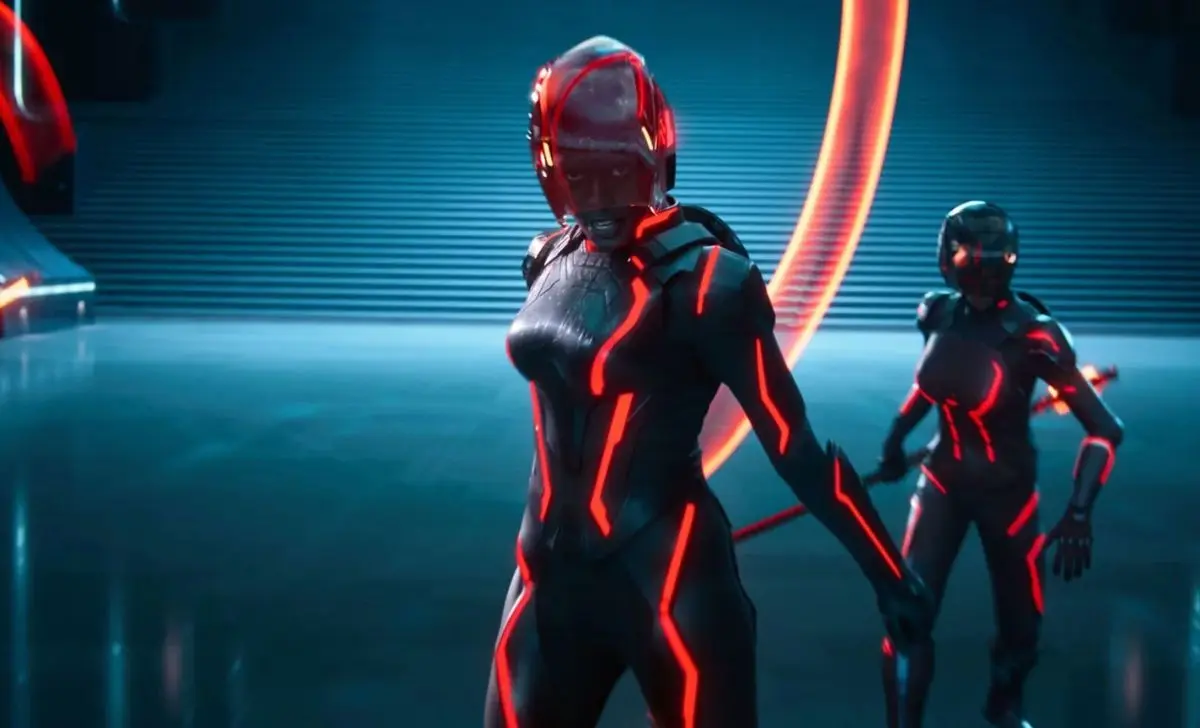
In summary, “Tron: Ares” is a visually impressive but narratively flawed continuation of a beloved franchise. It aims to address contemporary themes of artificial intelligence and its relationship with humanity but ultimately settles for entertaining action and effects over substantive exploration. For a franchise that once symbolized technological advancement and innovation in cinema, this third installment feels more like a nostalgic echo than a bold new chapter. Its success may depend on whether audiences appreciate the spectacle or desire a deeper, more cohesive story about the digital age.
This movie will be released worldwide on October 10, 2025, distributed by Disney, and directed by Joachim Rønning, featuring a cast led by Jared Leto, Greta Lee, Evan Peters, Jodie Turner-Smith, and Jeff Bridges among others. It reflects the contemporary struggle of connecting with newer generations while preserving the essence of a foundational sci-fi narrative.